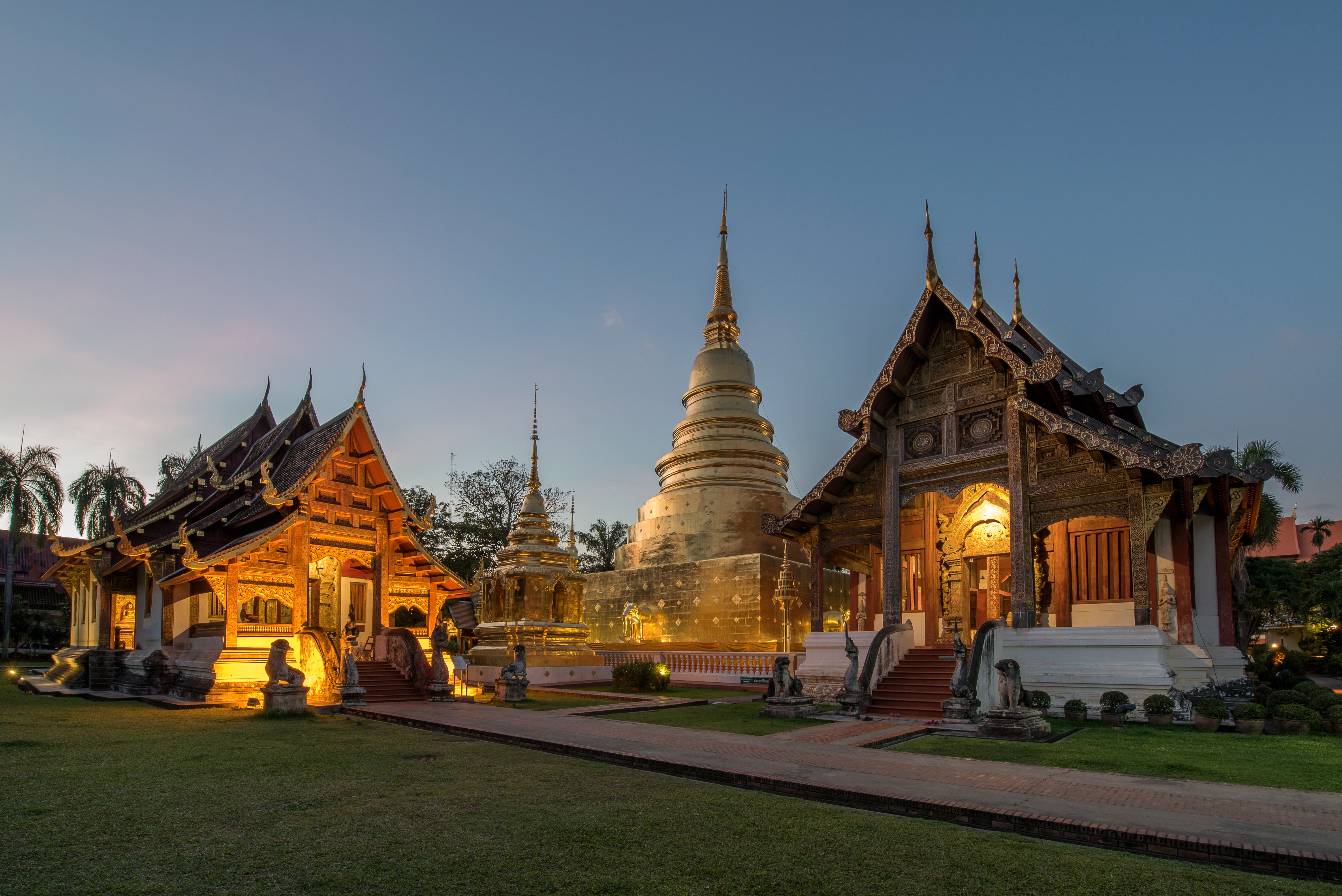
Tourism drives everything here, employing thousands in hotels, restaurants, and tour operations that cater to the 5+ million annual visitors. The UNESCO-recognized handicraft sector provides steady work for artisans in silk weaving, woodcarving, and ceramics, though wages rarely exceed $300-400 monthly. Digital nomads have flooded in over the past decade, creating a parallel economy of coworking spaces, Western cafes, and short-term rentals. Local Thais increasingly work in agriculture (coffee, tea, fruits) or small manufacturing, while the service sector has exploded to support both tourists and the growing expat population.
Rent averages $450/month for a decent one-bedroom in the center, though you can find basic places for $250-300. Motorbike taxis cost 40-60 baht ($1.20-1.80) for short trips, while monthly scooter rentals run $60-80. Healthcare is excellent and cheap — private hospitals charge $30-50 for consultations, with good English-speaking doctors. Thai language helps significantly for anything beyond tourist areas. Visa runs to Myanmar or Laos every 30-60 days remain the norm for most long-term visitors, creating ongoing bureaucratic hassle.
The mountain climate delivers genuinely cool mornings November through February, a welcome break from Thailand's usual heat. Street food costs $1-2 per meal, with excellent northern Thai specialties like khao soi and sai ua. The digital nomad scene is massive but can feel bubble-like — coworking spaces, Western brunch spots, and expat meetups dominate certain neighborhoods. Weekends mean temple visits, mountain hikes, or trips to nearby hot springs and waterfalls. This city works best for remote workers seeking affordable Asian living with decent infrastructure and a ready-made international community.
Estimate the cost of moving to Chiang Mai, Thailand
Get a free moving cost estimate for moving to Chiang Mai, Thailand. Takes 10 seconds.
How much are you shipping?
When are you moving?
Powered by Sirelo. Free quotes from international movers.
🏚️ Cost of Living
A 1BR in the center runs about $462.86/mo. If your income is in another currency, bank FX fees add up. A multi-currency account can cut that cost.
Chiang Mai is genuinely safe for daily life, with a relaxed atmosphere that belies its security. Walking around the Old City and main neighborhoods during day and evening is comfortable; locals and expats move freely without tension. The city's low violent crime rate and strong police presence create a sense of genuine safety rather than false security. Most expats report feeling safer here than in comparable U.S. cities.
Petty theft and scams are the primary concerns—pickpocketing on crowded songthaews, overcharging tourists, and rental scams occur regularly but are avoidable with basic precautions. Avoid displaying expensive jewelry or electronics; use hotel safes. Solo female travelers report feeling safe, though standard travel awareness applies. Violent crime targeting foreigners is rare. The Nimman and Old City areas are well-policed; remote areas outside the city proper warrant more caution.
Thailand's political landscape has seen instability historically, but Chiang Mai remains insulated from Bangkok-centered tensions. Corruption exists but rarely affects expat residents directly; police are generally helpful and reliable. The city benefits from strong tourism infrastructure and established expat communities. For Americans considering relocation, Chiang Mai presents one of Southeast Asia's safest options with minimal geopolitical risk to daily life.
🏥 Healthcare
Good
Public Hospitals
Yes
Private Clinics
Yes
English-Speaking Doctors
Available
See how Chiang Mai's healthcare compares with New York City
🌤️ Climate
Summer Temp
32°C
Winter Temp
22°C
Humidity
72%
Air Quality Index
68
Annual Rainfall
2065 mm
Best Months
NovDecJanFeb
Climate Notes
Chiang Mai has a tropical savanna climate with a hot, dry season (November-February), a scorching hot season (March-May), and a monsoon-heavy rainy season (June-October) that brings occasional air quality concerns.
💻 Digital Nomad
Avg Internet Speed
100 Mbps
Internet (monthly)
$20/mo
Coworking Availability
Abundant
Coworking Spaces Nearby
16
Digital Nomad Score
86/100
Community Notes
Chiang Mai is well-known among nomads for its abundant coworking spaces.
See how Chiang Mai's digital nomad life compares with New York City
🧳 Expat Life
English Proficiency
Common in Tourist Areas
Expat Community
Large & Active
Top Neighborhoods
Nimman, Old City, Santitham
Banks Nearby
176
ATMs Nearby
279
Expat Life Notes
The world capital of digital nomads, offering an unmatched balance of cost and lifestyle amenities.
Pros
✓ Very cheap living
✓ Massive community
✓ Excellent coworking infrastructure
Cons
✗ Smoky season (pollution) in Feb-Apr
✗ Car/Scooter dependency
✗ Increasingly crowded
🏘️ Neighborhoods in Chiang Mai
Areas of Chiang Mai that expats often consider.
Conditions can change from one block to the next, and these descriptions are general guides, not safety assessments. Before choosing where to stay or live, check current travel advisories, talk to people who live there, and visit in person if you can.
Nimmanhaemin
Trendy, modern, digital nomad hub
Nimmanhaemin is Chiang Mai's most popular digital nomad and expat area, known for its trendy cafes, co-working spaces, boutique shops, and nightlife. It's very walkable and has good public transport options, but can be noisy and more expensive than other areas. Expect a higher concentration of tourists and a more Westernized atmosphere.
Old City (Inside the Walls)
Historic, cultural, tourist-centric
The Old City is the historic heart of Chiang Mai, surrounded by ancient walls and moats. It's packed with temples, guesthouses, restaurants, and markets, making it a popular tourist destination. While charming, it can be crowded and noisy, and rents can be inflated due to tourism. Walkability is excellent within the walls.
Santitham
Local, affordable, up-and-coming
Santitham is a rapidly developing area just north of the Old City, offering a more local and affordable living experience. It's popular with students and young professionals, with a growing number of cafes, restaurants, and shops. While less touristy than the Old City, it's still easily accessible and becoming increasingly expat-friendly. Walkability is decent, and songthaews (red trucks) are readily available.
Chang Khlan
Riverside, night bazaar, convenient
Chang Khlan is located along the Ping River and is home to the famous Chiang Mai Night Bazaar. It's a convenient location with easy access to shopping, dining, and entertainment. While it can be busy and touristy, it offers a good mix of local and international amenities. Expect some noise from traffic and the night market.
Canal Road (Klong Chonprathan)
Residential, suburban, car-dependent
Canal Road (Klong Chonprathan) is a long road that runs around the outer edge of the city, offering a more suburban and residential feel. It's popular with families and retirees who prefer a quieter environment. A car or motorbike is recommended for getting around, as public transport is less frequent. Expect larger houses and condos at reasonable prices.
Hang Dong
Quiet, rural, relaxed living
Hang Dong is a district south of Chiang Mai city, offering a more rural and relaxed lifestyle. It's ideal for those seeking peace and quiet, with access to nature and outdoor activities. While less convenient for city amenities, it's a good option for long-term residents with their own transportation. Knowledge of Thai language is helpful.
Mae Rim
Scenic, mountainous, nature escape
Mae Rim is a district north of Chiang Mai, known for its stunning mountain scenery, waterfalls, and botanical gardens. It's a popular weekend getaway for locals and expats alike. While further from the city center, it offers a tranquil escape and a strong sense of community. Transportation is essential.
Page 1 of 2
Could living/working in Chiang Mai cut years off your work life?
With a 1-bedroom in the center at $463/mo, your FIRE number here might be much lower than you think.
Chiang Mai has a population of approximately 354,000 people.
A single person can expect to spend around $1,157 per month in Chiang Mai, including rent. A 1-bedroom apartment in the city center costs approximately $463/month.
The nearest airport to Chiang Mai is CNX, approximately 13.7km away.
Chiang Mai is considered relatively safe, with a safety index of 88.0. As with any city abroad, expats should research specific neighborhoods before committing to a location.
Chiang Mai has an average internet speed of 100 Mbps. It is considered a well-established digital nomad destination.
Basic Thai helps significantly outside tourist areas. Most restaurants, markets, and government offices have limited English. The digital nomad bubble provides English-speaking services, but you'll pay premium prices and miss authentic local experiences.
Private hospital consultations cost $30-50, with English-speaking doctors readily available. Dental work runs 60-70% less than Western prices. Many expats skip insurance for routine care, though serious procedures still require coverage or significant cash.
Tourist visas require border runs every 30-60 days to Myanmar or Laos. Education visas (Thai language/Muay Thai) offer 1-year stays for $1,500-2,000 annually. Elite visa costs $15,000+ for 5 years but eliminates visa runs entirely.
Rental costs vary greatly. You can find a basic studio apartment outside the city center for around $300-$400 USD per month. Expect to pay $600-$1000+ for a modern condo in popular areas like Nimmanhaemin or near the Old City, depending on size and amenities.
Internet speeds in Chiang Mai are generally excellent, with fiber optic connections widely available. You can expect download speeds of 50-200 Mbps or more in most areas, sufficient for video conferencing and other remote work needs. Mobile data is also readily available and affordable.
Nimmanhaemin is popular for its trendy cafes, restaurants, and coworking spaces, but it's also pricier. The Old City offers a more traditional atmosphere and is within walking distance of many attractions. Santitham is a good option for a quieter, more local feel with lower rents.
Getting around Chiang Mai is relatively easy without a car. Songthaews (red trucks) are a common and affordable form of public transportation. You can also use Grab (Southeast Asia's Uber) or rent a scooter, but be cautious as traffic can be chaotic.
Chiang Mai has a tropical climate with three distinct seasons: hot (March-May), rainy (June-October), and cool (November-February). The cool season is the most popular time to visit, with pleasant temperatures and low humidity. The hot season can be very uncomfortable, with temperatures often exceeding 100°F (38°C).
Yes, Chiang Mai has several hospitals and clinics with English-speaking doctors and dentists. Chiang Mai Ram Hospital and Bangkok Hospital Chiang Mai are popular choices among expats. The quality of care is generally high, and costs are significantly lower than in the United States.
Chiang Mai has a large and active expat community, making it easy to connect with other foreigners. There are numerous social groups, online forums, and events catering to expats. This can be a great resource for newcomers seeking advice and support.
As a US citizen, you're still required to file US taxes even when living abroad. You may be able to exclude a significant portion of your income using the Foreign Earned Income Exclusion (FEIE). Also, be aware of FBAR and FATCA reporting requirements for foreign bank accounts and assets.
Chiang Mai offers a significantly lower cost of living than most Western countries, allowing you to stretch your retirement income further. By living like a local, eating local food, and avoiding expensive imported goods, you can live comfortably on a modest budget.
ATM fees in Thailand can be relatively high, typically around 220 baht (about $6-7 USD) per transaction for foreign cards. Consider opening a local bank account to avoid these fees. Kasikornbank and Bangkok Bank are popular choices. Also, explore options like Wise or Revolut for international money transfers.
Yes, Chiang Mai is definitely viable for early retirement on a budget of $2000 USD per month, and even less if you're frugal. This budget would allow for comfortable accommodation, food, transportation, and some leisure activities. However, it's wise to have a financial cushion for unexpected expenses.
The day-to-day quality of life is generally very good, even if you don't speak Thai fluently. While learning some basic Thai phrases is helpful and appreciated, English is widely spoken in tourist areas and by many locals. You can easily navigate daily life, shop, and access services using English.
Cost-of-living and visa updates for Chiang Mai and the rest of Thailand. Free with RA Postcards.
By submitting your email address, you will receive a free subscription to RA Postcards and special offers from Rewire Abroad and our affiliates. You can unsubscribe at any time, and we encourage you to read more about our Privacy Policy.