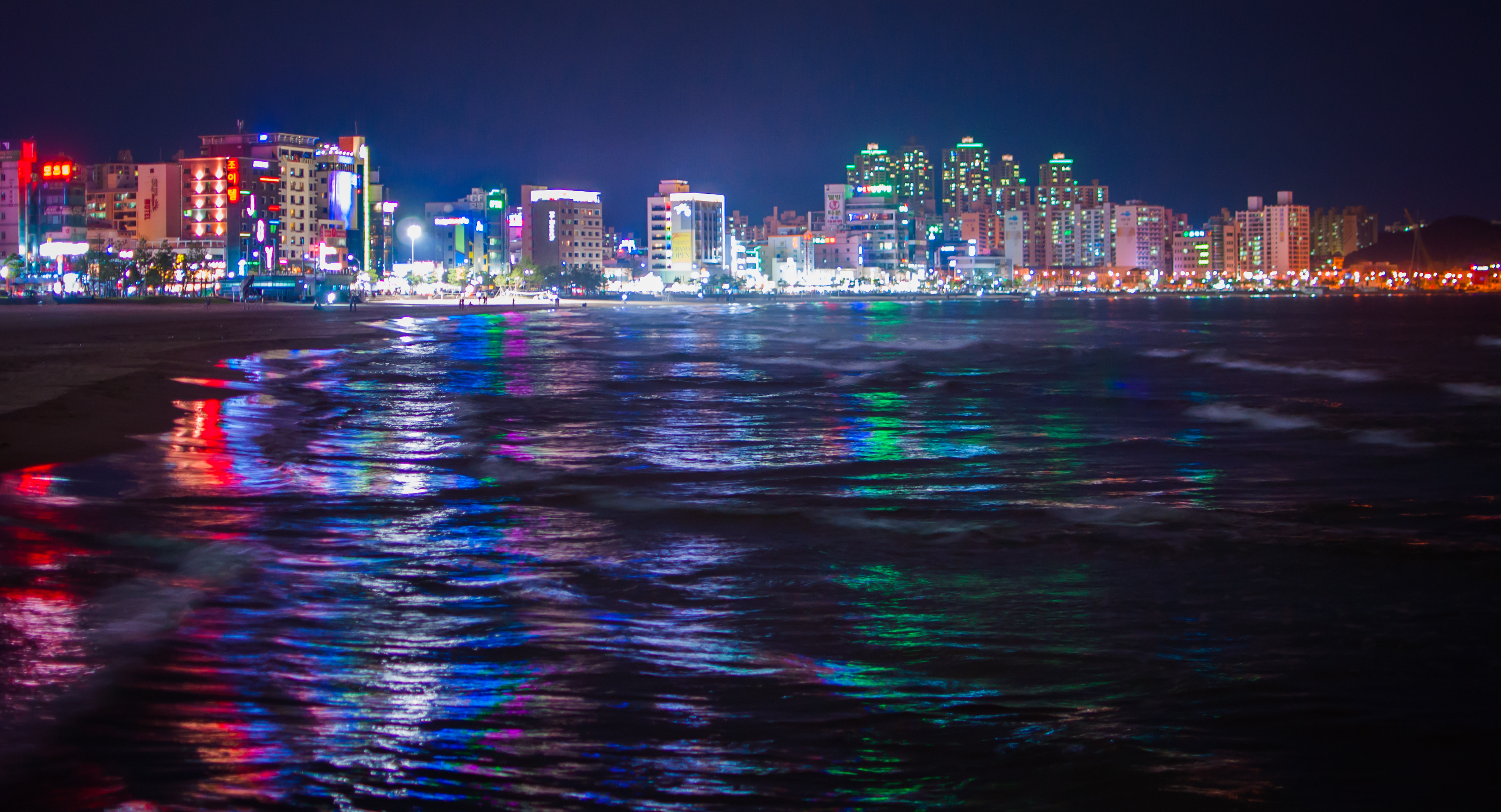
Pohang, South Korea Hero Image
Wikipedia Contributor, CC BY-SA

Pohang, South Korea

🌊 Coastal

Data updated Oct 9, 2026

Follows South Korea Residency Rules. Check Digital Nomad & Retiree Pathways →

📊 Scores

69
FIRE
58
Retiree
68
Digital Nomad

Best fit: FIRE / Geoarbitrage (score: 69)

Pohang sits on South Korea's eastern coast, a city of 504 thousand people built just 23 m above sea level and shaped by a humid subtropical climate with a strong marine influence. That means warm, wet summers and cool winters moderated by the sea, with the weather shifting in step with Asia/Seoul time. Expats tend to settle in Buk-gu and Nam-gu, the two districts most often named as popular among foreign residents. The expat community here is small, so newcomers who want a tight circle of familiar faces will find one, while those hoping for a large international crowd will need to look elsewhere. English proficiency is common in tourist areas, which eases the first weeks but rewards anyone who picks up some Korean for daily life.

The money side is where Pohang stands out. A one-bedroom apartment in the city center runs $550/mo, while the same outside the center drops to $445/mo. Three-bedroom places show a wider split: $1,647/mo in the center against $800/mo outside it. Utilities come to $101/mo, internet $27/mo, and a mobile phone plan $36/mo. A gym membership costs $30/mo, an inexpensive restaurant meal is $6 per person, a mid-range three-course meal for two is $22, and a cappuccino is $3. Excluding rent, a single person spends about $950/mo and a family of four about $3,000/mo. Budget, mid-range, and comfortable tiers for a single adult, rent included, land at $604/mo, $867/mo, and $1,053/mo. Against an average monthly net salary of $2,200/mo and a cost of living index of 65/100 with New York City at 100, the numbers favor savers.

Safety is a genuine strength. The safety index reads 72/100 and the crime index, where lower is safer, sits at 28/100. Healthcare quality is rated Good, so routine care and emergencies are manageable without the anxiety that hangs over many expat destinations. Air quality is mixed: the air quality index of 58 is not pristine, and anyone with respiratory sensitivities should factor that into where they live within the city. Internet speed averages 95 Mbps, fast enough for remote work, streaming, and video calls without drama.

For longer stays, the South Korea Digital Nomad Visa requires a minimum monthly income of $5,500/mo, a threshold well above the local average net salary and worth checking against your own earnings before planning a move. The nearest airport is KPO, just 7 km away, which keeps arrivals and departures quick. With an overall expat score of 69/100, a FIRE score of 69/100, a digital nomad score of 68/100, and a retiree score of 58/100, Pohang fits remote workers and budget-conscious savers best, while retirees may find the small expat community and limited English outside tourist areas a harder adjustment.
Estimate the cost of moving to Pohang, South Korea

Get a free moving cost estimate for moving to Pohang, South Korea. Takes 10 seconds.

How much are you shipping?

When are you moving?

Powered by Sirelo. Free quotes from international movers.

🏚️ Cost of Living

💰 Budgets and Costs

$990/mo, one person, rent included
Selected: mid-range lifestyle

Pohang on a mid-range budget comes to about $990 a month for one adult, with $445 of that going to rent. Beyond rent the estimate covers $232 on groceries, $60.00 on dining out, $88.00 on entertainment and lifestyle and $165 on utilities and connectivity.

Rent

$445/mo

1BR outside the centre

Groceries

$232/mo

Staples basket scaled to a full month

Dining out

$60.00/mo

10 inexpensive meals

Entertainment & lifestyle

$88.00/mo

gym, 2 cinema trips, 12 cappuccinos

Utilities & connectivity

$165/mo

utilities, mobile, internet

Budgets (excl. rent)

Single person$545/mo

Excludes rent. The total above is all-in, rent included.

Estimates for one adult, built from this city's average prices and the usage shown for each tier. Your spending will differ with how often you eat out and where you live.

A 1BR in the center runs about $550/mo. If your income is in another currency, bank FX fees add up. A multi-currency account can cut that cost.

See low-fee transfers

We may earn a commission at no cost to you.

See how Pohang's cost of living compares with Yangsan

Be the first to report costs in Pohang

Share

🛡️ Safety & Crime

72
Safety Index

(Higher is safer)

28
Crime Index

(Lower is safer)

Pohang is genuinely safe for daily life. You'll see locals walking alone at night without concern, and expats report feeling secure in most neighborhoods. The city has a strong police presence and low violent crime. It's quieter and less touristy than Seoul, which means fewer scams targeting foreigners. Walkability is excellent, and public transportation is reliable and safe.

Petty theft exists but is uncommon compared to Western cities. Pickpocketing on crowded buses or in markets is the main concern—keep valuables secure. Violent crime against expats is rare. Solo female travelers report feeling safe, though standard precautions apply. Avoid excessive drinking in unfamiliar areas late at night. Scams targeting expats are minimal here, though overpaying for services happens occasionally.

South Korea is politically stable with reliable law enforcement and low corruption. Pohang, an industrial port city, has no significant protest activity or political instability affecting residents. Police are professional and responsive. The main consideration is North Korea's proximity to the peninsula, but this poses no practical daily risk in Pohang. Overall, this is one of the safest cities in the world for expats—comparable to Scandinavian standards. It's an excellent choice for remote workers or retirees seeking security and stability.

🏥 Healthcare

Good
Public Hospitals
Yes
Private Clinics
Yes
English-Speaking Doctors
Available

See how Pohang's healthcare compares with Yangsan

🌤️ Climate

Summer Temp
29°C
Winter Temp
0°C
Humidity
65%
Air Quality Index
58
Annual Rainfall
1408 mm

Best Months

AprMaySepOct

Climate Notes

Humid subtropical climate with a strong marine influence.

💻 Digital Nomad

Avg Internet Speed
95 Mbps
Internet (monthly)
$27/mo
Coworking Availability
Moderate
Coworking Spaces Nearby
0
Digital Nomad Score
68/100

Community Notes

Pohang offers a unique blend of modern infrastructure and traditional culture for digital nomads.

Coworking Spaces

NameNotes
Regus PohangRegus offers a reliable and professional coworking environment in Pohang. Located in a central business area, it provides standard amenities and is suitable for those seeking a structured workspace.
Pohang Idea FactoryA local government-supported initiative, Pohang Idea Factory provides a collaborative space for startups and entrepreneurs. It's a good option for those looking to connect with the local business community and offers basic coworking facilities at an affordable price.

Names, locations and hours can change. Check each space's website before you visit. Places from © OpenStreetMap contributors and Foursquare Open Source Places (Apache 2.0).

Planning to live in Pohang long-term? South Korea Digital Nomad Visa lets remote workers live legally with a minimum income of $5,500/month.

View full requirements →

Working remotely from Pohang? Nomad health insurance covers you across borders, month to month.

See nomad insurance

We may earn a commission at no cost to you.

See how Pohang's digital nomad life compares with Yangsan

🧳 Expat Life

English Proficiency
Common in Tourist Areas
Expat Community
Small
Top Neighborhoods
Buk-gu, Nam-gu
Banks Nearby
33
ATMs Nearby
3

Expat Life Notes

An industrial city dominated by the steel industry; the expat community is mostly specialized engineers and university researchers.

Pros

  • ✓ Scenic coastal locations
  • ✓ Low cost of living
  • ✓ Strong job market in heavy industry

Cons

  • ✗ Industrial pollution concerns
  • ✗ Limited English spoken
  • ✗ Quiet social scene

🏘️ Neighborhoods in Pohang

Areas of Pohang that expats often consider.

Conditions can change from one block to the next, and these descriptions are general guides, not safety assessments. Before choosing where to stay or live, check current travel advisories, talk to people who live there, and visit in person if you can.

Daejam-dong

Modern, convenient, coastal living

Daejam-dong is a newer area with modern apartments and ocean views, popular with younger professionals and some expats. It offers good access to amenities, restaurants, and the beach. While convenient, it can feel a bit sterile compared to older parts of the city.

Jukdo Market Area

Bustling, traditional, local flavor

Centered around the famous Jukdo Market, this area offers a very authentic Korean experience. Housing is older and cheaper, but the area is vibrant and full of life. Language barriers can be significant, but the food and cultural immersion are unparalleled.

Hyoja-dong

Residential, quiet, family-oriented

Hyoja-dong is a more residential area, popular with families and those seeking a quieter environment. It's further from the city center but still has good access to amenities. While not particularly expat-heavy, it offers a glimpse into everyday Korean life.

Duho-dong

Up-and-coming, developing, affordable

Duho-dong is a developing area with more affordable housing options. It's a bit further from the main attractions but offers a quieter and more local experience. Expect ongoing construction and fewer English speakers compared to central areas.

Page 1 of 2

Could living/working in Pohang cut years off your work life?

With a 1-bedroom in the center at $550/mo, your FIRE number here might be much lower than you think.

Calculate My FIRE Date →

🛂 Visa Options for South Korea

Many long-stay visas require proof of health insurance. Compare international health plans before you apply.

Compare health insurance

We may earn a commission at no cost to you.

🛂

Earning over $5,500/mo? You may qualify for a South Korea visa.

Answer 11 questions and get a personalized match in under 2 minutes.

Find My Visa →

More Cities to Consider instead of Pohang

FAQ

Frequently Asked Questions about Pohang

Click any question to expand the answer.

Pohang has a population of approximately 503,780 people.
A single person can expect to spend around $1,375 per month in Pohang, including rent. A 1-bedroom apartment in the city center costs approximately $550/month.
The nearest airport to Pohang is KPO, approximately 7.1km away.
Pohang is considered relatively safe, with a safety index of 72.0. As with any city abroad, expats should research specific neighborhoods before committing to a location.
Pohang has an average internet speed of 95 Mbps. It is considered a well-established digital nomad destination.
It's manageable but not easy. Outside POSCO's international workforce, English is rarely spoken. Daily tasks like signing leases, visiting clinics, or dealing with city offices will require Korean or a bilingual contact. Expats who thrive here either work for POSCO, speak Korean, or have a local partner.
Meaningfully cheaper. A city-center one-bedroom runs around $550/month versus $900–$1,200 in Seoul. Local restaurants and markets are priced for industrial workers, so daily food costs are low. The tradeoff is fewer international amenities, limited dining variety, and a smaller selection of English-language services.
The coastline is the main draw — Yeongildae, Wolpo, and Songdo beaches are accessible and far less crowded than beaches near Seoul or Busan. The Jukdo Fish Market is worth a regular visit. Hiking trails are nearby, and the city has invested in arts venues, but nightlife and international cultural events are limited compared to major Korean metros.
Pohang has four distinct seasons. Expect hot, humid summers and cold, dry winters, with cherry blossoms in the spring and vibrant foliage in the fall. Be prepared for typhoons during the late summer months.
Pohang is generally a very safe city with low crime rates. Petty theft is rare, and violent crime is uncommon, making it a comfortable place to live. However, it's always wise to be aware of your surroundings, especially at night.
For expats, areas like Jigok-dong and Hyoja-dong are popular due to their proximity to universities, international schools, and amenities. Daedo-dong, near the city center, offers convenient access to shopping and dining. Your budget will influence your final choice.
Pohang has a decent public transportation system, including buses and taxis. The bus network is extensive, though navigating it can be challenging without Korean language skills. Taxis are readily available and relatively affordable.
Pohang boasts excellent internet infrastructure with very fast and reliable speeds. You can expect fiber optic connections in most areas, making it ideal for remote work and video conferencing. Many cafes also offer free Wi-Fi.
While Pohang doesn't have a large number of dedicated coworking spaces like Seoul, there are a few options available, often combined with cafes or business centers. Check online listings for the most up-to-date information and availability.
Pohang has a good healthcare system with several hospitals and clinics. While finding English-speaking doctors can be a challenge, larger hospitals often have international patient services. Healthcare costs are generally lower than in the US.
To open a bank account, you'll typically need your passport, Alien Registration Card (ARC), and proof of address. Major banks like KEB Hana Bank and Shinhan Bank have branches in Pohang. Be prepared for some paperwork and potential language barriers.
Pohang is famous for its fresh seafood, especially grilled clams (gabaengi). You'll find a wide variety of Korean cuisine, from street food to upscale restaurants. Western food options are also available, though less prevalent than in larger cities.
Pohang's expat community is smaller compared to Seoul or Busan, but it's still active, largely centered around the universities and POSCO. Online groups and language exchange programs are good ways to connect with other expats.
While English proficiency is growing, it's not as widespread as in major tourist hubs. Learning basic Korean phrases will significantly enhance your daily life and interactions. Expect to encounter language barriers in some situations.
Retiring on $2,000 USD per month in Pohang is feasible, but requires careful budgeting. You'll need to be mindful of your housing costs, healthcare expenses, and lifestyle choices. It's definitely more attainable than in Seoul.
As a US citizen, you're still required to file US taxes even when living abroad. The Foreign Earned Income Exclusion (FEIE) and Foreign Bank Account Report (FBAR) are important considerations. Consult with a tax professional specializing in expat taxes.
For long-term stays, consider options like the work visa (if you have a job offer), the student visa (if you're studying), or investment visas. There isn't a specific retirement visa for South Korea. Research the latest visa requirements on the Korean Immigration Service website.

Share This Guide