South Korea Freelancer Visa (D-10 Job Seeker + Self-Employment)
Data updated Oct 9, 2026
Application Fee
$60
Duration
6 months
Overview
Getting the income documentation story straight before applying
The single biggest mistake people make with this visa is treating it like the digital nomad programs popping up elsewhere in Asia, where the whole premise is "come live here and keep billing your US clients openly." That is not what the D-10 track does. Local work is not permitted under this status, which means the immigration officer reading your file needs to see, unambiguously, that every dollar landing in your account originates outside Korea. That distinction shapes how you should build your paperwork from day one.
If you are a freelancer with three or four US clients, do not submit a pile of bank statements and assume the story tells itself. Pair each incoming deposit with the underlying contract or invoice, and keep the naming consistent across documents, client names on invoices should match the names on wire transfers almost exactly. Officers reviewing self-sponsored applications are trained to look for deposits that appear staged, round numbers landing suspiciously close to filing dates, or a sudden spike in account balance the month before submission. None of that means you did anything wrong. It means your paperwork needs to preempt the question before it gets asked.
Because the minimum savings figure here is modest, $4,500 (as of 2026), you might be tempted to treat it as the whole bar. It is not. Savings sitting untouched in an account read differently than income with a visible, plausible source. A reviewer would rather see $3,000 a month arriving from two identifiable clients over six months than a lump sum that appeared two weeks before you filed. If your income is irregular, month to month, front-load your file with the strongest, most boring evidence you have: signed contracts, consistent invoicing cadence, a tax return if you have one that shows the same clients recurring. Where things go sideways is usually not the amount, it's the shape of the money.
One more sequencing note: get your apostilles done before you assemble anything else. Apostille processing in the US can take longer than applicants expect, and it is the one document category you cannot rush once you are inside a filing deadline.
Eligibility Requirements
Min Savings
$4,500
Application Fee
$60
Min Age
18 yrs
Duration
6 months
Requirements Checklist
Tax Information
How Korean Residency Taxes Reach Your US Income
South Korea taxes tax residents on worldwide income, full stop. Cross the 183-day threshold in a calendar year and everything you earn, wherever it comes from, salary, freelance client invoices, brokerage gains, foreign dividends, rental checks from a property you still own back home, becomes reportable to Korea's National Tax Service. Progressive income tax brackets run from 6% on the first KRW 14,000,000 (about $10,400) up through 45% on anything above KRW 1,000,000,000 (about $740,700), and a 10% local surtax rides on top of every bracket, which pushes the effective top marginal rate to 49.5%. That top rate arrives faster than the headline 45% figure suggests once the surtax is folded in, and it catches consultants and contractors earning well below what would count as high income in the US.
The residency trigger itself is a plain day count, 183 days, with no habitual-home or center-of-vital-interests overlay the way some treaty countries apply it. Dividends run on their own track: keep combined interest and dividend income at or below KRW 20,000,000 (about $14,800) for the year and a flat final withholding of 15.4% closes the matter. Go over that line and the entire amount, not merely the excess, joins your global income under the same 6% to 45% progressive schedule. As of 2026, listed companies with a high or stable payout ratio open up an alternative: dividends from those companies can be taxed separately at 14% to 30% instead of being pulled into the comprehensive calculation, but only where the company held or grew its payout against fiscal year 2024 and clears a 40% payout ratio test, or 25% with double digit year over year dividend growth. That window runs through fiscal years ending by 31 December 2028 and rewards nothing if the stocks in your portfolio don't meet the payout test.
South Korea does offer a preferential track, but it is narrower than it sounds for anyone on this visa. Foreign employees can elect a flat 19% rate, 20.9% once the local surtax is added, on Korean-source employment income instead of the standard progressive schedule, and that election stays available for up to 20 cumulative years of Korean employment. The problem for a freelancer building a business under the D-10 self-employment track is that the flat rate only reaches employment income, not the invoiced freelance revenue this visa is actually built around, so a solo consultant billing clients directly usually cannot use it at all. It also is not a one-time election locked in for life, it has to be made fresh at each year-end settlement filing, so missing a year costs you that year's benefit rather than the whole regime permanently. Korean nationals who held foreign citizenship and later returned are excluded from the option outright.
Where the IRS Still Gets Its Cut
None of the above excuses a US citizen or green card holder from filing at home. The Foreign Earned Income Exclusion shields up to $132,900 of 2026 earned income, salary or freelance revenue tied to work actually performed while resident abroad, and given Korean housing costs the accompanying housing exclusion, roughly $18,000 in a case like this, is worth claiming alongside it. What FEIE will not touch: dividends, brokerage gains, rental income from anything left in the US, pension distributions, and Social Security. All of that stays fully taxable on the US return no matter how much earned income gets excluded.
This is where the Foreign Tax Credit earns its keep. Korea's effective top rate of 49.5% on employment income, and up to 45% plus surtax on 401(k) or IRA distribut
Living in South Korea
COL Index vs NYC
56.5
Monthly Cost (excl. rent)
$966
1BR Rent (City Center)
$677
Safety Index
75.1
Healthcare Index
82.8
Quality of Life Index
147.7
Time Zone
UTC+09:00
Capital
Seoul
Population
51.8M
Official Languages
Korean
Avg Internet Speed
323 Mbps
Public Transit Quality
Excellent
With a budget covering rent and living costs, you'd need roughly $1,643/mo for a comfortable single-person lifestyle in South Korea.See how far your money goes →
🏙️ Best Cities in South Korea for Freelancers
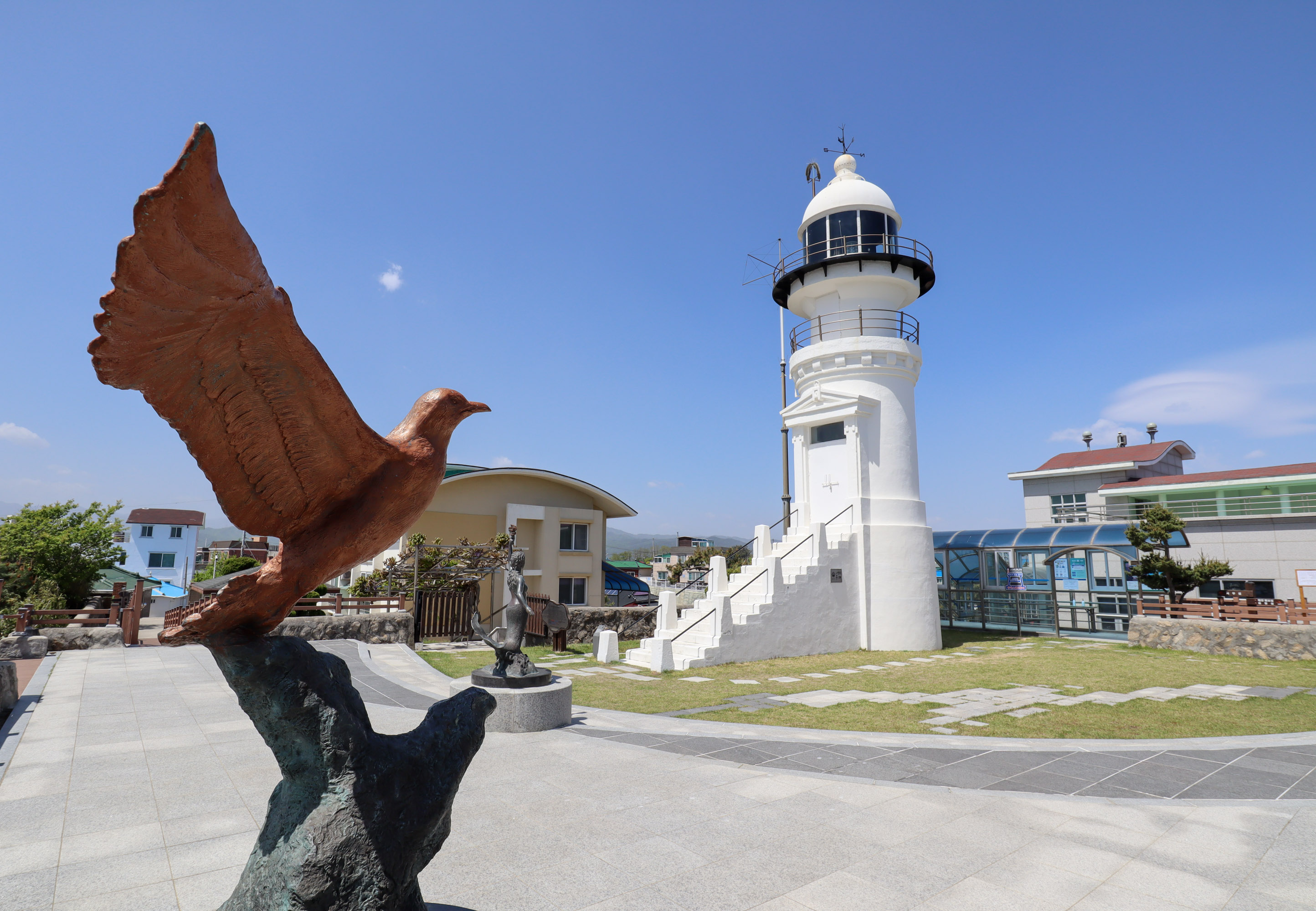 ✦ 76
✦ 76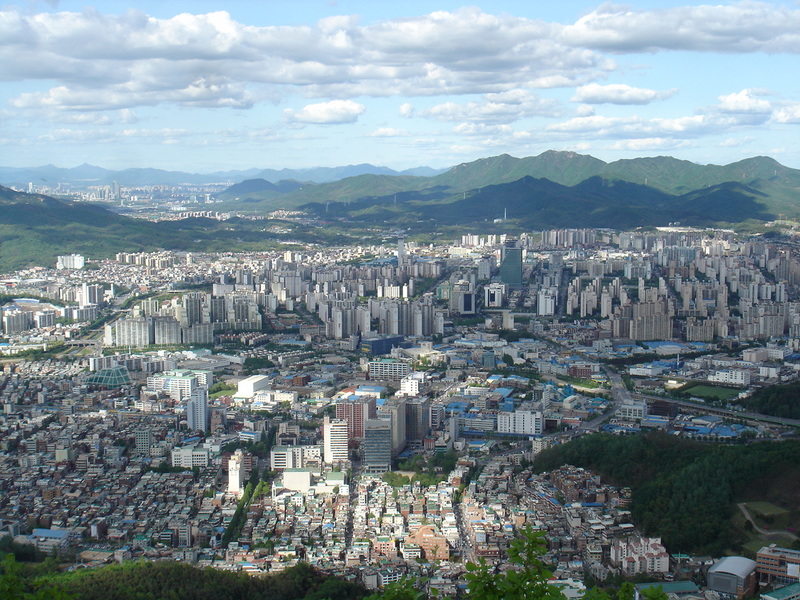 ✦ 78
✦ 78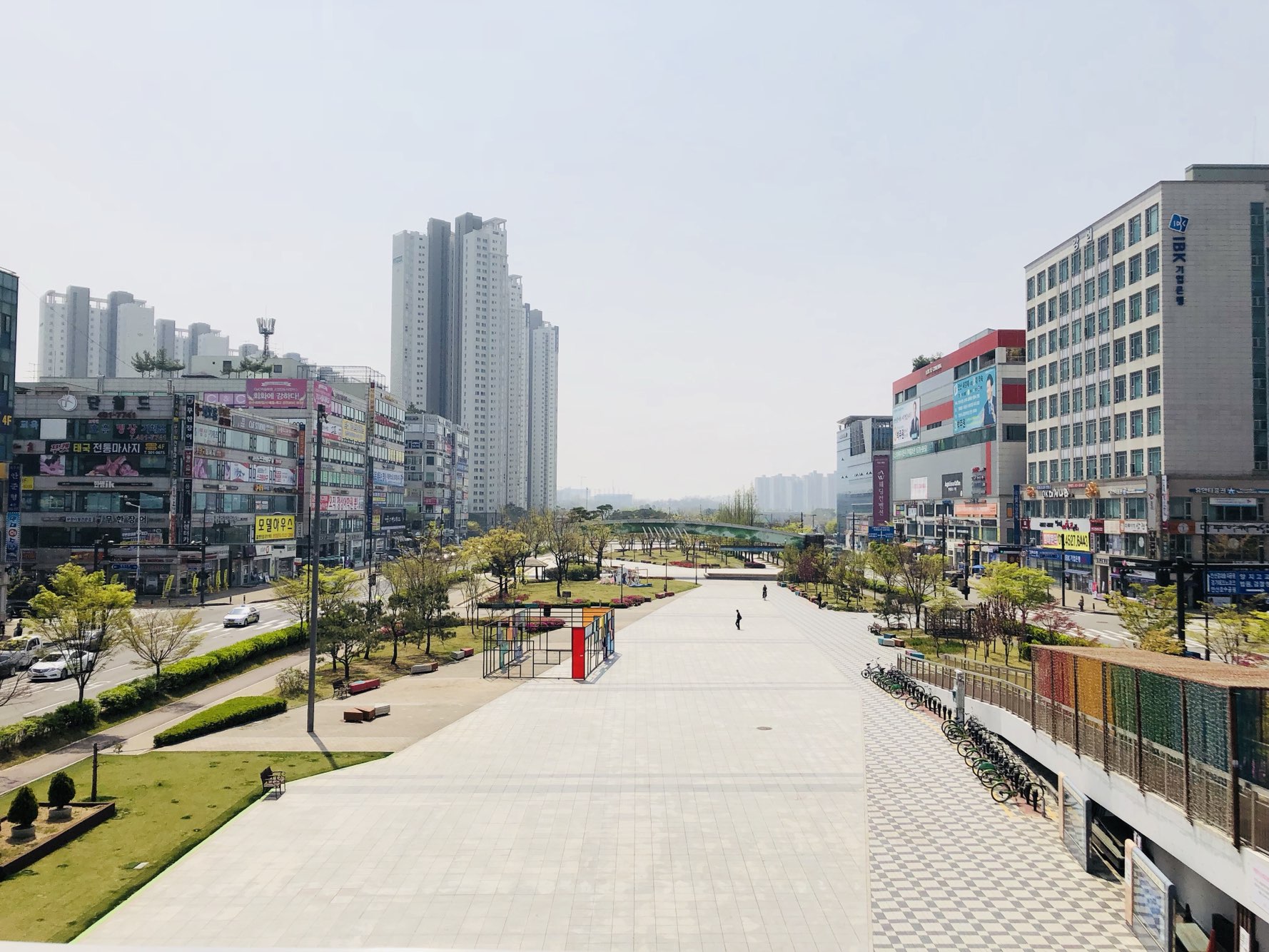 ✦ 78
✦ 78 ✦ 80
✦ 80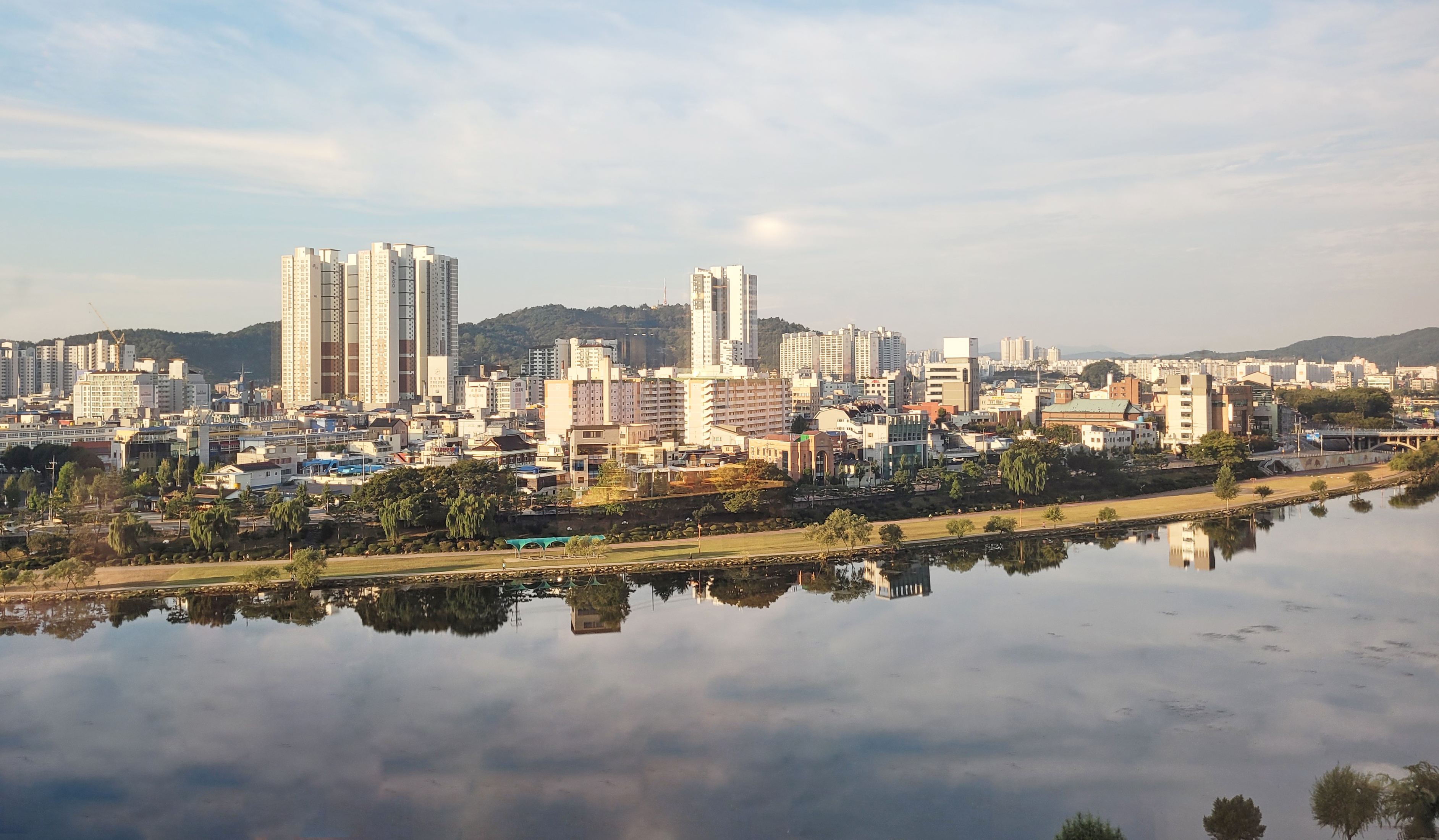 72
72The housing requirement and how people get it wrong
Almost every applicant treats proof of accommodation as a box to check rather than a decision that will follow them for months. The instinct is to book the cheapest short-term rental that produces a lease-looking document, submit it, and figure out real housing once you land. That approach works until it doesn't, usually when the reservation platform's paperwork doesn't match what a consulate or immigration office expects to see, or when the "lease" has no landlord contact information a reviewer can actually verify.
Better sequencing: treat the housing document as something you might truly need to rely on, not just present. If you can, secure something closer to a real short-term lease, even a one-to-three month arrangement with an actual property manager, rather than a platform booking confirmation dressed up as a rental agreement. It costs more upfront. It also means you are not scrambling to find real housing in your first week in Korea while simultaneously trying to register for health insurance and open the logistics of daily life.
There's a secondary reason to get this right: health insurance enrollment and address registration downstream both assume you have a stable address on file. If your accommodation proof was a placeholder, you inherit a paperwork mismatch the moment you try to formalize anything after arrival. It is a small thing that becomes an annoying thing.
What happens after you land
The initial grant here is short, six months, renewable, which means you should think of your first stretch in Korea as a runway rather than a settled arrangement. No medical exam is required to get in, which removes one common bottleneck, but do not read that as the process being casual. Health insurance is required, and you'll want that sorted early rather than treating it as something to handle once you're settled, because renewal applications later will ask you to show continuous coverage, not a policy you backfilled.
A local bank account isn't formally required, but most people end up opening one anyway simply because paying rent, insurance premiums, and daily expenses through a US card in Korea gets expensive and awkward fast. If you do open one, keep your income documentation habits from the application phase going, consistency between what you told immigration and what your bank records show will matter again at renewal.
Renewal is the real test. This is not a one-and-done filing. You are proving, every renewal cycle, that the same conditions that got you in still hold: foreign-sourced income, no local employment, adequate insurance. Treat the renewal like a smaller version of the original application rather than a formality, because reviewers will.
The long-term path, on paper versus in practice
On paper, this visa is a bridge, not a destination. It does not lead to permanent residency on its own. What it can do, if things go well, is buy you time inside Korea to build the relationships, language ability, or business footing that would let you transition into a different visa category, one tied to actual employment or a registered business, that does count toward longer-term status.
The practical gap is this: people arrive assuming the clock they're building is a residency clock. It isn't. Time spent under this status is time spent proving you belong in a different category eventually, not time that automatically accrues toward anything permanent. If your actual goal is a life in Korea five years out, you need a second plan running in parallel, whether that's securing a job offer that qualifies you for a work visa, or building a registered business that qualifies for a different track entirely. Waiting until your third renewal to start that second plan is the mistake that traps people in a renewal loop with no forward motion.
This is worth sitting with before you file. If the goal is a few years of low-friction remote work from Korea and then a move elsewhere, the visa does exactly what it says. If the goal is Korea long-term, this status is scaffolding, and you should be building the next thing underneath it from month one.
The judgment call against a true digital nomad visa
The comparison that actually matters isn't Korea versus some other specific country's program, it's this visa's structure versus a genuine digital nomad visa that permits local remote income openly and often carries a path toward extended residency. Korea's version asks you to keep your income entirely foreign facing and offers no residency credit for the time spent. A country running an explicit digital nomad program usually trades a higher income bar for a status that acknowledges what you're actually doing, working remotely from inside its borders, and sometimes stacks toward longer-term permission to stay.
If your priority is legal clarity about being allowed to work as a freelancer while physically present, and you want the years to count toward something later, Korea's D-10 track is the wrong tool even though it's cheaper to file, $60 as of 2026, and light on requirements like interviews or a background check. If your priority is spending a defined stretch of time in Korea specifically, for language, business scouting, or simply because you want to live there, and you're comfortable treating the visa as temporary scaffolding rather than a foundation, it does the job efficiently and without the higher income thresholds some other programs impose.
The mistake is picking Korea because it looked easiest on a checklist and only realizing later that "easiest to get" and "leads somewhere" are different questions entirely.
Work Permissions
What's typically permitted:
Application Steps
- 1
Research
Verify all requirements for this visa type and country
- 2
Gather documents
Obtain all required documents (passport, financial statements, health insurance, etc.)
- 3
Complete application
Fill out the official application form
- 4
Submit application
Submit all documents to the appropriate consulate or online portal
- 5
Pay fees
Complete payment of application and visa fees
- 6
Attend interview
If required, attend any scheduled interviews
- 7
Wait for decision
Processing times vary from weeks to months
- 8
Travel and activate
Once approved, travel to the country and complete any activation requirements
Frequently Asked Questions
Click any question to expand the answer.
Ready to Apply?
Work with trusted visa specialists who handle the paperwork so you can focus on your move.
Get help with this visa →* We may earn a commission if you apply through our link
At a Glance
Last verified: October 9, 2026