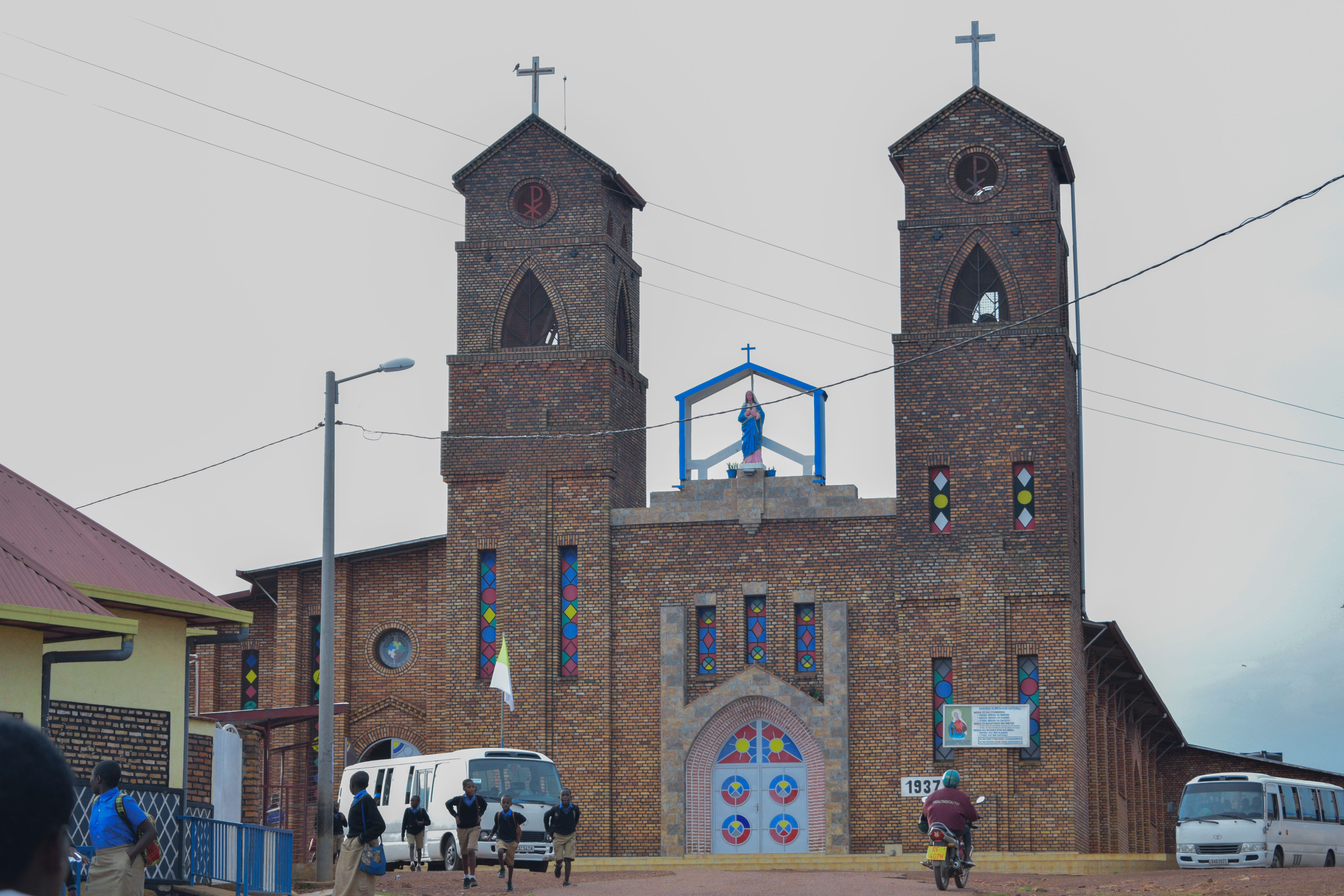
Byumba's economy revolves around education, banking, and transit trade rather than tech or tourism. UTAB (University of Technology and Arts) anchors the knowledge sector, while Banque Populaire du Rwanda and smaller financial services employ steady staff. The city functions as a regional hub 60km north of Kigali—most expat income comes from remote work, NGO positions, or teaching at the university. Agriculture and informal trade dominate surrounding areas, but formal employment here is limited unless you're connected to education or development sectors.
Rent runs $344/month for a one-bedroom in the city center—genuinely cheap, though quality varies. Transport is manageable: minibuses to Kigali cost under $2, but roads deteriorate during rainy season. Healthcare requires traveling to Kigali for serious issues; local clinics handle basics. Kinyarwanda is the default language; English penetrates slowly outside UTAB and banking. Bureaucracy is straightforward compared to larger cities, but internet reliability fluctuates. Water and electricity are intermittent in some neighborhoods.
Byumba offers cool highland weather, decent local food markets, and genuine quiet—no expat bubble or nightlife scene. Weekends mean hiking nearby hills, visiting the SOS Children's Village, or driving to Kigali. The expat community is tiny and transient, mostly university staff and NGO workers. This city suits remote workers seeking ultra-low costs, academics, or development professionals who don't need social infrastructure—not digital nomads seeking community or amenities.
Estimate the cost of moving to Byumba, Rwanda
Get a free moving cost estimate for moving to Byumba, Rwanda. Takes 10 seconds.
How much are you shipping?
When are you moving?
Powered by Sirelo. Free quotes from international movers.
🏚️ Cost of Living
💰 Budgets and Costs
$461/mo, one person, rent included
Selected: budget lifestyle
Byumba on a budget budget comes to about $461 a month for one adult, with $240 of that going to rent. Beyond rent the estimate covers $75.00 on groceries, $11.00 on dining out, $23.00 on entertainment and lifestyle and $112 on utilities and connectivity.
Rent
$240/mo
1BR outside the centre
Groceries
$75.00/mo
75% of mid-range grocery spend
Dining out
$11.00/mo
4 inexpensive meals
Entertainment & lifestyle
$23.00/mo
1 cinema trip, 8 cappuccinos
Utilities & connectivity
$112/mo
utilities, mobile, internet
Budgets (excl. rent)
Single person$221/mo
Excludes rent. The total above is all-in, rent included.
$515/mo, one person, rent included
Selected: mid-range lifestyle
Byumba on a mid-range budget comes to about $515 a month for one adult, with $240 of that going to rent. Beyond rent the estimate covers $100 on groceries, $27.00 on dining out, $36.00 on entertainment and lifestyle and $112 on utilities and connectivity.
Rent
$240/mo
1BR outside the centre
Groceries
$100/mo
Staples basket scaled to a full month
Dining out
$27.00/mo
10 inexpensive meals
Entertainment & lifestyle
$36.00/mo
2 cinema trips, 12 cappuccinos
Utilities & connectivity
$112/mo
utilities, mobile, internet
Budgets (excl. rent)
Single person$275/mo
Excludes rent. The total above is all-in, rent included.
$765/mo, one person, rent included
Selected: comfortable lifestyle
Byumba on a comfortable budget comes to about $765 a month for one adult, with $344 of that going to rent. Beyond rent the estimate covers $139 on groceries, $108 on dining out, $62.00 on entertainment and lifestyle and $112 on utilities and connectivity.
Rent
$344/mo
1BR in the centre
Groceries
$139/mo
140% of mid-range grocery spend
Dining out
$108/mo
6 inexpensive meals + 6 mid-range meals
Entertainment & lifestyle
$62.00/mo
4 cinema trips, 20 cappuccinos
Utilities & connectivity
$112/mo
utilities, mobile, internet
Budgets (excl. rent)
Single person$421/mo
Excludes rent. The total above is all-in, rent included.
Estimates for one adult, built from this city's average prices and the usage shown for each tier. Your spending will differ with how often you eat out and where you live.
A 1BR in the center runs about $344.23/mo. If your income is in another currency, bank FX fees add up. A multi-currency account can cut that cost.
Byumba is genuinely safe for expats, with a low-crime profile typical of smaller Rwandan cities. Day-to-day life feels secure; walking during daylight is unremarkable, and evening strolls in populated areas are generally safe. The city lacks the petty crime pressure of Kigali. Locals are accustomed to foreigners, and the overall atmosphere is calm and orderly—this isn't a place where you'll feel constantly vigilant.
Petty theft and opportunistic bag-snatching occur but are uncommon compared to regional cities. Avoid displaying expensive electronics, jewelry, or large cash amounts. Violent crime targeting expats is rare. Solo female travelers report feeling comfortable, though standard precautions apply: avoid isolated areas after dark and use trusted transport. Scams are minimal; most interactions are straightforward and honest.
Rwanda's political environment is stable with low corruption relative to the region. Police are generally reliable and professional. Byumba, as a provincial city, experiences none of the occasional Kigali tensions. The main risk is petty opportunism rather than systemic danger. For an American considering relocation, this is a genuinely safe choice—safer than many U.S. cities—with the caveat that it's small and remote, so amenities and expat community are limited.
Byumba has a tropical highland climate with mild temperatures year-round (18-22°C), high humidity, and two rainy seasons (March-May and October-December), making it lush but wet for much of the year.
💻 Digital Nomad
Avg Internet Speed
20 Mbps
Internet (monthly)
$21/mo
Coworking Availability
Limited
Coworking Spaces Nearby
0
Digital Nomad Score
54/100
Community Notes
A budding yet small nomad scene with friendly locals and beautiful landscapes.
While technically in Kigali, Impact Hub is the closest established coworking space with a strong reputation and is likely used by remote workers in Byumba for occasional trips. It offers a vibrant community, reliable internet, and various membership options suitable for digital nomads.
Located in Kigali, kLab is a tech-focused innovation hub that provides coworking spaces and resources for entrepreneurs and remote workers. While a commute from Byumba, it's a viable option for those seeking a more structured and collaborative environment with access to tech-related events and workshops.
See how Byumba's digital nomad life compares with Kigali
🧳 Expat Life
English Proficiency
Limited
Expat Community
Very Few
Top Neighborhoods
Town center
Banks Nearby
0
ATMs Nearby
0
Expat Life Notes
A quiet agricultural and regional hub in the mountains. Minimal expat presence except for development work.
Pros
✓ Stunning mountain air
✓ Safe and clean
Cons
✗ Limited infrastructure
✗ English not widely spoken
✗ Isolated
🏘️ Neighborhoods in Byumba
Areas of Byumba that expats often consider.
Conditions can change from one block to the next, and these descriptions are general guides, not safety assessments. Before choosing where to stay or live, check current travel advisories, talk to people who live there, and visit in person if you can.
Centre Ville
Bustling commercial and social hub
The heart of Byumba, Centre Ville is where you'll find markets, shops, and restaurants. It's lively and convenient, but can be noisy. While not specifically geared towards expats, English is spoken in some businesses, and it's a good starting point for getting to know the city.
Remera
Quiet residential, family-friendly area
A more residential area slightly removed from the central bustle. Remera offers a quieter environment, suitable for those seeking a more relaxed pace. Public transport is available, but owning a car or motorcycle is beneficial. Limited English spoken.
Nyarurembo
Developing residential, affordable living
Nyarurembo is a growing residential area offering more affordable housing options. It's further from the city center, so access to transportation is important. Expect a more local experience with fewer English speakers.
Gakiriro
Industrial area, limited residential options
Primarily an industrial area, Gakiriro has limited residential options and is not generally recommended for expats seeking a comfortable living environment. It's more suited for those working in the industrial sector and seeking budget accommodation. Expect limited services and amenities.
Hospital Area
Convenient, near essential services
Located near the main hospital, this area offers convenience for accessing healthcare and related services. It's a mix of residential and commercial properties. Some English is spoken due to the hospital's international connections, making it relatively expat-friendly.
Page 1 of 2
Could living/working in Byumba cut years off your work life?
With a 1-bedroom in the center at $344/mo, your FIRE number here might be much lower than you think.
Byumba has a population of approximately 34,544 people.
A single person can expect to spend around $861 per month in Byumba, including rent. A 1-bedroom apartment in the city center costs approximately $344/month.
The nearest airport to Byumba is KGL, approximately 35.2km away.
Byumba is considered relatively safe, with a safety index of 70.0. As with any city abroad, expats should research specific neighborhoods before committing to a location.
Byumba has an average internet speed of 20 Mbps. It is not yet considered a well-established digital nomad destination.
Partially. MTN and Airtel offer 4G coverage, but speeds are inconsistent (2–8 Mbps typical). Power cuts are common. Backup mobile hotspot and UPS battery are essential. Kigali has better reliability if you need guaranteed uptime.
Minimal. Most expats are university staff, NGO workers, or short-term volunteers. No established expat bars, meetups, or social infrastructure. You'll need to build your own social life or commute to Kigali for community. Suits independent people, not those seeking ready-made networks.
You can find basic one-bedroom apartments for around $150-$300 USD per month, depending on the location and amenities. Expect to pay more for modern conveniences or proximity to the town center. Negotiating rent is common, so don't be afraid to try.
While Byumba has local clinics and a district hospital, English-speaking doctors are rare. For more specialized care or English-speaking medical professionals, you'll likely need to travel to Kigali, where international-standard hospitals are available.
Americans can enter Rwanda visa-free for tourism for up to 30 days. For longer stays, you'll need to apply for a visa or residency permit through the Rwandan Directorate General of Immigration and Emigration, based on your purpose of stay (work, investment, etc.). Consider consulting an immigration lawyer for the most up-to-date information.
Byumba is generally considered a safe town with a low crime rate, especially compared to larger cities. Petty theft can occur, so it's wise to be cautious with your belongings, particularly in crowded areas. There aren't specific 'no-go' zones, but it's always best to be aware of your surroundings, especially at night.
The primary language is Kinyarwanda, and while some people in Byumba speak French, English proficiency is less common than in Kigali. Learning basic Kinyarwanda phrases will greatly enhance your daily interactions and show respect for the local culture. Consider taking a language class.
Several banks operate in Byumba, including Bank of Kigali and Equity Bank. ATMs are available, but it's wise to check for international transaction fees. For larger transfers, services like Wise (formerly TransferWise) or WorldRemit can be more cost-effective than traditional bank transfers.
Internet access in Byumba is improving, but it's not as fast or reliable as in Kigali. Mobile data is generally more consistent than fixed-line connections. Consider getting a local SIM card with a data plan for backup, and be prepared for occasional outages.
Byumba has a tropical highland climate, with temperatures generally ranging from 60°F to 80°F (15°C to 27°C). There are two rainy seasons: March to May and September to November. Pack layers, as evenings can be cool, and be prepared for occasional heavy rainfall.
The most common forms of transport are motorcycle taxis (moto-taxis) and minibuses (taxis). Moto-taxis are convenient for short distances, but always negotiate the fare beforehand. Minibuses are affordable for longer trips but can be crowded.
Groceries from local markets are very affordable, especially fresh produce. Eating at local restaurants (often called 'buffets') is also inexpensive, with meals costing around $2-$5 USD. Imported goods and dining at more upscale restaurants will be significantly more expensive.
As a US citizen, you're still required to file US taxes even while living abroad. You may be able to exclude a significant portion of your foreign earned income using the Foreign Earned Income Exclusion (FEIE) or claim the Foreign Tax Credit (FTC). Consult a tax professional specializing in expat taxes.
Yes, Byumba could be viable for early retirement on that budget, especially if you embrace a simpler lifestyle and prioritize local goods and services. Housing, food, and transportation costs are significantly lower than in the US. However, factor in healthcare costs and potential travel expenses to Kigali for specialized care.
While you can manage with English, learning some Kinyarwanda will greatly improve your experience. Expect a slower pace of life, friendly locals, and a strong sense of community. Be prepared for occasional cultural differences and a more limited selection of Western amenities.
Cost-of-living and visa updates for Byumba and the rest of Rwanda. Free with RA Postcards.
By submitting your email address, you will receive a free subscription to RA Postcards and special offers from Rewire Abroad and our affiliates. You can unsubscribe at any time, and we encourage you to read more about our Privacy Policy.