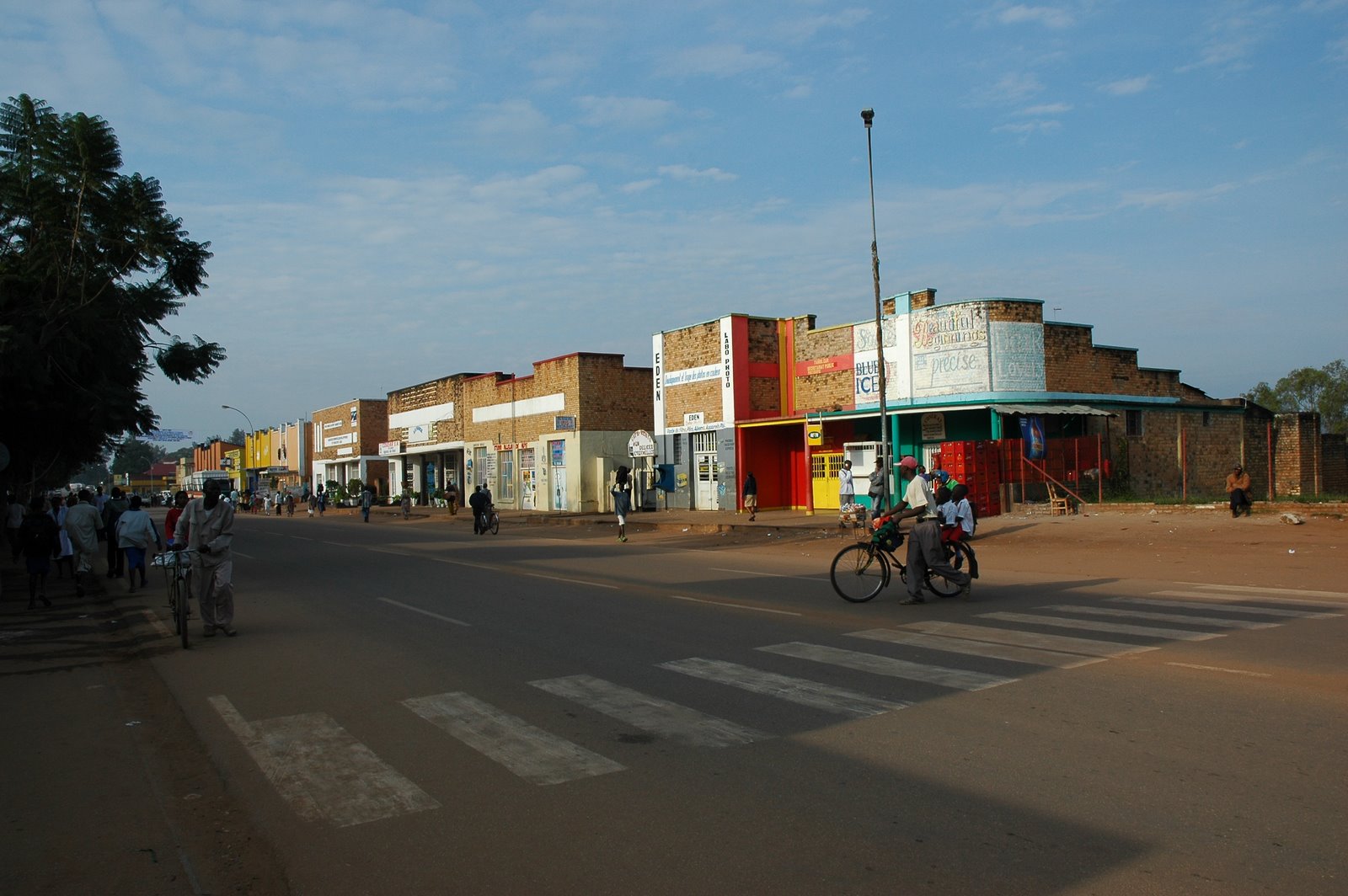
Education and research dominate Butare's economy—the University of Rwanda's main campus employs hundreds, and the National Institute of Scientific Research anchors intellectual work here. Beyond academia, agriculture supports surrounding communities, with the cooler highland climate (1,700m elevation) favoring coffee and tea cultivation. Job opportunities for expats are thin unless you're teaching, researching, or working for an NGO; most locals earn modest incomes tied to the university or small commerce.
Rent runs $138/month for a one-bedroom in the city center—genuinely cheap. Transport is basic: minibuses (matatus) connect to Kigali (2 hours, $3–5), but no local public transit exists; a motorcycle taxi costs $0.50–1 per ride. Healthcare is functional but limited; serious issues require Kigali. French and Kinyarwanda dominate; English is rare outside the university. Bureaucracy for residency is straightforward compared to other African cities, though visa runs to Uganda are common.
Weekends mean hiking nearby hills, visiting the Ethnographic Museum, or catching Mukura Victory Sports matches at Stade Huye. The expat community is tiny—maybe 50–100 people—mostly teachers and researchers. Food is simple: beans, plantains, local fish; restaurants are sparse. Butare suits academics, researchers, or people seeking genuine quiet and low cost over nightlife and convenience.
Estimate the cost of moving to Butare, Rwanda
Get a free moving cost estimate for moving to Butare, Rwanda. Takes 10 seconds.
How much are you shipping?
When are you moving?
Powered by Sirelo. Free quotes from international movers.
🏚️ Cost of Living
💰 Budgets and Costs
$295/mo, one person, rent included
Selected: budget lifestyle
Butare on a budget budget comes to about $295 a month for one adult, with $95.00 of that going to rent. Beyond rent the estimate covers $44.00 on groceries, $11.00 on dining out, $23.00 on entertainment and lifestyle, $112 on utilities and connectivity and $10.00 on transport.
Rent
$95.00/mo
1BR outside the centre
Groceries
$44.00/mo
75% of mid-range grocery spend
Dining out
$11.00/mo
4 inexpensive meals
Entertainment & lifestyle
$23.00/mo
1 cinema trip, 8 cappuccinos
Utilities & connectivity
$112/mo
utilities, mobile, internet
Transport
$10.00/mo
Monthly pass
Budgets (excl. rent)
Single person$200/mo
Excludes rent. The total above is all-in, rent included.
$364/mo, one person, rent included
Selected: mid-range lifestyle
Butare on a mid-range budget comes to about $364 a month for one adult, with $95.00 of that going to rent. Beyond rent the estimate covers $59.00 on groceries, $27.00 on dining out, $61.00 on entertainment and lifestyle, $112 on utilities and connectivity and $10.00 on transport.
Rent
$95.00/mo
1BR outside the centre
Groceries
$59.00/mo
Staples basket scaled to a full month
Dining out
$27.00/mo
10 inexpensive meals
Entertainment & lifestyle
$61.00/mo
gym, 2 cinema trips, 12 cappuccinos
Utilities & connectivity
$112/mo
utilities, mobile, internet
Transport
$10.00/mo
Monthly pass
Budgets (excl. rent)
Single person$269/mo
Excludes rent. The total above is all-in, rent included.
$538/mo, one person, rent included
Selected: comfortable lifestyle
Butare on a comfortable budget comes to about $538 a month for one adult, with $138 of that going to rent. Beyond rent the estimate covers $83.00 on groceries, $108 on dining out, $87.00 on entertainment and lifestyle, $112 on utilities and connectivity and $10.00 on transport.
Rent
$138/mo
1BR in the centre
Groceries
$83.00/mo
140% of mid-range grocery spend
Dining out
$108/mo
6 inexpensive meals + 6 mid-range meals
Entertainment & lifestyle
$87.00/mo
gym, 4 cinema trips, 20 cappuccinos
Utilities & connectivity
$112/mo
utilities, mobile, internet
Transport
$10.00/mo
Monthly pass
Budgets (excl. rent)
Single person$400/mo
Excludes rent. The total above is all-in, rent included.
Estimates for one adult, built from this city's average prices and the usage shown for each tier. Your spending will differ with how often you eat out and where you live.
A 1BR in the center runs about $137.69/mo. If your income is in another currency, bank FX fees add up. A multi-currency account can cut that cost.
Butare is genuinely one of Rwanda's safer cities, with a calm, orderly atmosphere that reflects the country's post-conflict stability efforts. Walking during daylight is straightforward; evening strolls are generally safe in central areas, though most expats exercise normal caution after dark. The city feels secure compared to many African urban centers, with visible police presence and community-oriented policing that contributes to low violent crime rates.
Petty theft and pickpocketing occur but are uncommon compared to regional peers. Avoid displaying expensive electronics, jewelry, or large cash amounts in crowded markets. Scams targeting foreigners are rare here; the main risks are opportunistic theft in less-populated areas after dark and occasional motorcycle taxi disputes. Solo female travelers report feeling safer in Butare than in Kigali, though standard precautions apply—use registered taxis, avoid isolated routes at night, and stay aware in crowded spaces.
Rwanda maintains strong political stability and low corruption relative to the region, with reliable police and functioning institutions. Butare, as a university town and cultural hub, has minimal protest activity. The main consideration is Rwanda's complex history; expats should approach discussions of politics and ethnicity with sensitivity. Overall, Butare is a genuinely safe choice for remote workers or retirees seeking a quiet, stable African base with reliable infrastructure and low crime.
While technically in Kigali, Impact Hub is the most established coworking brand in Rwanda and likely used by remote workers in Butare who travel to Kigali periodically. It offers a collaborative environment, workshops, and networking events, making it suitable for expats seeking community.
Similar to Impact Hub, kLab is located in Kigali but is a key tech and innovation hub in Rwanda. Remote workers in Butare may find it valuable for occasional visits to Kigali for networking and accessing specialized resources. It focuses on technology and entrepreneurship.
See how Butare's digital nomad life compares with Byumba
🧳 Expat Life
English Proficiency
Limited
Expat Community
Small
Top Neighborhoods
Taba
Banks Nearby
8
ATMs Nearby
2
Expat Life Notes
Rwanda's intellectual heart. safe and quiet but minimal expat social life outside academia.
Pros
✓ Safest and quiet
✓ Academic vibe
✓ Rich history
Cons
✗ Isolated
✗ Limited services
✗ Language barrier
🏘️ Neighborhoods in Butare
Areas of Butare that expats often consider.
Conditions can change from one block to the next, and these descriptions are general guides, not safety assessments. Before choosing where to stay or live, check current travel advisories, talk to people who live there, and visit in person if you can.
Ngoma
Central, bustling, commercial hub
Ngoma is the heart of Butare, offering easy access to shops, restaurants, and transportation. It's a lively area, popular with students and locals, but can be noisy. While convenient, expect higher prices and more traffic compared to quieter residential areas.
Tumba
Residential, quiet, university area
Home to the University of Rwanda's Huye Campus, Tumba is a relatively quiet residential area with a large student population. It offers a more relaxed atmosphere than Ngoma, with affordable housing options. Walkability is good, and it's easy to find local shops and services.
Save
Historic, religious, peaceful
Save is known for its historic Catholic church and monastery, offering a tranquil and culturally rich environment. It's further from the city center, providing a more rural feel. While less expat-focused, it's a good option for those seeking peace and quiet and immersion in local culture.
Cyayi
Residential, developing, affordable
Cyayi is a developing residential area on the outskirts of Butare, offering more affordable housing options. It's less developed than central areas, with fewer amenities and services. Transportation can be a challenge, but it provides a more authentic Rwandan living experience.
Matyazo
Quiet, residential, family-friendly
Matyazo is a residential neighborhood known for being relatively quiet and safe, making it popular with families. It's located close to some schools and has a mix of housing options. While not as bustling as Ngoma, it offers a comfortable living environment with good access to amenities.
Gishamvu
Rural, agricultural, traditional
Gishamvu is a more rural area outside of Butare, characterized by agriculture and traditional Rwandan life. Housing is very affordable, but amenities are limited, and transportation is essential. It's suitable for those seeking a truly immersive experience and a slower pace of life.
Page 1 of 2
Could living/working in Butare cut years off your work life?
With a 1-bedroom in the center at $138/mo, your FIRE number here might be much lower than you think.
Butare has a population of approximately 19,937 people.
A single person can expect to spend around $344 per month in Butare, including rent. A 1-bedroom apartment in the city center costs approximately $138/month.
The nearest airport to Butare is BTQ, approximately 0.4km away.
Butare is considered relatively safe, with a safety index of 72.0. As with any city abroad, expats should research specific neighborhoods before committing to a location.
Butare has an average internet speed of 25 Mbps. It is considered a well-established digital nomad destination.
Mobile data (MTN, Airtel) is available but inconsistent; speeds average 5–15 Mbps. Fixed broadband exists but is expensive ($40–60/month) and still unreliable. Kigali is significantly better. If you need stable connectivity, Butare is risky.
Rwanda offers a 90-day tourist visa on arrival ($50). For longer stays, you'll need a work permit (through an employer) or a residence permit. Most expats do visa runs to Uganda every 90 days. The process is straightforward but requires patience at immigration.
It's minimal. Most expats are university staff or NGO workers who know each other. There are no expat bars or organized meetups. If you're seeking community, you'll build it through work or church. Kigali, 2 hours away, has a larger expat scene if you need occasional escape.
Butare is very affordable. Expect to pay around $300-$500 USD per month for rent in a decent apartment, groceries are cheap at local markets, and eating out at local restaurants costs just a few dollars per meal. You can easily live comfortably on a budget of $1000-$1500 USD per month.
For long-term stays, you'll likely need to apply for a residence permit. The Rwandan Directorate General of Immigration and Emigration website has the most up-to-date information. Consider consulting with an immigration lawyer in Kigali to navigate the process smoothly.
Healthcare in Butare is basic, and you'll likely need to travel to Kigali for specialized care. While there are some English-speaking doctors, it's beneficial to learn some basic French or Kinyarwanda. Consider getting comprehensive international health insurance that covers medical evacuation.
Moto-taxis (motorcycle taxis) are the most common and affordable way to get around Butare. Regular taxis are also available, but more expensive. Walking is feasible in some areas, but distances can be significant. Public buses connect Butare to other cities.
While Kinyarwanda is the primary language, French is also widely spoken. English proficiency is growing, especially among younger people and in tourist-related businesses. Learning some basic Kinyarwanda phrases will greatly enhance your experience and interactions with locals.
Coworking spaces are limited in Butare itself. Most digital nomads head to Kigali (about a 2-3 hour bus ride) for more established coworking options. However, some cafes in Butare offer decent Wi-Fi and a workspace atmosphere.
As a US citizen, you're still required to file US taxes even when living abroad. The Foreign Earned Income Exclusion (FEIE) can help you exclude a certain amount of your income from US taxes. Also, be aware of FBAR and FATCA reporting requirements for foreign bank accounts.
For expats, areas near the University of Rwanda or the city center are popular. These areas offer a mix of housing options and are close to amenities. Nyamabuye is another option, offering a quieter residential feel.
Butare has a tropical highland climate, with pleasant temperatures year-round. Expect average temperatures in the 60s and 70s Fahrenheit. There are two rainy seasons: March-May and September-November. Pack layers, as evenings can be cool.
Opening a bank account can be challenging and requires patience. You'll typically need your passport, visa, and proof of address. Several banks operate in Butare, including Bank of Kigali and Equity Bank. Be prepared for some bureaucracy.
Yes, $2000 USD per month is more than enough to live very comfortably in Butare. You'll be able to afford a nice apartment, eat well, and enjoy local activities. You'll also have some money left over for travel or savings.
Yes, ATMs are available in Butare, particularly at banks and shopping centers. However, it's always a good idea to inform your bank that you'll be traveling to Rwanda to avoid your card being blocked. Expect to pay some ATM fees.
Rwanda's investment climate is developing, with opportunities in sectors like agriculture, tourism, and technology. However, it's essential to do thorough research and understand the local regulations. Consider consulting with a financial advisor familiar with Rwandan investments.
Cost-of-living and visa updates for Butare and the rest of Rwanda. Free with RA Postcards.
By submitting your email address, you will receive a free subscription to RA Postcards and special offers from Rewire Abroad and our affiliates. You can unsubscribe at any time, and we encourage you to read more about our Privacy Policy.