Min Monthly Income
$2,000
Difficulty
Easy
Duration
1 months
Overview
Rwanda’s Digital Nomad Visa targets remote workers who earn their money outside Rwanda and do not enter the local labor market. The core filter is financial: you need at least 2,000 USD per month in verifiable income, and that must come from remote work as a contractor or self‑employed professional for non‑Rwandan clients or companies. Local employment is explicitly not allowed, so a US‑based software developer billing 4,000 USD/month to foreign clients qualifies, while someone planning to pick up a Rwandan payroll job does not. Savings requirements, accepted asset types, and whether Social Security or pension income are recognized are not publicly specified.
On paper this is a short-stay visa: official validity is 1 month (30 days) at a time, with renewal marked as possible. That makes it more of a rolling stay mechanism than a classic 1‑year digital nomad program. Processing time is not publicly specified, but the bureaucracy score is only 1/5 and the process is anchored by an online application and a modest 30 USD fee. There is no published minimum age beyond Rwanda’s general legal norms, and no requirement for an apostille, FBI background check, medical exam, in‑person interview, or local bank account.
Physical presence rules for this visa category and how they interact with tax residency are not publicly specified. You can assume you need to be in Rwanda to use a 30‑day entry, but there is no published limit on maximum consecutive absence or a specific day‑count requirement to keep renewing. Someone splitting time between Rwanda and, say, Kenya or South Africa will need to plan around 30‑day renewals rather than an annual multiple‑entry residence card.
Long‑term migration value is unclear: official guidance does not state whether this 1‑month, renewable status leads to permanent residency, nor how many years of this status would be credited toward citizenship. Years to permanent residency and years to citizenship are both not publicly specified. For anyone planning a 10‑year relocation with naturalization at the end, this is best viewed as a medium‑term landing pad or test‑drive rather than a documented path to a Rwandan passport.
The document burden is light by regional standards: health insurance that covers Rwanda is mandatory, but no apostilled police certificates, no FBI background check, and no medical exam are required. The main frictions are practical rather than legal: proving a consistent 2,000 USD/month income as a contractor or self‑employed worker, and dealing with 30‑day validity cycles if you plan to stay many months. With the application fee at just 30 USD and a renewal cost of 30 USD, the monetary friction is low.
This setup makes sense if you earn 2,500–6,000 USD/month from foreign contracting or self‑employment, want to avoid local employment completely, and are experimenting with Rwanda for 3–9 months with the option to roll renewals. It is a poor fit if you rely mainly on pension or Social Security income (not explicitly recognized here), want a clearly documented 5–10 year route to permanent residency, or need a single multi‑year residence card without monthly renewal admin.
Eligibility Requirements
Any nationality can apply for the Rwanda Digital Nomad Visa in principle, as the program is marked with nationality restrictions: all. In practice, applicants from sanctioned or diplomatically sensitive states such as Iran, North Korea, Syria, Cuba, and in some situations Russia can encounter banking hurdles, enhanced security checks, or outright refusal at consulates even if the legal framework does not bar them. Before gathering documents and paying the 30 USD fee, confirm current eligibility and any country‑specific conditions directly with the Directorate General of Immigration and Emigration of Rwanda (through the Irembo portal or official immigration channels).
Min Income
$2,000
Renewal Cost
$30/yr
Duration
1 months
1099 Contractor · Self-Employed
Max 0% from local sources
Requirements Checklist
0 of 10 documents in hand
0%These take the longest, so start them first.
Request these while the slow items are in progress.
You only need these on the day you submit.
How and where to apply
Apply online through the official Rwanda Immigration portal at https://irembo.gov.rw/ from anywhere before travel. Upon approval, collect the e-Visa at a port of entry into Rwanda or at the Immigration headquarters in Kigali. Renewals are handled in-country at the Immigration Department.
Tax Information
Local tax regime
Rwanda’s tax regime for foreign‑sourced income under this visa is territorial, but Rwandan tax residents are taxed on worldwide income, and no special named regime (like NHR, non‑dom, or flat‑tax) applies. The promotional material for this visa in some secondary sources mentions tax exemption on foreign income, but that claim is not confirmed by official sources. As a result, a remote contractor earning 3,000 USD/month from a US company, dividends from ETFs in a US brokerage account, or rental income from property in Canada should assume these streams could be within Rwandan tax scope once they are considered tax resident, pending local advice.
Rwanda applies a general 5% withholding tax on capital gains from disposal of assets, which may extend to foreign-held investments realized while resident. If you sell 50,000 USD of index funds in a foreign brokerage while living in Rwanda on this visa, the official guidance does not state clearly whether those gains are exempt, taxed at standard income tax rates, or taxed only if remitted. FIRE‑oriented holders who plan to realize substantial gains should discuss this explicitly with a Rwandan tax advisor before triggering sales while present in Rwanda.
Rwanda treats individuals as tax resident once they spend 183 days or more in a tax year in the country. Rwanda in general uses physical presence and center‑of‑vital‑interests concepts, but this is not codified here, so someone rolling 30‑day stays through the year needs bespoke advice on when they cross into full tax‑resident status. Registering with the tax authority, obtaining a tax ID, and filing annual returns may still be required even though this guide does not detail those procedures.
No tax treaty exists between the US and Rwanda. That means an American relying on treaty‑based reductions for withholding on dividends, pensions, or Social Security cannot assume any specific protection and must check both IRS treaty tables and Rwandan bilateral agreements directly.
For US Citizens and Green Card Holders
US citizens and green card holders on Rwanda’s Digital Nomad Visa remain fully taxable by the IRS on worldwide income. Remote salary, self‑employment, and consulting income can be shielded in part using the Foreign Earned Income Exclusion (FEIE) on Form 2555. For 2026, up to 132,900 USD of earned income can be excluded if you meet either the Physical Presence Test (330 full days outside the US in any 12‑month period, including days in Rwanda) or the Bona Fide Residence Test in a foreign country. Given this visa’s short 1‑month validity with rolling renewals and no clear long‑term residence status, most users will rely on the Physical Presence Test rather than bona fide residence.
Foreign Tax Credits (FTC) on Form 1116 matter only if Rwanda actually taxes your income and the effective Rwandan rate on that income is above zero. If foreign‑source income ends up untaxed or lightly taxed locally, your FTC capacity will be limited, and FEIE plus careful sourcing decisions will carry more of the load. If Rwanda does tax your freelance or remote salary at, say, 20–30%, FTC can offset US tax on that same income stream, but not on exempt categories like Roth distributions.
FBAR (FinCEN 114) kicks in whenever the aggregate value of your non‑US financial accounts exceeds 10,000 USD at any time during the year. If you open a Rwandan bank account, even though this visa does not formally require one, and hold material balances there, that account must be reported on FBAR and possibly FATCA Form 8938, depending on your total foreign assets. Non‑willful FBAR penalties start at a statutory 10,000 USD per violation, inflation-adjusted to about 16,700 USD as of 2026.
Realistically, you need two professionals if you plan to stay in Rwanda for more than a short trial: a US CPA specializing in expat taxation to calibrate FEIE vs FTC vs entity structure, and a local Rwandan tax advisor to clarify tax‑residency triggers, filing obligations, and the treatment of foreign investments. The 1,500–3,000 USD spent in year one (as of 2026) on combined advice usually pays for itself in optimized elections, correct use of FEIE/FTC, and avoiding four‑ and five‑figure penalty exposures on FBAR/FATCA and local non‑compliance.
Living in Rwanda
COL Index vs NYC
38.9
Monthly Cost (excl. rent)
$411
1BR Rent (City Center)
$545
Safety Index
72.6
Healthcare Index
26.3
Quality of Life Index
88.9
Time Zone
UTC+02:00
Capital
Kigali
Population
13.0M
Official Languages
English, French, Kinyarwanda
Avg Internet Speed
62 Mbps
Public Transit Quality
Fair
With a budget covering rent and living costs, you'd need roughly $956/mo for a comfortable single-person lifestyle in Rwanda.See how far your money goes →
🏙️ Best Cities in Rwanda for Digital Nomads
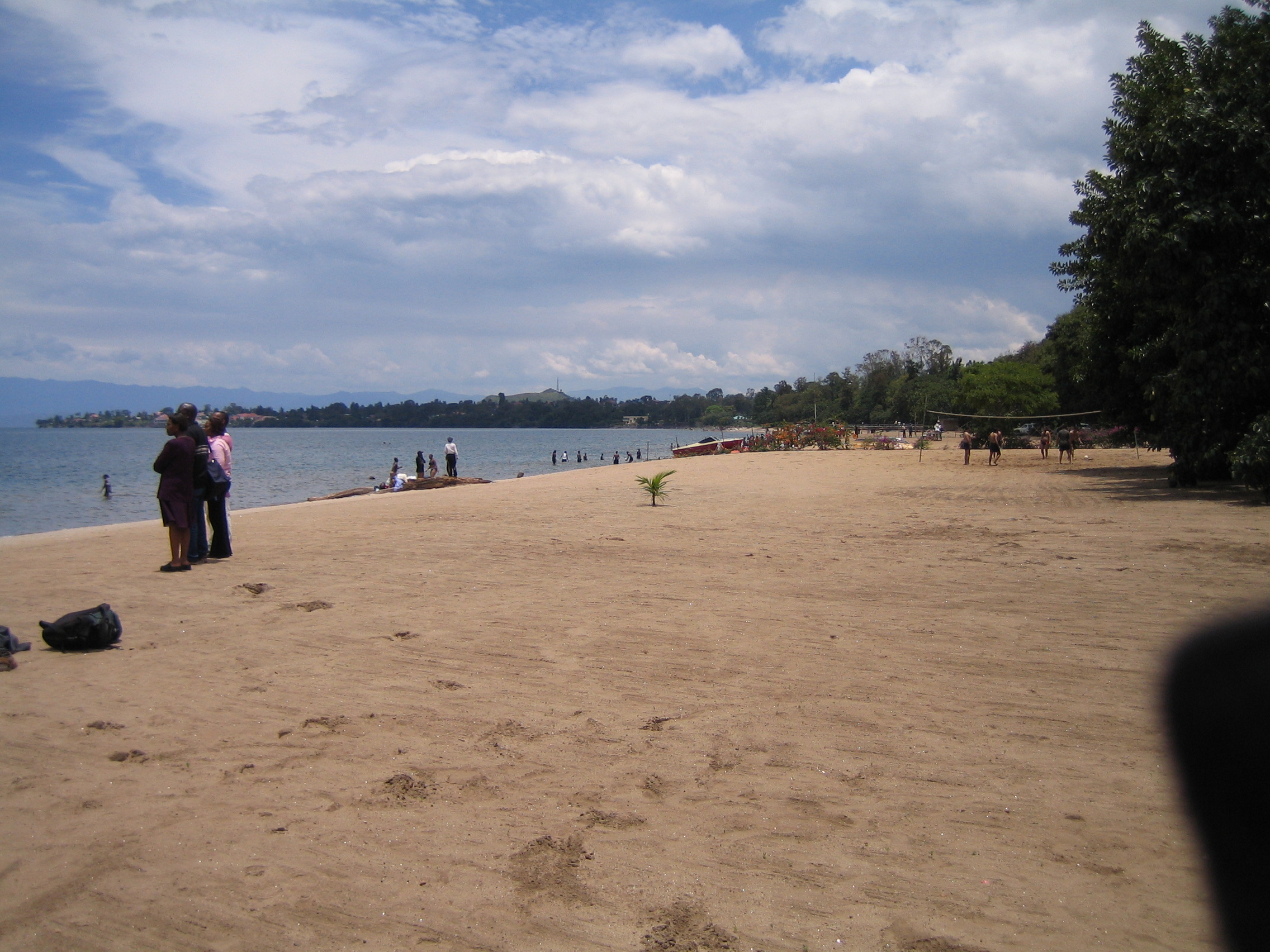 54
54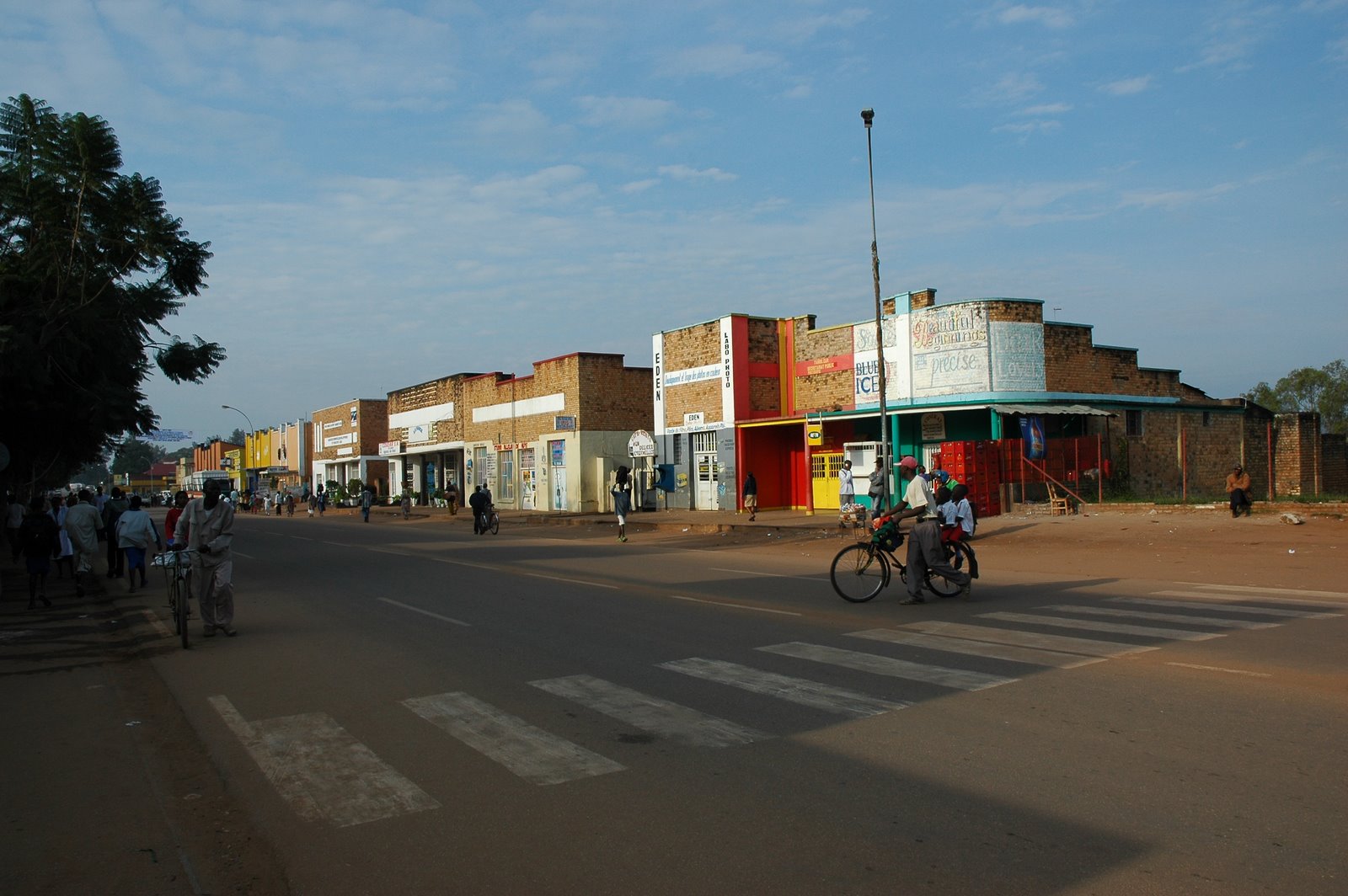 60
60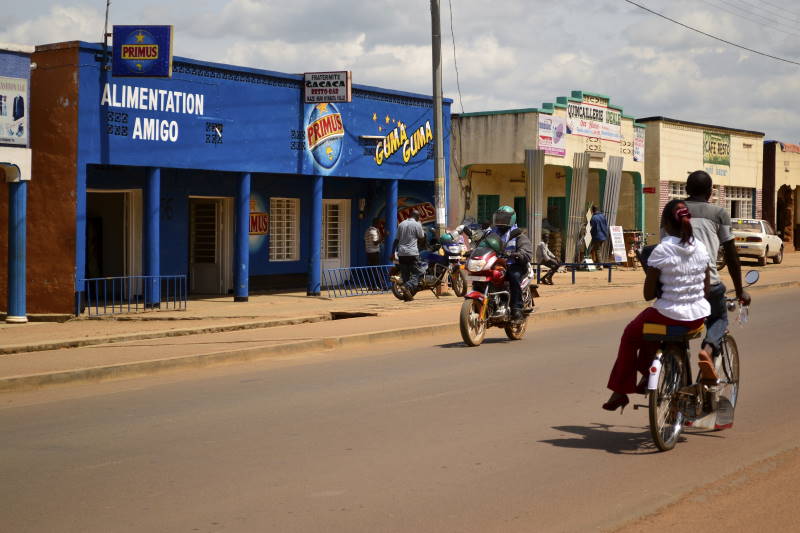 62
62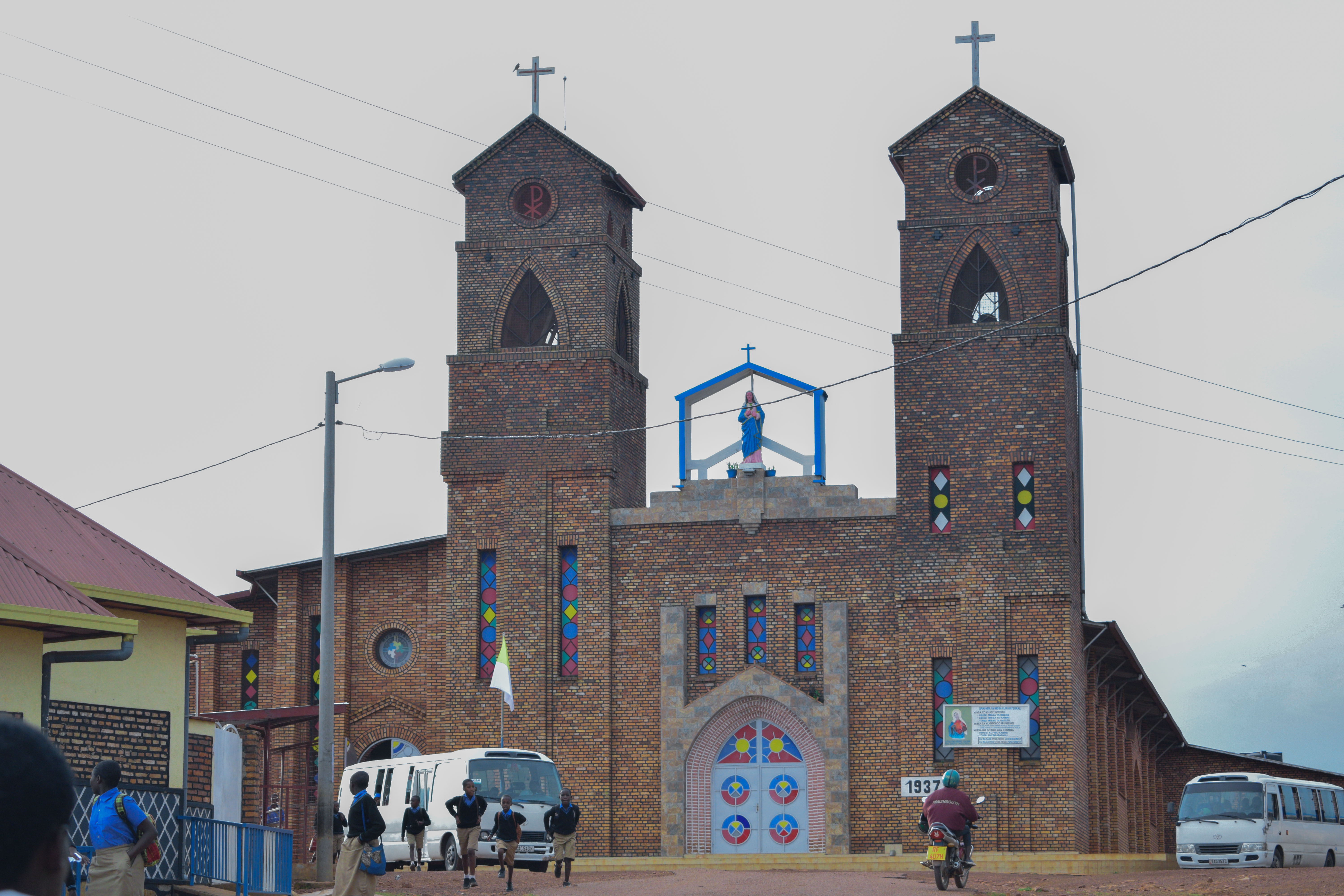 54
54 ✦ 75
✦ 75The housing and accommodation reality nobody puts in writing
There's no lease or hotel booking on the formal document list, which throws people off because they assume that means accommodation doesn't matter until after arrival. In practice it matters earlier than that. The application letter addressed to the Director General of Immigration and Emigration is supposed to explain the purpose and duration of your stay, and a vague letter that says "working remotely, staying several months" reads very differently from one that names a city, a rough timeline, and a concrete plan. Immigration officers reviewing e-visa requests, and the ones handling arrivals at the port of entry, respond better to specifics than to open-ended plans, even when specifics aren't formally required.
This becomes more pressing once you know the initial permit only runs one month. You're not settling into a year-long lease before you've even collected the e-visa, so the realistic move is to book accommodation for the first several weeks, something flexible enough to extend, and treat the permanent housing decision as a task for after you're through the first renewal cycle in Kigali. People who arrive with no address to give, no sense of neighborhood, and no short-term booking tend to spend their first week scrambling instead of working, which is a bad way to start a visa status that requires you to show up at the Immigration Department again almost immediately.
If you're planning to rent long-term, it's worth waiting until you've been through at least one renewal before signing anything with real commitment. Landlords in Kigali dealing with foreign renters aren't unfamiliar with short initial stays, and a month-to-month arrangement costs you a little in flexibility but saves you from being locked into a full year on a status you're still testing.
What happens between approval and actually holding a permit
The e-visa approval you get online isn't the end of the process, it's the beginning of a fairly tight loop. You apply through the Rwanda Immigration portal from wherever you're currently living, and once approved, you collect the actual e-Visa either at the port of entry or at Immigration headquarters in Kigali. That part is straightforward. What catches people off guard is that the initial permit only covers one month, so almost as soon as you've landed and settled into whatever short-term housing you arranged, you're back at the Immigration Department renewing.
The renewal itself is cheap and handled entirely in-country, thirty dollars each cycle, and the visa is designed to be renewed rather than treated as a one-time approval. But that also means your first month in Rwanda has to include, alongside setting up a workspace and finding your footing, a return trip to Immigration with whatever documentation they want to see again. Because there's no interview and no medical exam built into this process, the renewal tends to move faster than people expect once they've done it once. The friction is almost entirely in not knowing the rhythm the first time through.
This is the part of the visa that rewards planning ahead rather than reacting. If you know the permit resets every month, block out time on your calendar in Kigali rather than assuming you can quietly work through it. Missing a renewal window because you were deep in a client deadline is the kind of mistake that's entirely avoidable and entirely common.
The long-term path is a renewal cycle, not a residency track
On paper, this visa renews indefinitely, and at thirty dollars a cycle, staying for years is financially trivial compared to almost anywhere else offering a similar status. That's a real advantage for someone who wants to base themselves in Kigali for an extended stretch without the visa costs scaling the way permit costs do in other countries. But it's worth being honest about what indefinite renewal actually gets you. This is a nomad status, built around foreign income and remote work, and nothing in how it's structured suggests it converts into permanent residency or citizenship the way employer-sponsored or investment routes sometimes do elsewhere.
Anyone thinking about Rwanda as a longer-term base, not just a two or three year stint, needs to separate two different questions. One is whether you can keep renewing this visa for as long as you want to stay, which the low cost and lack of an apparent cap make plausible. The other is whether you want the deeper commitments that come with actual residency status, property ownership rights, family sponsorship, eventual naturalization. Those are different legal categories, and nothing about accumulating renewals on a digital nomad visa moves you toward them. People who want that eventually have to make a deliberate switch into a different visa category built for it, and that transition isn't something this visa handles for you.
For a remote worker on a two or three year horizon, that distinction barely matters. For someone imagining Rwanda as a permanent home, it should shape the decision from month one rather than becoming a surprise in year four.
Choosing Rwanda over the obvious East African alternative
The comparison most people run is against Kenya's or Mauritius's remote work visas, and the honest answer depends on how much you value simplicity versus polish. Rwanda's application asks for no interview, no medical exam, no apostilled documents, and no FBI background check, just a police clearance from your home country and a fairly standard paper trail. That's a lighter lift than programs that stack on medical screening or notarization requirements, and for someone who wants to move fast without a lot of bureaucratic overhead, it's a real point in Rwanda's favor.
Where it asks more of you is in the rhythm after arrival. A one month initial permit followed by recurring renewals in-country is a different experience than a visa that grants six or twelve months upfront and lets you forget about immigration paperwork for a while. If your priority is minimizing how often you think about visa status once you've landed, a longer initial grant elsewhere might suit you better even if the upfront application is more demanding.
The honest way to frame this decision isn't Rwanda versus a specific competitor on a feature list, it's how much friction you're willing to take on after arrival in exchange for a lighter application and a truly low cost of staying compliant over time. If you're the kind of remote worker who doesn't mind a monthly errand to an Immigration office as the price of a cheap, low-friction visa, Rwanda's structure works in your favor. If you'd rather deal with more paperwork once and then not think about it again for the better part of a year, the comparison tips the other way.
Work Permissions
Application Steps
- 1
📋 Verify eligibility and gather basics
1-2 days
- 2
📄 Collect required documents
1-2 weeks
- 3
📋 Complete online application form
1 day
- 4
📬 Pay $30 application fee
Same day
- 5
⏳ Submit application and await review
- 6
🏛️ Collect e-Visa at entry or Kigali
Same day
- 7
🏛️ Apply for renewal before expiry
This visa requires proof of health insurance. Compare international plans before you apply.
Compare health insuranceWe may earn a commission at no cost to you.
Compare this visa
Curated comparisons that include this route.
Frequently Asked Questions
Click any question to expand the answer.
Ready to Apply?
Work with trusted visa specialists who handle the paperwork so you can focus on your move.
Get help with this visa →* We may earn a commission if you apply through our link
At a Glance
Last verified: October 9, 2026