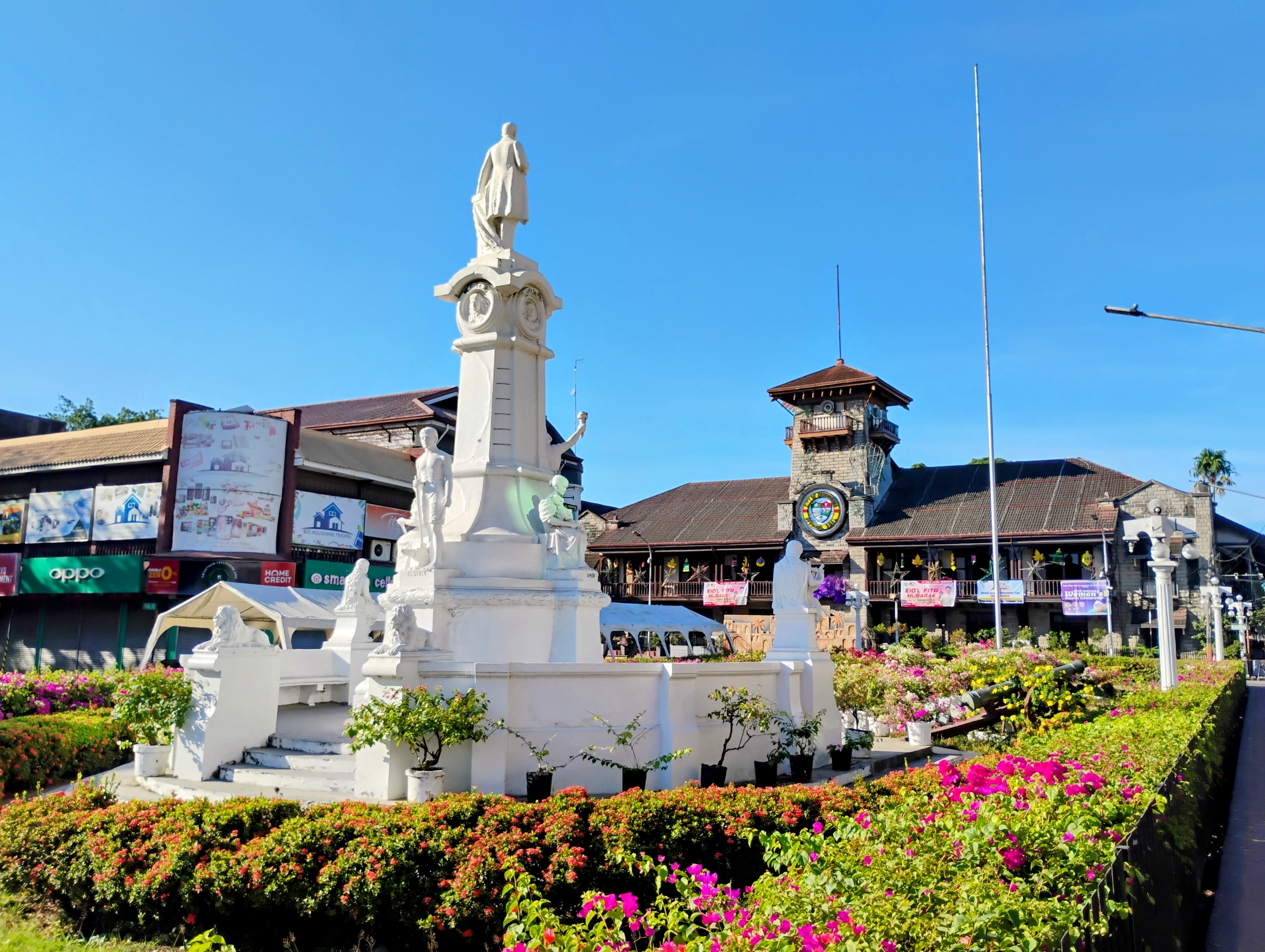
Fishing, coconut processing, and inter-island trade drive most of the formal economy here. The seaport is the city's economic spine — goods move through Zamboanga connecting western Mindanao to Manila and the Visayas, and that logistics activity supports warehousing, wholesale trade, and transport jobs. Manufacturing is present but not dominant. For expats, remote work or a location-independent income is the realistic path; local professional salaries are low, and the job market outside government, fishing, and retail is thin. This is not a city where you arrive and find a career.
A one-bedroom in the city center runs around $250/month, which is genuinely cheap, but factor in what you're getting: infrastructure is functional rather than polished, and power outages happen. Healthcare access is limited compared to Cebu or Davao — there are hospitals, but serious conditions mean a flight out. Chavacano (a Spanish-based creole), Cebuano, and Filipino are all spoken; English works in business contexts but daily life requires patience. Bureaucracy follows standard Philippine patterns: slow, paper-heavy, and occasionally opaque. Budget extra time for any government transaction.
The climate is hot and humid year-round, with meaningful rainfall — this is not a dry-season escape. Food is a genuine highlight: fresh seafood is cheap and excellent, and the local Chabacano cuisine is distinct from anything else in the Philippines. The expat community is small enough that you will not find a ready-made social infrastructure of coworking spaces and English-language meetups. The safety index of 40 reflects real historical security concerns in the region; the situation has stabilized considerably, but it warrants honest research before committing. This city suits budget-focused FIRE retirees or researchers with a specific reason to be in western Mindanao — not lifestyle nomads chasing convenience.
Estimate the cost of moving to Zamboanga, Philippines
Get a free moving cost estimate for moving to Zamboanga, Philippines. Takes 10 seconds.
How much are you shipping?
When are you moving?
Powered by Sirelo. Free quotes from international movers.
🏚️ Cost of Living
💰 Budgets and Costs
$405/mo, one person, rent included
Selected: budget lifestyle
Zamboanga on a budget budget comes to about $405 a month for one adult, with $64.00 of that going to rent. Beyond rent the estimate covers $84.00 on groceries, $5.00 on dining out, $23.00 on entertainment and lifestyle and $229 on utilities and connectivity.
Rent
$64.00/mo
1BR outside the centre
Groceries
$84.00/mo
75% of mid-range grocery spend
Dining out
$5.00/mo
4 inexpensive meals
Entertainment & lifestyle
$23.00/mo
1 cinema trip, 8 cappuccinos
Utilities & connectivity
$229/mo
utilities, mobile, internet
Budgets (excl. rent)
Single person$341/mo
Excludes rent. The total above is all-in, rent included.
$493/mo, one person, rent included
Selected: mid-range lifestyle
Zamboanga on a mid-range budget comes to about $493 a month for one adult, with $64.00 of that going to rent. Beyond rent the estimate covers $113 on groceries, $14.00 on dining out, $73.00 on entertainment and lifestyle and $229 on utilities and connectivity.
Rent
$64.00/mo
1BR outside the centre
Groceries
$113/mo
Staples basket scaled to a full month
Dining out
$14.00/mo
10 inexpensive meals
Entertainment & lifestyle
$73.00/mo
gym, 2 cinema trips, 12 cappuccinos
Utilities & connectivity
$229/mo
utilities, mobile, internet
Budgets (excl. rent)
Single person$429/mo
Excludes rent. The total above is all-in, rent included.
$655/mo, one person, rent included
Selected: comfortable lifestyle
Zamboanga on a comfortable budget comes to about $655 a month for one adult, with $128 of that going to rent. Beyond rent the estimate covers $158 on groceries, $37.00 on dining out, $103 on entertainment and lifestyle and $229 on utilities and connectivity.
Rent
$128/mo
1BR in the centre
Groceries
$158/mo
140% of mid-range grocery spend
Dining out
$37.00/mo
6 inexpensive meals + 6 mid-range meals
Entertainment & lifestyle
$103/mo
gym, 4 cinema trips, 20 cappuccinos
Utilities & connectivity
$229/mo
utilities, mobile, internet
Budgets (excl. rent)
Single person$527/mo
Excludes rent. The total above is all-in, rent included.
Estimates for one adult, built from this city's average prices and the usage shown for each tier. Your spending will differ with how often you eat out and where you live.
A 1BR in the center runs about $127.52/mo. If your income is in another currency, bank FX fees add up. A multi-currency account can cut that cost.
Zamboanga has a mixed reputation among expats—it's not as cosmopolitan as Manila or Cebu, which affects both safety perception and actual risk. Daytime movement is generally manageable in commercial areas, but nighttime walkability is limited; most expats rely on taxis or personal transport after dark. The city feels less polished than major Philippine hubs, and petty crime is more visible, creating a cautious rather than relaxed atmosphere.
Petty theft, bag snatching, and pickpocketing occur regularly, especially in markets and crowded areas like Paseo de Santa Rosa. Violent crime is less common but not absent; armed robbery and carjacking happen occasionally. Solo female travelers should avoid walking alone at night and be cautious in peripheral neighborhoods. Scams targeting foreigners exist but are less sophisticated than in tourist zones. Use registered taxis and avoid displaying valuables.
Zamboanga has a history of militant activity and occasional security incidents, though major violence has decreased in recent years. Corruption among police is documented, so don't expect reliable law enforcement in all situations. The city is generally stable for residents who follow precautions, but it requires more vigilance than typical expat destinations. It's suitable for those comfortable with moderate risk and willing to adapt to local safety practices, not ideal for those seeking a fully secure, hassle-free environment.
Zamboanga has a safety index of 40/100. Petty theft and lost belongings are the most common problems for newcomers. Compare travel insurance before you go.
Located in the Gateway Place building, this Regus offers a professional environment with reliable internet and administrative support. Its central location provides easy access to restaurants and other amenities, making it suitable for expats.
Workplace Zamboanga offers a more community-focused coworking environment. It's a good option for digital nomads looking for a budget-friendly space with a collaborative atmosphere in the heart of the city.
See how Zamboanga's digital nomad life compares with Roxas
🧳 Expat Life
English Proficiency
Limited
Expat Community
Very Few
Top Neighborhoods
Pasonanca, Santa Maria
Banks Nearby
56
ATMs Nearby
58
Expat Life Notes
A beautiful city with a unique Spanish-creole heritage, but regional security concerns keep expat numbers low.
Pros
✓ Unique culture/language
✓ Low cost of living
Cons
✗ Safety and security advisories
✗ Power outages
✗ Limited international services
🏘️ Neighborhoods in Zamboanga
Areas of Zamboanga that expats often consider.
Conditions can change from one block to the next, and these descriptions are general guides, not safety assessments. Before choosing where to stay or live, check current travel advisories, talk to people who live there, and visit in person if you can.
Guiwan
Residential, suburban, family-oriented
Guiwan is a large residential area with a mix of housing types. It's generally quieter than the city center, making it suitable for families. Transportation relies on jeepneys and tricycles; English proficiency is lower here.
Pasonanca
Green, peaceful, slightly upscale
Pasonanca is known for its parks and green spaces, including the Pasonanca Park. It's a more affluent area with larger homes and a relaxed atmosphere. While not a huge expat hub, it's relatively easy to navigate for English speakers and offers a higher quality of life.
Tetuan
Commercial, bustling, central location
Tetuan is a central commercial district with markets, shops, and restaurants. It's a busy and vibrant area, offering easy access to amenities. While convenient, it can be noisy and crowded; English is commonly spoken.
Canelar
Mixed residential, near airport
Canelar is located near Zamboanga International Airport. It's a mixed residential and commercial area with a more local feel. While affordable, it's further from the city center and less geared towards expats; transportation is mainly via jeepney and tricycle.
Santa Maria
Coastal, fishing village vibe
Santa Maria is a coastal barangay with a strong fishing community. It offers a more traditional Filipino experience. Housing is generally more basic and affordable, but English proficiency is limited and amenities are less developed.
Baliwasan
Beach access, relaxed, developing
Baliwasan offers beach access and a more laid-back atmosphere. It's undergoing development, with some new resorts and restaurants. It's becoming more popular with tourists and expats seeking a quieter lifestyle; English is spoken in tourist areas.
Page 1 of 2
Could living/working in Zamboanga cut years off your work life?
With a 1-bedroom in the center at $128/mo, your FIRE number here might be much lower than you think.
Zamboanga has a population of approximately 1,018,849 people.
A single person can expect to spend around $319 per month in Zamboanga, including rent. A 1-bedroom apartment in the city center costs approximately $128/month.
The nearest airport to Zamboanga is ZAM, approximately 2.7km away.
Zamboanga is considered moderate in terms of safety, with a safety index of 40.0. As with any city abroad, expats should research specific neighborhoods before committing to a location.
Zamboanga has an average internet speed of 20 Mbps. It is not yet considered a well-established digital nomad destination.
The security situation has improved significantly from its worst years, but Zamboanga has a real history of conflict and its safety index sits at 40 — below most Philippine cities expats typically choose. Most residents go about daily life without incident, but you should research current conditions specifically before moving, register with your embassy, and avoid certain peripheral areas. It is not comparable in safety or comfort to Cebu, Davao, or Manila.
Chavacano — a Spanish-based creole unique to Zamboanga — is the dominant local language, alongside Cebuano, Filipino (Tagalog), Tausug, and Sama. English is understood in business and government settings, but daily interactions in markets and neighborhoods will often be in Chavacano or Cebuano. Learning basic Chavacano phrases will make life noticeably easier and earns genuine goodwill from locals.
Davao wins on almost every practical metric: better healthcare, larger expat community, more developed infrastructure, stronger job market, and a higher safety index. Zamboanga's main advantage is lower rent — around $250/month versus $350–500 in Davao — and a more off-the-beaten-path character. If you need reliable hospitals, coworking spaces, or a social scene, Davao is the better choice. Zamboanga makes sense if you have a specific reason to be there and a remote income.
You can find apartments in Zamboanga City for a range of prices. Expect to pay around $200-$400 USD per month for a decent apartment in areas like Tetuan or Pasonanca. Luxury condos might run you $500-$800 USD.
The most common options for Americans are the tourist visa (extendable for up to 36 months), or exploring retirement visas if you're over 50 and meet the financial requirements. The Special Resident Retiree's Visa (SRRV) is a popular choice, requiring a deposit with a Philippine bank.
While not as prevalent as in Manila or Cebu, you can find English-speaking doctors, especially at major hospitals like Zamboanga Doctors Hospital. Healthcare quality is generally adequate for routine care, but for serious conditions, some expats prefer to travel to Manila or Singapore.
Generally, areas like Pasonanca and Tetuan are considered safer and more expat-friendly than some of the more crowded downtown areas. It's always wise to be aware of your surroundings, regardless of the neighborhood.
While Chavacano is the local dialect, English is widely understood, especially in business and tourism. You'll find most people can communicate effectively in English, making daily life easier.
Major Philippine banks like BDO and Metrobank have branches in Zamboanga City. For international transfers, services like Wise (formerly TransferWise) and Remitly are often more cost-effective than traditional bank transfers. ATM fees can vary, so check with your bank.
Internet speeds in Zamboanga City can be variable. While fiber optic is becoming more common, speeds might not be as consistently fast as in major Western cities. Expect speeds adequate for most remote work tasks, but be prepared for occasional outages.
The expat community in Zamboanga City is smaller compared to places like Manila or Cebu. However, you can connect with other expats through online forums and local social groups. Don't expect a huge scene, but there are definitely people to connect with.
Zamboanga City has a tropical climate, meaning it's generally hot and humid year-round. The wet season is from June to November, so be prepared for rain during those months. Temperatures typically range from 75°F to 90°F (24°C to 32°C).
Jeepneys are the most common and affordable mode of transport. Tricycles are also readily available for shorter distances. Taxis and ride-hailing apps like Grab are also options, though less common than in larger cities.
For a comfortable retirement, you could likely live on $1,200 - $1,800 USD per month, depending on your lifestyle. This would cover rent, food, utilities, and some leisure activities. It's significantly cheaper than many Western countries.
Zamboanga City offers a mix of local and international cuisine. You can enjoy delicious seafood at Alavar Seafood Restaurant or try local specialties at Dennis Coffee Garden. Expect to pay around $5-$15 USD for a meal at a mid-range restaurant.
Coworking spaces are still developing in Zamboanga City. While dedicated coworking spaces might be limited, some cafes and business centers offer suitable environments for remote work. Check local listings for the most up-to-date options.
Zamboanga City offers beautiful beaches like Once Islas, perfect for island hopping. You can also visit the historic Fort Pilar Shrine or explore the Pasonanca Park. The city also has several malls for shopping and entertainment.
As a US citizen, you're still required to file US taxes even when living abroad. The Foreign Earned Income Exclusion (FEIE) can help you exclude a certain amount of your income from US taxes. Also, be aware of FBAR requirements for reporting foreign bank accounts.
Cost-of-living and visa updates for Zamboanga and the rest of Philippines. Free with RA Postcards.
By submitting your email address, you will receive a free subscription to RA Postcards and special offers from Rewire Abroad and our affiliates. You can unsubscribe at any time, and we encourage you to read more about our Privacy Policy.