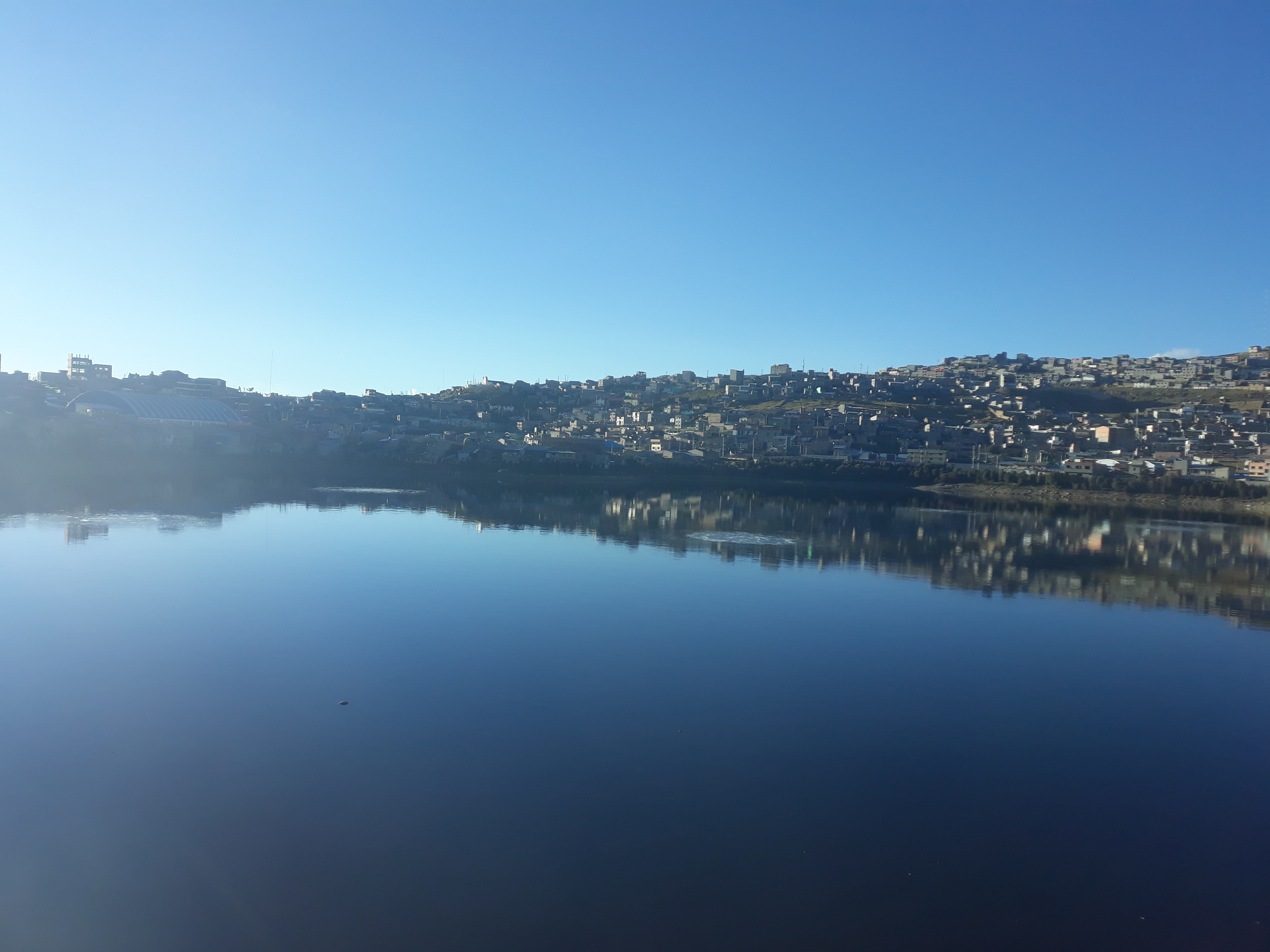
Mining dominates everything here—silver, copper, zinc, and lead extraction through Machcan, Atacocha, and Milpo are the only real employers. If you're not working in mining, you're serving people who do. The formal job market is thin; most expats arrive on company contracts or remote work. Local wages are low, but cost of living is lower. This isn't a place to build a career unless you're in extractive industries.
Rent runs $220/month for a one-bedroom downtown, but that's almost irrelevant given the real friction: altitude sickness hits hard at 4,330 meters, healthcare is basic (serious issues mean flying to Lima), and Spanish is essential—English barely exists. Lead and cadmium contamination from mining operations is documented and serious; water quality is questionable. The railway to Lima exists but takes 12+ hours. Bureaucracy is standard Peruvian chaos. Winter temperatures drop below freezing regularly.
Expect brutal cold, thin air, and gray industrial landscape—this isn't a lifestyle destination. Weekends mean hiking or driving to lower elevations for relief. The expat community is tiny and transient, mostly mining families. Social life revolves around company compounds and the occasional restaurant. Cerro de Pasco suits only those with mining work, exceptional altitude tolerance, and no illusions about living in a polluted industrial city.