Min Monthly Income
$450
Application Fee
$30
Duration
12 months
Overview
For Peru’s Digital Nomad Visa, the standout feature is how little is formally disclosed: there is a minimum monthly income of USD 450 as of 2026, no stated savings requirement, and an application fee of USD 30, though renewal cost is not specified. In practice that means a FIRE retiree living on $4,000/month from ETF dividends or a remote employee on a $6,000/month W‑2 salary could qualify on the same footing as a freelancer, as long as the work stays foreign. Local employment is explicitly prohibited, and 0% of your total income can legally come from Peruvian sources under this status.
The permission is granted for 12 months and is officially renewable, so a multi‑year stay is possible, but there is no publicly specified physical presence requirement or maximum consecutive absence. Compare that to the 183‑day tax‑residency trigger used by Peru’s tax code: you can hold the digital nomad visa without any defined minimum days in the country, but tax residency is a separate test, not described in the visa rules. Anyone planning to split their year between, say, Peru and Mexico needs to plan around that 183‑day standard, because the immigration status itself does not tell you how often you must be in Peru.
Long‑term planners will notice the lack of a clearly defined path to permanent residency or citizenship. The data for “Leads to PR,” “Years to PR,” and “Years to Citizenship” means you should assume this is a stay‑limited residence that can be renewed but does not, by itself, guarantee an upgrade to permanent status. That contrasts with something like Portugal’s D7, which has a codified 5‑year route to PR and citizenship; Peru’s scheme is more of a revolving 12‑month permit without a published endgame.
On the upside, paperwork friction is modest: there is no apostille requirement, no FBI background check, no medical exam, and an interview is required at the visa level. The bureaucracy score of 1/5 reflects that relative simplicity, though the absence of a published processing time means you cannot reliably plan around a fixed 30‑ or 60‑day window. You still need to prove remote work or foreign income and assemble a standard evidentiary package, but you are not wading through the heavy document legalization that bogs down programs like Italy’s elective residency.
This setup makes most sense if you already earn at least $3,000–$4,000/month from foreign‑source salary, freelance income, or investment income and want a renewable 12‑month base without committing to a PR track. It is a poor fit if your long‑term plan is a clear, statute‑backed progression to permanent residency and eventual citizenship within a fixed 5–7 year horizon.
Eligibility Requirements
Any nationality can apply in principle for Peru’s Digital Nomad Visa, as the nationality restrictions field is set to “all,” so there is no published whitelist limited to OECD or EU countries. In practice, applicants from sanctioned or diplomatically strained states such as Iran, Syria, North Korea, and in some cases Russia or Cuba, can encounter consulates that decline applications or banks that refuse to open accounts, even though the immigration rules don’t explicitly bar them. Before assembling documents or planning a move, confirm your specific passport’s eligibility and any consular nuances directly with Peru’s immigration authority, Superintendencia Nacional de Migraciones, rather than relying solely on third‑party visa sites.
Min Income
$450
Application Fee
$30
Duration
12 months
Max 0% from local sources
Requirements Checklist
0 of 12 documents in hand
0%These take the longest, so start them first.
Request these while the slow items are in progress.
You only need these on the day you submit.
Extra requirements for this visa
- In-person interview required
Tax Information
Local tax picture for Peru digital nomads
Peru’s tax system itself is worldwide for residents and source‑based for non‑residents, but the digital nomad visa does not come with a special, named regime, and the visa data does not specify a tax regime type for this category. Practically, foreign‑source income such as a US remote salary, ETF dividends from a Canadian brokerage, or rental income from a UK property is taxed in Peru only once you become a Peruvian tax resident. Non‑residents are taxed on Peruvian‑source income, which you are not allowed to have under this visa because local work is banned and 0% of your income can be locally sourced.
For FIRE readers, the key question is capital gains: if you sell index funds or ETFs held in a foreign brokerage while considered a Peruvian tax resident, Peruvian law generally taxes worldwide income, but this visa’s facts do not publicly specify any special treatment or rate for those foreign capital gains. There is no indication of an exemption, preferential rate, or remittance‑based rule specific to digital nomads. Anyone expecting to realize large gains from foreign portfolios while resident in Peru needs bespoke local advice on how the standard income tax rules apply, because the visa framework itself is silent.
Tax residency in Peru is generally triggered by spending more than 183 days in the country within a 12‑month period, but the visa rules do not specify a “Tax Status Deadline” or whether any registration is linked to the visa’s issue date. That means your immigration status (a 12‑month renewable permit) and your tax status (resident vs non‑resident from day 184) can diverge. There is also no disclosed information about any special preferential regime, so you should not assume a Portugal‑style NHR or Italy‑style flat‑tax analogue exists for digital nomads.
The visa data does not specify local filing obligations: there is no explicit requirement in this dataset to open a local bank account, obtain a tax ID, or file annual returns just because you hold the digital nomad visa. In practice, once you become tax resident and have any income within Peru’s tax net, you would need to register and file, but the timing and mechanics are not disclosed here. Peru does not have an income tax treaty with the United States, so you cannot rely on a treaty to sort out double‑taxation or withholding on Social Security, dividends, or interest; any treaty analysis has to be done off‑platform against the current US–Peru agreement, if one exists.
For US Citizens and Green Card Holders
US persons on Peru’s Digital Nomad Visa remain fully taxable by the US on worldwide income, regardless of how Peru classifies them. The Foreign Earned Income Exclusion (FEIE) on Form 2555 can shield up to $132,900 of earned income in 2026 (remote W‑2 salary from a US employer, self‑employed consulting, or freelancing). It never covers dividends, capital gains, rental income, pension distributions, or Social Security. Given this visa’s 12‑month renewable nature and the absence of a strict presence rule, most users will qualify via the Physical Presence Test (330 full days outside the US in any 12‑month period, including days spent in Peru and other countries), rather than the more subjective Bona Fide Residence Test.
Where Peru does not tax foreign‑source income for non‑residents, or where your effective Peruvian rate on that income is low, the Foreign Tax Credit (FTC) on Form 1116 provides little or no benefit on that foreign income stream. If Peru later treats you as a tax resident and taxes your remote salary or portfolio income, FTC becomes important: you can credit Peruvian income taxes against your US liability on the same income, up to US rates. Without a clearly disclosed tax treaty status, you must assume standard FTC mechanics apply without special treaty‑based relief for things like US Social Security or US pension distributions.
If you open accounts in Peru—a local bank, broker, or even certain fintech wallets—you run into US reporting. FBAR (FinCEN 114) is required once the aggregate value of all non‑US financial accounts exceeds $10,000 at any point in the year, separate from Form 8938 (FATCA) thresholds. Non‑willful FBAR penalties start around $10,000 per year, per form, so even a modest Peruvian checking account combined with other foreign accounts can trigger filing.
The practical playbook for a US digital nomad or FIRE retiree in Peru is to pair two specialists: a US CPA who handles expat cases and understands FEIE, FTC, FBAR, and Form 8938, and a Peruvian tax advisor who can interpret how standard Peruvian residence and source‑rules apply to your mix of remote work and investment income. The $1,500–$3,000 spent in year one on that combined advice is often recovered via optimized FEIE/FTC usage, avoiding double taxation, and steering clear of five‑figure US and Peruvian penalties.
Living in Peru
COL Index vs NYC
29.4
Monthly Cost (excl. rent)
$522
1BR Rent (City Center)
$522
Safety Index
32.9
Healthcare Index
56.3
Quality of Life Index
86.0
Time Zone
UTC-05:00
Capital
Lima
Population
33.0M
Official Languages
Aymara, Quechua, Spanish
Avg Internet Speed
345 Mbps
Public Transit Quality
Good
With a budget covering rent and living costs, you'd need roughly $1,044/mo for a comfortable single-person lifestyle in Peru.See how far your money goes →
🏙️ Best Cities in Peru for Digital Nomads
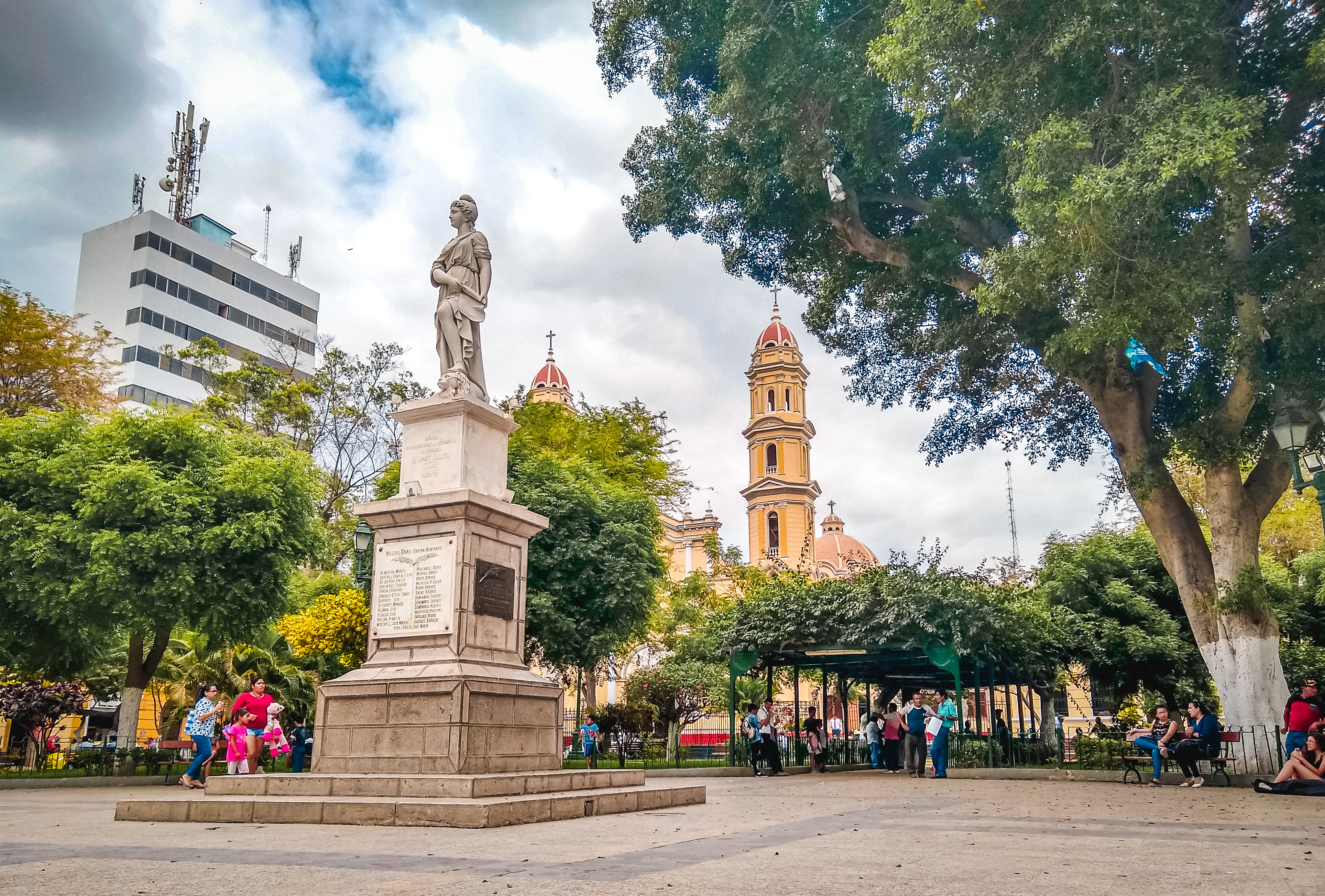 52
52 62
62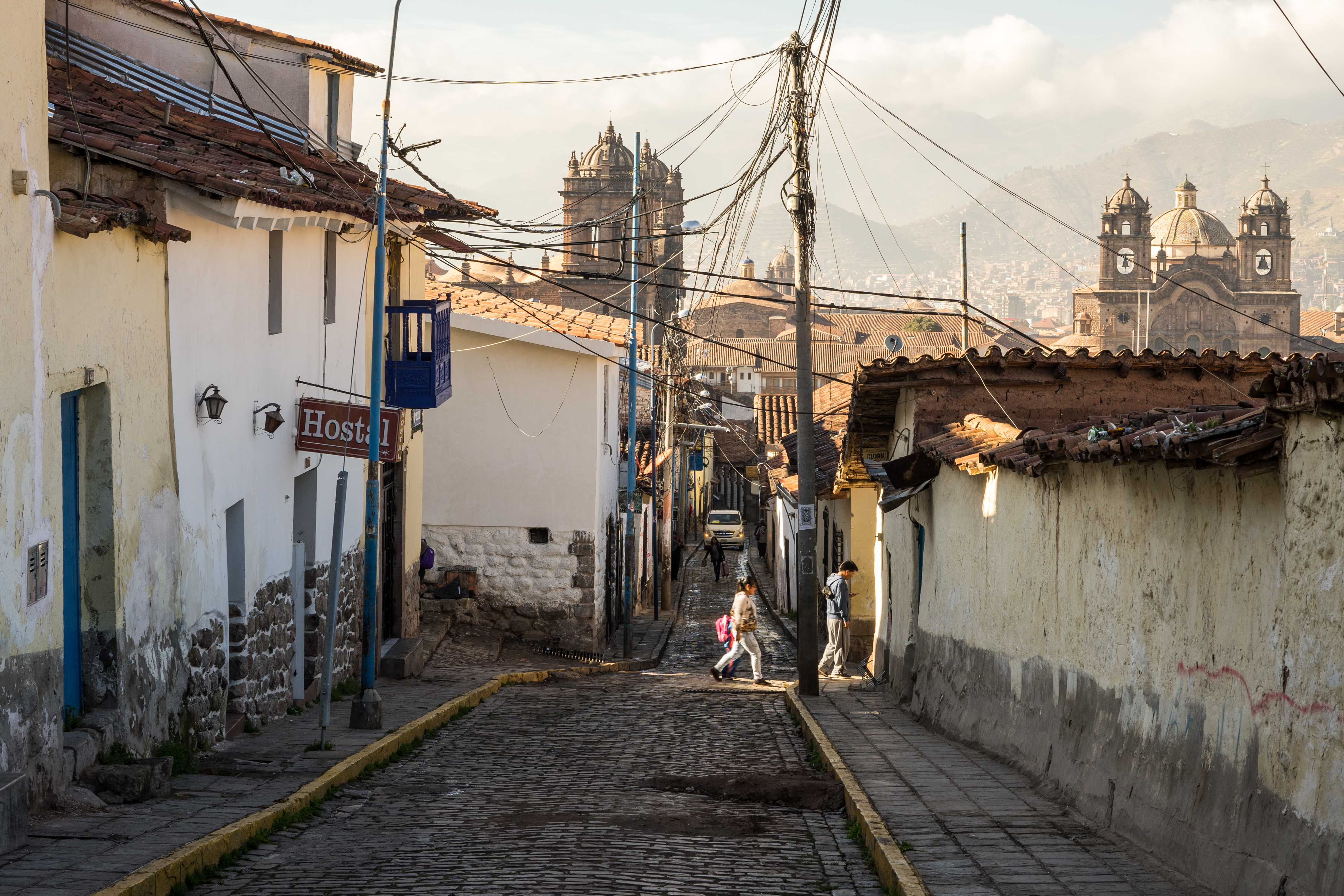 60
60 61
61 58
58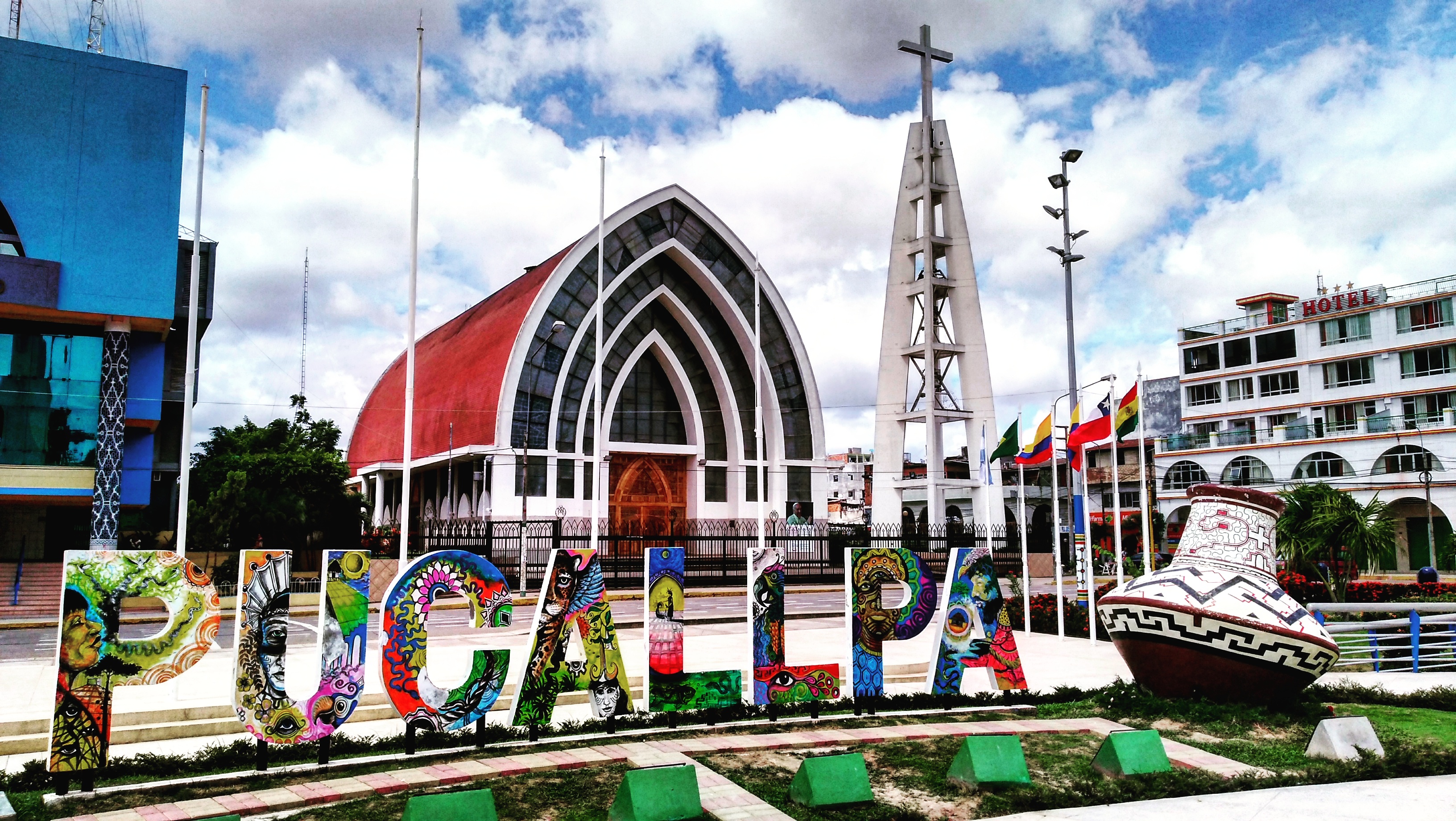 50
50Getting the income documentation story straight before applying
The requirement says you need proof of remote employment or freelance work, bank statements showing sufficient monthly income from abroad, and tax returns if applicable. The threshold is low, but the consulate isn't just checking whether a number appears in your account. They're looking at the pattern. A single large deposit followed by weeks of nothing reads differently than a series of regular payments from a recognizable employer or client platform. If you're a freelancer with multiple income streams, consolidate them into a clear narrative. Print statements that highlight recurring deposits, not just your balance. If your income varies month to month, show a longer history. Three to six months of statements that average above $450 is safer than one month that spikes.
The interview is where this story gets tested. You'll be asked what you do, who pays you, and how you'll keep earning while in Peru. The answer shouldn't sound like a pitch. It should sound like a description of work that already exists. If you're employed, bring a contract that states you can work remotely from abroad. If you freelance, bring agreements or invoices that match the deposits in your bank statements. The officer doesn't need to understand your industry. They need to believe the income won't stop the moment you arrive.
Tax returns help if you have them, but they're not mandatory for everyone. If you file taxes in your home country and your return shows self-employment or foreign-earned income, include it. It corroborates the bank statements. If you don't file, don't invent a reason. Just provide what you have and make sure the bank statements do the heavy lifting. The worst mistake is submitting documents that contradict each other. A contract that says you earn $3,000 a month and bank statements that show $1,200 will invite questions you don't want.
The housing requirement and how people get it wrong
Proof of accommodation is listed as a hotel reservation, rental contract, or host invitation stating lodging. The wording sounds flexible. In practice, the consulate uses this document to gauge whether you're treating the visa as a long-stay permit or a glorified tourist entry. A two-night hotel booking and a line in your cover letter about finding an apartment later will get flagged. You don't need a year-long lease signed before you arrive, but you do need something that looks like a genuine plan to reside.
A rental contract for at least the first month works best. If that's not possible, a confirmed booking at a serviced apartment or a long-stay Airbnb with a receipt that shows the full duration of your intended initial stay is the next best thing. A host invitation works if you have a contact in Peru, but it needs to include the host's address, a copy of their ID, and a clear statement that they're providing lodging. Vague letters from friends that don't specify an address or duration don't carry weight.
The mistake people make is treating this as a formality. They submit whatever they have, assuming the income proof will carry the application. But the accommodation document is often the first thing the officer looks at after the cover letter. It sets the tone. If it looks like you're winging it, the rest of your file gets read with more skepticism. If it shows you've arranged a real landing spot, the interview becomes a conversation instead of an interrogation.
What actually happens after you land
Once the visa is stamped in your passport and you enter Peru, you have up to 12 months of legal stay. The permit is renewable, but renewal isn't automatic. You'll need to show you still meet the conditions: remote income from abroad, health insurance covering Peru, and a place to live. Start gathering those documents a couple of months before your permit expires. The renewal process runs through the immigration office in Peru, not the consulate, and the rhythm of bureaucracy is different. Appointments can take weeks. Paperwork that was acceptable abroad might need to be reissued or translated locally.
You cannot take a local job. Not a part-time gig, not a consulting contract with a Peruvian company, not even a paid speaking engagement. The visa explicitly prohibits local work. If you need to supplement your income, it has to come from outside the country. This catches people who arrive, build a network, and get offered opportunities. The rule is clear, and violating it puts your renewal at risk.
Health insurance is required for the full stay. You'll need a policy that covers you in Peru, not just travel insurance that covers emergencies for a few weeks. International health plans work, but check that the coverage extends to routine care, not just evacuation. The consulate wants to see a certificate or coverage letter, and renewal will ask for it again. Letting the policy lapse mid-stay creates a gap that's hard to explain.
The judgment call against the most obvious alternative
Peru's digital nomad visa competes most directly with Colombia's and, for some, with Mexico's temporary resident visa. The comparison isn't about which country is better. It's about which application process fits the life you already have. Peru's income threshold is the lowest in the region, which makes it accessible for people whose remote income is modest or irregular. But it requires an in-person interview at a consulate, and not every city has one. If you live far from a Peruvian consulate, that travel cost and time commitment might outweigh the low fee and low income bar.
Colombia's nomad visa, by contrast, can often be applied for online, but the income requirement is higher. Mexico's temporary residence visa has a financial solvency track that changes monthly and requires either a certain monthly income or a lump sum in savings, often higher than Peru's threshold. If you have the income and want to avoid an interview, Colombia or Mexico might feel smoother. If your income is on the lower end or you want to keep more cash in your pocket, Peru's $30 fee and $450 monthly requirement are hard to beat.
The real question is whether you can show up at a consulate and present a clean, consistent file. If you can, Peru gives you a year of legal stay with minimal financial gatekeeping. If the interview feels like a barrier, the alternative countries trade a higher income proof for less face-to-face scrutiny. The decision comes down to whether you'd rather prove more money or sit through a conversation.
Work Permissions
Application Steps
- 1
📋 Verify current programme availability
1 week
- 2
📄 Prepare proof of remote income
1-2 weeks
- 3
📬 Apply at Peruvian consulate or in-country
1-2 days
- 4
⏳ Await processing and collect permit
2-4 weeks
Planning a long stay? Compare international health plans for Peru.
Compare health insuranceWe may earn a commission at no cost to you.
Compare this visa
Curated comparisons that include this route.
Frequently Asked Questions
Click any question to expand the answer.
Ready to Apply?
Work with trusted visa specialists who handle the paperwork so you can focus on your move.
Get help with this visa →* We may earn a commission if you apply through our link
At a Glance
Last verified: October 9, 2026