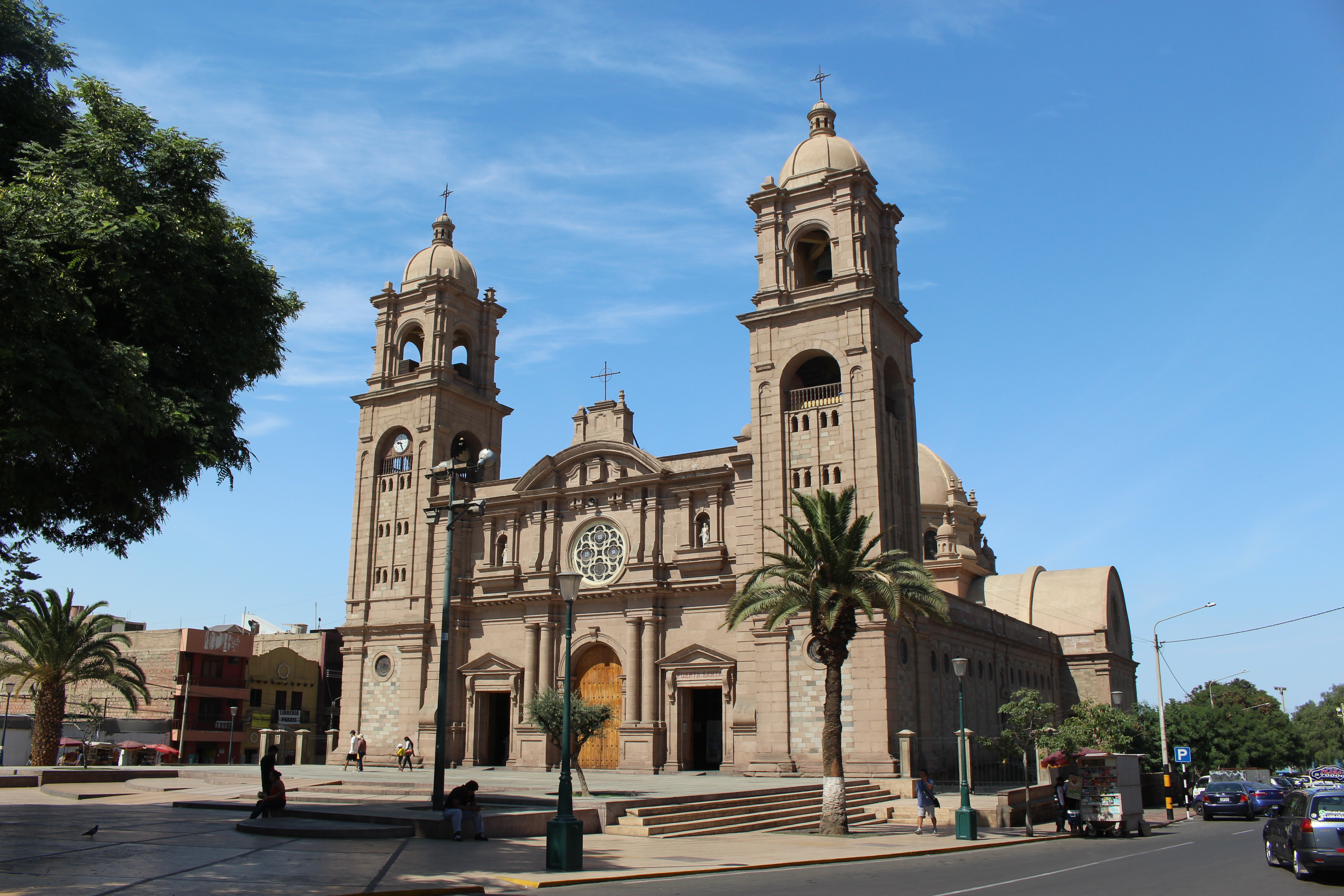
Tacna, Peru Hero Image
Wikipedia Contributor, CC BY-SA

Tacna, Peru

Data updated Oct 9, 2026

Follows Peru Residency Rules. Check Digital Nomad & Retiree Pathways →

📊 Scores

78
FIRE
53
Retiree
50
Digital Nomad

Best fit: FIRE / Geoarbitrage (score: 76)

Tacna sits in Peru's far south, a desert city at 562 meters above sea level where rain is a rare event. Summers run hot and dry from November through March, while winters stay mild from June through August, making it one of Peru's driest cities. The expat community is very few in number, and most who do settle here choose the Tacna Center neighborhood, where daily life revolves around the central plaza, markets, and a compact walkable core. English proficiency is limited, so a working grasp of Spanish goes a long way.

Living costs here are strikingly low. A one-bedroom apartment in the city center rents for $400/mo, but step outside the center and the same place drops to $70/mo. A three-bedroom in the center runs $850/mo, while outside the center it is $600/mo. A single adult can live on a budget tier total of $920/mo, with a mid-range tier total of $1,350/mo and a comfortable tier total of $1,850/mo. Monthly expenses excluding rent come to $520/mo for a single person and $1,500/mo for a family of four. Internet is $26/mo, a mobile plan is $19/mo, and a gym membership is $30/mo. An inexpensive restaurant meal costs $3, a three-course meal for two at a mid-range spot is $15, and a cappuccino is $3. The average monthly net salary is $465/mo, which puts local wages far below what most expats earn remotely or from savings.

Safety is a strong point. The safety index sits at 72/100, with a crime index of 28/100, where lower is safer. Healthcare quality is rated as fair, which is adequate for routine needs but may require travel for complex procedures. The air quality index is 52, lower being better, so the desert air is generally clean. The overall expat score is 76/100, with a FIRE score of 78/100, making it a solid choice for those focused on saving, though the retiree score of 53/100 and digital nomad score of 50/100 are more moderate.

For visas, Peru offers the Peru Retirement Visa (Rentista) with a minimum monthly income of $1,000/mo, and the Peru Digital Nomad Visa with a minimum monthly income of $450/mo. Getting in is easy: the nearest airport is TCQ, just 5 km from town. Tacna suits cost-conscious expats, especially those on a FIRE path or with remote income, who value safety and low overhead over a large expat scene or English-heavy infrastructure. It is a practical, quiet base for those who adapt to local rhythms and language.
Estimate the cost of moving to Tacna, Peru

Get a free moving cost estimate for moving to Tacna, Peru. Takes 10 seconds.

How much are you shipping?

When are you moving?

Powered by Sirelo. Free quotes from international movers.

🏚️ Cost of Living

A 1BR in the center runs about $400/mo. If your income is in another currency, bank FX fees add up. A multi-currency account can cut that cost.

See low-fee transfers

We may earn a commission at no cost to you.

See how Tacna's cost of living compares with Tarapoto

Be the first to report costs in Tacna

Share

🛡️ Safety & Crime

72
Safety Index

(Higher is safer)

28
Crime Index

(Lower is safer)

Tacna is genuinely one of Peru's safer cities, with a noticeably relaxed atmosphere compared to Lima or Arequipa. Daytime walking is straightforward in central areas; nighttime is reasonably safe if you stick to main streets and avoid isolated zones. The city's smaller size and lower tourist traffic mean less organized crime targeting foreigners. Most expats report feeling comfortable with standard urban precautions.

Petty theft and pickpocketing occur but are not epidemic—watch bags in markets and crowded areas. Scams targeting foreigners are minimal here compared to tourist hubs. Violent crime is rare. Solo female travelers should use normal caution (avoid very late nights alone, use registered taxis). The main risk is opportunistic theft rather than confrontational crime. Neighborhoods like Alto de la Alianza are less developed; stick to central Tacna.

Peru's political environment is stable in Tacna; the city is far from Lima's protest epicenters. Police presence is adequate and generally reliable, though corruption exists as in most Peruvian cities. The border location (near Chile) creates occasional migration-related activity but doesn't destabilize daily life. For a 30–65-year-old American seeking a quiet, affordable base with genuine safety, Tacna is a solid choice—realistic risks are low, and the city offers genuine peace of mind.

🏥 Healthcare

Fair
Public Hospitals
Yes
Private Clinics
Yes
English-Speaking Doctors
Limited

See how Tacna's healthcare compares with Tarapoto

🌤️ Climate

Summer Temp
28°C
Winter Temp
18°C
Humidity
45%
Air Quality Index
52
Annual Rainfall
35 mm

Best Months

AprMaySepOct

Climate Notes

Tacna has a desert climate with hot, dry summers (November–March) and mild winters (June–August), making it one of Peru's driest cities with minimal rainfall year-round.

💻 Digital Nomad

Avg Internet Speed
15 Mbps
Internet (monthly)
$26/mo
Coworking Availability
Limited
Coworking Spaces Nearby
0
Digital Nomad Score
50/100

Community Notes

Tacna is known for its markets but lacks nomad-friendly infrastructure.

Coworking Spaces

NameNotes
Oficina Coworking TacnaA popular independent coworking space in Tacna, offering a friendly atmosphere and essential amenities like Wi-Fi, desks, and meeting rooms. Located in the heart of Tacna, it's convenient for accessing local restaurants and services, making it suitable for expats looking for a community vibe.
Work Center TacnaWork Center Tacna provides a professional coworking environment with private offices and shared workspaces. Located centrally, it offers reliable internet, printing facilities, and a business-oriented atmosphere, appealing to remote workers needing a more structured setting.
Regus TacnaRegus offers a reliable and professional coworking experience with various options, including private offices and shared workspaces. Located in a prime business area of Tacna, it provides access to meeting rooms, administrative support, and a global network, making it ideal for established remote professionals.

Names, locations and hours can change. Check each space's website before you visit. Places from © OpenStreetMap contributors and Foursquare Open Source Places (Apache 2.0).

Planning to live in Tacna long-term? Peru Digital Nomad Visa lets remote workers live legally with a minimum income of $450/month.

View full requirements →

Working remotely from Tacna? Nomad health insurance covers you across borders, month to month.

See nomad insurance

We may earn a commission at no cost to you.

See how Tacna's digital nomad life compares with Tarapoto

🧳 Expat Life

English Proficiency
Limited
Expat Community
Very Few
Top Neighborhoods
Tacna Center
Banks Nearby
43
ATMs Nearby
22

Expat Life Notes

A major commercial city on the Chilean border. Expat life is strictly trade and business oriented.

Pros

  • ✓ Dry, sunny climate
  • ✓ Cheap shopping and services
  • ✓ Safe for a border town

Cons

  • ✗ Lacks expat amenities
  • ✗ Very limited English
  • ✗ Isolated location

🏘️ Neighborhoods in Tacna

Areas of Tacna that expats often consider.

Conditions can change from one block to the next, and these descriptions are general guides, not safety assessments. Before choosing where to stay or live, check current travel advisories, talk to people who live there, and visit in person if you can.

Centro

Bustling historic commercial core

Tacna's downtown is where the action is, with shops, restaurants, and historical landmarks. It's walkable and well-connected by public transport, but can be noisy and crowded. While convenient, finding a quiet apartment here might be challenging, and petty theft can be a concern.

Calana

Quiet residential family area

Calana is a more residential district located a bit further from the city center. It's generally quieter and safer than Centro, making it suitable for retirees or those seeking a peaceful environment. Spanish proficiency is essential here, as English is not widely spoken.

Urbanización Paraiso

Modern middle-class residential area

This urbanization offers newer housing options and a more modern feel. It's popular with middle-class families and professionals. While not as centrally located, it provides a more comfortable and secure living environment, and some residents may have some English proficiency.

Alto de la Alianza

Historical, slightly more budget-friendly

Known for its historical significance (site of a major battle), Alto de la Alianza offers more affordable housing options. It's further from the city center and may require relying on public transport or taxis. While generally safe, it's less developed than other areas and requires more caution.

Page 1 of 2

Could living/working in Tacna cut years off your work life?

With a 1-bedroom in the center at $400/mo, your FIRE number here might be much lower than you think.

Calculate My FIRE Date →

🛂 Visa Options for Peru

Many long-stay visas require proof of health insurance. Compare international health plans before you apply.

Compare health insurance

We may earn a commission at no cost to you.

🛂

Earning over $450/mo? You may qualify for a Peru visa.

Answer 11 questions and get a personalized match in under 2 minutes.

Find My Visa →

More Cities to Consider instead of Tacna

FAQ

Frequently Asked Questions about Tacna

Click any question to expand the answer.

Tacna has a population of approximately 242,670 people.
A single person can expect to spend around $1,000 per month in Tacna, including rent. A 1-bedroom apartment in the city center costs approximately $400/month.
The nearest airport to Tacna is TCQ, approximately 5.2km away.
Tacna is considered relatively safe, with a safety index of 72.0. As with any city abroad, expats should research specific neighborhoods before committing to a location.
Tacna has an average internet speed of 15 Mbps. It is not yet considered a well-established digital nomad destination.
The border crossing at Santa Rosa is 35km south and operates daily 8am-10pm. Process takes 30-60 minutes depending on crowds. You'll need passport and may need to show return ticket or proof of funds. Many locals cross regularly for shopping in Arica.
Limited opportunities exist mainly in English teaching, tourism, or starting your own business. Most formal employment requires work permits and pays local wages ($300-500/month). The border trade economy creates some opportunities in logistics and import-export for those with business connections.
Internet speeds average 10-20 Mbps for residential connections costing $25-40/month. Coverage is reliable in the city center but can be spotty in outer areas. Power outages are occasional but brief. Banking and ATM access is good with major Peruvian banks represented.
Tacna is very affordable. Expect to pay around $400-$700 USD per month for rent depending on the neighborhood (Gregorio Albarracín is cheaper than Calana), $200-$300 for groceries, and meals out can be as low as $5-$10 USD. Overall, you can live comfortably on $1200-$1800 USD per month.
As a tourist, you can typically stay in Peru for up to 183 days per year. For longer stays, you'll need to apply for a residency visa. Options include a rentista visa (proof of passive income), an investor visa, or a work visa if you find employment. Consult with a Peruvian immigration lawyer for the most up-to-date requirements.
Healthcare in Tacna is decent, with both public and private options. Private clinics like Clínica Promedic offer better facilities and shorter wait times, but are more expensive. While not all doctors speak English fluently, you can often find English-speaking staff or translators at the larger private clinics. Having some Spanish is definitely helpful.
While you can manage with basic Spanish, learning more will significantly improve your quality of life. Many locals, especially outside tourist-oriented businesses, don't speak English. Consider taking Spanish classes or using language learning apps to ease your transition and integrate better into the community.
For expats, Calana and the areas around Avenida Bolognesi are popular choices due to their proximity to amenities and relative safety. Gregorio Albarracín is more affordable but further from the city center. Consider your budget and lifestyle when choosing a neighborhood.
Tacna has a desert climate, meaning it's generally dry and sunny year-round. Temperatures are mild, with average highs in the 70s and 80s Fahrenheit. There's very little rainfall, so pack accordingly. The sun can be intense, so sunscreen and hats are essential.
Taxis are readily available and affordable in Tacna. Colectivos (shared taxis) are even cheaper but can be crowded. There's also a bus system, but it can be confusing for newcomers. Renting a car is an option, but driving can be chaotic. Walking is feasible in some areas, but distances can be long.
Several banks operate in Tacna, including Banco de Crédito del Perú (BCP) and Interbank. ATM fees can vary, so check with your bank beforehand. It's often cheaper to withdraw larger sums less frequently. Consider opening a local bank account for easier transactions.
Tacna can be a viable option for early retirement, especially if you're on a fixed income. With careful budgeting, you could potentially live comfortably on $1500-$2000 USD per month, covering rent, food, healthcare, and entertainment. The slower pace of life and affordable cost of living are attractive for retirees.
The expat community in Tacna is relatively small compared to larger cities like Lima or Cusco. However, there are still opportunities to connect with other expats through online groups and social events. Don't expect a huge party scene; the vibe is more relaxed and community-oriented.
As a US citizen, you're still required to file US taxes even when living abroad. You may be able to exclude a significant portion of your income using the Foreign Earned Income Exclusion (FEIE) or claim the Foreign Tax Credit (FTC). Be sure to file an FBAR if you have foreign bank accounts exceeding $10,000 in aggregate. Consult with a tax professional specializing in expat taxes.
Internet speeds in Tacna are generally reliable, especially in urban areas. You can expect speeds sufficient for video conferencing and other remote work tasks. Claro and Movistar are the main providers. Consider getting a local SIM card for mobile data as a backup.
Coworking spaces are not widely available in Tacna. Your best bet is to find a cafe with reliable Wi-Fi or rent a private office space if you need a dedicated workspace. Some hotels may also offer business center facilities.

Share This Guide