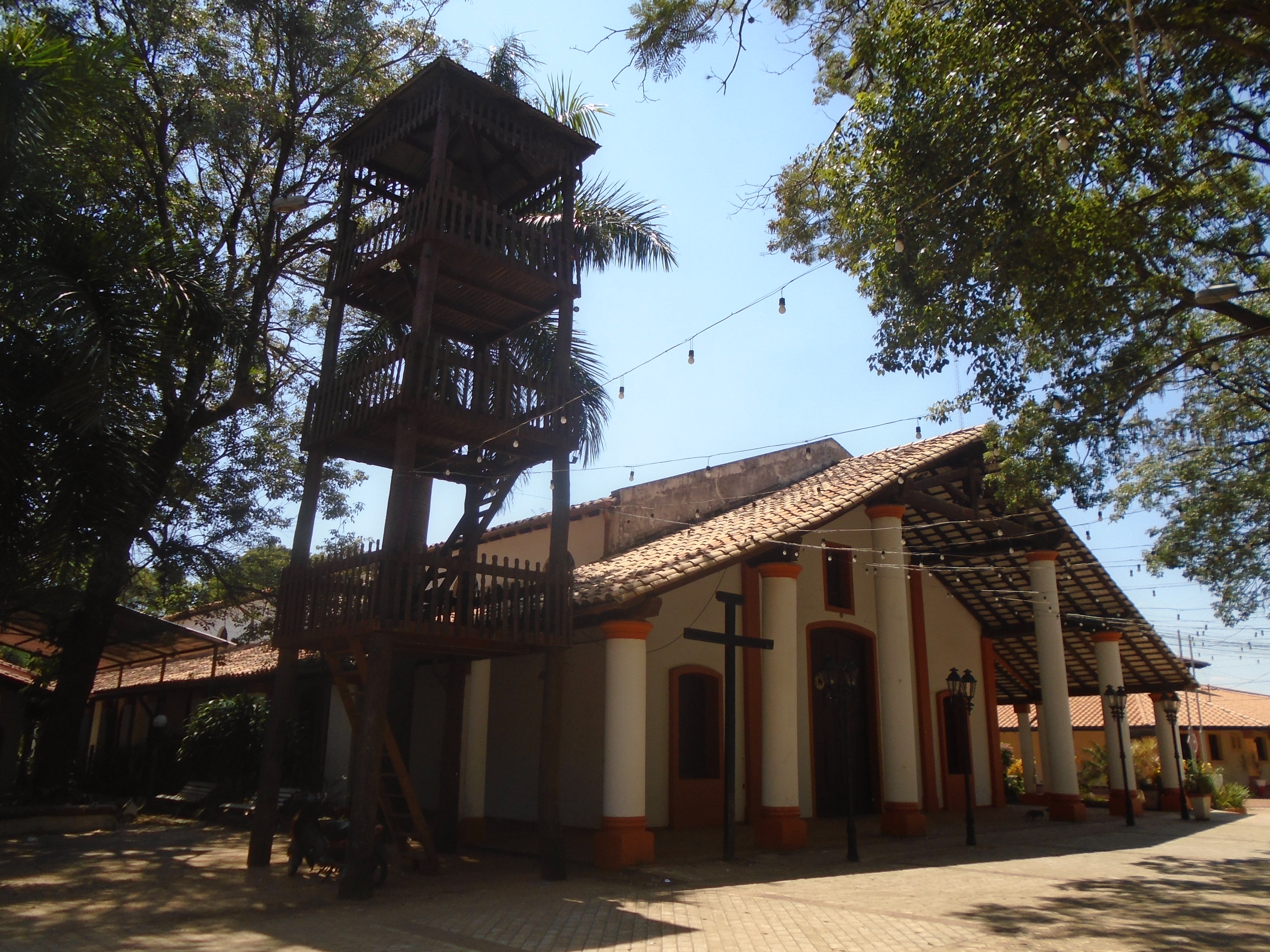
San Pedro de Ycuamandiyú, Paraguay Hero Image
Wikipedia Contributor, CC BY-SA

San Pedro de Ycuamandiyú, Paraguay

Data updated Oct 8, 2026

Follows Paraguay Residency Rules. Check Digital Nomad & Retiree Pathways →

📊 Scores

78
FIRE
43
Retiree
42
Digital Nomad

Best fit: FIRE / Geoarbitrage (score: 78)

San Pedro de Ycuamandiyu sits in eastern Paraguay's interior at an elevation of 59 meters above sea level, with a population of roughly 35,000. The city experiences a humid subtropical climate with hot, wet summers from December to February and mild, drier winters from June to August. For expats, the popular neighborhood is Centro, though the expat community size is listed as none, and English proficiency is limited.

Living costs in San Pedro are remarkably low. A one-bedroom apartment in the city center rents for $250/mo, while outside the center it drops to $180/mo. A three-bedroom in the center costs $257/mo, and outside the center it is $350/mo. Monthly utilities run $50/mo, internet is $21/mo, a mobile phone plan is $17/mo, and a gym membership is $17/mo. A meal at an inexpensive restaurant costs $4 per person, a three-course meal for two at a mid-range restaurant is $26, and a cappuccino is $3. The cost of living index is 25/100 relative to New York City. A single adult's monthly budget excluding rent is $450/mo, while a family of four's excluding rent is $1,350/mo. Budget-tier total for a single adult including rent is $300/mo, mid-range is $433/mo, and comfortable is $565/mo.

The safety index is 55/100, and the crime index is 45/100 (lower is safer). Healthcare quality is rated as poor.

For those looking to stay long-term, Paraguay offers the Paraguay Pensionado Visa, which requires a minimum monthly income of $1,300/mo, and the Paraguay Digital Nomad / Remote Work Residency, which requires a minimum monthly income of $3,000/mo. The nearest airport is ASU, located 134 km away. San Pedro suits budget-conscious expats and FIRE seekers (FIRE score 78/100) but may be less ideal for retirees (score 43/100) or digital nomads (score 42/100) due to limited English, no expat community, and poor healthcare.
Estimate the cost of moving to San Pedro de Ycuamandiyú, Paraguay

Get a free moving cost estimate for moving to San Pedro de Ycuamandiyú, Paraguay. Takes 10 seconds.

How much are you shipping?

When are you moving?

Powered by Sirelo. Free quotes from international movers.

🏚️ Cost of Living

💰 Budgets and Costs

$503/mo, one person, rent included
Selected: mid-range lifestyle

San Pedro de Ycuamandiyú on a mid-range budget comes to about $503 a month for one adult, with $180 of that going to rent. Beyond rent the estimate covers $117 on groceries, $43.00 on dining out, $74.00 on entertainment and lifestyle and $89.00 on utilities and connectivity.

Rent

$180/mo

1BR outside the centre

Groceries

$117/mo

Staples basket scaled to a full month

Dining out

$43.00/mo

10 inexpensive meals

Entertainment & lifestyle

$74.00/mo

gym, 2 cinema trips, 12 cappuccinos

Utilities & connectivity

$89.00/mo

utilities, mobile, internet

Budgets (excl. rent)

Single person$323/mo

Excludes rent. The total above is all-in, rent included.

Estimates for one adult, built from this city's average prices and the usage shown for each tier. Your spending will differ with how often you eat out and where you live.

A 1BR in the center runs about $250/mo. If your income is in another currency, bank FX fees add up. A multi-currency account can cut that cost.

See low-fee transfers

We may earn a commission at no cost to you.

See how San Pedro de Ycuamandiyú's cost of living compares with Santa Rita

Be the first to report costs in San Pedro de Ycuamandiyú

Share

🛡️ Safety & Crime

55
Safety Index

(Higher is safer)

45
Crime Index

(Lower is safer)

San Pedro de Ycuamandiyú is a small, quiet Paraguayan city where daily life feels relatively safe for expats. Daytime walkability is reasonable in central areas, though nighttime movement should be cautious and limited. The city lacks the organized crime presence of larger Paraguayan cities, and locals generally go about their routines without visible tension. However, it remains a modest provincial town with limited infrastructure and police presence compared to developed countries.

Petty theft and opportunistic robbery are the primary concerns—phone snatching, bag theft, and vehicle break-ins occur occasionally. Avoid displaying valuables, walking alone after dark, and isolated areas outside the city center. Solo female travelers should exercise standard precautions: use registered taxis, avoid nightlife venues alone, and stay aware of surroundings. Scams targeting foreigners are uncommon here but remain possible. Violent crime is rare but not unheard of in Paraguay generally.

Paraguay's police force is underfunded and corruption is endemic, so don't expect reliable law enforcement response. Political instability is low currently, but Paraguay has a history of social unrest. For an American considering relocation, this city offers genuine tranquility and low cost of living, but requires acceptance of limited services, basic infrastructure, and the reality that you're largely on your own for security. It suits those seeking authentic small-town life over expat comfort.

San Pedro de Ycuamandiyú has a safety index of 55/100. Petty theft and lost belongings are the most common problems for newcomers. Compare travel insurance before you go.

Compare travel insurance

We may earn a commission at no cost to you.

🏥 Healthcare

Poor
Public Hospitals
No
Private Clinics
No
English-Speaking Doctors
Limited

See how San Pedro de Ycuamandiyú's healthcare compares with Santa Rita

🌤️ Climate

Summer Temp
28°C
Winter Temp
18°C
Humidity
72%
Air Quality Index
45
Annual Rainfall
1733 mm

Best Months

AprMaySepOct

Climate Notes

San Pedro de Ycuamandiyú experiences a humid subtropical climate with hot, wet summers (December-February) and mild, drier winters (June-August), typical of eastern Paraguay's interior regions.

💻 Digital Nomad

Avg Internet Speed
8.4 Mbps
Internet (monthly)
$21/mo
Coworking Availability
None
Coworking Spaces Nearby
0
Digital Nomad Score
42/100

Community Notes

San Pedro de Ycuamandiyú is off the beaten path for digital nomads.

Coworking Spaces

NameNotes
Coworking del NorteLocated centrally in San Pedro, Coworking del Norte offers a relaxed and friendly atmosphere. It's a good option for those seeking a local vibe and affordable rates, with basic amenities suitable for focused work.
Espacio Creativo San PedroEspacio Creativo provides a more modern and design-focused coworking environment in San Pedro. It's known for its collaborative atmosphere and occasional workshops, making it suitable for expats looking to connect with the local creative community.

Names, locations and hours can change. Check each space's website before you visit. Places from © OpenStreetMap contributors and Foursquare Open Source Places (Apache 2.0).

Planning to live in San Pedro de Ycuamandiyú long-term? Paraguay Digital Nomad / Remote Work Residency lets remote workers live legally.

View full requirements →

Working remotely from San Pedro de Ycuamandiyú? Nomad health insurance covers you across borders, month to month.

See nomad insurance

We may earn a commission at no cost to you.

See how San Pedro de Ycuamandiyú's digital nomad life compares with Santa Rita

🧳 Expat Life

English Proficiency
Limited
Expat Community
None
Top Neighborhoods
Centro
Banks Nearby
0
ATMs Nearby
0

Expat Life Notes

A remote town in the heart of Paraguay. Minimal international footprint; very local focus.

Pros

  • ✓ Authentic rural life
  • ✓ Very inexpensive

Cons

  • ✗ Significant language barrier
  • ✗ Poor infrastructure
  • ✗ Geographical isolation

🏘️ Neighborhoods in San Pedro de Ycuamandiyú

Areas of San Pedro de Ycuamandiyú that expats often consider.

Conditions can change from one block to the next, and these descriptions are general guides, not safety assessments. Before choosing where to stay or live, check current travel advisories, talk to people who live there, and visit in person if you can.

Barrio San Isidro

Quiet residential family neighborhood

A more residential area, Barrio San Isidro offers a quieter pace of life. It's primarily inhabited by local families. Public transport is available, but owning a car or motorcycle is beneficial for getting around. It's less likely to have English speakers.

Villa Rosalia

Developing residential, affordable living

Villa Rosalia is a growing residential area on the outskirts of the city. It's generally more affordable than the center. Infrastructure is still developing, so expect fewer amenities and potentially unpaved roads in some areas. Spanish is essential.

Barrio Loma Clavel

Hillside views, peaceful residential

Located on higher ground, Loma Clavel offers potentially better views and a slightly cooler climate. It's a residential area, mostly local families. Access to the city center requires transportation, and the hills can make walking challenging.

Could living/working in San Pedro de Ycuamandiyú cut years off your work life?

With a 1-bedroom in the center at $250/mo, your FIRE number here might be much lower than you think.

Calculate My FIRE Date →

🛂 Visa Options for Paraguay

Many long-stay visas require proof of health insurance. Compare international health plans before you apply.

Compare health insurance

We may earn a commission at no cost to you.

🛂

Earning over $1,300/mo? You may qualify for a Paraguay visa.

Answer 11 questions and get a personalized match in under 2 minutes.

Find My Visa →

More Cities to Consider instead of San Pedro de Ycuamandiyú

FAQ

Frequently Asked Questions about San Pedro de Ycuamandiyú

Click any question to expand the answer.

San Pedro de Ycuamandiyú has a population of approximately 35,021 people.
A single person can expect to spend around $625 per month in San Pedro de Ycuamandiyú, including rent. A 1-bedroom apartment in the city center costs approximately $250/month.
The nearest airport to San Pedro de Ycuamandiyú is ASU, approximately 134km away.
San Pedro de Ycuamandiyú is considered moderate in terms of safety, with a safety index of 55.0. As with any city abroad, expats should research specific neighborhoods before committing to a location.
Internet exists but isn't fast or consistently reliable. Speeds typically range 5–15 Mbps. If you need video calls daily, test the connection before committing. Many expats use mobile hotspots as backup. Asunción has better infrastructure if that's a dealbreaker.
It's tiny—mostly retirees and agricultural workers, not a social scene. You won't find expat meetups or English-speaking social groups. If you're seeking community, this isn't it. If you want solitude and low cost, it works.
Paraguay's residency is relatively straightforward compared to other countries. Temporary residency requires proof of income (~$1,500/month) or a job offer. Permanent residency takes 3+ years. Expect bureaucratic delays and inconsistent document requirements. Hiring a local lawyer ($300–500) simplifies the process significantly.
San Pedro has a humid subtropical climate. Expect hot, humid summers (December-February) with frequent rainfall and milder, drier winters (June-August). Be prepared for temperatures often exceeding 90°F (32°C) in the summer months.
English-speaking doctors are rare in San Pedro itself. You'll likely need to travel to Asunción for specialized care or to find a doctor who speaks English fluently. The quality of healthcare is generally adequate for routine needs, but more complex issues may require evacuation.
As a US citizen, you can enter Paraguay as a tourist for up to 90 days. For longer stays, you'll need to apply for residency. Common pathways include a retirement visa (requiring proof of sufficient pension income) or an investment visa.
Public transportation is available, primarily buses, but can be unreliable and crowded. Taxis are relatively inexpensive and readily available. For greater flexibility, consider purchasing a used car, but be prepared for potentially challenging road conditions outside the city center.
Paraguayan cuisine is meat-heavy, with staples like sopa paraguaya (a savory cornbread) and grilled meats. Eating out is very affordable; a meal at a local restaurant can cost as little as $5-$10 USD. Groceries are also inexpensive, especially if you shop at local markets.
Most expats tend to live in the central part of the city, near the main plaza, for easy access to amenities. The Barrio Centro is a good option. For a quieter, more residential area, look slightly outside the center towards the newer developments.
Cell phone service is generally reliable in the city center, with 4G coverage available. However, coverage can be spotty in more rural areas. Tigo and Claro are the main providers, and SIM cards are easy to purchase.
Coworking spaces are not common in San Pedro. Your best bet for remote work outside your home is a cafe with Wi-Fi. However, internet speeds at cafes may not always be optimal for demanding tasks.
As a US citizen, you're still required to file US taxes even when living abroad. The Foreign Earned Income Exclusion (FEIE) can help you exclude a certain amount of your foreign-earned income from US taxes. Also, be aware of FBAR and FATCA reporting requirements.
Yes, $1500 USD per month is generally sufficient for a comfortable retirement in San Pedro. This budget should cover rent, groceries, utilities, and some leisure activities. However, it's wise to have a buffer for unexpected expenses or medical needs.
English proficiency is generally low outside of tourist areas. Learning basic Spanish is highly recommended for daily interactions and navigating local services. Consider taking Spanish classes or using language learning apps before you arrive.

Share This Guide