Application Fee
$380
Processing Time
6-17 wks
Difficulty
Moderate
Duration
24 months
Path to Citizenship
5 years
Overview
Paraguay’s Temporary Residency is a 2‑year residence track under current migration practice, but the official duration is 2 years under current practice. The minimum savings threshold is USD $5,000 as of 2026. For a FIRE couple living off $4,000/month in ETF dividends and rental income, this means you are functionally self-funded, but you can rely on the USD $5,000 savings threshold to qualify as of 2026.
From an immigration standpoint, the big constraint is work: Local Work Permitted is set to No, so you cannot legally take a Paraguayan W‑2 job or run an on-the-ground local business on this status. The visa type is classified as passive_income, which aligns best with remote employees paid abroad, online contractors, and asset-based income where the payer and economic activity remain outside Paraguay. Income sources are not specified in official rules, so if you intend to invoice Paraguayan clients or open a local brick‑and‑mortar operation, you should plan for a separate work‑authorized status or corporate structure instead of assuming this residence alone covers it.
As a residency tool, the key trade‑off is flexibility versus long‑term security. The visa is marked Renewable: Yes, but the maximum consecutive absence is 365 days as of 2026. On the ground, practitioners describe a de facto expectation of at least brief annual visits to keep your file “alive,” but you can rely on a hard 365-day rule as of 2026. For someone splitting time between Paraguay and, say, Mexico or the US, this means substantial freedom of movement, at the cost of some uncertainty about how little time you can spend in-country without risking future renewals.
Path-wise, It leads to permanent residency after 2 years, though you apply for a separate permanent track rather than auto-converting. Years to citizenship is 5 years, so early‑retirement planners should treat this as a medium‑term residency base rather than a guaranteed passport roadmap.
Friction is modest by Latin American standards: Bureaucracy Score is 1/5, and requirements include apostille, a local bank account, and health insurance. You do, however, need health insurance (Health Insurance Required: Yes), which matters for retirees relying on Medicare or provincial coverage back home, as those plans usually do not extend to Paraguay. In practice this is a good fit if you have $3,000–$7,000/month from foreign salary and portfolio income, want a 2‑year renewable base without local employment, and are comfortable flying in once or twice per year; it is a poor fit if your plan depends on a Paraguayan job contract, using US Social Security as a formal qualifying income, or locking in an explicit, written presence rule for decade‑long tax planning.
Eligibility Requirements
Any nationality can apply in principle for Paraguay Temporary Residency, as the visa rules list Nationality Restrictions: all rather than a limited group. In practice, applicants holding passports from sanctioned or high‑risk jurisdictions such as Iran, North Korea, Syria, Cuba, or Russia can encounter consular refusals, enhanced security checks, or banking de‑risking that make approval and later financial setup significantly harder even if the law does not ban them outright. Before gathering apostilles or traveling, confirm current eligibility and any pre‑entry visa requirement directly with Paraguay’s Dirección General de Migraciones and the nearest Paraguayan consulate listed on the Ministry of Foreign Affairs website, as these bodies apply the operational rules.
Min Savings
$5,000
Application Fee
$380
Duration
24 months
Physical Presence
None required
Max Absence
365 days
Max 0% from local sources
Requirements Checklist
0 of 14 documents in hand
0%These take the longest, so start them first.
Request these while the slow items are in progress.
Extra requirements for this visa
- Apostille required on official documents
How and where to apply
Applications are submitted in-country at Dirección General de Migraciones (migraciones.gov.py) after arriving on a tourist visa. Prepare apostilled documents before arrival, then complete local steps like medical and police certificates in Paraguay. No consulate pre-application required; online visa portal at www.mre.gov.py/visasenlinea/ for entry visa.
Tax Information
Local tax regime and what it means for you
Paraguay applies a territorial tax system in domestic law: tax is charged primarily on Paraguayan‑source income, not on worldwide income. For a Paraguay Temporary Residency holder whose main cash flow is a remote W‑2 salary from a US, Canadian, or EU employer, that foreign salary is generally treated as foreign‑source and not taxed in Paraguay while your work is performed for a foreign entity and paid from abroad. Dividends from ETFs in a US brokerage account, interest from foreign bonds, and rental income from property in Arizona or Ontario are likewise foreign‑source and normally outside Paraguayan income tax.
Local Paraguayan‑source income is different. If you later structure a local corporation, invoice Paraguayan clients, or earn rent from an apartment in Asunción, those flows fall into Paraguay’s 10% income tax framework and VAT where applicable. Because this visa is tagged Local Work Permitted: No in visa rules, you should not plan to rely on Paraguayan‑source employment income under this status alone.
For FIRE investors the key question is capital gains on foreign investments. Under a territorial regime like Paraguay’s, gains from selling foreign ETFs or index funds held in a foreign brokerage are treated as foreign‑source and are generally exempt from Paraguayan tax so long as the investments and brokerage remain abroad. There is no separate remittance‑based rule disclosed here, so the default assumption is (a) exempt under territorial rules for foreign capital gains.
Tax residency usually depends on presence (the classic 183‑day rule) plus local ties, but the exact statutory day threshold is not disclosed in the visa rules. Grant of this 2‑year temporary residence does not by itself define tax residency; it is the combination of your physical days in Paraguay and economic center of interests that matters. Because the Tax Regime Type and Tax Status Deadline are not specified in the dataset, a high‑net‑worth or FIRE household should take local advice before assuming that light presence avoids tax‑resident status in years where you spend many months in Paraguay.
Local filing requirements for this visa class are not laid out in the visa rules either. In practice, once you start any Paraguayan‑source activity you should expect to:
- Register with the tax authority (SET) and obtain a tax ID (RUC)
- File annual income tax returns if you have Paraguayan‑source income or are treated as a tax resident
Since the Tax Treaty with the US is marked unknown, US persons cannot assume relief for dividends, interest, or pensions under a bilateral treaty; any treaty that exists may not fully cover all categories relevant to expats.
For US Citizens and Green Card Holders
US citizens and green card holders on Paraguay Temporary Residency remain fully taxable by the IRS on worldwide income. The local territorial regime means Paraguay generally does not tax your foreign passive income, but the US still does. Three tools matter: the Foreign Earned Income Exclusion (FEIE), the Foreign Tax Credit (FTC), and foreign reporting (FBAR/FATCA).
FEIE, claimed on Form 2555, can exclude up to $126,500 of earned income in 2024 (remote W‑2 salary, consulting, self‑employment). It does not cover dividends, bond interest, capital gains, rental income, Social Security, or pension distributions. Because Paraguay does not require long stays under this visa and Physical Presence Required is not specified, many Paraguay‑based nomads lean on the Physical Presence Test: 330 full days outside the US in any rolling 12‑month period, with Paraguay simply one of several countries. The Bona Fide Residence Test is harder to rely on if you are deliberately keeping presence light to avoid Paraguayan tax residency.
The Foreign Tax Credit on Form 1116 only helps when you pay non‑US income tax. In a pure territorial system where your foreign salary and portfolio income are untaxed by Paraguay, your effective foreign tax rate on that income is 0%, so the FTC does nothing for US liability on those streams. If you later earn Paraguayan‑source income taxed at around 10%, then FTC can offset US tax on that same Paraguayan‑source income, but it still does not help with US tax on exempt foreign‑source earnings.
FBAR (FinCEN 114) applies if the aggregate value of your non‑US financial accounts exceeds $10,000 at any point in the year, even for one day. That includes Paraguayan bank and brokerage accounts if you open them, even though this visa does not require a local account (Local Bank Account Required: No). FATCA Form 8938 may also apply once foreign assets cross higher thresholds. Non‑willful FBAR penalties start around $10,000 per violation, so a single missed year can be expensive.
For a US FIRE household using Paraguay as a low‑tax base, the optimal setup often involves: (1) using FEIE to shelter remote earned income when you are genuinely abroad 330+ days, (2) deliberately keeping Paraguayan‑source income at zero so that the territorial regime keeps local tax at zero, and (3) maintaining meticulous FBAR/FATCA compliance for any non‑US accounts. The $1,500–$3,000 spent in year one on a US expat‑focused CPA (for FEIE/FTC/FBAR strategy) plus a Paraguayan tax advisor (for residency and SET registration questions) is a rational upfront cost given the penalties avoided and the ability to lock in a clean, defensible structure for a seven‑figure portfolio.
Living in Paraguay
COL Index vs NYC
33.1
Monthly Cost (excl. rent)
$546
1BR Rent (City Center)
$453
Safety Index
48.2
Healthcare Index
73.8
Quality of Life Index
105.3
Time Zone
UTC-04:00
Capital
Asunción
Population
7.1M
Official Languages
Guaraní, Spanish
Avg Internet Speed
178 Mbps
Public Transit Quality
Fair
With a budget covering rent and living costs, you'd need roughly $999/mo for a comfortable single-person lifestyle in Paraguay.See how far your money goes →
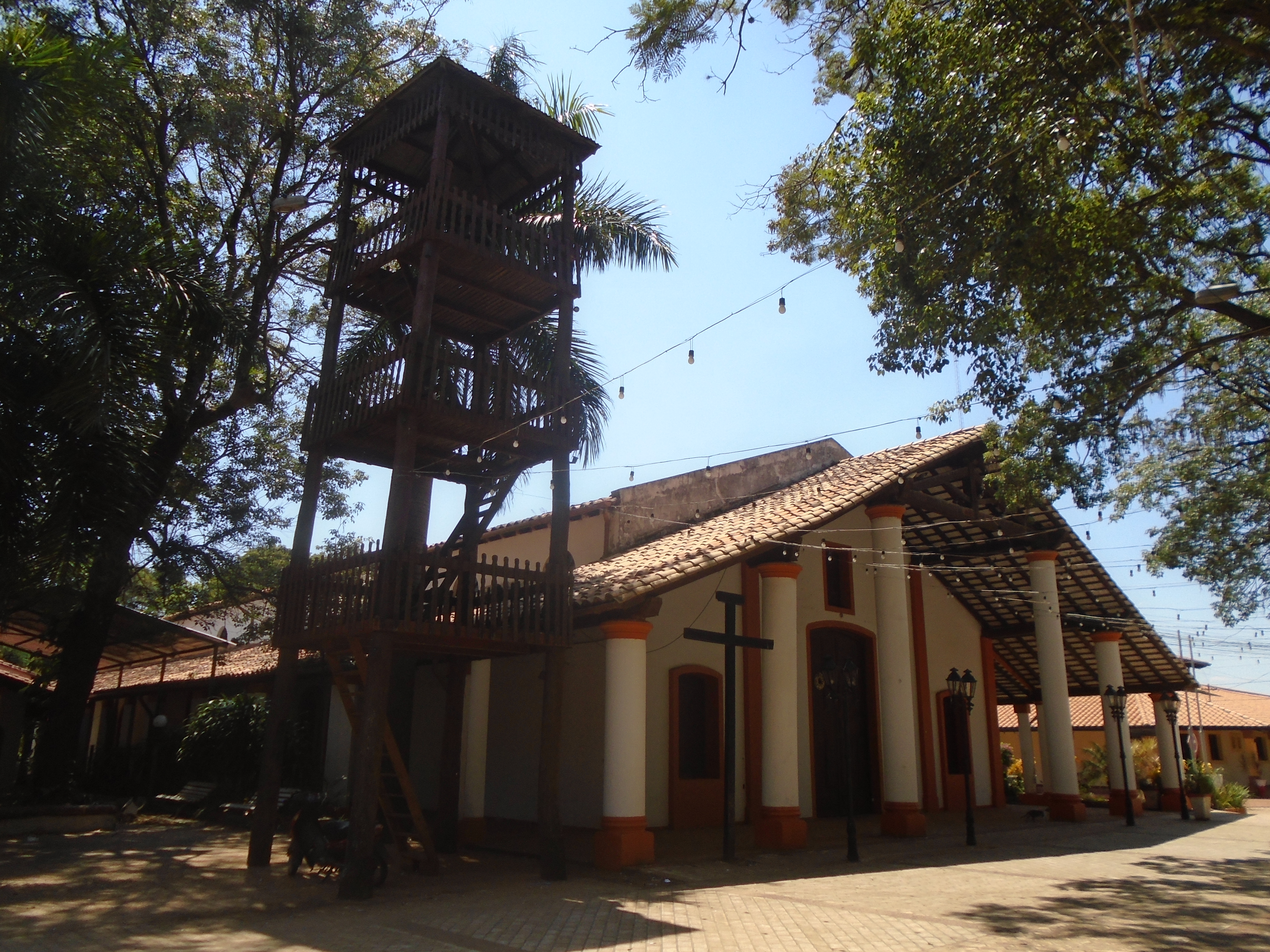
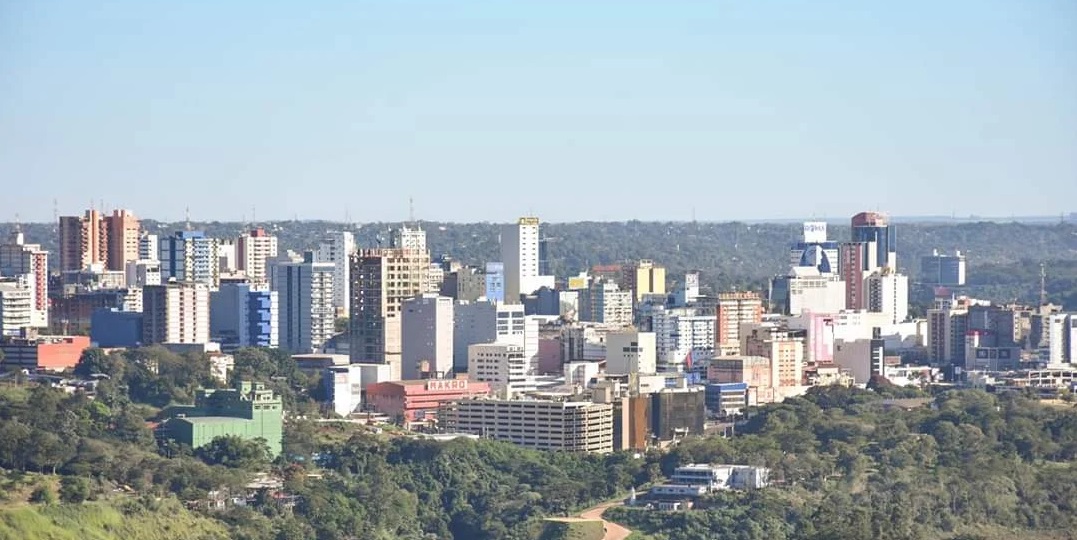
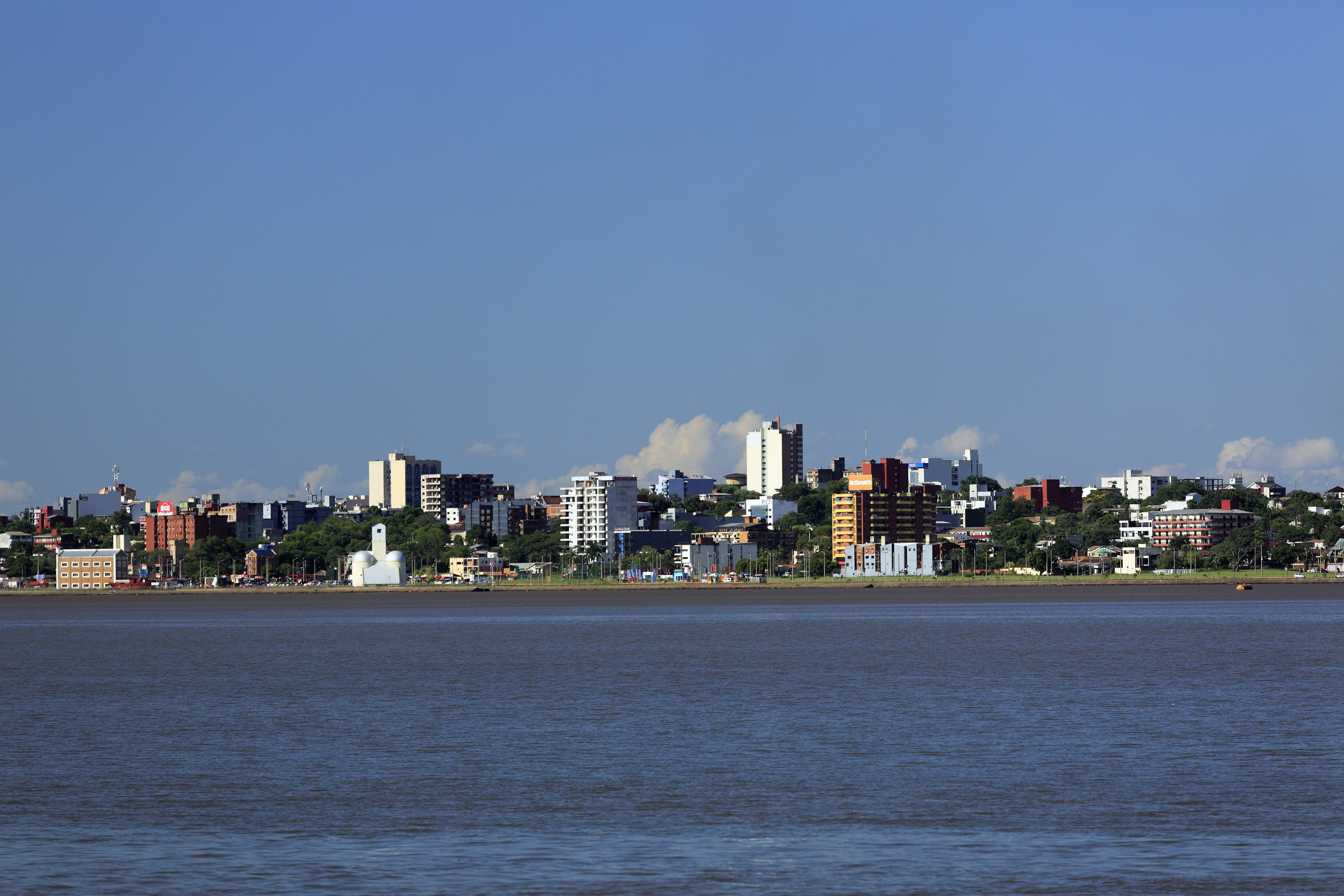
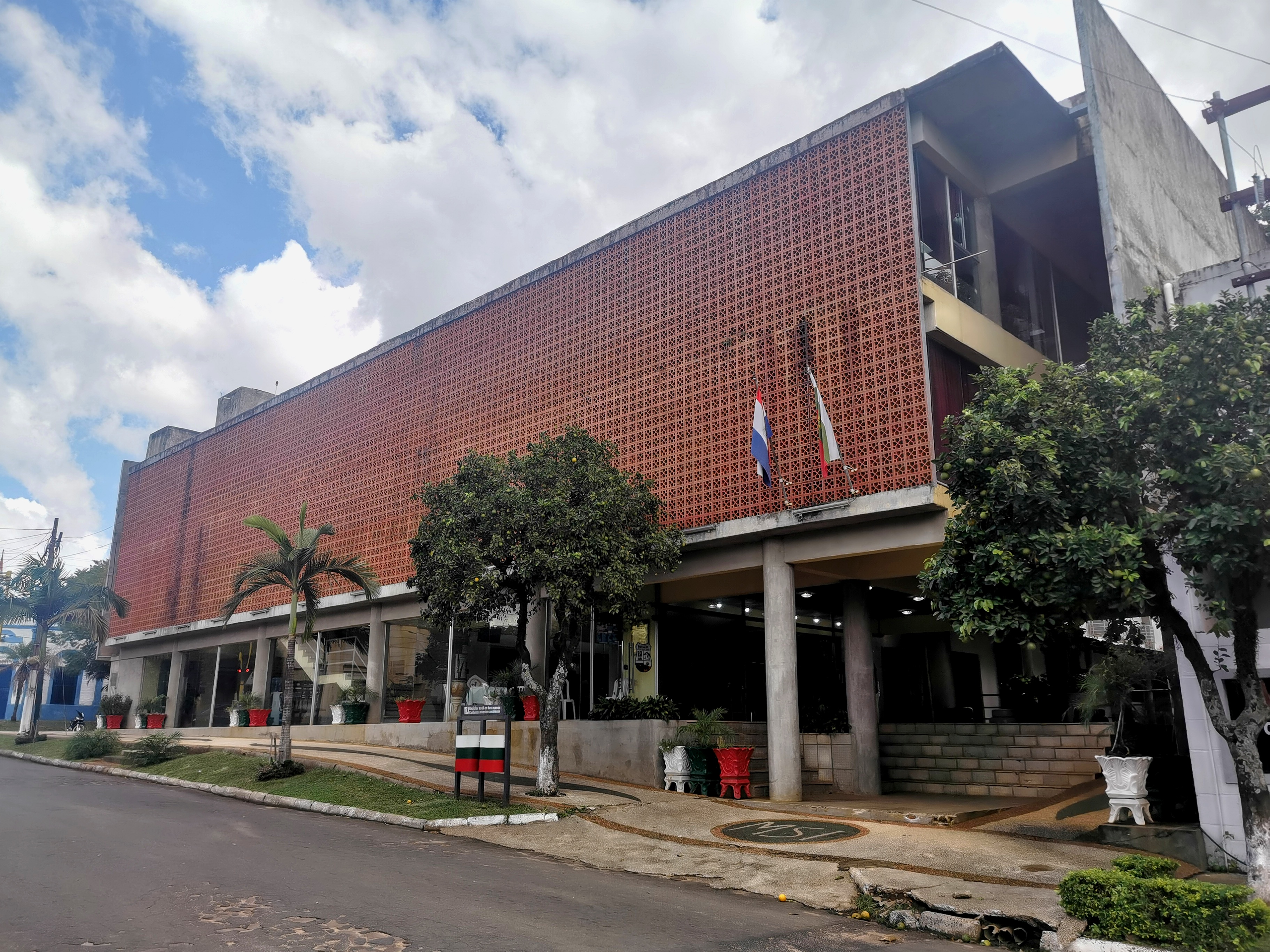
🏙️ Best Cities in Paraguay for Passive Income Residents


From Tourist Stamp to Residency Card
You enter on a tourist visa, usually granted for 90 days. That entry stamp is your legal foothold. The residency application does not change your status immediately. You’ll spend the first week or two gathering local documents: the medical certificate if requested, the INTERPOL and Paraguayan police checks, the certified translations, and the notarized copies. You’ll also need to open a local bank account and secure health insurance. Both are required before you submit.
The application itself goes to the Dirección General de Migraciones. There’s no interview. You hand over the packet, pay a fee of $380, and wait. Processing takes anywhere from six and a half weeks to nearly thirteen weeks. During that stretch, your tourist status is your only legal basis to remain. If your tourist visa expires before the residency is approved, you may need to extend it or risk falling out of status. The immigration office doesn’t automatically bridge the gap with a provisional permit. You have to manage that window yourself.
Once approved, you get a temporary residency card valid for 24 months. That card is not a work permit. Local employment is off the table. The residency is built on the premise that you support yourself with foreign income or savings. The card does, however, let you open utility accounts, sign a long-term lease, and come and go without relying on tourist entries. The renewal process is similar to the initial application, minus the apostille work for documents that haven’t changed. You’ll show updated financial solvency, a fresh Paraguayan police check, and proof of continued health insurance.
The gap between approval and holding the physical card can be a few days. Migraciones will tell you when to pick it up. Don’t book a flight out the morning after you get the approval notice. The card itself is what border officials will want to see on re-entry.
The Two-Year Path to Permanent Residency
Paraguay offers one of the fastest routes to permanent residency in the Americas. After two years holding temporary residency, you can apply for permanence. The clock starts from the date your first temporary card is issued, not from the day you entered the country. You’ll need to show you’ve maintained the financial solvency that got you the initial permit. There’s no minimum physical presence requirement, but you cannot be absent for more than 365 consecutive days. A single trip abroad that stretches past a year resets your temporary residency clock. Shorter trips, even frequent ones, don’t count against you.
The permanent residency application looks a lot like the temporary one: updated criminal records, proof of income or savings, a new medical certificate if requested, and the same notarization and translation steps for any new foreign documents. The fee is comparable. Approval gives you an indefinite residency card, though you’ll still renew the card itself periodically. Permanent residency also removes the restriction on local work, but that’s a theoretical benefit for most remote earners. The real prize is the stability: no more two-year renewals, no more proving solvency on a tight cycle.
Citizenship comes after five years of residency, counting time on both temporary and permanent permits. The naturalization process requires Spanish proficiency and integration, but the statutory timeline is clear. Paraguay allows dual citizenship, so you won’t have to surrender your original passport. The five-year mark is measured from the date your first residency was granted. If you spent two years as a temporary resident and three as a permanent resident, you’re eligible. The absence rule still applies: no gaps longer than a year. Many people treat the first two years as a soft launch, then settle in more seriously once the permanent card is in hand.
Paraguay and the Alternatives
The decision to choose Paraguay usually comes down to three things: tax, flexibility, and speed. The territorial tax system means foreign-sourced income isn’t taxed. If you earn from US clients or draw down a foreign pension, Paraguay doesn’t take a cut. That alone sets it apart from countries that tax worldwide income, even for temporary residents. The trade-off is that you can’t work for a Paraguayan employer, but for a remote freelancer or retiree, that’s not a loss.
Other passive income visas in the region often demand a monthly pension. Panama’s Pensionado program requires a lifetime pension of a certain amount. Paraguay asks for proof of economic solvency, which can be satisfied with bank statements showing a $5,000 balance as of 2026. That’s a lower bar for anyone who has savings but no pension income stream. The application is also entirely in-country, with no consular interview. Some alternatives require you to apply at a consulate abroad and then wait months before traveling. Paraguay lets you arrive, start the process, and stay while it runs.
The absence policy is another differentiator. Many residency permits revoke your status if you’re outside the country for more than six months in a year. Paraguay’s limit is a full year of consecutive absence. That gives you room to maintain a life elsewhere while your residency clock ticks. It’s not a zero-presence visa, but it’s close.
The main downside is the paperwork intensity. Countries with consular pre-approval often handle document verification before you travel. Paraguay puts that burden on you, in-country, with local translators and notaries. If you’re comfortable with a few weeks of bureaucracy in Asunción, the payoff is a residency that converts to permanence in two years and citizenship in five, with no tax on foreign income. For the right profile, that math is hard to beat.
Work Permissions
Application Steps
- 1
📋 Prepare apostilled personal documents
2-4 weeks
- 2
📋 Arrive in Paraguay on tourist visa
1-2 weeks
- 3
🏛️ Obtain local medical certificate
1-3 days
- 4
📬 Submit to Dirección General de Migraciones
Same day
- 5
⏳ Wait for temporary residency card
45-90 days
- 6
🏛️ Collect Cédula and RUC
60-70 days
- 7
🏛️ Renew if needed
This visa requires proof of health insurance. Compare international plans before you apply.
Compare health insuranceWe may earn a commission at no cost to you.
Compare this visa
Curated comparisons that include this route.
Frequently Asked Questions
Click any question to expand the answer.
Ready to Apply?
Work with trusted visa specialists who handle the paperwork so you can focus on your move.
Get help with this visa →* We may earn a commission if you apply through our link
At a Glance
Last verified: October 9, 2026