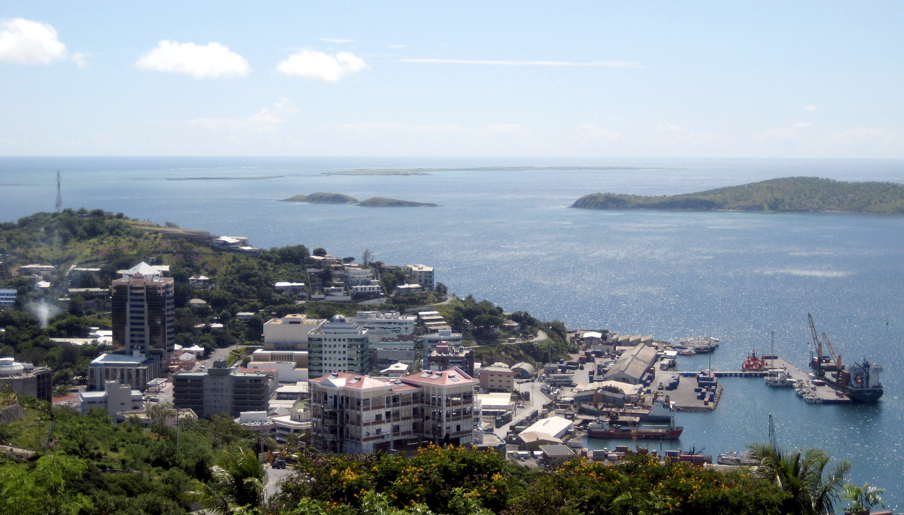
Port Moresby, Papua New Guinea Hero Image
Wikipedia Contributor, CC BY-SA

Port Moresby, Papua New Guinea

🏛️ Capital City🌊 Coastal

Data updated Oct 8, 2026

Follows Papua New Guinea Residency Rules. Check Digital Nomad & Retiree Pathways →

📊 Scores

42
FIRE
38
Retiree
48
Digital Nomad

Best fit: Digital Nomad (score: 38)

Port Moresby sits on the southeastern coast of New Guinea, the capital of Papua New Guinea and a city of 317 thousand people built just 35 m above sea level. The climate is tropical, hot and humid all year, with a wet season from December to March that brings heavy rainfall and a drier stretch from May to October. Most expats settle in Boroko or Waigani, two established neighborhoods where the international community is medium in size and daily life runs on Pacific/Port_Moresby time. English proficiency is limited across the wider city, so patience and a few local phrases go a long way.

Living costs here split sharply depending on where you land. A one-bedroom outside the center rents for $556/mo, while a three-bedroom in the city center runs $3,103/mo and the same size outside the center drops to $1,139/mo. Utilities add $117/mo, internet $92/mo, and a mobile phone plan $23/mo. A monthly public transport pass costs $22/mo and a gym membership $61/mo. Eating out is affordable by global standards: an inexpensive restaurant meal is $8 per person, a mid-range three-course meal for two is $44, and a cappuccino is $2. A single adult can expect $860/mo excluding rent, a family of four $3,103/mo excluding rent, and the overall cost of living index sits at 82/100 against New York City. Budget tiers land at $739/mo, mid-range at $1,107/mo, and comfortable at $2,258/mo, all rent included. The catch is local wages: average monthly net salary is $429/mo, so expat packages and remote income matter enormously.

Safety requires real attention. The safety index is 40/100 and the crime index is 60/100, meaning caution, secure housing, and vetted transport are part of everyday planning. Air quality is moderate at 45, and healthcare quality is rated fair, so many residents keep international coverage and use private clinics. Internet averages 25 Mbps, workable for most tasks but not always for heavy data work. The overall expat score is 38/100, with a retiree score of 38/100, a FIRE score of 42/100, and a digital nomad score of 48/100, numbers that reflect a challenging but manageable posting rather than an easy lifestyle play.

For longer stays, the Retirement Visa requires a minimum monthly income of $4,917/mo, a threshold well above the local average net salary. The nearest airport is Jacksons International, known by its code POM, about 9 km from the city. Port Moresby suits professionals on employer packages, researchers, and remote workers who earn abroad and want a low-cost base with a medium expat community. It rewards those who plan for safety, healthcare, and connectivity, and it punishes anyone expecting a smooth tropical idyll.
Estimate the cost of moving to Port Moresby, Papua New Guinea

Get a free moving cost estimate for moving to Port Moresby, Papua New Guinea. Takes 10 seconds.

How much are you shipping?

When are you moving?

Powered by Sirelo. Free quotes from international movers.

🏚️ Cost of Living

💰 Budgets and Costs

$1,143/mo, one person, rent included
Selected: mid-range lifestyle

Port Moresby on a mid-range budget comes to about $1,143 a month for one adult, with $556 of that going to rent. Beyond rent the estimate covers $146 on groceries, $78.00 on dining out, $109 on entertainment and lifestyle, $232 on utilities and connectivity and $22.00 on transport.

Rent

$556/mo

1BR outside the centre

Groceries

$146/mo

Staples basket scaled to a full month

Dining out

$78.00/mo

10 inexpensive meals

Entertainment & lifestyle

$109/mo

gym, 2 cinema trips, 12 cappuccinos

Utilities & connectivity

$232/mo

utilities, mobile, internet

Transport

$22.00/mo

Monthly pass

Budgets (excl. rent)

Single person$587/mo

Excludes rent. The total above is all-in, rent included.

Estimates for one adult, built from this city's average prices and the usage shown for each tier. Your spending will differ with how often you eat out and where you live.

A 1BR in the center runs about $1603.86/mo. If your income is in another currency, bank FX fees add up. A multi-currency account can cut that cost.

See low-fee transfers

We may earn a commission at no cost to you.

See how Port Moresby's cost of living compares with Madang

Be the first to report costs in Port Moresby

Share

🛡️ Safety & Crime

40
Safety Index

(Higher is safer)

60
Crime Index

(Lower is safer)

Port Moresby has a reputation for being one of the Pacific's most challenging cities for expats, and the reality largely matches the perception. Daytime movement in central business districts and established expat enclaves is manageable, but nighttime walkability is severely limited. Most expats rely on private transport, taxis, or security escorts after dark. The city feels tense rather than welcoming, with visible security measures (high walls, guards) normalizing caution.

Petty theft, armed robbery, and home invasions are genuine concerns, particularly in less-secure neighborhoods. Carjackings and street crime spike after sunset. Solo female travelers face elevated harassment and safety risks. Avoid walking alone in Boroko, Konedobu, and outer suburbs. Scams targeting expats exist but are secondary to street crime. Organized crime and gang activity influence certain areas. Home security—alarms, guards, reinforced doors—is standard practice, not paranoia.

Papua New Guinea has weak rule of law and police capacity is limited; corruption is endemic. Political tensions and tribal violence occasionally flare but rarely affect Port Moresby directly. The government is functional but unreliable in emergencies. For Americans considering relocation, Port Moresby demands serious commitment: it suits only those with employer-provided security, established expat networks, and realistic expectations. It's not a retirement destination for independent travelers seeking ease or walkability. Those with corporate support and security infrastructure can manage; others should strongly reconsider.

Port Moresby has a safety index of 40/100. Petty theft and lost belongings are the most common problems for newcomers. Compare travel insurance before you go.

Compare travel insurance

We may earn a commission at no cost to you.

🏥 Healthcare

Fair
Public Hospitals
Yes
Private Clinics
Yes
English-Speaking Doctors
Limited

See how Port Moresby's healthcare compares with Madang

🌤️ Climate

Summer Temp
28°C
Winter Temp
26°C
Humidity
80%
Air Quality Index
45
Annual Rainfall
1856 mm

Best Months

SepOctNov

Climate Notes

Port Moresby has a tropical climate with consistently hot and humid conditions year-round, a wet season from December to March with heavy rainfall, and a drier season from May to October.

💻 Digital Nomad

Avg Internet Speed
25 Mbps
Internet (monthly)
$92/mo
Coworking Availability
Moderate
Coworking Spaces Nearby
0
Digital Nomad Score
48/100

Community Notes

Port Moresby is a challenging but rewarding place to work remotely.

Coworking Spaces

NameNotes
Regus Port MoresbyLocated in the heart of Port Moresby's business district, Regus offers a professional environment with reliable internet, meeting rooms, and administrative support. It's a solid choice for expats seeking a familiar and well-equipped workspace.
SP Business CentreLocated in downtown Port Moresby, SP Business Centre provides serviced office spaces and coworking options. It offers a convenient location and essential amenities for remote workers.

Names, locations and hours can change. Check each space's website before you visit. Places from © OpenStreetMap contributors and Foursquare Open Source Places (Apache 2.0).

Working remotely from Port Moresby? Nomad health insurance covers you across borders, month to month.

See nomad insurance

We may earn a commission at no cost to you.

See how Port Moresby's digital nomad life compares with Madang

🧳 Expat Life

English Proficiency
Limited
Expat Community
Medium
Top Neighborhoods
Boroko, Waigani
Banks Nearby
23
ATMs Nearby
4

Expat Life Notes

Relocation is primarily for business or diplomacy. Safety is a major issue, requiring gated living and private security.

Pros

  • ✓ High hardship salaries
  • ✓ Native English
  • ✓ Tight-knit business community

Cons

  • ✗ Significant safety risks
  • ✗ Very high cost of secure living
  • ✗ Extremely limited mobility

🏘️ Neighborhoods in Port Moresby

Areas of Port Moresby that expats often consider.

Conditions can change from one block to the next, and these descriptions are general guides, not safety assessments. Before choosing where to stay or live, check current travel advisories, talk to people who live there, and visit in person if you can.

Korobosea

Established, residential, family-oriented

Korobosea is a popular choice for expats due to its relatively safe environment and proximity to amenities. It's primarily residential, with a mix of houses and apartments. While not particularly walkable, it offers a more relaxed atmosphere compared to the city center, but expect higher prices.

Boroko

Commercial hub, bustling, central

Boroko is a major commercial center with shops, offices, and markets. It's a convenient location for accessing services, but can be noisy and crowded. Security can be a concern, so it's important to choose accommodation carefully. Offers more apartment options than houses.

Waigani

Government precinct, modern, planned

Waigani is home to government buildings, embassies, and shopping centers. It's a more planned and modern area compared to other parts of Port Moresby. While generally safer, it can feel sterile and lacks the local character found elsewhere. Rent tends to be higher due to the presence of international organizations.

Gordons

Industrial, commercial, budget-friendly

Gordons is primarily an industrial and commercial area, offering more affordable housing options. It's not particularly attractive or walkable, and security can be a concern. Best suited for those on a tight budget who prioritize practicality over aesthetics. Requires reliance on private transport.

Page 1 of 2

Could living/working in Port Moresby cut years off your work life?

With a 1-bedroom in the center at $1604/mo, your FIRE number here might be much lower than you think.

Calculate My FIRE Date →

More Cities to Consider instead of Port Moresby

FAQ

Frequently Asked Questions about Port Moresby

Click any question to expand the answer.

Port Moresby has a population of approximately 317,374 people.
A single person can expect to spend around $4,010 per month in Port Moresby, including rent. A 1-bedroom apartment in the city center costs approximately $1604/month.
The nearest airport to Port Moresby is POM, approximately 8.6km away.
Port Moresby is considered moderate in terms of safety, with a safety index of 40.0. As with any city abroad, expats should research specific neighborhoods before committing to a location.
Port Moresby has an average internet speed of 25 Mbps. It is not yet considered a well-established digital nomad destination.
Extremely high — among the most expensive cities in the Pacific. Rent starts at $2,000/month for basic accommodation, groceries cost 2-3x Australian prices, and most goods are imported. Budget $4,000+ monthly for a comfortable expat lifestyle.
English works fine for most professional roles, especially in oil/gas and government sectors. However, learning basic Tok Pisin helps with daily interactions, shopping, and building relationships with local colleagues and service providers.
For extended stays, you'll likely need a work visa sponsored by an employer or a business visa if you're investing. Tourist visas are generally short-term, and Papua New Guinea doesn't currently offer a specific retirement visa, so explore those options carefully with the PNG Immigration and Citizenship Authority.
Internet speeds can be inconsistent, especially outside the main business districts. While 4G is available, it's not as fast or reliable as in many Western countries, so consider a backup plan like a local SIM card with a data plan or satellite internet if consistent connectivity is crucial for your work.
Healthcare in Port Moresby is limited, and standards may not meet those in the US. Private hospitals like Pacific International Hospital offer better facilities and often have English-speaking doctors, but comprehensive health insurance with international coverage is essential.
Ela Beach and Korobosea are popular with expats due to their proximity to amenities and relative safety. For a more budget-friendly option, consider areas like Gerehu, but be mindful of security precautions.
Port Moresby has a tropical climate, meaning it's hot and humid year-round. The wet season (December to April) brings heavy rainfall and potential flooding, so pack accordingly and be prepared for disruptions to transportation.
Public transportation is limited and can be unreliable. Many expats rely on private cars or taxis, but be sure to negotiate fares beforehand. Consider hiring a driver for added safety and convenience.
The expat community in Port Moresby is relatively small but active. Joining social clubs, attending embassy events, and connecting through online forums are good ways to meet other expats and build a support network.
As a US citizen, you're still required to file US taxes even when living abroad. The Foreign Earned Income Exclusion (FEIE) can help you exclude a certain amount of your foreign income from US taxes, but be sure to consult with a tax professional specializing in expat taxes to ensure compliance.
ATMs are available in Port Moresby, but it's best to use those located at major banks or shopping centers for security. Fees can be high, so check with your bank about international transaction fees and consider using a travel credit card with no foreign transaction fees.
Port Moresby offers a mix of local and international cuisine. Eating at local markets and eateries is very affordable, while dining at restaurants catering to expats can be quite expensive, with meals costing $30 USD or more.
While petty crime is common, walking around during the day in busy areas is generally safe, but it's best to avoid walking alone at night. Be aware of your surroundings, avoid displaying valuables, and stick to well-lit areas.
While some aspects of life in Port Moresby are expensive (like housing), others, such as local produce and services, can be more affordable. Careful budgeting is essential, but it's possible to stretch your income further than in many Western cities, though probably not as far as in Southeast Asia or Latin America.
Life in Port Moresby can be slower-paced than in many Western cities, but it's not necessarily relaxed. Bureaucracy can be slow, and things don't always run on schedule. Patience and flexibility are key to enjoying retirement there.
The investment climate in Papua New Guinea is considered high-risk due to political instability and corruption. While there may be opportunities, thorough due diligence and a high risk tolerance are essential. Consult with a financial advisor experienced in emerging markets before making any investments.

Share This Guide