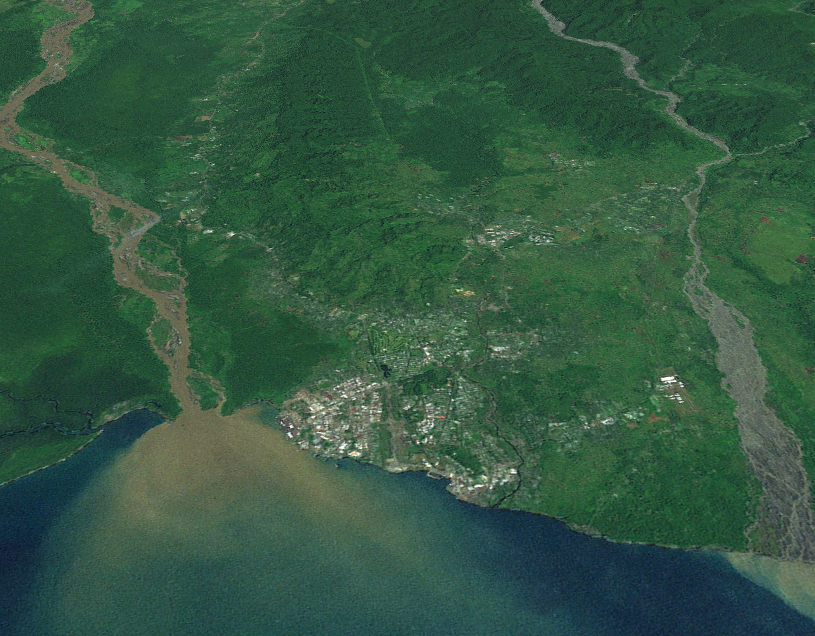
Port operations and resource extraction drive everything here. Lae handles 80% of Papua New Guinea's cargo through its modern container facilities, creating jobs in logistics, shipping, and freight forwarding. The mining boom feeds steady work in equipment supply, maintenance, and transport services supporting operations in the mineral-rich Highlands. PNG University of Technology produces engineers and technicians, but most high-paying positions go to expats in mining companies, shipping firms, and international logistics operations.
Expect to pay $1100+ monthly for a decent one-bedroom in the city center, with limited housing stock pushing prices higher than most regional capitals. The safety index of 30 reflects real security concerns — expats typically live in gated compounds with guards and avoid walking after dark. Healthcare means flying to Australia for anything serious. English is widely spoken in business, but Tok Pisin dominates daily life. Bureaucracy moves at island pace, and power outages are routine.
Tropical heat and humidity year-round, with heavy wet season rains from December to March making roads challenging. The expat community is small and tight-knit, mostly mining engineers, aid workers, and shipping executives who socialize at the yacht club or expat bars. Weekends mean fishing, diving in Huon Gulf, or escaping to nearby beaches when security permits. This suits adventurous professionals in extractive industries who can handle isolation and security restrictions for good money.
Estimate the cost of moving to Lae, Papua New Guinea
Get a free moving cost estimate for moving to Lae, Papua New Guinea. Takes 10 seconds.
How much are you shipping?
When are you moving?
Powered by Sirelo. Free quotes from international movers.
🏚️ Cost of Living
A 1BR in the center runs about $444.33/mo. If your income is in another currency, bank FX fees add up. A multi-currency account can cut that cost.
Lae is widely regarded as one of Papua New Guinea's more challenging cities for expats, with a palpable sense of caution in daily life. Nighttime walkability is severely limited; most expats avoid being out after dark and rely on private transport. The city feels tense rather than welcoming, and while daytime movement is possible in certain areas, the overall safety perception is notably lower than comparable regional cities. Expats typically live in gated compounds and maintain low profiles.
Petty theft, armed robbery, and home invasions are documented concerns, particularly in less affluent neighborhoods and after hours. Carjacking and mugging targeting foreigners occur, especially near the port area and informal settlements. Solo female travelers face elevated harassment and safety risks. Avoid displaying valuables, wandering unfamiliar areas alone, and traveling at night. The informal economy and transient population create unpredictable security dynamics. Police presence is limited in many zones.
Papua New Guinea struggles with systemic corruption, weak rule of law, and limited police capacity—Lae is no exception. Political tensions and tribal disputes occasionally flare, though they rarely directly target expats. However, police reliability is inconsistent, and expat recourse in emergencies can be slow. For Americans considering relocation, Lae requires genuine security commitment: secure housing, trusted local networks, and acceptance of restricted movement. It's suitable only for those with strong professional reasons, security awareness, and employer support.
Lae has a safety index of 30/100. Petty theft and lost belongings are the most common problems for newcomers. Compare travel insurance before you go.
Lae has a tropical climate with consistently hot, humid conditions year-round and a pronounced wet season from December to March bringing heavy rainfall and occasional cyclones.
💻 Digital Nomad
Avg Internet Speed
20 Mbps
Coworking Availability
Limited
Coworking Spaces Nearby
0
Digital Nomad Score
43/100
Community Notes
Lae offers a basic digital infrastructure with modest coworking options for nomads.
While not a dedicated coworking space, Pacific Palms Property offers serviced office spaces that can function similarly. Located in the heart of Lae, it provides a professional environment with reliable internet, making it suitable for expats needing a base.
The Lae International Hotel offers business center facilities that can be used as a temporary workspace. It provides basic amenities and a convenient location, suitable for short-term remote work needs. Access to hotel amenities is a plus.
See how Lae's digital nomad life compares with Alotau
🧳 Expat Life
English Proficiency
Limited
Expat Community
Small
Top Neighborhoods
Lae Town Centre, Eriku, Top Town
Banks Nearby
10
ATMs Nearby
4
Expat Life Notes
Lae is Papua New Guinea's second-largest city and the country's industrial hub, an important port city on the Huon Gulf. Mining and resource sector expats, aid workers, and some business professionals form the foreign community.
Pros
✓ Industrial and port economy
✓ Morobe Province resource wealth
✓ PNG English pidgin widely understood
Cons
✗ High crime rate
✗ Limited infrastructure
✗ Health risks
🏘️ Neighborhoods in Lae
Areas of Lae that expats often consider.
Conditions can change from one block to the next, and these descriptions are general guides, not safety assessments. Before choosing where to stay or live, check current travel advisories, talk to people who live there, and visit in person if you can.
Town Centre
Bustling commercial and administrative
The heart of Lae, featuring shops, banks, and government offices. Many expats work in this area, so it's relatively easy to navigate. However, it can be noisy and crowded, especially during the day, and security is a concern.
Milfordhaven Road
Residential, quieter, mixed income
A more residential area off the main drag, offering a mix of housing options. It's generally quieter than the town center, but less walkable and public transport is limited. Requires some familiarity with local customs to navigate comfortably.
Top Town
Commercial, slightly elevated, views
Located on higher ground, offering some views of the city and sea. It's a mix of commercial and residential properties, often preferred by expats for its slightly cooler temperatures and perceived safety. Rent can be higher here.
Bugandi
Local residential, budget-friendly
A more local residential area, offering more affordable housing options. It's further from the main commercial areas, requiring reliance on public motor vehicles (PMVs) or personal transport. Not typically frequented by expats, so language skills and cultural understanding are essential.
Lae Golf Club Area
Upscale, residential, green space
Surrounding the Lae Golf Club, this area features larger homes and a more relaxed atmosphere. It's popular with wealthier residents and some expats. Offers more green space but requires a car for most errands.
Omili
Industrial, port access, mixed
Close to the port and industrial areas, Omili offers a mix of housing and commercial activity. It's less desirable for long-term living due to noise and pollution. Primarily local residents; limited expat presence.
Page 1 of 2
Could living/working in Lae cut years off your work life?
With a 1-bedroom in the center at $444/mo, your FIRE number here might be much lower than you think.
Lae has a population of approximately 100,677 people.
A single person can expect to spend around $1,111 per month in Lae, including rent. A 1-bedroom apartment in the city center costs approximately $444/month.
The nearest airport to Lae is LAE, approximately 31.9km away.
Lae is considered a higher-crime area that requires caution, with a safety index of 30.0. As with any city abroad, expats should research specific neighborhoods before committing to a location.
Lae has an average internet speed of 20 Mbps. It is not yet considered a well-established digital nomad destination.
Mining support services, shipping logistics, and engineering roles dominate expat employment. Salaries range from $60,000-150,000+ USD annually for technical positions, often with housing allowances and flights home. Most positions require specialized skills in resource extraction or maritime operations.
Lae is expensive due to limited supply and expat demand. One-bedroom apartments cost $1100+ monthly, groceries are 2-3x Australian prices due to import costs, and dining out runs $25-40 per meal. Most expats receive cost-of-living allowances from employers.
Expect to pay anywhere from PGK 1,500 to PGK 4,000 per month for a decent apartment in areas like Eriku or Laronge, depending on size and amenities. Gated communities generally command higher prices, but offer increased security.
Internet connectivity can be spotty and relatively slow compared to developed nations. While 4G is available, speeds fluctuate, so consider a backup plan like a satellite internet connection if reliable access is crucial for your work.
Yes, there are a few private clinics and hospitals with English-speaking doctors, particularly at the International SOS clinic. However, be prepared for potentially high costs and it's advisable to have comprehensive international health insurance.
Areas like Tent City and Milfordhaven can offer more affordable housing options, but be aware that security may be a concern. Always research thoroughly and consider local advice before committing to a lease.
Lae has a tropical climate, meaning it's hot and humid year-round with significant rainfall. Pack lightweight, breathable clothing, rain gear, and insect repellent. The dry season is generally from May to October.
Public transportation primarily consists of PMV buses (Public Motor Vehicles), which are inexpensive but can be crowded and unreliable. Taxis are available but negotiate the fare beforehand. Many expats opt to rent or buy a car for greater flexibility.
As a US citizen, you're still required to file US taxes even while living abroad. The Foreign Earned Income Exclusion (FEIE) and Foreign Tax Credit can help reduce your tax burden. Consult with a tax professional specializing in expat taxes.
International money transfer services like Wise (formerly TransferWise) or Remitly are generally the most cost-effective options. Traditional bank transfers can be expensive due to fees and exchange rates. Check ATM fees before withdrawing cash.
Life in Lae is generally slower-paced than in major US cities. Embrace the relaxed atmosphere, but be prepared for potential delays and inefficiencies in some services. Patience is key.
Coworking spaces are limited in Lae. Your best bet is likely renting office space or relying on cafes with Wi-Fi, though the latter may not be ideal for consistent work.
For long-term stays, you'll likely need a work permit sponsored by an employer or an investor visa if you're starting a business. Tourist visas are only valid for short stays. Consult the Papua New Guinea Immigration and Citizenship Authority for the most up-to-date requirements.
The expat community in Lae is relatively small, primarily consisting of individuals working in mining, agriculture, and NGOs. Online forums and social media groups can help you connect with other expats in the area.
Living comfortably on $2,500 USD per month in Lae would be challenging but potentially feasible with careful budgeting. Housing, security, and healthcare costs can be significant. Consider a trial period to assess your expenses.
Respect for elders and traditional customs is highly valued. Dress modestly, especially in rural areas. Gift-giving is common, and it's polite to accept food and drinks offered to you. Be mindful of local customs to avoid unintentional offense.
Groceries, especially imported items, can be expensive. Local markets offer more affordable options. Eating out ranges from cheap street food to pricier restaurants in hotels, with costs varying accordingly. Expect to pay more than you would for similar items in Southeast Asia.
Cost-of-living and visa updates for Lae and the rest of Papua New Guinea. Free with RA Postcards.
By submitting your email address, you will receive a free subscription to RA Postcards and special offers from Rewire Abroad and our affiliates. You can unsubscribe at any time, and we encourage you to read more about our Privacy Policy.