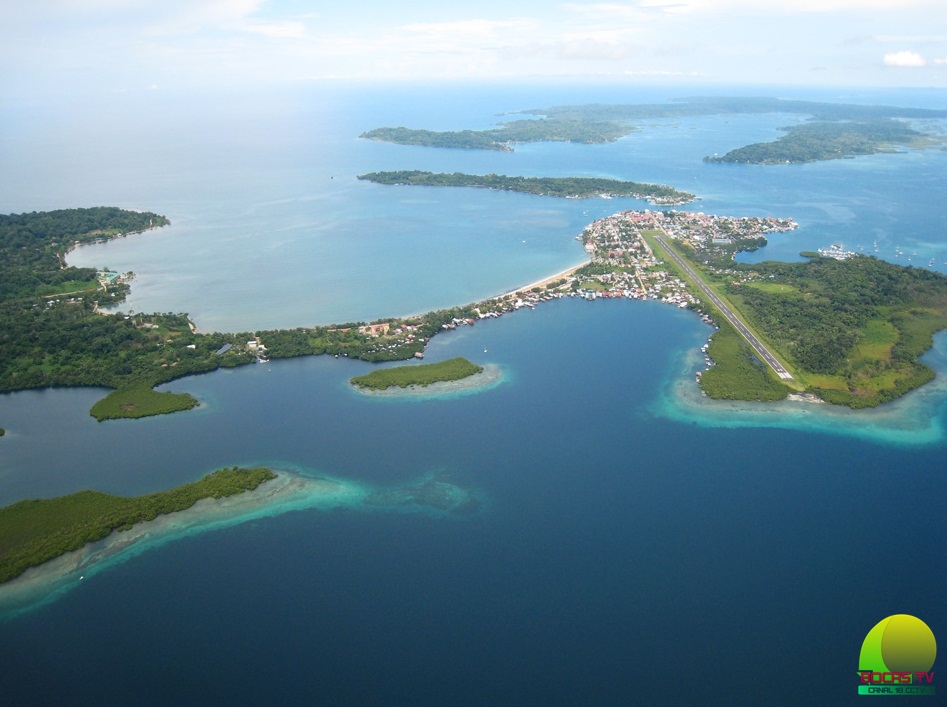
Bocas del Toro, Panama Hero Image
Wikipedia Contributor, CC BY-SA

Bocas del Toro, Panama

🌊 Coastal

Data updated Oct 9, 2026

Follows Panama Residency Rules. Check Digital Nomad & Retiree Pathways →

📊 Scores

71
FIRE
53
Retiree
57
Digital Nomad

Best fit: FIRE / Geoarbitrage (score: 69)

Bocas del Toro sits at sea level in the America/Panama timezone, a small archipelago city of roughly 7 thousand people on Panama's Caribbean coast. The climate is tropical and humid, warm all year with a pronounced rainy season from May to November, so expect consistently high temperatures and plenty of moisture. That combination of heat and rain shapes daily life, from the pace of errands to the way buildings are designed for airflow and shade. The city draws a mix of expats, and while specific neighborhoods are not singled out here, the choice often comes down to whether you want to be in the center or outside it, a distinction that matters for rent and for how close you are to the water and the main services.

Living costs in Bocas del Toro vary widely depending on your lifestyle. A single adult can get by on a budget tier of $1,700/mo, step up to a mid-range tier of $2,400/mo, or live comfortably at $3,500/mo, all with rent included. Rent itself is unusual: a 1-bedroom in the city center runs $750/mo, while the same apartment outside the center costs $900/mo. For larger spaces, a 3-bedroom in the center is $1,200/mo, and a 3-bedroom outside the center is also $1,200/mo. Excluding rent, a single person spends about $800/mo on monthly costs. Internet is $35/mo and a mobile phone plan is $40/mo, with average speeds around 15 Mbps. Eating out is affordable, with an inexpensive restaurant meal at $10 per person, a mid-range three-course meal for two at $50, and a cappuccino at $4. Against those numbers, the average monthly net salary locally is $700/mo, a sharp reminder that this is a place where foreign income often determines comfort.

Safety in Bocas del Toro is generally favorable, with a safety index of 68/100 and a crime index of 32/100, where lower is safer. Air quality is good, with an index of 35, and lower is better on that scale too. Healthcare quality is rated as fair, which means routine care is available but more complex needs may require travel or careful planning. English proficiency is common in tourist areas, so daily interactions are manageable for many visitors and residents, though learning Spanish opens more doors outside those zones. The overall expat score is 69/100, with a FIRE score of 71/100, a retiree score of 53/100, and a digital nomad score of 57/100, giving a sense of where the city lands for different long-stay goals.

For visas, Panama offers the Panama Pensionado Visa, which requires a minimum monthly income of $1,000/mo, and the Panama Digital Nomad Visa, which requires a minimum monthly income of $4,000/mo. The nearest airport is BOC, making arrivals straightforward for those flying in. Bocas del Toro suits budget-conscious expats, FIRE-minded savers, and anyone who wants a warm, wet, low-cost Caribbean base with decent safety and fair healthcare. It is less ideal for retirees who need extensive medical infrastructure or for digital nomads who depend on fast, reliable internet, since average speeds sit around 15 Mbps. If you can handle the humidity, the rain from May to November, and a local wage scale of $700/mo, the city offers a manageable cost of living and a small, familiar expat presence.
Estimate the cost of moving to Bocas del Toro, Panama

Get a free moving cost estimate for moving to Bocas del Toro, Panama. Takes 10 seconds.

How much are you shipping?

When are you moving?

Powered by Sirelo. Free quotes from international movers.

🏚️ Cost of Living

A 1BR in the center runs about $750/mo. If your income is in another currency, bank FX fees add up. A multi-currency account can cut that cost.

See low-fee transfers

We may earn a commission at no cost to you.

See how Bocas del Toro's cost of living compares with Volcán

Be the first to report costs in Bocas del Toro

Share

🛡️ Safety & Crime

68
Safety Index

(Higher is safer)

32
Crime Index

(Lower is safer)

Bocas del Toro feels relatively safe for a small Caribbean town, with a laid-back expat community and generally friendly locals. Daytime walking is comfortable in central areas; most expats move around freely during daylight. Nighttime requires more caution—avoid isolated streets after dark, though the town center remains reasonably walkable. The island setting creates natural boundaries that many residents find reassuring compared to mainland Panama.

Petty theft and opportunistic robbery are the primary concerns; secure your belongings in crowded areas and avoid displaying valuables. Break-ins targeting rental homes occur occasionally, especially unoccupied properties. Violent crime is uncommon but not unheard of. Solo female travelers should exercise standard precautions but report feeling generally safe. Avoid the rougher neighborhoods on the mainland (Almirante) and stick to the main islands, particularly Colón Island where most expats live.

Panama's police presence is limited in Bocas, and corruption exists but is less pervasive than in larger cities. Political instability is minimal here; the main risk is petty corruption and slow bureaucratic processes. The town's isolation and small expat population mean community awareness is high—locals and residents look out for each other. Overall, Bocas is suitable for expats seeking a quiet Caribbean lifestyle who accept modest security precautions and don't expect urban-level services or rapid police response.

🏥 Healthcare

Fair
Public Hospitals
Yes
Private Clinics
Yes
English-Speaking Doctors
Limited

See how Bocas del Toro's healthcare compares with Volcán

🌤️ Climate

Summer Temp
28°C
Winter Temp
26°C
Humidity
82%
Air Quality Index
35
Annual Rainfall
2362 mm

Best Months

SepOctNov

Climate Notes

Bocas del Toro has a tropical, humid climate with warm temperatures year-round and a pronounced rainy season from May to November, making it consistently warm but wet.

💻 Digital Nomad

Avg Internet Speed
15 Mbps
Internet (monthly)
$35/mo
Coworking Availability
Moderate
Coworking Spaces Nearby
0
Digital Nomad Score
57/100

Community Notes

A tropical paradise known for its vibrant lifestyle and community of travelers.

Coworking Spaces

NameNotes
Bocas CoworkingLocated in the heart of Bocas Town, Bocas Coworking offers a reliable internet connection, air conditioning, and a social atmosphere perfect for digital nomads. They have various membership options and often host events for the community.
Nomad Island Hotel & CoworkLocated on Isla Carenero, just a short water taxi ride from Bocas Town, Nomad Island Hotel offers a unique coworking experience with stunning ocean views. It's a great option for those looking for a more relaxed and secluded workspace with accommodation options.
Selina Bocas del ToroPart of the Selina chain, this location in Bocas Town provides a vibrant coworking space with a social atmosphere, events, and accommodation options. It's a popular choice for digital nomads looking to connect with other travelers and remote workers.

Names, locations and hours can change. Check each space's website before you visit. Places from © OpenStreetMap contributors and Foursquare Open Source Places (Apache 2.0).

Planning to live in Bocas del Toro long-term? Panama Digital Nomad Visa lets remote workers live legally.

View full requirements →

Working remotely from Bocas del Toro? Nomad health insurance covers you across borders, month to month.

See nomad insurance

We may earn a commission at no cost to you.

See how Bocas del Toro's digital nomad life compares with Volcán

🧳 Expat Life

English Proficiency
Common in Tourist Areas
Expat Community
medium
Banks Nearby
2
ATMs Nearby
1

🏘️ Neighborhoods in Bocas del Toro

Areas of Bocas del Toro that expats often consider.

Conditions can change from one block to the next, and these descriptions are general guides, not safety assessments. Before choosing where to stay or live, check current travel advisories, talk to people who live there, and visit in person if you can.

Bocas Town (Isla Colón)

Bustling, touristy, central hub

The main town on Isla Colón, Bocas Town is where most expats and tourists initially land. It's lively with restaurants, bars, and shops, but can be noisy and crowded, especially during peak season. Walkable, with easy access to water taxis, but expect higher prices and some petty crime.

Carenero

Relaxed island vibe, close-by

A short water taxi ride from Bocas Town, Carenero offers a quieter alternative. It's known for its beaches, surfing, and laid-back atmosphere. While walkable, it's smaller than Isla Colón, with fewer amenities, but still popular with expats seeking tranquility.

Bastimentos

Rustic, natural, off-the-beaten-path

Bastimentos is a larger island with a more authentic Panamanian feel. It's less developed than Isla Colón and Carenero, with beautiful beaches, rainforest, and wildlife. Transportation is primarily by boat, and amenities are limited, but it's a good option for those seeking a more immersive experience.

Punta Caracol

Secluded, eco-friendly, upscale

Known for its over-the-water bungalows, Punta Caracol offers a luxurious and eco-conscious experience. It's relatively isolated, focusing on nature and relaxation. Expect higher prices and limited access to amenities outside the resorts.

Page 1 of 2

Could living/working in Bocas del Toro cut years off your work life?

With a 1-bedroom in the center at $750/mo, your FIRE number here might be much lower than you think.

Calculate My FIRE Date →

🛂 Visa Options for Panama

Many long-stay visas require proof of health insurance. Compare international health plans before you apply.

Compare health insurance

We may earn a commission at no cost to you.

🛂

Earning over $734/mo? You may qualify for a Panama visa.

Answer 11 questions and get a personalized match in under 2 minutes.

Find My Visa →

More Cities to Consider instead of Bocas del Toro

FAQ

Frequently Asked Questions about Bocas del Toro

Click any question to expand the answer.

Bocas del Toro has a population of approximately 7,300 people.
A single person can expect to spend around $1,875 per month in Bocas del Toro, including rent. A 1-bedroom apartment in the city center costs approximately $750/month.
The nearest airport to Bocas del Toro is BOC, approximately 1.2km away.
Bocas del Toro is considered relatively safe, with a safety index of 68.0. As with any city abroad, expats should research specific neighborhoods before committing to a location.
Internet exists but is inconsistent and pricey ($60–80/month). Many digital nomads use mobile hotspots as backup. If your work demands rock-solid connectivity, this isn't the place—consider mainland Panama City instead.
Safety index is 68 (moderate). Tourist areas and expat neighborhoods are generally safe, but petty theft happens. Avoid walking alone at night in certain areas. Use common sense and you'll be fine; it's not dangerous by Caribbean standards.
3,458mm annually—it rains almost every day, especially May–November. December–April is drier but still wet. If you hate rain, this archipelago will exhaust you. Pack waterproof gear and accept that outdoor plans get rained out regularly.
Bocas has a sizable and active expat community, mostly concentrated in Bocas Town and Isla Carenero. You'll find plenty of opportunities to connect through social events, volunteer groups, and online forums, making it easier to adjust to life here.
Bocas Town is convenient but can be noisy. Isla Carenero offers a quieter, more laid-back vibe with easy access to town. For a more secluded experience, consider Bastimentos, but be prepared for limited amenities.
Panama offers several visa options, including the Pensionado visa (for retirees with a guaranteed income) and the Friendly Nations visa. The Friendly Nations visa is popular and requires demonstrating economic solvency and a professional or economic tie to Panama. Consult with a Panamanian immigration lawyer for the most up-to-date requirements.
Healthcare in Bocas is basic. There's a public hospital and some private clinics. For serious medical issues, many expats travel to David or Panama City. While some doctors speak English, it's helpful to learn basic Spanish.
Bocas is generally safe, but petty theft can be an issue, especially in crowded areas and at night. Avoid walking alone late at night, and be mindful of your belongings. Some areas of Bocas Town are less safe than others, especially after dark.
Internet speed can be variable. While fiber optic is expanding, expect speeds of 10-30 Mbps in most areas. Check with your accommodation provider beforehand. Consider a backup mobile data plan for reliability.
Coworking spaces are limited. Some cafes offer decent Wi-Fi and a workspace atmosphere. Check local Facebook groups for pop-up coworking events or shared office spaces.
Water taxis are the primary mode of transport between islands. Within Bocas Town, you can walk, bike, or take a taxi. Buses connect Bocas Town to other parts of Isla Colon. Be prepared for bumpy roads and boat rides.
Several banks operate in Bocas Town, including Banco Nacional and Global Bank. ATM fees can be high, so withdraw larger amounts less frequently. Consider using a travel credit card with no foreign transaction fees.
Bocas offers a lower cost of living than many Western countries, allowing you to stretch your income. Focus on local markets for groceries, eat at local restaurants (fondas), and consider renting outside of the main tourist areas.
As a US citizen, you're still required to file US taxes even when living abroad. The Foreign Earned Income Exclusion (FEIE) can help you exclude a certain amount of your foreign-earned income. You may also need to report foreign bank accounts (FBAR). Consult with a tax professional specializing in expat taxes.
While you can get by with English in tourist areas, learning basic Spanish will significantly improve your quality of life. It will help you navigate daily interactions, negotiate prices, and connect with the local community.
Bocas has a tropical climate with high humidity and consistent temperatures year-round. Expect average temperatures in the 80s (Fahrenheit). While there's no distinct dry season, September and October tend to be drier, while November and December are often rainier.

Share This Guide