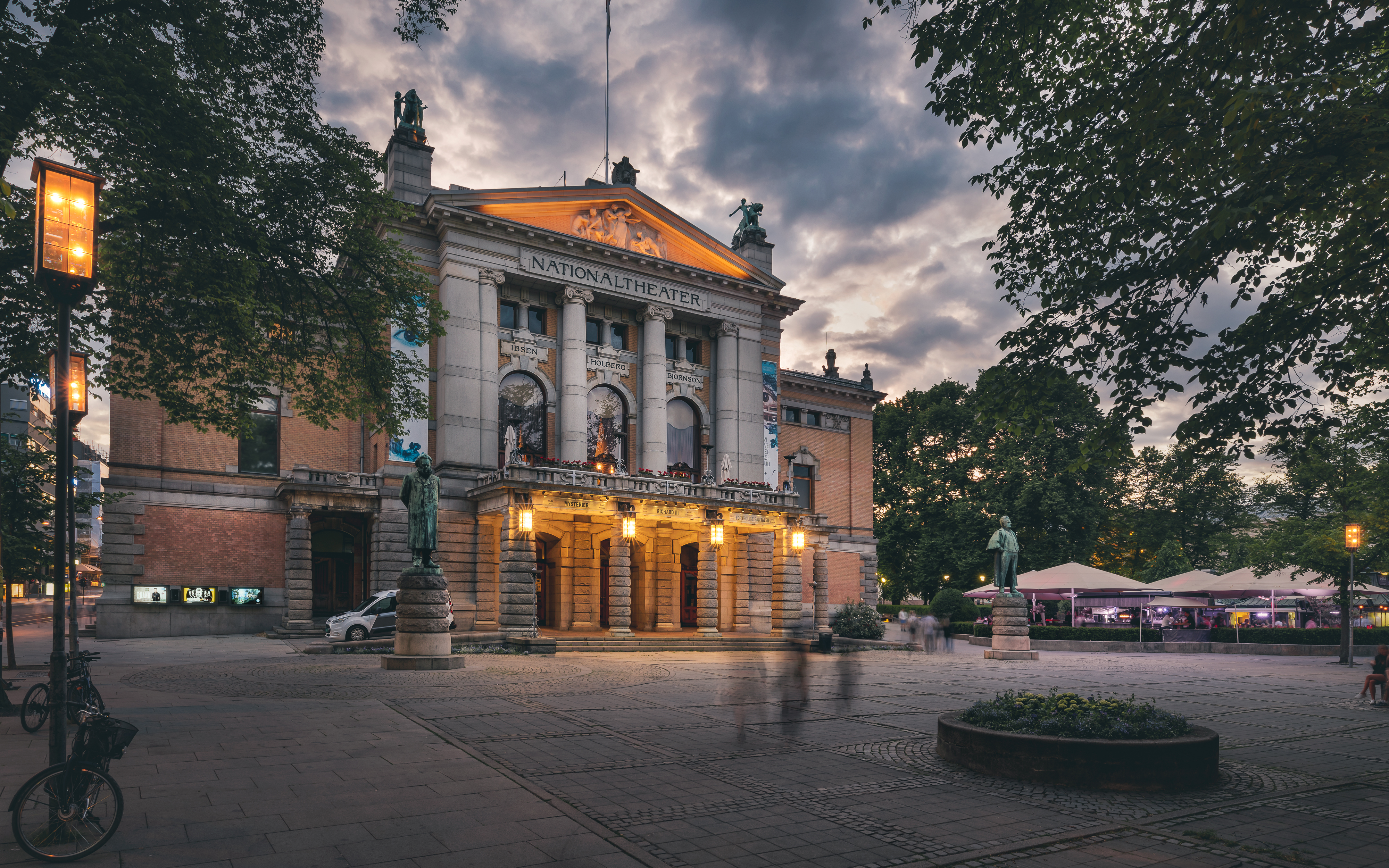
Oslo, Norway Hero Image
Wikipedia Contributor, CC BY-SA

Oslo, Norway

🏛️ Capital City🌊 Coastal

Data updated Oct 8, 2026

Follows Norway Residency Rules. Check Digital Nomad & Retiree Pathways →

📊 Scores

57
FIRE
64
Retiree
80
Digital Nomad

Best fit: Digital Nomad (score: 80)

Oslo sits at 23 meters above sea level on Norway's southern coast, where a continental climate brings warm summers and cold, snowy winters. The city's 711,000 residents live across neighborhoods that each have their own character, and expats tend to cluster in Frogner, Majorstuen, and Grünerløkka. These areas offer a mix of historic architecture, green spaces, and a lively cafe culture that makes settling in feel natural.

Living in Oslo comes with a cost of living index of 94 out of 100 compared to New York City. A single person's monthly expenses excluding rent run about $1,535, while a family of four spends roughly $5,380 before housing. Rent for a one-bedroom in the city center averages $2,027 per month, dropping to $1,565 outside the center. A three-bedroom in the center costs $3,035, and outside the center it's $2,356. Utilities add $417 monthly, internet is $55, and a mobile phone plan runs $33. A monthly public transport pass costs $81, a gym membership is $59, an inexpensive restaurant meal is $21 per person, a three-course meal for two at a mid-range restaurant comes to $125, and a cappuccino is $6. The average monthly net salary locally is $4,597, which helps offset the high costs. Budget-conscious singles can get by on about $2,400 a month including rent, while a mid-range lifestyle requires around $3,800, and a comfortable tier runs about $5,500.

Safety is a standout feature: Oslo's crime index is just 11 out of 100, and its safety index is 89 out of 100. Healthcare quality is rated as excellent, and the air quality index is a low 25, making the city exceptionally healthy to live in. English is widely spoken, so newcomers rarely face a language barrier when accessing services or socializing.

Norway offers the Svalbard Digital Nomad visa program, which requires a minimum monthly income of $2,251. The nearest airport is OSL, located just 4 kilometers from the city center. With an overall expat score of 80 out of 100 and a digital nomad score of 80, Oslo suits remote workers and professionals who value safety, excellent healthcare, and a large, active expat community. Retirees score it 64, while the FIRE score is 57, reflecting the high cost of living balanced by strong infrastructure and quality of life.
Estimate the cost of moving to Oslo, Norway

Get a free moving cost estimate for moving to Oslo, Norway. Takes 10 seconds.

How much are you shipping?

When are you moving?

Powered by Sirelo. Free quotes from international movers.

🏚️ Cost of Living

A 1BR in the center runs about $2027.04/mo. If your income is in another currency, bank FX fees add up. A multi-currency account can cut that cost.

See low-fee transfers

We may earn a commission at no cost to you.

See how Oslo's cost of living compares with Holmestrand

Be the first to report costs in Oslo

Share

🛡️ Safety & Crime

89
Safety Index

(Higher is safer)

11
Crime Index

(Lower is safer)

Oslo is genuinely one of Europe's safest capitals. Walking alone at night, even in central areas, feels secure for most expats. The city has excellent street lighting, active police presence, and a strong civic culture around personal safety. Violent crime is rare; the overall atmosphere is orderly and predictable, which matches its reputation rather than exceeding it.

Petty theft and pickpocketing occur occasionally in crowded transit hubs and tourist areas, but rates are low compared to other European cities. Scams targeting expats are uncommon. Avoid displaying expensive items on public transport. Solo female travelers report feeling safe throughout the city, including late-night walks. Drug-related activity exists in pockets like Tøyen Park, but poses minimal risk to residents staying aware of surroundings.

Norway is politically stable with reliable institutions and trustworthy police. Corruption is negligible. Occasional protests occur but remain peaceful and well-managed. The main concern for American expats is cost of living rather than safety. Oslo is genuinely suitable for remote workers and retirees seeking a secure, orderly environment—the safety profile is not overstated.

🏥 Healthcare

Excellent
Public Hospitals
Yes
Private Clinics
Yes
English-Speaking Doctors
Widely Available

See how Oslo's healthcare compares with Holmestrand

🌤️ Climate

Climate Zones
Continental
Summer Temp
22°C
Winter Temp
-4°C
Humidity
75%
Air Quality Index
25
Annual Rainfall
1061 mm

Best Months

JunJulAug

Climate Notes

Humid continental climate with mild summers and snowy winters.

💻 Digital Nomad

Avg Internet Speed
150.3 Mbps
Internet (monthly)
$55/mo
Coworking Availability
Abundant
Coworking Spaces Nearby
16
Digital Nomad Score
80/100

Community Notes

Oslo's vibrant tech scene is ideal for digital nomads seeking nature and city life.

Coworking Spaces

NameNotes
Crucible
Kroloftet
Mesh
Regus - Lysaker, LysakerLocated at Lysaker Torg 5, 3rd floor.
Regus - Oslo Aker BryggeLocated at Filipstads Brygge 1, 2nd floor, Oslo.
Regus - Oslo SkoyenLocated at Karenslyst allé 8 b, 2nd. floor, Oslo.
Regus - Oslo, Karenslyst AlléLocated at Karenslyst Allè 53, 3rd floor, Oslo.
Regus - Oslo, Nydalen Conference CentreLocated at 28 Nydalsveien, 1st floor, Oslo.
Page 1 of 2

Names, locations and hours can change. Check each space's website before you visit. Places from © OpenStreetMap contributors and Foursquare Open Source Places (Apache 2.0).

Planning to live in Oslo long-term? Norway Svalbard Digital Nomad lets remote workers live legally with a minimum income of $2,251/month.

View full requirements →

Working remotely from Oslo? Nomad health insurance covers you across borders, month to month.

See nomad insurance

We may earn a commission at no cost to you.

See how Oslo's digital nomad life compares with Holmestrand

🧳 Expat Life

English Proficiency
Widely Spoken
Expat Community
Large & Active
Top Neighborhoods
Frogner, Majorstuen, Grünerløkka
Banks Nearby
9
ATMs Nearby
9

Expat Life Notes

Oslo offers a stunning balance of nature and urban sophistication with very high social equality.

Pros

  • ✓ Extremely safe
  • ✓ Near-universal English
  • ✓ Beautiful fjords and forests

Cons

  • ✗ Very high cost of living
  • ✗ Dark and cold winters
  • ✗ Expensive social life (alcohol/dining)

🏘️ Neighborhoods in Oslo

Areas of Oslo that expats often consider.

Conditions can change from one block to the next, and these descriptions are general guides, not safety assessments. Before choosing where to stay or live, check current travel advisories, talk to people who live there, and visit in person if you can.

Frogner

Upscale, residential, elegant, green

Frogner is known for its beautiful parks, grand apartments, and proximity to the city center. It's a popular choice for expats and affluent Norwegians. Excellent public transport and walkability, but expect higher prices and a less 'local' feel in some areas.

Grünerløkka

Trendy, bohemian, vibrant, diverse

Grünerløkka is a lively area with vintage shops, cafes, bars, and a multicultural atmosphere. It's popular with younger expats and students. Good public transport, but can be noisy at night and crowded on weekends. Gentrification has increased prices.

Sentrum (City Center)

Central, convenient, bustling, touristy

Living in Sentrum puts you in the heart of Oslo, close to everything. However, it can be noisy, crowded, and expensive. Primarily suited for short-term stays or those who prioritize convenience above all else. High tourist traffic.

St. Hanshaugen

Relaxed, residential, park-filled, charming

St. Hanshaugen offers a more relaxed atmosphere with a large park and a mix of residential buildings. It's a good option for those who want to be close to the city center but prefer a quieter environment. Excellent public transport and a good balance of local and international residents.

Page 1 of 2

Could living/working in Oslo cut years off your work life?

With a 1-bedroom in the center at $2027/mo, your FIRE number here might be much lower than you think.

Calculate My FIRE Date →

🛂 Visa Options for Norway

Many long-stay visas require proof of health insurance. Compare international health plans before you apply.

Compare health insurance

We may earn a commission at no cost to you.

🛂

Earning over $2,251/mo? You may qualify for a Norway visa.

Answer 11 questions and get a personalized match in under 2 minutes.

Find My Visa →

More Cities to Consider instead of Oslo

FAQ

Frequently Asked Questions about Oslo

Click any question to expand the answer.

Oslo has a population of approximately 711,300 people.
A single person can expect to spend around $5,068 per month in Oslo, including rent. A 1-bedroom apartment in the city center costs approximately $2027/month.
The nearest airport to Oslo is OSL, approximately 3.9km away.
Oslo is considered relatively safe, with a safety index of 89.0. As with any city abroad, expats should research specific neighborhoods before committing to a location.
Oslo has an average internet speed of 150.3 Mbps. It is considered a well-established digital nomad destination.
Short stays are possible on a tourist visa (90 days in the Schengen Area), but Norway has no official digital nomad visa. For longer stays, you'll need a residence permit tied to employment, study, or family. Working remotely for a foreign employer while on a tourist visa is a legal gray area Norway doesn't formally accommodate, so long-term nomad life here is complicated.
Budget at least $4,500–$5,500/month after tax for a comfortable single-person lifestyle — covering a central one-bedroom ($1,550), groceries ($600–800), transit ($100), dining out occasionally, and activities. Oslo consistently ranks among the world's most expensive cities. Couples can split housing costs, but food and services don't get cheaper. Coming in under $3,500/month means real sacrifices.
English fluency is near-universal among Norwegians under 50, so daily life — shopping, socializing, most service interactions — works fine in English. But Norwegian is effectively required for most local jobs, government paperwork, and long-term integration. Residency applicants are expected to complete Norwegian language courses. If you plan to stay beyond a year or two, treat language learning as non-optional, not optional.
Consider areas like Grünerløkka or Torshov for more affordable living while still being close to the city center. These neighborhoods offer a mix of apartments and cultural attractions, with good public transport links. Expect to pay around 15,000-20,000 NOK per month for a one-bedroom apartment.
Norway has a universal healthcare system, but access for non-residents can be complex. As a retiree, you'll likely need private health insurance unless you qualify for residency and become part of the national scheme. The quality of care is excellent, and many doctors speak English.
Oslo boasts excellent internet infrastructure, with fast and reliable connections readily available. You can expect speeds of 50-100 Mbps or higher in most apartments and coworking spaces. Many cafes also offer free Wi-Fi, though the speed can vary.
As a US citizen, you're still required to file US taxes even when living abroad. The Foreign Earned Income Exclusion (FEIE) can help you exclude a certain amount of your income from US taxes, and you may also need to report foreign bank accounts (FBAR) if they exceed $10,000 in aggregate.
Services like Wise (formerly TransferWise) and Remitly are popular for international money transfers. Traditional bank transfers are also an option, but they often come with higher fees. Check the exchange rates and fees carefully before making a transfer.
Oslo has a continental climate with cold winters and mild summers. Expect snow and ice from November to March, with temperatures often below freezing. Summers are pleasant, with average temperatures around 20°C (68°F), but can be unpredictable.
Yes, Oslo has a sizable expat community, and you'll find many English speakers. There are various expat groups and social events where you can connect with other foreigners. This can help ease the transition and combat feelings of isolation.
Oslo has an excellent public transportation system, including trams, buses, subways (T-bane), and ferries. It's easy to get around without a car, and in fact, driving in the city center can be challenging and expensive due to parking fees and congestion charges. Consider purchasing a monthly travel pass.
Groceries in Oslo are expensive compared to the US. Expect to pay a premium for most items, especially fresh produce. Dining out is also pricey, with a typical restaurant meal costing upwards of 300 NOK per person. Consider cooking at home to save money.
For stays longer than 90 days, Americans typically need a residence permit. Options include a work permit (if you have a job offer), a study permit (if you're enrolled in a Norwegian educational institution), or a family immigration permit (if you have family in Norway). Research the specific requirements for each permit type on the UDI (Norwegian Directorate of Immigration) website.
Oslo's high cost of living makes it challenging for FIRE, especially if relying solely on passive income. However, if you have a substantial nest egg and are willing to adjust your lifestyle, it's possible. Consider geoarbitrage strategies, such as investing in lower-cost areas while enjoying Oslo's amenities.
The day-to-day quality of life is generally very high. Norwegians are polite and helpful, and most people speak excellent English. While learning some Norwegian will enhance your experience, you can comfortably navigate daily life using English in most situations.

Share This Guide