Processing Time
4-6 wks
Difficulty
Difficult
Duration
36 months
Overview
A reader with $3,500/month in remote work fees, self-employment income, or business income clears the stated floor; Social Security and pension income do not count here. The application fee is $710, processing runs 4 weeks–6 weeks, and the permit lasts 36 months with renewal available. Physical presence is simple: 0 days/year, so a split-year plan between Norway and another country does not trigger a stay requirement on the Norway side.
Local work is permitted, and the allowed income sources are contractor, self_employed, owner, remote_work, and business. That makes this closer to a long-form work authorization than a passive-income residence route. The path to settlement is clear on paper: it leads to permanent residence after 5 years. Health insurance is required, while a local bank account, apostille, FBI background check, medical exam, and interview are all not required by the stated facts.
The friction is documentary rather than procedural: Norway is marked difficult, and the bureaucracy score is 2.7375/5. The missing items that matter most for planning are the fact that renewal cost is $600 as of 2026, max consecutive absence is not specified, and local income limit is not specified. Dependents are allowed, but the adult and child add-ons are not specified, so family budgeting has to start from the base $710 fee and whatever the family filing costs turn out to be.
This makes most sense if you have at least $3,500/month of qualifying freelance or business income, want 36 months up front, and do not need a zero-presence scheme to preserve another country as your main base. This is a poor fit if your support plan is built on Social Security, pension distributions, or a portfolio that only throws off dividends and capital gains, because those income streams are not counted in the qualifying rule set.
For a FIRE retiree, the decisive question is not lifestyle but income classification: the program rules recognize remote work and business income, not pension income or Social Security, so a $4,000/month retiree draw from brokerage withdrawals does not fit the stated test unless the applicant also has qualifying contractor or business income.
Eligibility Requirements
Any nationality can apply in principle. The practical friction point is not formal eligibility but consular and banking hurdles for applicants from Russia, Iran, North Korea, Syria, and Cuba, where documentation review, payment channels, or account opening can slow or derail an otherwise valid application. Verify eligibility and document rules directly with the Norwegian Directorate of Immigration (UDI) before assembling a full package.
Renewal Cost
$600/yr
Duration
36 months
Remote Work / Freelance · Business Income
1099 Contractor · Self-Employed · Business Owner
Requirements Checklist
0 of 21 documents in hand
0%These take the longest, so start them first.
Request these while the slow items are in progress.
You only need these on the day you submit.
How and where to apply
Apply online via the official UDI portal (udi.no) from your home country or if legally present in Norway. Non-EU/EEA nationals submit for Independent Contractor Visa; EU/EEA nationals register self-employment under EU/EEA regulations after arrival. Biometrics may require a VFS Global center or Norwegian embassy appointment.
Tax Information
Local tax picture Norway uses a resident tax regime for this visa. That means once you become tax resident, Norway taxes your worldwide income rather than only Norway-source income. For a holder living on remote salary, self-employment income, ETF dividends from a foreign brokerage, and rental income from property abroad, the local filing picture points to resident taxation rather than territorial exclusion.
Foreign capital gains are taxed under Norway's shareholder model at an effective rate of about 37.84%, with no separate exemption. On the information provided, gains from selling index funds or ETFs in a foreign brokerage should be treated as part of the resident tax base unless a specific treaty rule or domestic exemption applies; so a FIRE investor should not assume territorial-style exclusion here.
Tax residency is triggered at 6 months after arrival. The visa rules do not say that residency begins on grant alone. The treaty status with the US is yes, which means treaty relief exists in some form, but it does not eliminate filing or taxation by itself. The practical filing step is local registration and compliance in Norway’s resident system; registration for the local tax ID must be completed within 6 months of becoming tax resident.
For US Citizens and Green Card Holders - FEIE: Form 2555 can shelter earned income only, up to $132,900 for 2026. That covers remote work, self-employment, and consulting income, but not dividends, capital gains, pension distributions, or Social Security. - Norway’s 0-day presence rule is useful for residence, but FEIE still needs either the Physical Presence Test (330 days in any 12-month period, including time in Norway) or the Bona Fide Residence Test. With a 36-month permit and no annual presence requirement, the Physical Presence Test is often the cleaner fit if you are actually outside the US long enough. - FTC: Form 1116 helps only when foreign tax on a given income stream exceeds the US tax on that stream. If Norway’s effective local rate is low or zero on a particular item, the FTC does not shelter that income. - FBAR: FinCEN 114 is required when foreign account balances exceed $10,000 at any point in the year, separate from FATCA Form 8938. A local bank account is not required for this visa, but if you open one, it can become an FBAR-reportable account.
For planning, use a US CPA focused on expat FEIE/FTC/FBAR work and a local Norway tax advisor for residency, registration, and filing mechanics. The $1,500–$3,000 spent in year one on professional guidance usually pays for itself in avoided penalties and better elections.
Living in Norway
COL Index vs NYC
69.0
Monthly Cost (excl. rent)
$1,386
1BR Rent (City Center)
$1,348
Safety Index
67.0
Healthcare Index
75.6
Quality of Life Index
195.0
Time Zone
UTC+01:00
Capital
Oslo
Population
5.4M
Official Languages
Norwegian Nynorsk, Norwegian Bokmål, Sami
Avg Internet Speed
172 Mbps
Public Transit Quality
Good
With a budget covering rent and living costs, you'd need roughly $2,734/mo for a comfortable single-person lifestyle in Norway.See how far your money goes →
🏙️ Best Cities in Norway for Freelancers
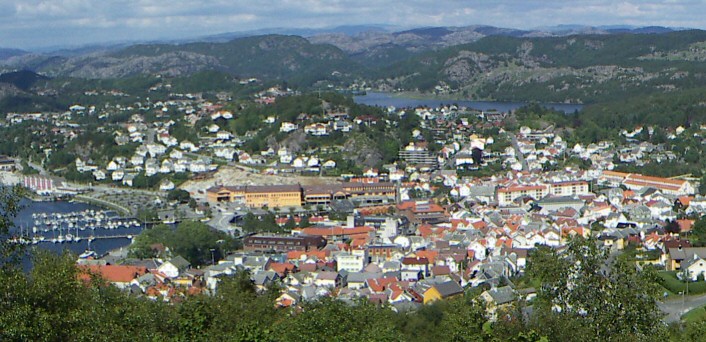 ✦ 76
✦ 76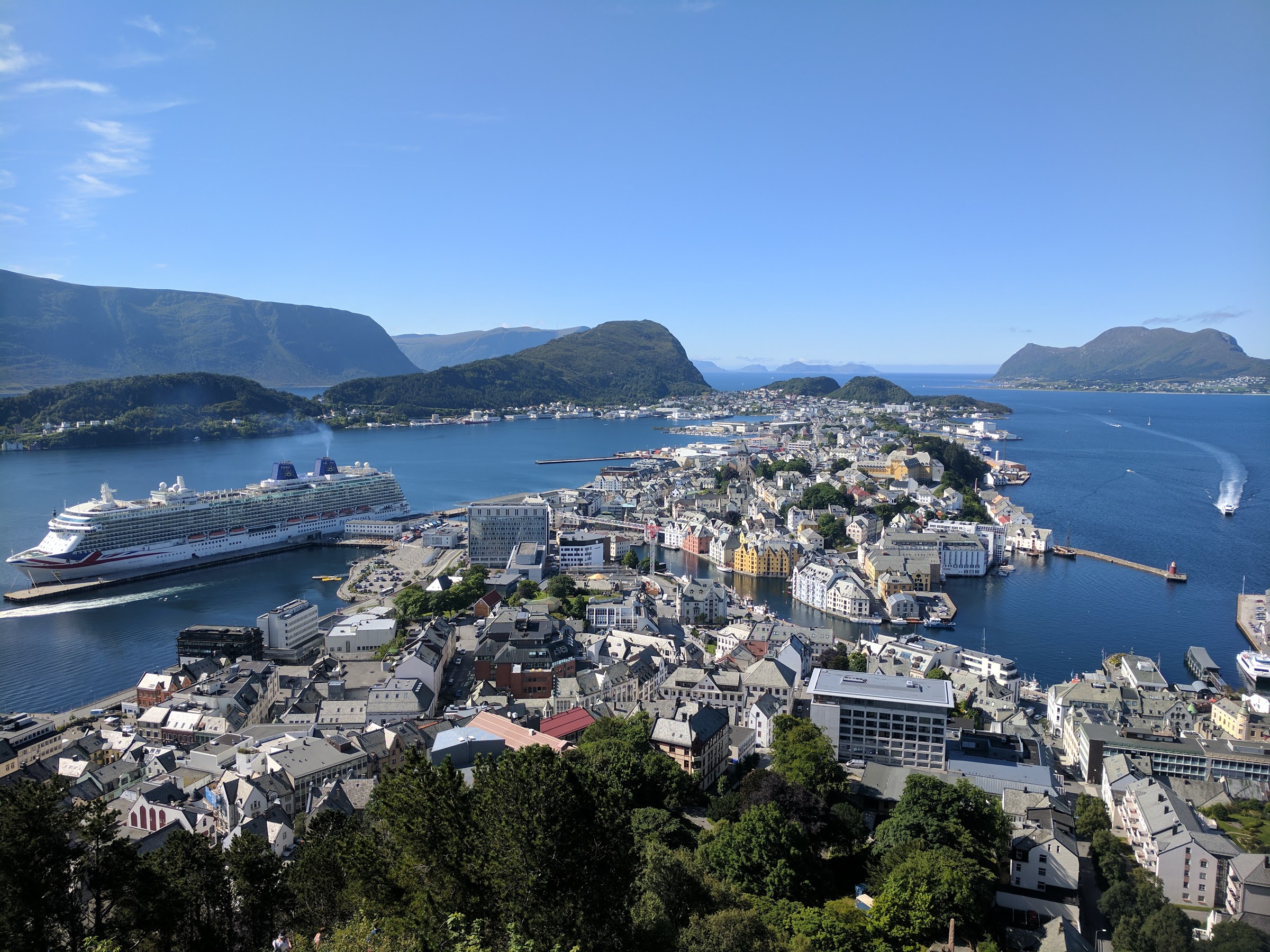 ✦ 75
✦ 75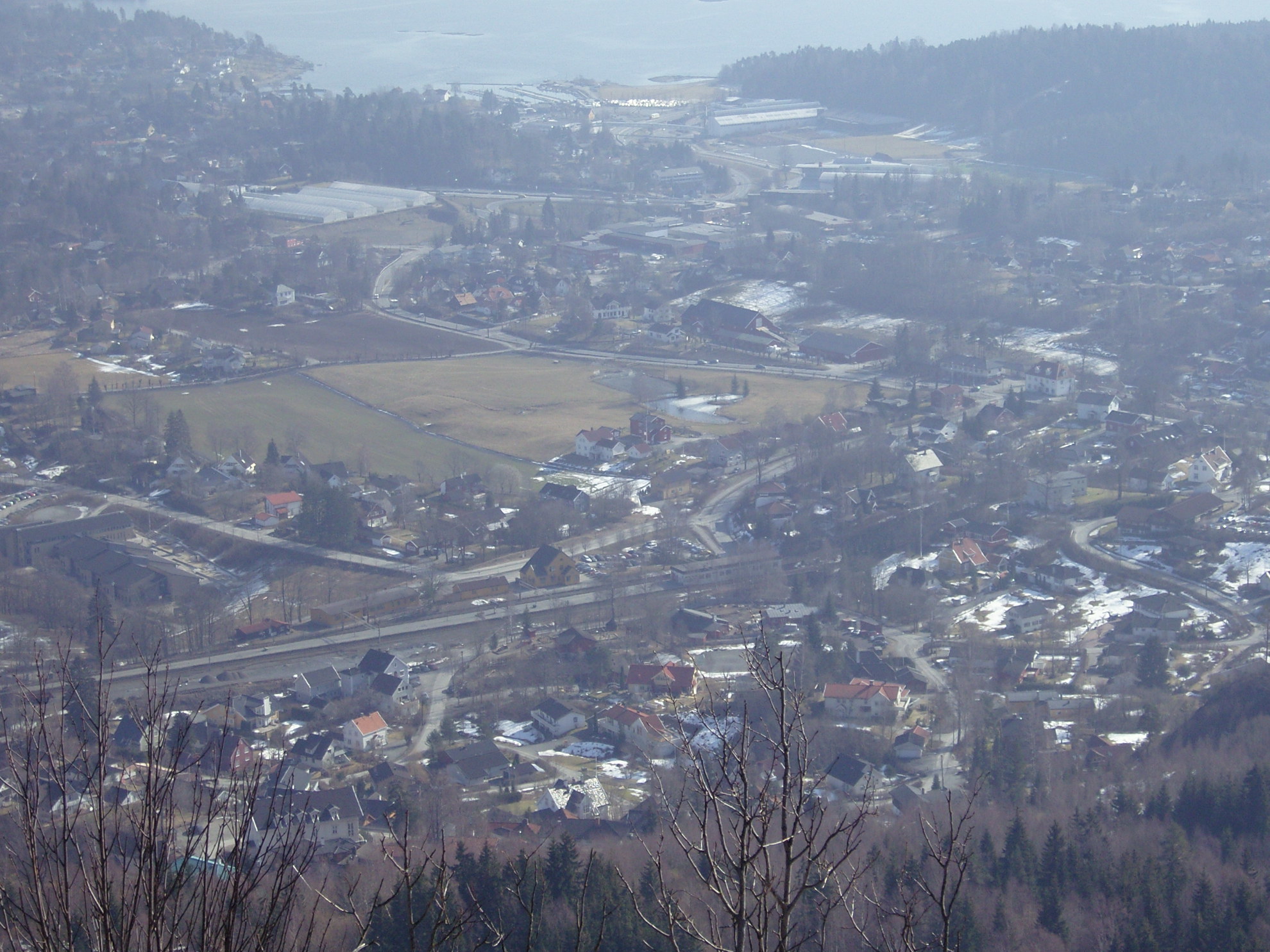 ✦ 79
✦ 79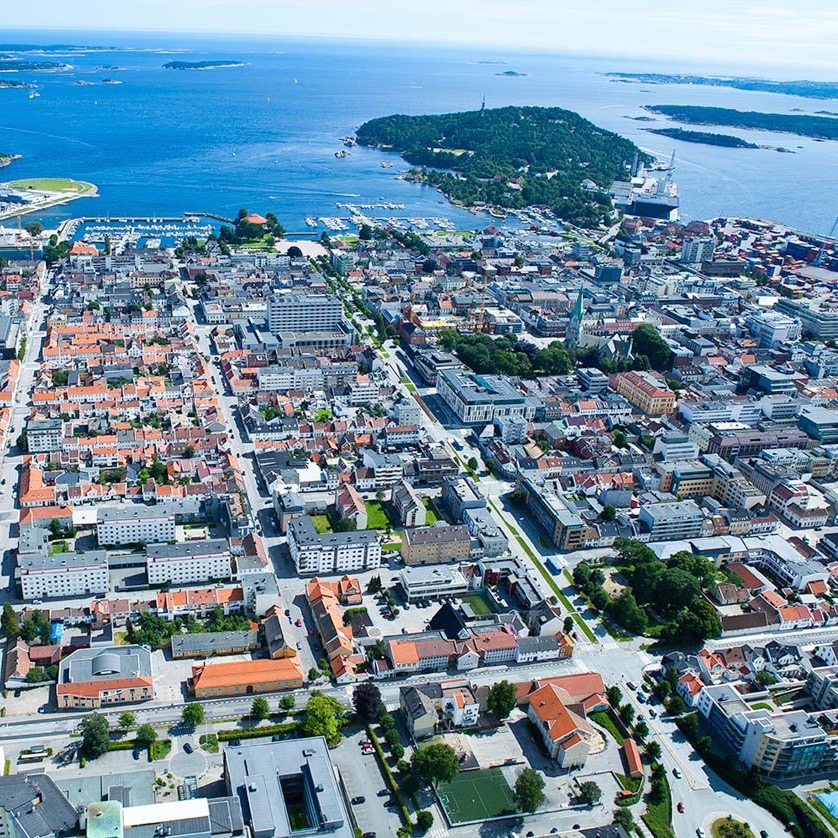 ✦ 75
✦ 75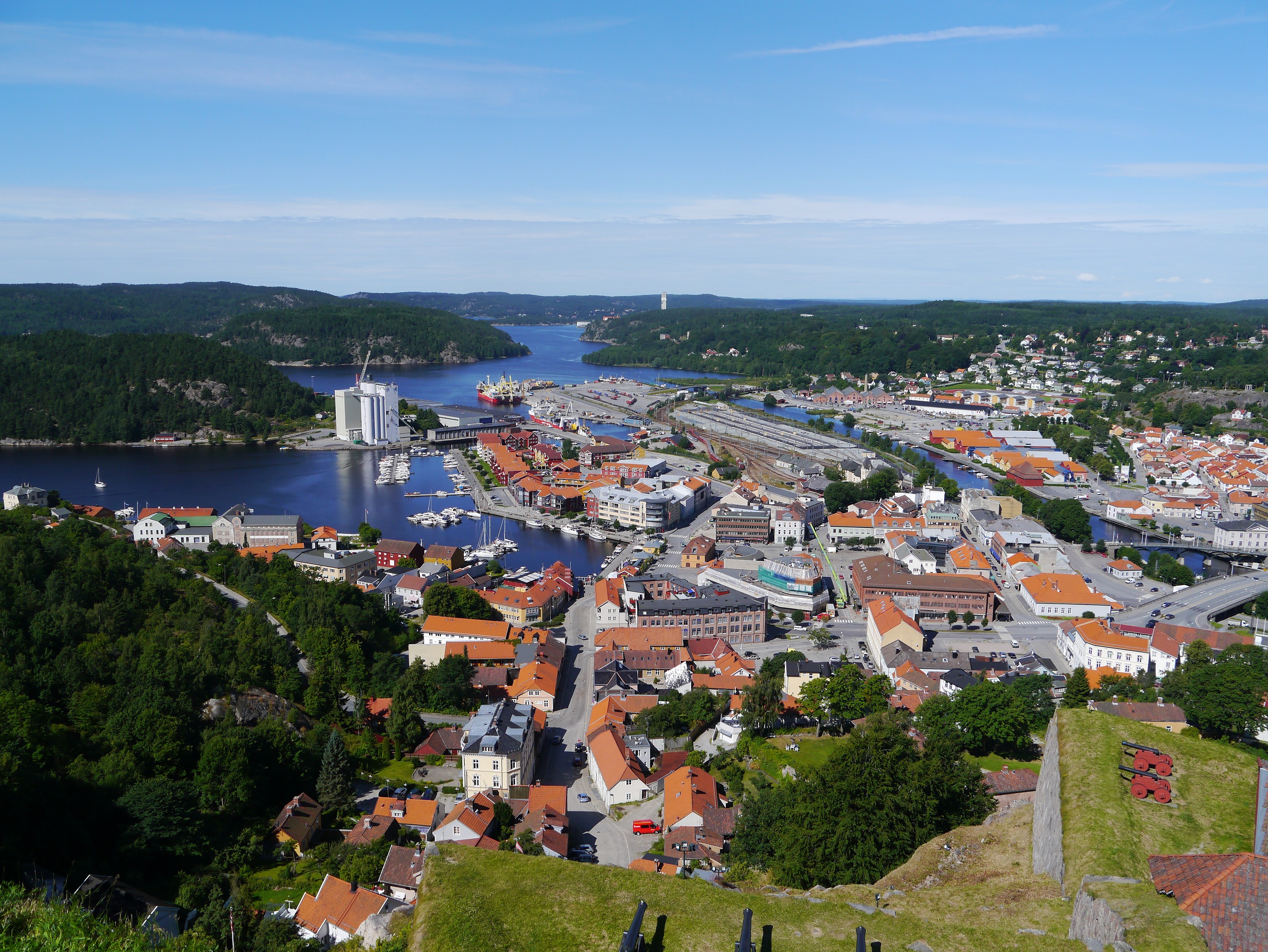 ✦ 77
✦ 77 ✦ 77
✦ 77The accommodation requirement and how people get it wrong
Proof of accommodation sounds simple until you try to get it before you have a permit. UDI wants a rental contract, a housing contract, or a written confirmation with a full address, and landlords in Norway, particularly in Oslo, Bergen, and Trondheim where most freelance applicants land, are not eager to sign a year-long lease with someone who doesn't yet have residency status or a Norwegian income history. This is the chicken-and-egg problem nobody warns you about early enough.
The workaround that tends to hold up is a conditional or short-term arrangement, sometimes through corporate housing or a landlord willing to put something in writing that names an address and a start date without demanding the full commitment of a standard lease. A booking confirmation from a short-term rental platform is thinner ground; it can work if it specifies an address and duration, but caseworkers treat it as weaker evidence than an actual contract, and if your file is already light on the business side, a soft accommodation document compounds the risk of a request for more information rather than an approval.
The other error is timing. Applicants sometimes secure accommodation for their arrival date and assume that covers the requirement, without realizing the address needs to be documented at the point of filing, not the point of landing. If your business plan says you'll be operating out of a specific city, the accommodation proof should match that city. A mismatch between the city in your business plan and the address on your housing document is the kind of small inconsistency that gets an otherwise strong file sent back for clarification.
What happens after you land
Getting the permit approved is not the same as being fully settled. Once you arrive, you're dealing with registration steps that run somewhat separately from the visa decision itself: reporting to the police or the relevant service center to get your residence card processed, applying for a national ID number, and registering with tax authorities. Norway gives you six months from arrival to sort out your tax registration, which sounds generous until you realize that number, your bank setup, and your ability to invoice clients properly are all tangled together, and the first few weeks tend to go faster if you've already lined up which of those steps depends on which.
There's no minimum number of days you're required to be physically present in Norway to maintain this particular permit, which is unusual compared to a lot of residence-by-business schemes elsewhere. That flexibility is real, but don't mistake it for an invitation to run the business from abroad indefinitely. The permit is granted on the premise that you're building something in Norway; if your actual pattern of life doesn't match that story by the time you're up for renewal or PR, that gap becomes the thing a caseworker asks about.
If you're applying from outside Norway, biometrics usually mean a trip to a VFS Global center or an embassy appointment before a decision comes back, and that step is worth scheduling early rather than assuming it slots in automatically once your paperwork is submitted. EU/EEA nationals skip a lot of this by registering self-employment after arrival rather than filing for the Independent Contractor Visa route, which is a meaningfully different administrative path from what non-EU applicants go through.
The long-term path to permanent residence in practice
Five years is the number on paper for permanent residence, and it holds up as long as the business side of your file stays coherent the whole way through. The initial permit runs three years, which means at least one renewal cycle, at $600, before you're even in range of applying for PR, and each renewal is another moment where UDI can look at whether the business you described in your original application actually exists in the form you said it would.
This is where freelancers underestimate the administrative weight of staying compliant year over year. It's not that the requirements change dramatically at renewal, it's that the story has to keep holding together: the income has to still meet the threshold UDI expects, the business has to show some continuity rather than a full pivot, and the tax filings need to reflect a person who has been living as a Norwegian resident, because Norway taxes on a resident basis and expects you to file accordingly rather than quietly running a shadow arrangement with US clients and hoping nobody asks.
Nothing here suggests the path is unusually hard by international standards. It's just longer and more paperwork-heavy than people expect from a "freelance visa," and the five-year clock only means something if the years in between are clean.
Norway versus the easier digital nomad route
The obvious alternative for someone earning $4,000 to $10,000 a month from US clients is one of the pure remote-work visas built for exactly that profile, the kind where you show recurring income above a threshold and the host country doesn't ask what you're contributing to its local economy. Norway's freelance permit asks for more: a business plan, a market rationale, sometimes local client relationships, and a tax posture that treats you as a resident from early on rather than a guest passing through on favorable terms.
The decision comes down to what you actually want out of the move. If the goal is a change of scenery while your US income keeps flowing and your tax life stays as simple as possible, a nomad visa elsewhere is built for that and asks less of you. If the goal is truly relocating, with a path to permanence in a country with strong public services and a functioning legal system, Norway's version asks you to commit earlier and more visibly, but it's also structured to actually get you somewhere, toward permanent residence, rather than leaving you on a renewable tourist-adjacent status indefinitely. For someone still building a client base opportunistically, that's a harder case to make. For someone who already has a defensible reason to be operating in the Norwegian market, or is willing to build one, it's a more honest fit than pretending a remote-work visa is a relocation plan.
Work Permissions
Application Steps
- 1
📋 Research eligibility and gather basics
1-2 weeks
- 2
📄 Collect identity and qualification documents
2-4 weeks
- 3
📄 Secure health insurance coverage
1 week
- 4
📬 Complete UDI online application
1-2 days
- 5
📬 Submit application via portal or VFS
Same day
- 6
⏳ Wait for processing decision
4-6 weeks
- 7
🏛️ Register residence upon arrival
1 week
- 8
🏛️ Apply for renewals as needed
4-6 weeks
Compare this visa
Curated comparisons that include this route.
Frequently Asked Questions
Click any question to expand the answer.
Ready to Apply?
Work with trusted visa specialists who handle the paperwork so you can focus on your move.
Get help with this visa →* We may earn a commission if you apply through our link
At a Glance
Last verified: July 15, 2026