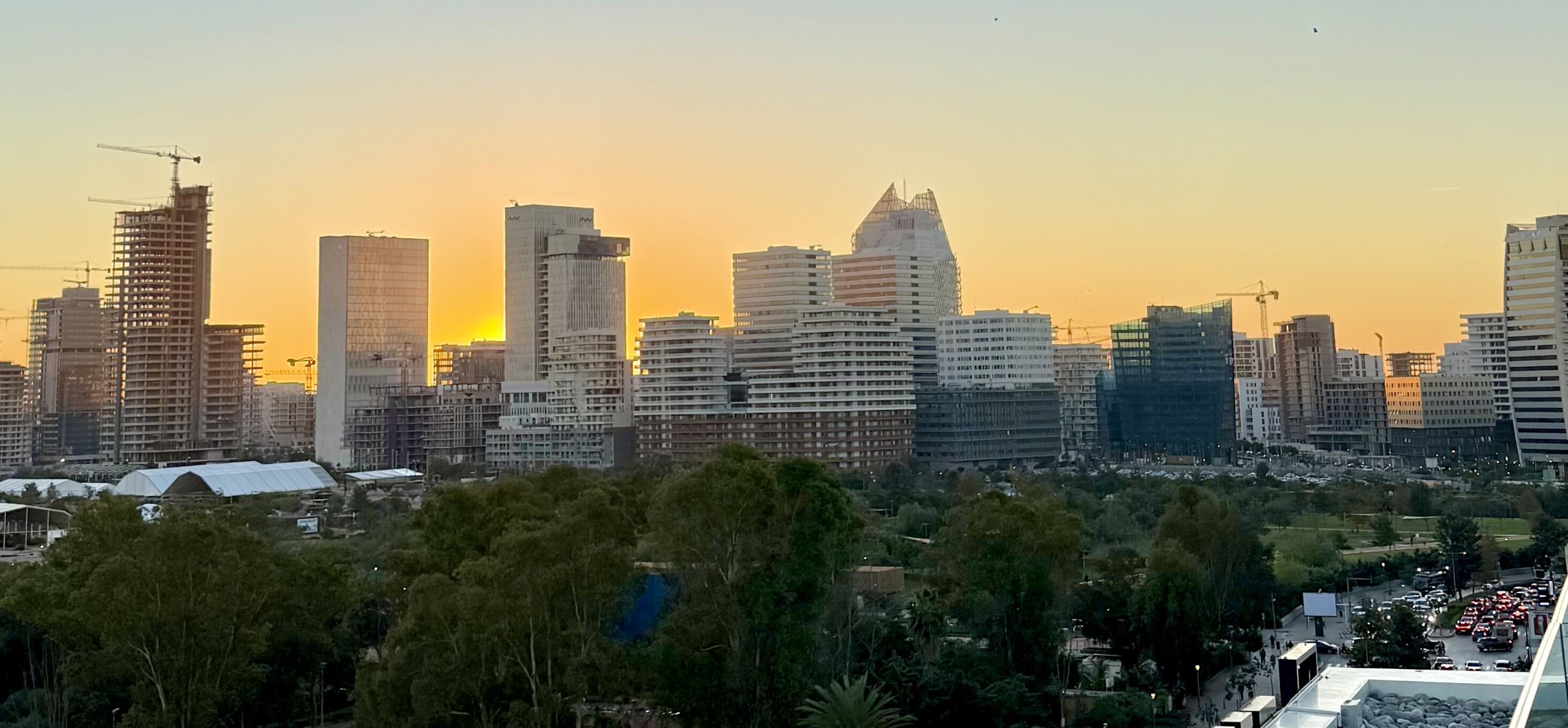
This city breathes finance. Africa's third-largest stock exchange by market cap sets the tone, and the job market follows: Société Générale, BNP Paribas, OCP Group, and a constellation of multinationals use Casablanca as their North Africa anchor. Remote work is not the draw here. People fly in for boardrooms, not cafes. You land a role in trade, logistics, or regional management, then show up to an office. Monthly costs outside rent run $580, with a one-bedroom in the city center at $550, cheap by European yardsticks but steep if you're on a local salary.
Finding an apartment in Gauthier or Maarif won't ruin you, but the traffic will test your patience daily. The tram covers key corridors, petit taxis cost pocket change, yet rush hour turns a 15-minute trip into an hour-long crawl. Private clinics deliver competent, affordable healthcare. Public hospitals, understaffed and overcrowded, are not where you go for anything serious. Residency paperwork is a slow, document-heavy slog, budget weeks, not days. French opens doors in business, but without Arabic you stay locked out of everyday life, from the market to the mechanic. Internet clocks 80 Mbps, reliable enough, and the safety index of 60 means you keep your wits about you without constant anxiety, though petty theft is real.
You belong here if you're building a career in finance, logistics, or regional leadership and want a city that feels consequential without Parisian prices. The expat crowd is mostly French and Spanish professionals, weekends mean the beach at Ain Diab or day trips to Rabat, and your social circle grows around work. Skip Casablanca if you're chasing a breezy remote-work perch. The city demands engagement: with the language, the grinding bureaucracy, the relentless traffic. If you want Morocco's texture minus the corporate machinery, Essaouira or Marrakech will fit better. This is a place for grinders, not casual drop-ins.