KLCC
Central high-rise living
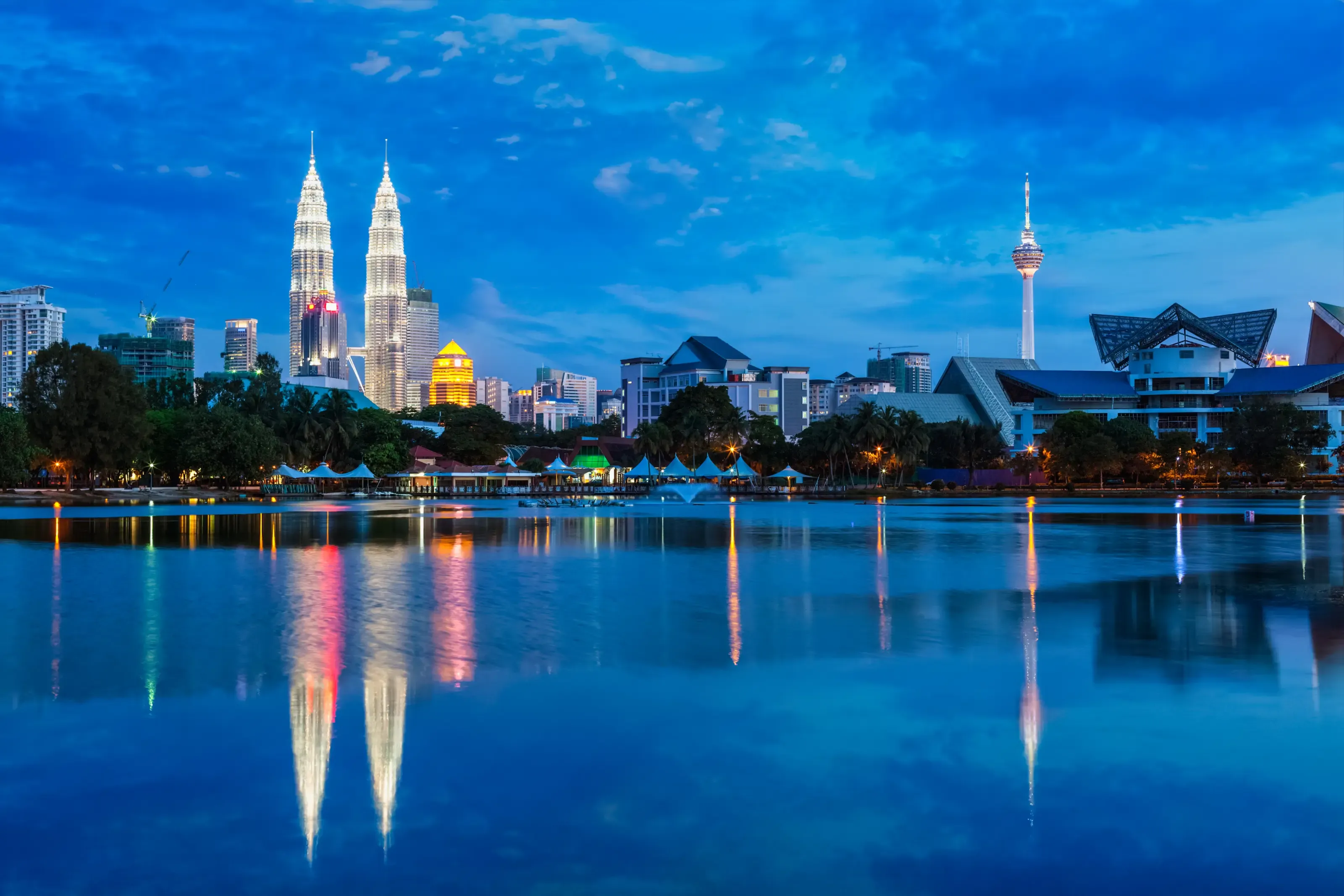
The city core around the Petronas Twin Towers - luxury high-rise condos with pools and gyms, Suria KLCC mall and KL Park. Central, polished and convenient, with rents low by Western standards.
Data updated Oct 8, 2026
Best fit: Digital Nomad (score: 82)
Kuala Lumpur keeps appearing on best-places-to-live lists and for once the lists are not wrong, though the reasons people cite publicly tend to understate what actually makes it work. The cost argument is real but incomplete. The infrastructure argument is undersold. The weather argument is never made honestly.
The economy is the most diversified in Southeast Asia outside Singapore, which sits four hours south and serves as the comparison point locals both resent and invite. Finance, manufacturing, tech services, and a serious oil and gas sector through Petronas create a genuine professional job market. The KLCC corridor around the twin towers functions as a proper central business district with multinational tenants, regional headquarters, and the support ecosystem those attract. For remote workers and digital nomads, the combination of fast and cheap fiber internet, an abundance of cafes and coworking spaces, and the Malaysia My Second Home visa program makes the administrative side more manageable than most of the region.
Housing is where the numbers become difficult to argue with. A well-appointed one-bedroom in Mont Kiara, the neighborhood that absorbs most of the Western expat community, runs $600 to $900 monthly. KLCC and Bukit Bintang cost slightly more for the central location. Bangsar offers a quieter, slightly more local feel with good restaurants and coffee shops at similar price points. All of these come with amenities, building security, and pool access that would cost three times as much in any comparable Asian capital. Condos here are built to a specification that assumes air conditioning runs permanently, which it does.
That brings in the weather. Kuala Lumpur sits about three degrees north of the equator and the climate is not tropical in the brochure sense. It is hot and humid every single day of the year with no meaningful seasonal variation. Temperatures hold between 27 and 35 Celsius regardless of month. There is a wet season and a less wet season, not a dry one. Afternoon thunderstorms arrive with regularity. Outdoor exercise happens early in the morning or it does not happen comfortably. People who move here from temperate climates spend several months adjusting and then mostly stop noticing. A few never adjust and leave. It is worth being honest with yourself about which category you fall into before committing.
The food situation is one of the genuine arguments for Kuala Lumpur over nearly any other city at this price point. Malay, Chinese, and Indian cuisines exist in serious form, not tourist approximations, because they represent the actual population. Hawker centers serve full meals for $2 to $4. Mid-range restaurants across all three traditions are cheap enough that cooking at home starts to feel like a lifestyle choice rather than a financial necessity. The diversity means dietary restrictions of almost any kind can be accommodated somewhere within a short distance.
Getting around requires a car or some patience with the public transit patchwork. The LRT, MRT, and monorail cover the central corridors reasonably well and the network has expanded meaningfully over the past decade. The gaps between lines and the last-mile problem in residential neighborhoods mean that car ownership or heavy Grab usage fills in the rest. Traffic during peak hours on the federal highways is genuinely bad and residents route their days around it.
The expat community is layered in ways that do not immediately surface. There is a long-established community of British, Australian, and American professionals, often in finance or oil and gas, many of whom have been here for a decade or more and show no interest in leaving. There is a newer wave of remote workers and digital nomads attracted by the cost and infrastructure. There is a substantial community of Middle Eastern and South Asian expats, particularly in certain neighborhoods, that creates a different social texture than most Southeast Asian cities. The city is majority Muslim, which shapes certain aspects of public life including alcohol availability and Ramadan hours, without being restrictive in the ways that sometimes concern people before they arrive.
Healthcare is strong for the region. Prince Court, Gleneagles, and Pantai Hospital are private facilities with internationally trained staff and costs a fraction of what equivalent care runs in Australia or the UK. Medical tourism is a real industry here, which keeps the private sector competitive.
Best suited for: professionals in finance, energy, or tech looking for a regional base, remote workers who want serious infrastructure at low cost, and anyone willing to trade seasons and outdoor lifestyle for one of the better combinations of food, affordability, and urban convenience in Asia.
Get a free moving cost estimate for moving to Kuala Lumpur, Malaysia. Takes 10 seconds.
How much are you shipping?
When are you moving?
Powered by Sirelo. Free quotes from international movers.
Kuala Lumpur on a budget budget comes to about $638 a month for one adult, with $380 of that going to rent. Beyond rent the estimate covers $97.00 on groceries, $20.00 on dining out, $31.00 on entertainment and lifestyle, $98.00 on utilities and connectivity and $12.00 on transport.
Rent
$380/mo
1BR outside the centre
Groceries
$97.00/mo
75% of mid-range grocery spend
Dining out
$20.00/mo
4 inexpensive meals
Entertainment & lifestyle
$31.00/mo
1 cinema trip, 8 cappuccinos
Utilities & connectivity
$98.00/mo
utilities, mobile, internet
Transport
$12.00/mo
Monthly pass
Budgets (excl. rent)
Excludes rent. The total above is all-in, rent included.
Kuala Lumpur on a mid-range budget comes to about $767 a month for one adult, with $380 of that going to rent. Beyond rent the estimate covers $129 on groceries, $49.00 on dining out, $99.00 on entertainment and lifestyle, $98.00 on utilities and connectivity and $12.00 on transport.
Rent
$380/mo
1BR outside the centre
Groceries
$129/mo
Staples basket scaled to a full month
Dining out
$49.00/mo
10 inexpensive meals
Entertainment & lifestyle
$99.00/mo
gym, 2 cinema trips, 12 cappuccinos
Utilities & connectivity
$98.00/mo
utilities, mobile, internet
Transport
$12.00/mo
Monthly pass
Budgets (excl. rent)
Excludes rent. The total above is all-in, rent included.
Kuala Lumpur on a comfortable budget comes to about $1,183 a month for one adult, with $641 of that going to rent. Beyond rent the estimate covers $180 on groceries, $118 on dining out, $134 on entertainment and lifestyle, $98.00 on utilities and connectivity and $12.00 on transport.
Rent
$641/mo
1BR in the centre
Groceries
$180/mo
140% of mid-range grocery spend
Dining out
$118/mo
6 inexpensive meals + 6 mid-range meals
Entertainment & lifestyle
$134/mo
gym, 4 cinema trips, 20 cappuccinos
Utilities & connectivity
$98.00/mo
utilities, mobile, internet
Transport
$12.00/mo
Monthly pass
Budgets (excl. rent)
Excludes rent. The total above is all-in, rent included.
Estimates for one adult, built from this city's average prices and the usage shown for each tier. Your spending will differ with how often you eat out and where you live.
A 1BR in the center runs about $640.78/mo. If your income is in another currency, bank FX fees add up. A multi-currency account can cut that cost.
See low-fee transfersWe may earn a commission at no cost to you.
See how Kuala Lumpur's cost of living compares with Putra Heights
See how Kuala Lumpur's healthcare compares with Putra Heights
| Name | Notes |
|---|---|
| Colony | Luxury/boutique coworking; KLCC (Vipod), KL Sentral (Q Sentral) and Eco City. Pools, in-house cafe. Hot desk ~RM430/mo (2026). |
| Common Ground | Malaysia's largest operator, 14 locations (KLCC, Bangsar, Mont Kiara, Damansara Heights). Hot desk from RM399/mo at newer sites (RM499 standard), 2026. |
| WeWork Kuala Lumpur | KL Sentral (Malaysia's largest transit hub); premium fit-out, global network. Check site for current rate. |
Names, locations and hours can change. Check each space's website before you visit. Places from © OpenStreetMap contributors and Foursquare Open Source Places (Apache 2.0).
Planning to live in Kuala Lumpur long-term? Sarawak Digital Nomad Programme (Malaysian Borneo) lets remote workers live legally.
View full requirements →Working remotely from Kuala Lumpur? Nomad health insurance covers you across borders, month to month.
See nomad insuranceWe may earn a commission at no cost to you.
See how Kuala Lumpur's digital nomad life compares with Putra Heights
Areas of Kuala Lumpur that expats often consider.
Conditions can change from one block to the next, and these descriptions are general guides, not safety assessments. Before choosing where to stay or live, check current travel advisories, talk to people who live there, and visit in person if you can.
Central high-rise living
The city core around the Petronas Twin Towers - luxury high-rise condos with pools and gyms, Suria KLCC mall and KL Park. Central, polished and convenient, with rents low by Western standards.
Expat favorite, dining
A long-established expat enclave known for its restaurants, bars, boutiques and weekend markets. Relaxed, leafy and unusually walkable for KL.
Family and international
A high-rise residential hub popular with expat families - international schools, full-facility condos and a large international community.
Upscale and quiet
One of KL's most prestigious residential areas - embassies, leafy streets and a calm, upmarket feel close to the city centre.
With a 1-bedroom in the center at $641/mo, your FIRE number here might be much lower than you think.
Many long-stay visas require proof of health insurance. Compare international health plans before you apply.
Compare health insuranceWe may earn a commission at no cost to you.
Earning over $3,333/mo? You may qualify for a Malaysia visa.
Answer 11 questions and get a personalized match in under 2 minutes.
Click any question to expand the answer.
Cost-of-living and visa updates for Kuala Lumpur and the rest of Malaysia. Free with RA Postcards.
By submitting your email address, you will receive a free subscription to RA Postcards and special offers from Rewire Abroad and our affiliates. You can unsubscribe at any time, and we encourage you to read more about our Privacy Policy.