Processing Time
8-12 wks
Difficulty
Moderate
Overview
MM2H revolves around assets and property rather than a published income floor. Malaysia's MM2H program lists the minimum monthly income, minimum savings, and investment requirement as tier-dependent, reflecting the 2024–2026 reset where Malaysia moved to tiered “Silver/Gold/Platinum/SEZ” options with substantial fixed deposits and real-estate purchase obligations rather than a simple pension threshold. For a FIRE retiree living on $3,800/month of ETF dividends and US rental income, the key gate today is whether you can meet the relevant tier’s fixed deposit and property purchase requirement, not whether your income is salary, Social Security, or portfolio withdrawals.
The residence trade‑off is explicit: you must spend at least 90 days per year in Malaysia. That 90‑day physical‑presence rule is annual and does not roll over, which matters if you plan to split your life between, say, Malaysia and Thailand or Malaysia and your home country. The maximum consecutive absence isn't capped in official guidance, so if you aim to be away for more than 9 months at a stretch you should assume you’re operating in a grey area and plan flights so that each calendar year still logs those 90 days on Malaysian soil.
From a long‑range planning standpoint, MM2H is not a settlement track. It does not lead to permanent residency and there is no path to PR or citizenship through this route; instead, you live on a renewable status. Processing takes roughly 8–12 weeks from complete file to decision under current guidance as of 2026. The duration of each grant varies by tier, but current tiers on official and specialist sites discuss 5‑year and longer multi‑entry social visit passes, renewed by re‑demonstrating assets and maintaining your property investment.
Friction points are mostly documentary and financial. There is no apostille requirement listed, no FBI background check, no medical exam, and no interview, which keeps the bureaucracy score low at 1.325/5. You will, however, need compliant health insurance and notarised/certified civil status documents, and in practice you’ll coordinate with banks for large fixed deposits and with developers or agents for qualifying real estate. With an 8–12 week processing window, delay usually comes from gathering police clearances, embassy certifications, and arranging the required investment rather than from immigration queues themselves.
This arrangement makes most sense if you can comfortably park six‑figure capital into Malaysian real estate and deposits, spend 90–150 days per year in‑country, and are content renewing a long‑term visa instead of ever obtaining PR. It is a poor fit if your plan is to base in Malaysia on a shoestring portfolio, spend only a few weeks a year there between regional hops, or if your long‑term goal is a straight line to citizenship through residence.
Eligibility Requirements
Malaysia publicly markets MM2H worldwide but applies restrictions that reflect security policy, financial‑crime concerns, and evolving diplomatic relationships, rather than a simple “OECD‑only” or regional preference. The restriction is not framed as a clean, stable treaty list; instead, Malaysian authorities reserve discretion to refuse or quietly slow applications from countries associated with sanctions, money‑laundering risk, or difficult document verification.
In practice this means citizens of the US, Canada, the UK, the EU/EEA states, Australia, New Zealand, Japan, South Korea, and Singapore represent the bulk of successful MM2H applicants, along with higher‑income Asian economies such as Hong Kong and Taiwan and selected Middle Eastern countries. The structured data for this page only states that nationality restrictions exist, not who is covered, so if you hold a common G7 or EU passport you are squarely in the intended pool, but if you are from emerging markets or states with recent political instability, additional scrutiny is likely.
If your nationality falls outside this de facto “low‑risk” cluster, your file may be delayed, subject to higher evidentiary standards, or declined without a clear published rule. One workaround some applicants use is a second passport from an eligible country acquired through ancestry, long‑term residence, or a separate citizenship‑by‑investment program; once you are a genuine citizen of, say, Canada or an EU state, you apply under that nationality. What does not work is fronting the application with a nominal second passport while actually residing in a high‑risk jurisdiction and routing funds from opaque sources; Malaysian banks and immigration share information.
Lists and practices around restricted nationalities can change quickly and without clear public announcements, particularly in response to UN or US/EU sanctions. A country that was quietly accepted under MM2H five years ago may now face banking de‑risking or be treated as high risk. Conversely, normalisation of relations or lifting of sanctions can ease things over time. Because of this fluidity, old forum posts and outdated agent blogs are unreliable guides.
Before investing in Malaysian property or assembling police certificates and notarised translations, verify current eligibility with the official MM2H channels: the Ministry of Tourism, Arts and Culture (MOTAC) and the Immigration Department of Malaysia. For borderline nationalities or complex residency histories, paying roughly $150–$300 to an experienced Malaysian immigration lawyer or MM2H‑licensed agent to pre‑screen your case is far cheaper than discovering mid‑process that your passport or banking trail will not clear compliance.
Min Age
30 yrs
Physical Presence
90 days/yr
Requirements Checklist
0 of 23 documents in hand
0%These take the longest, so start them first.
Request these while the slow items are in progress.
You only need these on the day you submit.
How and where to apply
Applications are submitted online through the official MM2H portal at mm2h.gov.my or via licensed agents listed on the site; no consulate applications. Agents handle submission to the Ministry of Tourism, Arts and Culture in Putrajaya. After conditional approval, enter Malaysia to finalize the social visit pass at immigration; existing participants from prior programs are grandfathered.
Tax Information
Local tax regime and what it means for MM2H holders
Malaysia operates a territorial income tax system: only Malaysian‑source income is taxed as a rule, while foreign‑source income is generally outside scope unless specific rules bring it in. The tax regime type for this visa is not a formal tax regime, and several MM2H‑focused advisors note that MM2H itself is classified as a long‑term social visit pass, not a tax residency category. For someone on MM2H living off US or European pensions, ETF dividends from a foreign brokerage, and rental income from property abroad, those foreign flows are generally treated as foreign‑source and are not subject to Malaysian income tax under current practice.
For a FIRE investor selling index funds or ETFs in a US or UK brokerage, capital gains on those foreign securities are, under Malaysia’s territorial system, exempt from Malaysian tax as foreign‑source gains, unless Malaysian law changes to explicitly tax such gains. Capital gains on Malaysian real estate or Malaysian company shares can be caught under local real property gains tax or income tax rules, but that is separate from MM2H status.
Tax residency for Malaysia is decided under the Income Tax Act, not by the MM2H label. The classic trigger is 183 days of physical presence in a calendar year, not the 90‑day minimum in the MM2H facts. Meeting 90 days per year for visa maintenance does not automatically make you a Malaysian tax resident; crossing 183 days of presence does. There is no indication that MM2H itself automatically confers tax residency on approval; becoming tax resident generally requires surpassing the day‑count and, in practice, registering with Lembaga Hasil Dalam Negeri (LHDN, the Inland Revenue Board).
Local filing obligations hinge on whether you become a tax resident and derive Malaysian‑source income. An MM2H holder with no Malaysian‑source income who spends, for example, 120 days per year in Malaysia, funded entirely from foreign passive income, often has no local income tax return requirement and no tax number issued. Once you cross 183 days or start earning Malaysian‑source income (consulting, local employment, or Malaysian rentals), you should expect to register with LHDN, obtain a tax ID, and file an annual return according to Malaysian deadlines for individuals.
The US–Malaysia tax treaty does not exist, so you cannot assume treaty protections on Social Security, dividends, or pensions. Practically, that means US‑source income keeps its default US treatment, and if Malaysian law ever taxed the same income, you would rely on unilateral foreign tax credit rules in one or both countries instead of a detailed treaty framework.
For US Citizens and Green Card Holders
An MM2H stamp does nothing to reduce your US tax obligations. You remain taxable on worldwide income and must work with the standard expat tools. The Foreign Earned Income Exclusion (FEIE, Form 2555) covers only earned income such as remote salary or self‑employment consulting tied to your labour, up to $132,900 for 2026. It does not shelter ETF dividends, capital gains, pension distributions, or Social Security. Because MM2H requires 90 days per year in Malaysia but not 330 days abroad, the Physical Presence Test (330 full days outside the US in any 12‑month period) will only apply if you are almost fully outside the US; many MM2H retirees instead qualify, if at all, under the Bona Fide Residence Test once they relocate their life to Malaysia for a full calendar year.
The Foreign Tax Credit (FTC, Form 1116) only helps when you actually pay Malaysian tax on a given income stream. Under a territorial system where your foreign passive income is not taxed in Malaysia, the Malaysian tax rate on that income is effectively 0%, so you cannot generate credits to offset US tax on your dividends, capital gains, or pensions. FTC becomes relevant only if you earn Malaysian‑source income (for example, local rentals) and pay Malaysian income or real property gains tax on it.
FBAR (FinCEN 114) reporting is triggered when the aggregate value of your non‑US financial accounts exceeds $10,000 at any point in the year. If you open a Malaysian bank account to hold an MM2H‑related fixed deposit or to manage living expenses, that account, plus any other foreign accounts, counts toward the $10,000 threshold. You may also trigger FATCA Form 8938 reporting depending on your total foreign asset levels. Non‑willful FBAR penalties start at $10,000 per violation, adjusted to about $16,700 as of 2026, so this is not optional paperwork.
For a smooth first year under MM2H, US persons should work with two specialists: a US CPA who focuses on expat taxation and understands FEIE vs. FTC vs. treaty interaction, and a Malaysian tax advisor who can confirm when you cross into Malaysian tax residency and whether any local filing is needed. The $1,500–$3,000 spent in year one (as of 2026) on this combined advice commonly pays for itself via correct FEIE/FTC use, avoiding duplicate taxation on earned income, and steering clear of five‑figure FBAR or FATCA penalties.
Living in Malaysia
COL Index vs NYC
29.7
Monthly Cost (excl. rent)
$538
1BR Rent (City Center)
$405
Safety Index
51.1
Healthcare Index
70.3
Quality of Life Index
135.8
Time Zone
UTC+08:00
Capital
Kuala Lumpur
Population
32.4M
Official Languages
English, Malay
Avg Internet Speed
237 Mbps
Public Transit Quality
Good
With a budget covering rent and living costs, you'd need roughly $943/mo for a comfortable single-person lifestyle in Malaysia.See how far your money goes →
🏙️ Best Cities in Malaysia for Expats
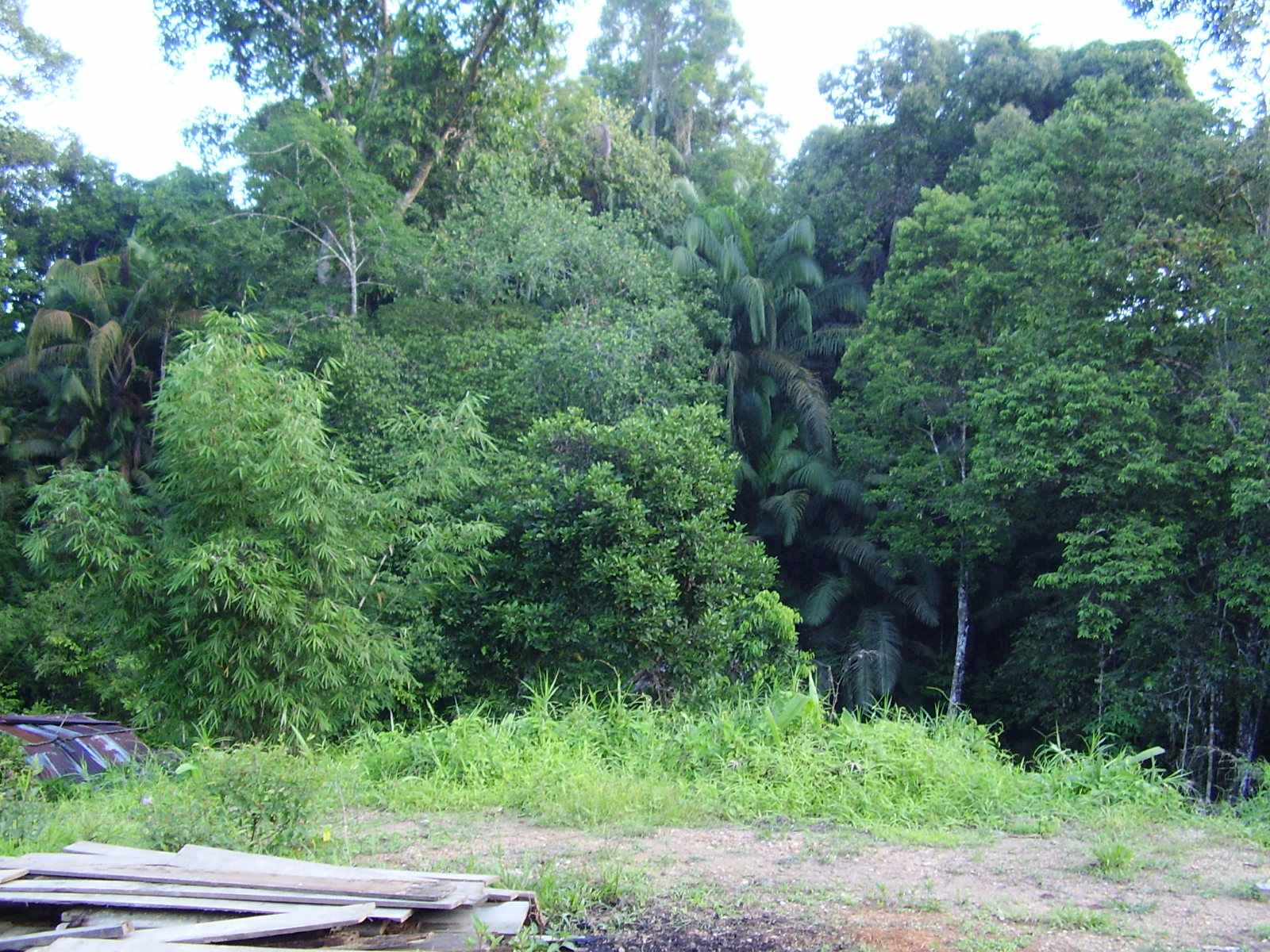 ✦ 88
✦ 88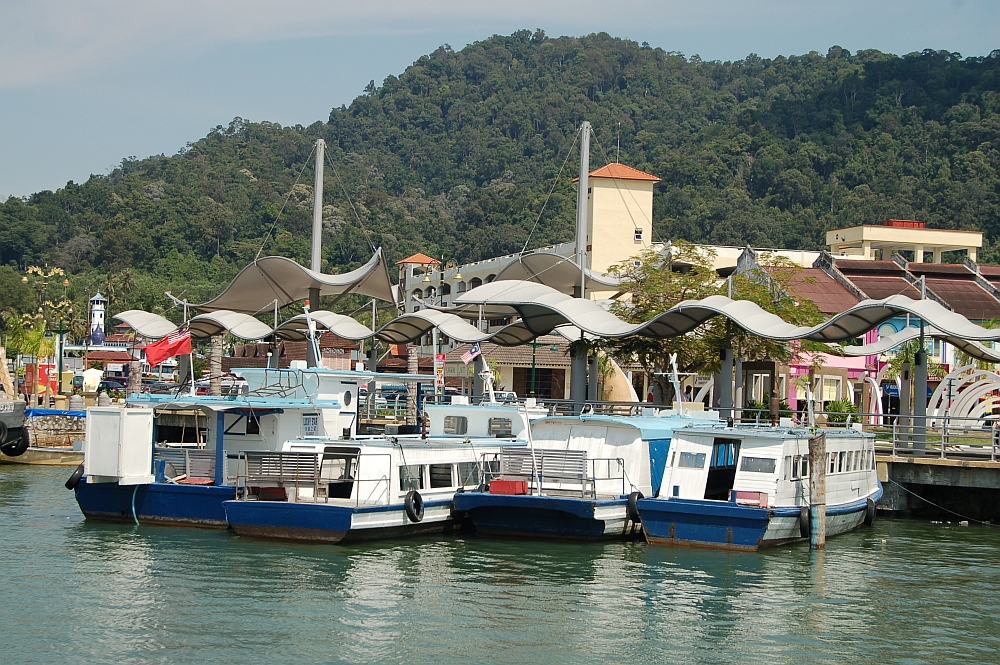 ✦ 88
✦ 88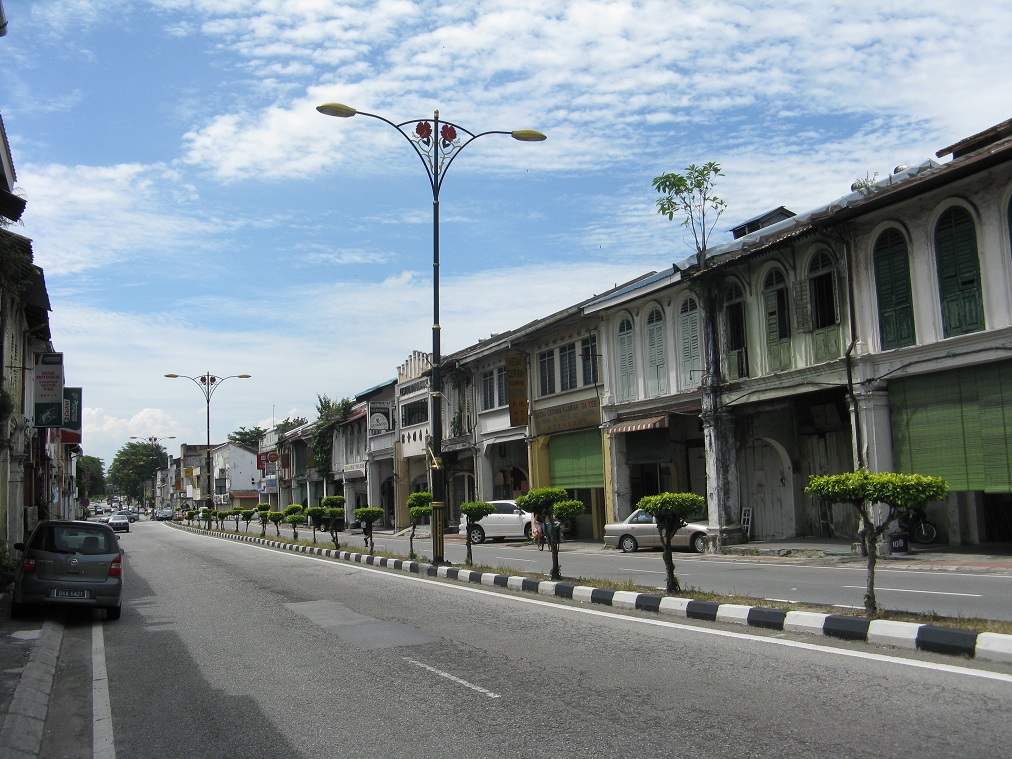 ✦ 86
✦ 86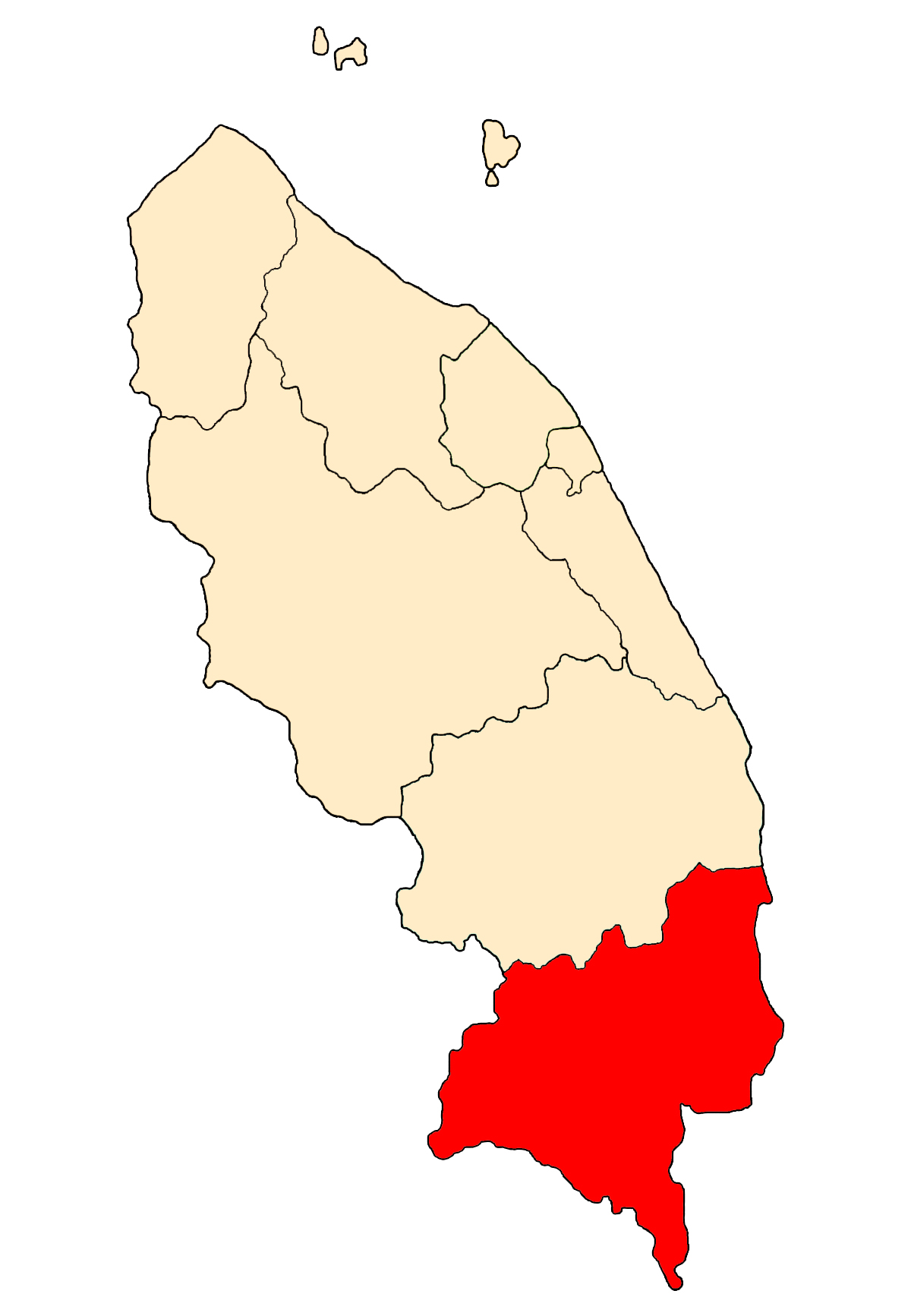 ✦ 86
✦ 86 ✦ 88
✦ 88The accommodation requirement and how people get it wrong
The accommodation piece of MM2H gets treated as an afterthought by applicants who assume it's just proof of a lease, something you can sort out after landing. That assumption costs time. If you're relying on a tenancy agreement rather than a property purchase, the agreement needs to hold up alongside utility bills that corroborate an actual address, and both need to exist before or very shortly after you finalize your pass at immigration, not months into your stay. Applicants who sign a short-term Airbnb-style booking to satisfy an early paperwork checkpoint, then quietly move somewhere cheaper once they're settled, create a mismatch between their file and their actual residence that surfaces at renewal or at any point immigration cross-checks records.
The purchase route carries its own timing trap. A sale and purchase agreement signed too early, before the rest of your application is assembled, means your capital is committed to Malaysian property before you know whether the visa itself will clear. Signed too late, and you're scrambling to produce it during the window between conditional approval and your entry deadline, which is exactly when you have the least slack in your schedule. The better sequence is to treat the accommodation decision as parallel to, not dependent on, the financial documentation. Get the money story locked first, since that's what determines whether you're approved at all. Then finalize housing once you have a conditional approval in hand and a firm sense of your entry date.
Dependents complicate this further. If you're bringing a spouse and children, the tenancy or purchase paperwork needs to plausibly house that whole household, and agents occasionally submit generic one-bedroom rental agreements for families of four because that's the listing they had on file. It gets caught eventually, usually at the worst possible time.
What happens after approval, before you actually hold a permit
Conditional approval feels like the finish line, and treating it that way is the single most common misstep. What you actually have at that point is permission to enter Malaysia and complete the process in person, not a permit that lets you settle. You still need to enter the country and finalize your social visit pass at immigration, and that step is where documents that looked fine on a portal upload get physically re-examined by an officer who can ask for originals, clarifications, or additional certified copies on the spot.
Build in slack for this. Don't book a one-way flight assuming a same-day resolution, and don't give up a lease or storage arrangement back home on the assumption that the in-country finalization is a formality. It usually isn't dramatic, but it's also not instant, and arriving with every original document organized and duplicated is the difference between a same-week finalization and a frustrating series of return visits to an immigration office while your temporary status counts down.
If you were previously part of an earlier version of this program, your existing status carries over rather than requiring a fresh application, which is worth confirming directly with an agent rather than assuming based on how the current intake process is described online. Program structures here have changed more than once, and what applied to your cohort may not match what a first-time applicant is walking through this year.
The long-term path is a lease, not a ladder
This is the detail that trips up people who assume every long-stay visa is a slow walk to permanent residence if you just stay long enough and follow the rules. MM2H doesn't lead to permanent residence. It's a renewable long-stay arrangement, and the operative word is renewable, not progressive. Nothing about holding the pass longer moves you closer to citizenship or a settled status; you renew the same category on the same terms, indefinitely, as long as you keep meeting the financial and accommodation conditions.
For someone planning a five-year runway with an eventual PR application in mind, this changes the calculus significantly. The visa is a good fit for people who want a stable, renewable base with no ambition to naturalize, particularly retirees and remote earners who value the tax treatment and cost of living over a path to a passport. It's a poor fit for someone whose real goal is eventual citizenship or an EU-style settlement track, because no amount of clean renewals gets you there. If citizenship is the actual target, this visa should be evaluated purely as a place to live well for a defined stretch, not as step one of anything.
The practical implication is that your five-year and ten-year planning should assume you're still renewing under the same conditions you started with, not that requirements loosen with tenure. Build your financial plan around sustaining the fixed deposit and income thresholds indefinitely, not around graduating out of them.
Malaysia against the obvious alternative
The comparison most people actually run is Malaysia against Thailand, and the honest answer depends on what you're optimizing for. Thailand's long-stay options tend to move faster and with a lighter documentation lift for straightforward remote income, which matters if you want to be settled within a couple of months rather than mid-quarter. Malaysia's process, by contrast, has a defined processing window but adds the extra step of finalizing your pass in person after conditional approval, which means your actual moving date is less predictable even once the paperwork is done.
Where Malaysia pulls ahead is in the accommodation flexibility and the fact that dependents are integrated into a single family application rather than requiring separate parallel tracks, which matters if you're moving with a spouse and kids rather than solo. It also matters if English-language administration is a priority for you day to day, since Malaysia's bureaucratic and business environment runs in English far more thoroughly than most Southeast Asian alternatives.
The trade-off that should actually drive the decision is the renewal structure versus any path to something more permanent. If you want a long-term renewable base and don't care about eventual residency status, Malaysia's terms are straightforward and, once you're through the initial finalization step, low-maintenance. If a path to permanent status matters to you within a five-to-ten-year horizon, that ambition needs to live in a different country's visa program, not this one, and it's worth deciding that before you commit capital to a fixed deposit or a property purchase here.
Work Permissions
Application Steps
- 1
📋 Research MM2H tiers and eligibility
1-2 weeks
- 2
📄 Gather personal identity documents
1 week
- 3
📄 Secure health insurance coverage
3-5 days
- 4
📋 Engage licensed MM2H agent
1 week
- 5
📬 Submit application via agent portal
Same day
- 6
⏳ Wait for conditional approval
8-12 weeks
- 7
🏛️ Enter Malaysia and complete formalities
1-2 weeks
- 8
🏛️ Purchase qualifying property if required
1-3 months
Compare this visa
Curated comparisons that include this route.
Frequently Asked Questions
Click any question to expand the answer.
Ready to Apply?
Work with trusted visa specialists who handle the paperwork so you can focus on your move.
Get help with this visa →* We may earn a commission if you apply through our link
At a Glance
Last verified: October 9, 2026