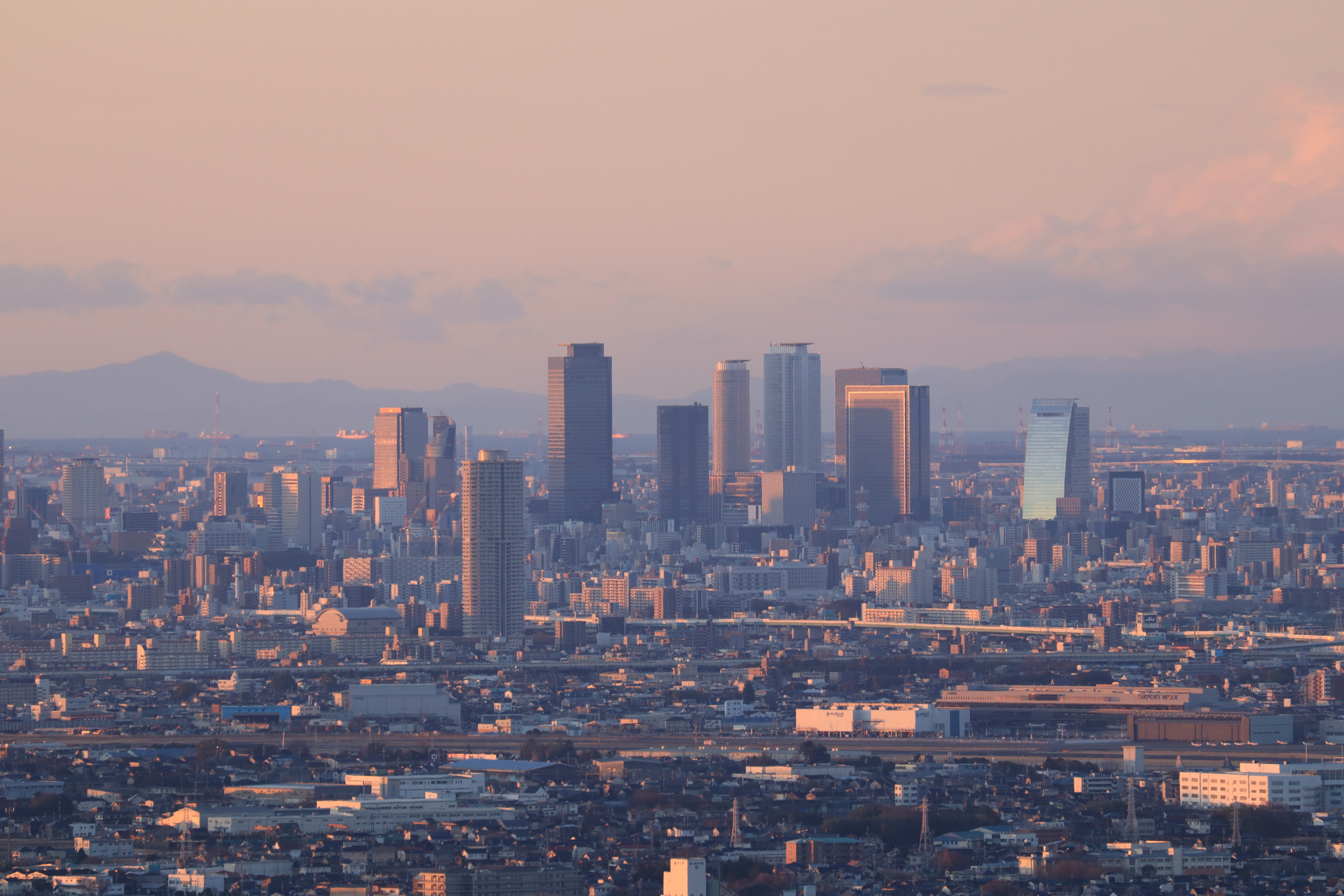
Nagoya sits on Japan's Pacific coast in Aichi Prefecture, with a subtropical climate that brings hot, humid summers and mild winters. The city's expat community is large and active, with popular neighborhoods including Sakae, Meieki, and Chikusa. At just 4 meters above sea level, the city is flat and easy to navigate by bike or on foot.
Estimate the cost of moving to Nagoya, Japan
Get a free moving cost estimate for moving to Nagoya, Japan. Takes 10 seconds.
How much are you shipping?
When are you moving?
Powered by Sirelo. Free quotes from international movers.
🏚️ Cost of Living
💰 Budgets and Costs
$833/mo, one person, rent included
Selected: budget lifestyle
Nagoya on a budget budget comes to about $833 a month for one adult, with $353 of that going to rent. Beyond rent the estimate covers $125 on groceries, $34.00 on dining out, $31.00 on entertainment and lifestyle, $171 on utilities and connectivity and $119 on transport.
Rent
$353/mo
1BR outside the centre
Groceries
$125/mo
75% of mid-range grocery spend
Dining out
$34.00/mo
4 inexpensive meals
Entertainment & lifestyle
$31.00/mo
1 cinema trip, 8 cappuccinos
Utilities & connectivity
$171/mo
utilities, mobile, internet
Transport
$119/mo
Monthly pass
Budgets (excl. rent)
Single person$480/mo
Excludes rent. The total above is all-in, rent included.
$997/mo, one person, rent included
Selected: mid-range lifestyle
Nagoya on a mid-range budget comes to about $997 a month for one adult, with $353 of that going to rent. Beyond rent the estimate covers $166 on groceries, $85.00 on dining out, $103 on entertainment and lifestyle, $171 on utilities and connectivity and $119 on transport.
Rent
$353/mo
1BR outside the centre
Groceries
$166/mo
Staples basket scaled to a full month
Dining out
$85.00/mo
10 inexpensive meals
Entertainment & lifestyle
$103/mo
gym, 2 cinema trips, 12 cappuccinos
Utilities & connectivity
$171/mo
utilities, mobile, internet
Transport
$119/mo
Monthly pass
Budgets (excl. rent)
Single person$644/mo
Excludes rent. The total above is all-in, rent included.
$1,343/mo, one person, rent included
Selected: comfortable lifestyle
Nagoya on a comfortable budget comes to about $1,343 a month for one adult, with $529 of that going to rent. Beyond rent the estimate covers $233 on groceries, $146 on dining out, $145 on entertainment and lifestyle, $171 on utilities and connectivity and $119 on transport.
Rent
$529/mo
1BR in the centre
Groceries
$233/mo
140% of mid-range grocery spend
Dining out
$146/mo
6 inexpensive meals + 6 mid-range meals
Entertainment & lifestyle
$145/mo
gym, 4 cinema trips, 20 cappuccinos
Utilities & connectivity
$171/mo
utilities, mobile, internet
Transport
$119/mo
Monthly pass
Budgets (excl. rent)
Single person$814/mo
Excludes rent. The total above is all-in, rent included.
Estimates for one adult, built from this city's average prices and the usage shown for each tier. Your spending will differ with how often you eat out and where you live.
A 1BR in the center runs about $529.22/mo. If your income is in another currency, bank FX fees add up. A multi-currency account can cut that cost.
Nagoya is exceptionally safe by global standards, with low violent crime, petty theft, and organized crime affecting expats. The main concerns are minor bicycle theft, occasional package theft, and standard scams (overstaying visa penalties, rental deposit disputes). Avoid isolated areas late at night, though this is precautionary rather than urgent. For a 30-65 year-old American, Nagoya presents minimal safety risks and is genuinely one of Japan's safest major cities—you can walk freely at night and leave belongings unattended with confidence.
See how Nagoya's digital nomad life compares with Shiga
🧳 Expat Life
English Proficiency
Common in Tourist Areas
Expat Community
Large & Active
Top Neighborhoods
Sakae, Meieki, Chikusa
Banks Nearby
253
ATMs Nearby
34
Expat Life Notes
Nagoya is a highly functional industrial hub with an active expat community and high family safety.
Pros
✓ Exceptional infrastructure
✓ Strategic travel hub
✓ Lower costs than Tokyo
Cons
✗ Fewer English services than Tokyo
✗ Industrial aesthetics in many zones
✗ Reserved social circles
🏘️ Neighborhoods in Nagoya
Areas of Nagoya that expats often consider.
Conditions can change from one block to the next, and these descriptions are general guides, not safety assessments. Before choosing where to stay or live, check current travel advisories, talk to people who live there, and visit in person if you can.
Sakae
Vibrant shopping and entertainment
Sakae is Nagoya's main commercial hub, offering department stores, restaurants, and nightlife. It's very convenient for shopping and dining, with excellent public transport. However, it can be noisy and crowded, and rent is relatively high.
Imaike
Lively entertainment and dining
Imaike is known for its live music venues, izakayas, and international restaurants. It's popular with younger expats and those seeking a more alternative atmosphere. While more affordable than Sakae, it can be quite noisy at night.
Motoyama
Residential, university, and green
Home to Nagoya University, Motoyama offers a mix of student life and quiet residential streets. There are plenty of cafes, restaurants, and parks. It's well-connected by subway and bus, making it a convenient and pleasant place to live.
Aratamabashi
Quiet residential with local charm
Aratamabashi is a more traditional residential area with a local feel. It's less touristy and offers a glimpse into everyday Japanese life. While less English is spoken, it's a good option for those seeking a quieter and more affordable experience.
Hoshigaoka
Upscale residential and shopping
Hoshigaoka is an upscale area with high-end shops, restaurants, and residential buildings. It's known for its pleasant atmosphere and convenient access to amenities. Rent is higher than average, but it offers a comfortable and convenient lifestyle.
Kanayama
Transportation hub, convenient living
Kanayama is a major transportation hub with easy access to the airport and other parts of Nagoya. It offers a mix of residential and commercial buildings, making it a convenient place to live. While not as charming as some other neighborhoods, it's a practical choice for those who value convenience.
Nagoya Station Area (Meieki)
Ultra-convenient, bustling, modern
Living near Nagoya Station puts you in the heart of the city, with unparalleled access to transportation, shopping, and dining. Expect a fast-paced environment and higher living costs. Great for short-term stays or those who prioritize convenience above all else.
Page 1 of 2
Could living/working in Nagoya cut years off your work life?
With a 1-bedroom in the center at $529/mo, your FIRE number here might be much lower than you think.
Nagoya has a population of approximately 2,263,894 people.
A single person can expect to spend around $1,323 per month in Nagoya, including rent. A 1-bedroom apartment in the city center costs approximately $529/month.
The nearest airport to Nagoya is NKM, approximately 8.3km away.
Nagoya is considered relatively safe, with a safety index of 82.0. As with any city abroad, expats should research specific neighborhoods before committing to a location.
Nagoya has an average internet speed of 95 Mbps. It is considered a well-established digital nomad destination.
It's difficult outside of multinational corporations in the automotive or manufacturing sectors. Companies like Toyota Tsusho and Brother Industries have English-speaking roles, but the broader job market operates almost entirely in Japanese. If you're not in engineering or corporate supply chain, expect the language barrier to be a serious obstacle to employment.
Yes, meaningfully so. A one-bedroom apartment in Nagoya's city center averages around $950/month versus $1,400–$1,800 in central Tokyo. Groceries, dining, and transport are similarly lower. For FIRE-focused expats, Nagoya offers Japan's infrastructure and safety at a roughly 20–30% cost reduction compared to the capital.
Very easy within the city. Nagoya's subway network is reliable, affordable, and covers major residential and commercial areas. The Meitetsu and JR lines extend to surrounding towns. The Tokaido Shinkansen connects you to Tokyo in about 90 minutes and Kyoto in 35. A car is only necessary if you're commuting to suburban industrial zones or want to explore rural Aichi Prefecture.
Nagoya is generally considered very safe, with low crime rates compared to many major cities worldwide. Petty theft can occur, especially in crowded areas like Nagoya Station, but violent crime is rare. You'll feel comfortable walking around most neighborhoods at night.
Nagoya has a humid subtropical climate, with hot, humid summers and mild winters. Expect typhoons in late summer and early autumn. Spring and autumn offer the most pleasant weather, ideal for exploring the city's parks and gardens.
Sakae and Fushimi are popular choices for their central location, nightlife, and access to amenities. Motoyama is a quieter, more residential area with good schools, making it ideal for families. For budget-friendly options, consider areas slightly further from the city center like Yagoto or Hoshigaoka.
Nagoya boasts excellent internet speeds, with fiber optic connections widely available. You can expect download speeds of 100 Mbps or higher in most areas, making it ideal for remote work. Many cafes and coworking spaces also offer reliable Wi-Fi.
Yes, Nagoya has a growing number of coworking spaces catering to freelancers and remote workers. Spaces like Garage Nagoya and Basecamp Nagoya offer a variety of options, from hot desks to private offices. Expect to pay around $200-$400 per month for a dedicated desk.
Nagoya has a smaller expat community compared to Tokyo or Osaka, but it's still active and welcoming. You can connect with other expats through online forums, social media groups, and events organized by the Nagoya International Center. Don't expect to find as many English-language resources as in larger cities.
Nagoya offers a lower cost of living than many other major Japanese cities, allowing your retirement income to go further. Embrace local markets and restaurants for affordable food options. Public transportation is efficient and cost-effective, reducing the need for a car.
Opening a bank account in Japan can be challenging without a long-term visa. Shinsei Bank and Japan Post Bank are often recommended as being more expat-friendly. ATM fees can be high, so it's best to withdraw larger amounts of cash when possible. Consider using a credit card with no foreign transaction fees for purchases.
Nagoya, like the rest of Japan, values politeness and respect. Learning basic Japanese phrases will go a long way. Be mindful of noise levels in public spaces and avoid talking loudly on your phone on trains. Tipping is not customary in Japan.
For long-term stays, Americans typically need a work visa (sponsored by an employer), a student visa, or a spouse visa. Japan does not have a specific retirement visa. Some digital nomads explore options like the tourist visa (90 days) followed by visa runs, but this isn't a sustainable long-term solution. Consult with an immigration lawyer for personalized advice.
Nagoya can be a viable option for FIRE, especially if you're comfortable with a slightly slower pace of life than Tokyo. The lower cost of living allows you to stretch your passive income further. However, understanding the Japanese investment climate and tax implications is crucial.
Services like Wise (formerly TransferWise), Remitly, and Western Union are popular for international money transfers. Compare exchange rates and fees before choosing a service. Be aware of reporting requirements for large transactions to comply with both US and Japanese regulations.
While you can get by with English in tourist areas, learning some basic Japanese will significantly improve your daily life in Nagoya. Navigating local shops, restaurants, and government services will be much easier. Embrace the challenge of learning the language and immerse yourself in the local culture.
Cost-of-living and visa updates for Nagoya and the rest of Japan. Free with RA Postcards.
By submitting your email address, you will receive a free subscription to RA Postcards and special offers from Rewire Abroad and our affiliates. You can unsubscribe at any time, and we encourage you to read more about our Privacy Policy.