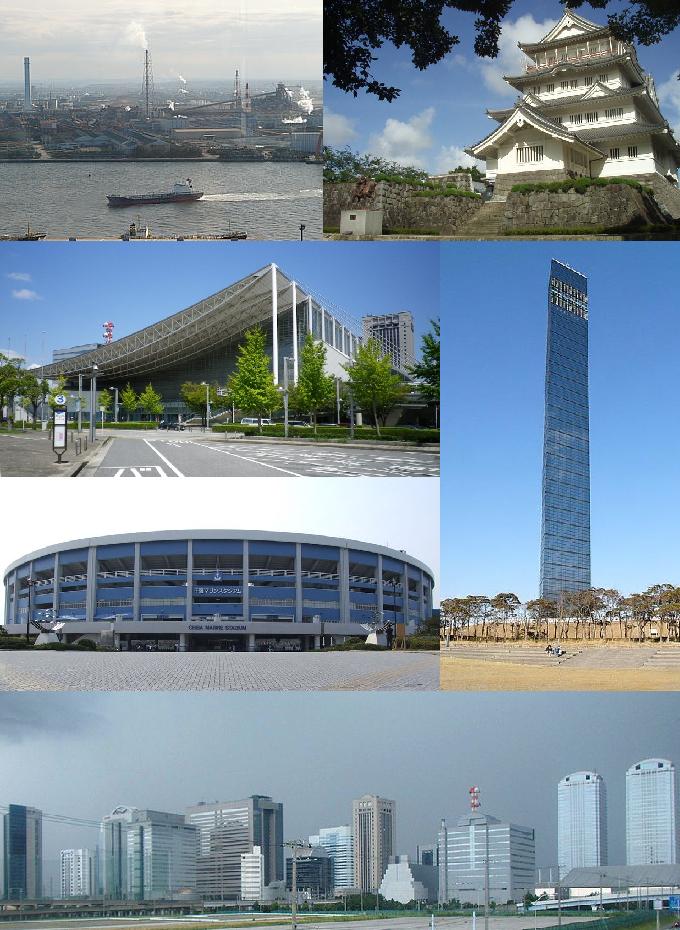
Aviation, heavy industry, and theme park tourism are the three pillars holding up Chiba's economy. Narita Airport employs tens of thousands directly and indirectly through logistics, cargo, and hospitality. The Keiyo Industrial Zone runs a dense corridor of petrochemical plants, steel facilities, and manufacturing operations — blue-collar and engineering work that doesn't much care about your Japanese language level if you have the right technical credentials. Tokyo Disney Resort adds a massive service-sector layer. Remote workers and digital nomads exist here, but they're commuting mentally to Tokyo, not building a local scene.
A one-bedroom in Chiba city center runs around $1,000/month — noticeably cheaper than Tokyo's 23 wards but not the bargain some expect. The Keiyo Line gets you to Tokyo Station in roughly 30–40 minutes, which is the real value proposition. Healthcare is solid and accessible through Japan's national insurance system, though navigating enrollment as a foreigner involves paperwork that assumes Japanese literacy. That's the consistent friction point: outside Narita-adjacent areas, English signage and English-speaking staff drop off sharply. Bureaucracy is procedurally rigid but generally honest and predictable.
Summers are hot and humid, winters are mild but grey, and typhoon season between August and October is a real logistical consideration, not a footnote. Food is a genuine strength — fresh seafood from the Boso Peninsula, solid ramen, and convenience store culture that actually delivers. The expat community is thin outside of Narita-area airline crews and a handful of Disney Resort workers; this is not a city where you stumble into English-language trivia nights. Weekends mean Tokyo day trips, coastal cycling, or hiking the Boso Peninsula. Chiba suits people who want Tokyo access at a discount and don't mind trading social infrastructure for quiet.
Estimate the cost of moving to Chiba, Japan
Get a free moving cost estimate for moving to Chiba, Japan. Takes 10 seconds.
How much are you shipping?
When are you moving?
Powered by Sirelo. Free quotes from international movers.
🏚️ Cost of Living
💰 Budgets and Costs
$777/mo, one person, rent included
Selected: budget lifestyle
Chiba on a budget budget comes to about $777 a month for one adult, with $486 of that going to rent. Beyond rent the estimate covers $113 on groceries, $25.00 on dining out, $36.00 on entertainment and lifestyle and $117 on utilities and connectivity.
Rent
$486/mo
1BR outside the centre
Groceries
$113/mo
75% of mid-range grocery spend
Dining out
$25.00/mo
4 inexpensive meals
Entertainment & lifestyle
$36.00/mo
1 cinema trip, 8 cappuccinos
Utilities & connectivity
$117/mo
utilities, mobile, internet
Budgets (excl. rent)
Single person$291/mo
Excludes rent. The total above is all-in, rent included.
$929/mo, one person, rent included
Selected: mid-range lifestyle
Chiba on a mid-range budget comes to about $929 a month for one adult, with $486 of that going to rent. Beyond rent the estimate covers $150 on groceries, $63.00 on dining out, $113 on entertainment and lifestyle and $117 on utilities and connectivity.
Rent
$486/mo
1BR outside the centre
Groceries
$150/mo
Staples basket scaled to a full month
Dining out
$63.00/mo
10 inexpensive meals
Entertainment & lifestyle
$113/mo
gym, 2 cinema trips, 12 cappuccinos
Utilities & connectivity
$117/mo
utilities, mobile, internet
Budgets (excl. rent)
Single person$443/mo
Excludes rent. The total above is all-in, rent included.
$1,482/mo, one person, rent included
Selected: comfortable lifestyle
Chiba on a comfortable budget comes to about $1,482 a month for one adult, with $863 of that going to rent. Beyond rent the estimate covers $210 on groceries, $133 on dining out, $159 on entertainment and lifestyle and $117 on utilities and connectivity.
Rent
$863/mo
1BR in the centre
Groceries
$210/mo
140% of mid-range grocery spend
Dining out
$133/mo
6 inexpensive meals + 6 mid-range meals
Entertainment & lifestyle
$159/mo
gym, 4 cinema trips, 20 cappuccinos
Utilities & connectivity
$117/mo
utilities, mobile, internet
Budgets (excl. rent)
Single person$619/mo
Excludes rent. The total above is all-in, rent included.
Estimates for one adult, built from this city's average prices and the usage shown for each tier. Your spending will differ with how often you eat out and where you live.
A 1BR in the center runs about $863.29/mo. If your income is in another currency, bank FX fees add up. A multi-currency account can cut that cost.
Chiba is exceptionally safe by global standards, with low violent crime, petty theft, and organized crime. The main concerns for expats are minor: bicycle theft, occasional package theft, and rare scams targeting foreigners unfamiliar with Japanese banking. Avoid isolated areas late at night as a general precaution, though serious crime is uncommon. For an American relocating here, safety is genuinely not a concern—Japan's police presence, social order, and low crime culture make Chiba one of the safest places to live abroad.
Located near Chiba Station, Basis Point offers a modern, professional environment with private booths and meeting rooms. It's a good option for those needing a quiet and focused workspace with easy access to transportation.
WeWork Chiba Central provides a vibrant coworking atmosphere with networking opportunities. Situated in Chuo-ku, it's convenient and offers a range of amenities, including private offices and common areas, appealing to expats seeking a community.
BIZcomfort Chiba Station East Exit offers affordable coworking with 24/7 access. Its location near the station makes it ideal for digital nomads who value convenience and flexibility.
Regus Chiba provides a professional and reliable coworking environment with various office solutions. Located in the Chiba Center Building, it offers a prestigious address and is suitable for remote workers seeking a more corporate setting.
See how Chiba's digital nomad life compares with Ueda
🧳 Expat Life
English Proficiency
Limited
Expat Community
Medium
Top Neighborhoods
Chiba-chuo, Makuhari
Banks Nearby
60
ATMs Nearby
26
Expat Life Notes
Chiba offers easy access to Tokyo and the airport while being slightly more affordable and less crowded.
Pros
✓ Good transport to Tokyo
✓ Proximity to Narita Airport
✓ Coastal parks
Cons
✗ Suburban feel
✗ Limited expat-focused social scene
✗ Language barrier outside work
🏘️ Neighborhoods in Chiba
Areas of Chiba that expats often consider.
Conditions can change from one block to the next, and these descriptions are general guides, not safety assessments. Before choosing where to stay or live, check current travel advisories, talk to people who live there, and visit in person if you can.
Chiba City Center
Modern, convenient, urban hub
The heart of Chiba, offering easy access to shopping, dining, and transportation. Many modern apartments are available, making it popular with younger expats and professionals. Excellent train connections to Tokyo, but can be busy and less traditionally Japanese.
Makuhari
Business, modern, family-friendly
Known for Makuhari Messe, a large convention center, and its modern urban planning. It's a popular area for families and professionals working in tech or international business. Well-connected by train, but can feel sterile compared to older parts of Chiba.
Inage
Residential, quiet, family-oriented
A more suburban and residential area, offering a quieter lifestyle. It's popular with families and those seeking a more traditional Japanese experience. Requires more Japanese language skills to navigate daily life, but offers a more authentic cultural immersion.
Funabashi
Lively, commercial, convenient access
A major transportation hub and commercial center, offering excellent access to both Chiba and Tokyo. It's a bustling area with plenty of shopping and dining options. Can be crowded and noisy, but very convenient for commuting and daily life.
Kashiwa
Suburban, affordable, student-friendly
Located further from the city center, Kashiwa offers more affordable housing options. It's a university town with a younger population and a more relaxed atmosphere. Requires more reliance on public transportation, but offers a good balance of affordability and convenience.
Chiba Minato
Harbor views, relaxed, developing
A waterfront area with harbor views and a more relaxed atmosphere than the city center. It's undergoing redevelopment with new apartments and amenities. Good for those seeking a quieter environment with easy access to the water, but still close to the city.
Page 1 of 2
Could living/working in Chiba cut years off your work life?
With a 1-bedroom in the center at $863/mo, your FIRE number here might be much lower than you think.
Chiba has a population of approximately 6,279,002 people.
A single person can expect to spend around $2,158 per month in Chiba, including rent. A 1-bedroom apartment in the city center costs approximately $863/month.
The nearest airport to Chiba is NRT, approximately 14.6km away.
Chiba is considered relatively safe, with a safety index of 82.0. As with any city abroad, expats should research specific neighborhoods before committing to a location.
Chiba has an average internet speed of 110.3 Mbps. It is considered a well-established digital nomad destination.
Marginally. A city-center one-bedroom runs about $1,000/month versus $1,400–1,800 in central Tokyo. The Keiyo Line commute to Tokyo Station takes 30–40 minutes and costs around $3–4 each way. If you work remotely or commute daily, the savings are real but not dramatic. The bigger win is space — you get more square footage for your money.
Significant outside of Narita airport zones. Unlike central Tokyo, which has adapted to international visitors, most of Chiba's residential areas, city offices, and local businesses operate entirely in Japanese. Google Translate handles daily errands, but navigating residency registration, national health insurance enrollment, and banking without Japanese ability or a bilingual helper is genuinely frustrating.
Aviation and logistics roles tied to Narita Airport are the most accessible, particularly for people with airline industry backgrounds. The Keiyo Industrial Zone hires engineers and technical specialists, sometimes without requiring Japanese fluency. English teaching positions exist throughout the prefecture. Most other local employment requires business-level Japanese. Remote workers based in Chiba typically work for companies elsewhere in Japan or abroad.
Chiba has four distinct seasons. Expect hot, humid summers (pack light, breathable clothing) and mild winters (a light jacket is usually sufficient). Spring and autumn are pleasant, but bring an umbrella as the rainy season in June can be quite wet.
Chiba is generally very safe, with low crime rates. Violent crime is rare, but petty theft can occur, especially in crowded areas. As a woman, you'll likely feel safe walking alone at night, but it's always wise to be aware of your surroundings.
For more affordable living, consider areas like Inage or Makuhari Hongo. These neighborhoods offer a mix of apartments and houses at lower prices than central Chiba City, while still providing good access to transportation and amenities.
Internet in Chiba is excellent and very reliable. You can expect high-speed fiber optic connections in most apartments and co-working spaces. Mobile data is also readily available and affordable, making it easy to stay connected.
While not as abundant as in Tokyo, Chiba has a growing number of coworking spaces, particularly in Chiba City and Makuhari. Spaces like Basis Point Chiba-Ekimae offer reliable internet, meeting rooms, and a professional environment.
Rent varies depending on location and size, but you can expect to pay around ¥70,000-¥120,000 per month for a one-bedroom apartment in a decent area. Expect to pay more in newer buildings or closer to train stations.
As a US citizen, you're still required to file US taxes even when living abroad. The Foreign Earned Income Exclusion (FEIE) can help you exclude a certain amount of your foreign-earned income from US taxes. Also, be aware of FBAR requirements for reporting foreign bank accounts.
Opening a bank account can be challenging without a long-term visa and residence card. Some banks, like Japan Post Bank (Yucho), are more foreigner-friendly. Be prepared to provide identification, proof of address, and possibly a Japanese phone number.
Japan has a universal healthcare system, and the quality of care is excellent. Finding English-speaking doctors can be a challenge, but larger hospitals in Chiba City often have some staff who speak English. Websites like Japan Healthcare Info can help you locate English-speaking medical professionals.
Chiba offers a lower cost of living than Tokyo, making it a good option for stretching your retirement income. Focus on living outside the city center, cooking at home, and utilizing local markets for groceries. Public transportation is efficient and affordable, reducing the need for a car.
Japan doesn't have a specific retirement visa. Options include a long-term tourist visa (limited stay), enrolling in a Japanese language school, or exploring investment-based visas if you meet the financial requirements. Consulting with an immigration lawyer is highly recommended.
The expat community in Chiba is smaller than in Tokyo, but it's still active. Online forums like GaijinPot and InterNations have Chiba groups where you can connect with other expats. Local international schools and community centers also host events that are open to expats.
Chiba can be a viable option for FIRE, especially if you're comfortable with a slightly slower pace of life than Tokyo. The lower cost of living allows you to stretch your passive income further. However, understanding the investment climate and tax implications is crucial.
Cost-of-living and visa updates for Chiba and the rest of Japan. Free with RA Postcards.
By submitting your email address, you will receive a free subscription to RA Postcards and special offers from Rewire Abroad and our affiliates. You can unsubscribe at any time, and we encourage you to read more about our Privacy Policy.