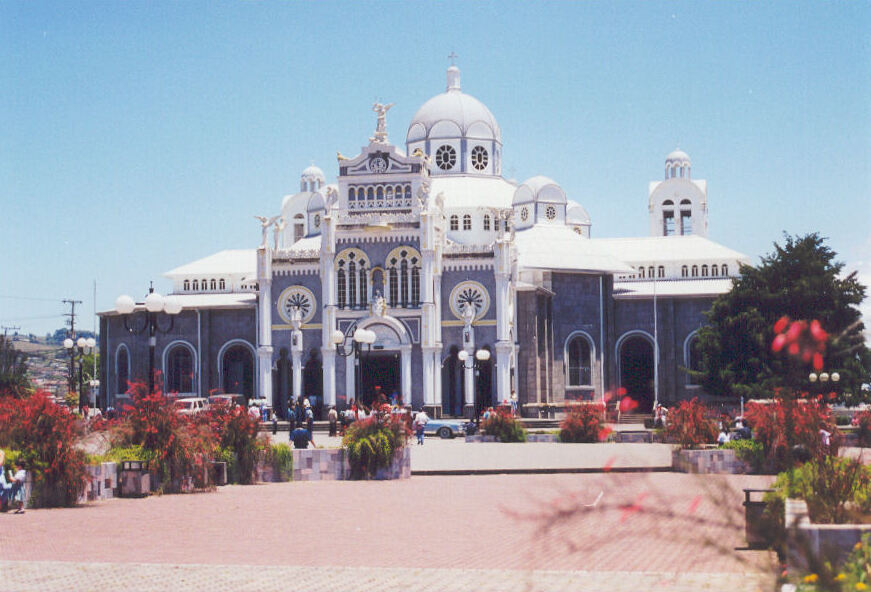
Perched at 1,435 meters above sea level in the highlands of Costa Rica, Cartago offers a cool, wet tropical climate with mild temperatures year-round. Heavy rainfall dominates from May to November, while a drier season runs from December to April. The expat community here is small, and popular neighborhoods include the Cartago Historic Center and Quircot. With a population of just 23,000, the city provides a quieter alternative to the capital, yet remains within 26 kilometers of the nearest airport (SYQ).
Living costs in Cartago are notably lower than in many other Costa Rican destinations. A single adult on a budget tier can manage on $1,250 per month including rent, while a mid-range tier runs $1,800 and a comfortable tier totals $2,500. Rents are affordable: a one-bedroom in the city center averages $550 per month, and outside the center it drops to $420. A three-bedroom in the center goes for $931, and outside the center for $712. Monthly utilities run $53, internet is $59, and a mobile phone plan costs $36. A monthly public transport pass is $74, and a gym membership is $44. An inexpensive restaurant meal is $9, a three-course meal for two at a mid-range restaurant is $35, and a cappuccino is $4. The average monthly net salary locally is $1,325, meaning many residents earn enough to cover the basics comfortably.
Safety is a strong point for Cartago, with a safety index of 72 out of 100 and a crime index of 28 out of 100 (lower is safer). Healthcare quality is rated as good, and the air quality index is 35 (lower is better). English proficiency is common in tourist areas, which helps newcomers navigate daily life. The overall expat score is 80 out of 100, with a FIRE score of 82 and a retiree score of 65, reflecting a favorable environment for those focused on financial independence or early retirement.
For those considering a move, Costa Rica offers two specific visa programs. The Pensionado Visa requires a minimum monthly income of $1,000, while the Digital Nomad Visa requires a minimum monthly income of $3,000. The nearest airport is SYQ, located 26 kilometers away. Cartago suits budget-conscious retirees, digital nomads earning above the visa thresholds, and anyone seeking a cool climate, low crime, and good healthcare in a small-city setting.