Min Monthly Income
$3,000
Difficulty
Moderate
Duration
12 months
Overview
Costa Rica’s Digital Nomad Visa is built around one core test: you must earn at least $3,000/month in net income (as of 2026) from outside Costa Rica, proven with bank statements and an affidavit or accountant’s certification. If you bring dependents, the official requirement increases to $4,000/month in foreign-source income. Remote salary, contractor payments, and self-employment income qualify; local Costa Rican income does not. Social Security, pensions, and portfolio income like ETF dividends or US rental income do not count toward the $3,000/month threshold under the official rules for remote workers and service providers.
Legal stay is granted for 12 months with the option to renew once, so you can structure a 1–2 year stay instead of stringing together 90-day tourist entries. To keep your status and qualify for renewal, you’re expected to spend at least 180 days/year in Costa Rica. That effectively makes this a primary-base visa, not a hop-in-hop-out flag for those trying to split the year evenly between, say, Costa Rica and Mexico or Europe.
This digital-nomad estancia can lead to permanent residency after meeting the program's renewal and residency requirements, as of 2026, though the process is not automatic. If you want a 10-year horizon in Costa Rica, you’d need to plan on switching later into a different category such as Pensionado or Rentista, each with its own income or deposit rules, rather than extending this visa indefinitely. Here you’re looking at 1 year + 1 renewal cycle, then a reset or status change.
Friction points are very specific. You pay a $100 government application fee (as of 2026) via a named Banco de Costa Rica account, provide 12 months of bank statements plus an affidavit, and have everything translated into Spanish. Apostille certification is required for documents, including the income certification route, as of 2026. On the plus side, there is no FBI background check, no medical exam, and no in-person interview, and processing time runs about 26 weeks once a complete file is lodged, as of 2026.
This arrangement makes the most sense if you’re a remote worker or contractor earning at least $3,000/month in active foreign income who wants to spend 180+ days/year in Costa Rica without triggering local tax on that income. It’s a poor fit if your $3,000–$5,000/month comes mainly from pensions, Social Security, or passive investment income that doesn’t qualify, or if your long-term plan requires a direct, continuous path to permanent residency.
Eligibility Requirements
Any nationality can apply in principle for Costa Rica’s Digital Nomad Visa, as the official framework allows foreign nationals from all countries who meet the $3,000–$4,000/month foreign-income requirement to seek this estancia. In practice, applicants from sanctioned or high-friction jurisdictions such as Iran, North Korea, Syria, Cuba, and Russia can run into consular visa hurdles, enhanced security screening, or banking de-risking that make approvals and fund transfers difficult even though the category is not nationality-restricted on paper. Before collecting translations and bank affidavits, confirm your specific eligibility and any consular-visa requirement directly with Costa Rica’s Dirección General de Migración y Extranjería (DGME) or through the official Tramite Ya platform.
Min Income
$3,000
Duration
12 months
Physical Presence
180 days/yr
Remote Work / Freelance
1099 Contractor · Self-Employed
Max 75% from local sources
Requirements Checklist
0 of 14 documents in hand
0%These take the longest, so start them first.
Request these while the slow items are in progress.
You only need these on the day you submit.
Extra requirements for this visa
- Apostille required on official documents
How and where to apply
Apply online via the official Tramite Ya digital platform at https://tramiteya.go.cr/dgme/ or in-person at General Directorate of Immigration (DGME) central/regional offices. In-country applications are allowed if already on a tourist visa. No home-country consulate requirement.
Tax Information
Local tax regime and what it means for you
Costa Rica applies a territorial tax regime. Only income with a Costa Rican source is taxed locally; foreign-source income is outside the scope of standard Costa Rican income tax. The Digital Nomad Visa is explicitly marketed on this point: qualifying $3,000–$4,000/month must come from abroad, and that foreign-source remote work income is exempt from Costa Rican income tax while you hold this non-resident digital nomad status. Remote salary from a US or EU employer, contractor income paid into a foreign account, ETF dividends in a US brokerage, US rental income, and foreign pensions are not taxed in Costa Rica as long as they are not tied to Costa Rican activities.
Local-source income is different. If you start providing services to Costa Rican clients or take employment with a Costa Rican company, that income would be considered Costa Rican-sourced, and you would be in breach of your visa conditions and within the local tax net. The visa’s terms explicitly prohibit local work; the local income limit is 0% of total income.
Under territorial rules, capital gains on foreign investments, for example, selling index funds or ETFs in a US brokerage account, are treated as foreign-source and are therefore outside Costa Rica’s ordinary income tax scope for this category. By contrast, gains from disposing of Costa Rican real estate or local shares can be taxable. For a FIRE-style portfolio held entirely in foreign accounts, capital gains are effectively exempt locally.
Tax residency in Costa Rica is generally based on spending more than 183 days in-country in a tax year or having your center of vital interests there. However, the Digital Nomad Visa is framed as a non-resident “stay” (estancia) with a special tax exemption for foreign income, even if you spend 180+ days per year inside the country. The 180 days/year in the visa rules are an immigration presence requirement, not a trigger for taxing your foreign earnings under this specific program.
Local filing requirements for digital nomads are minimal. The regime is designed so that qualifying foreign income is not subject to local income tax, so in practice many holders do not file an annual Costa Rican income tax return at all. There is no separate tax-registration deadline tied to this visa type. If you later generate Costa Rican-sourced income or change to a resident category, you would then need to obtain a local taxpayer ID and file returns.
Costa Rica has no income tax treaty with the United States. That means there is no bilateral mechanism to eliminate double taxation via treaty rates or tie-breaker residency rules. Because Costa Rica does not tax your foreign-source income under this visa, the absence of a treaty mainly matters for US-side rules: you cannot rely on treaty provisions for reduced withholding on Costa Rican-source income, and there is no totalization agreement for Social Security.
For US Citizens and Green Card Holders
US persons on the Costa Rica Digital Nomad Visa still file US tax returns annually on worldwide income. The territorial nature of Costa Rican taxation means the main US tools are familiar, but their value shifts.
Foreign Earned Income Exclusion (FEIE, claimed on Form 2555) can shield up to $132,900 of earned income for 2026 (indexed annually). Only earned income qualifies: remote W-2 salary, contractor payments, and self-employment income. FEIE does not cover ETF dividends, bond interest, capital gains, pension distributions, or Social Security. Because this visa encourages you to spend 180+ days/year in Costa Rica, most remote workers will qualify under the Physical Presence Test (330 full days abroad in any rolling 12-month period), especially if they avoid extended stays in the US. The Bona Fide Residence Test is harder to rely on here because the immigration status itself is non-resident and capped at 1–2 years.
Foreign Tax Credit (FTC, Form 1116) is less useful in this setup. Since Costa Rica does not tax your foreign-source remote income under the digital nomad regime, there is usually little or no Costa Rican income tax to credit against US tax. If all your income is foreign-source and taxed only by the US, the FEIE and, where relevant, the foreign housing exclusion/deduction are what reduce your US bill, not the FTC.
FBAR (FinCEN 114) and FATCA Form 8938 still matter. If you open a Costa Rican bank account or investment account and your aggregate foreign accounts exceed $10,000 at any point in the year, you must file an FBAR electronically with FinCEN. Form 8938 has higher thresholds (starting at $50,000 for single US residents, higher for those abroad) but often applies once a serious offshore cash buffer builds up. The visa requires a local bank account for most residency applications and daily financial life; that alone can trigger FBAR even with modest balances.
In practice, a US person using this visa should coordinate two advisors: a US CPA who specializes in expat taxation and understands FEIE, Form 1116, FBAR, and FATCA reporting, and a Costa Rican tax advisor who can confirm when (if ever) local filing obligations arise if your situation changes. The $1,500–$3,000 you spend in year one on that combined advice is often recovered through optimized FEIE elections, correctly structured business entities, and avoiding non-willful penalties that start around $16,700 per missed FBAR (2026 inflation-adjusted figure).
Living in Costa Rica
COL Index vs NYC
50.1
Monthly Cost (excl. rent)
$944
1BR Rent (City Center)
$903
Safety Index
45.9
Healthcare Index
64.3
Quality of Life Index
129.4
Time Zone
UTC-06:00
Capital
San José
Population
5.1M
Official Languages
Spanish
Avg Internet Speed
212 Mbps
Public Transit Quality
Fair
With a budget covering rent and living costs, you'd need roughly $1,847/mo for a comfortable single-person lifestyle in Costa Rica.See how far your money goes →
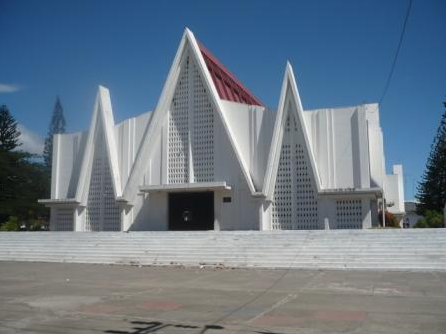
🏙️ Best Cities in Costa Rica for Digital Nomads
 ✦ 77
✦ 77 68
68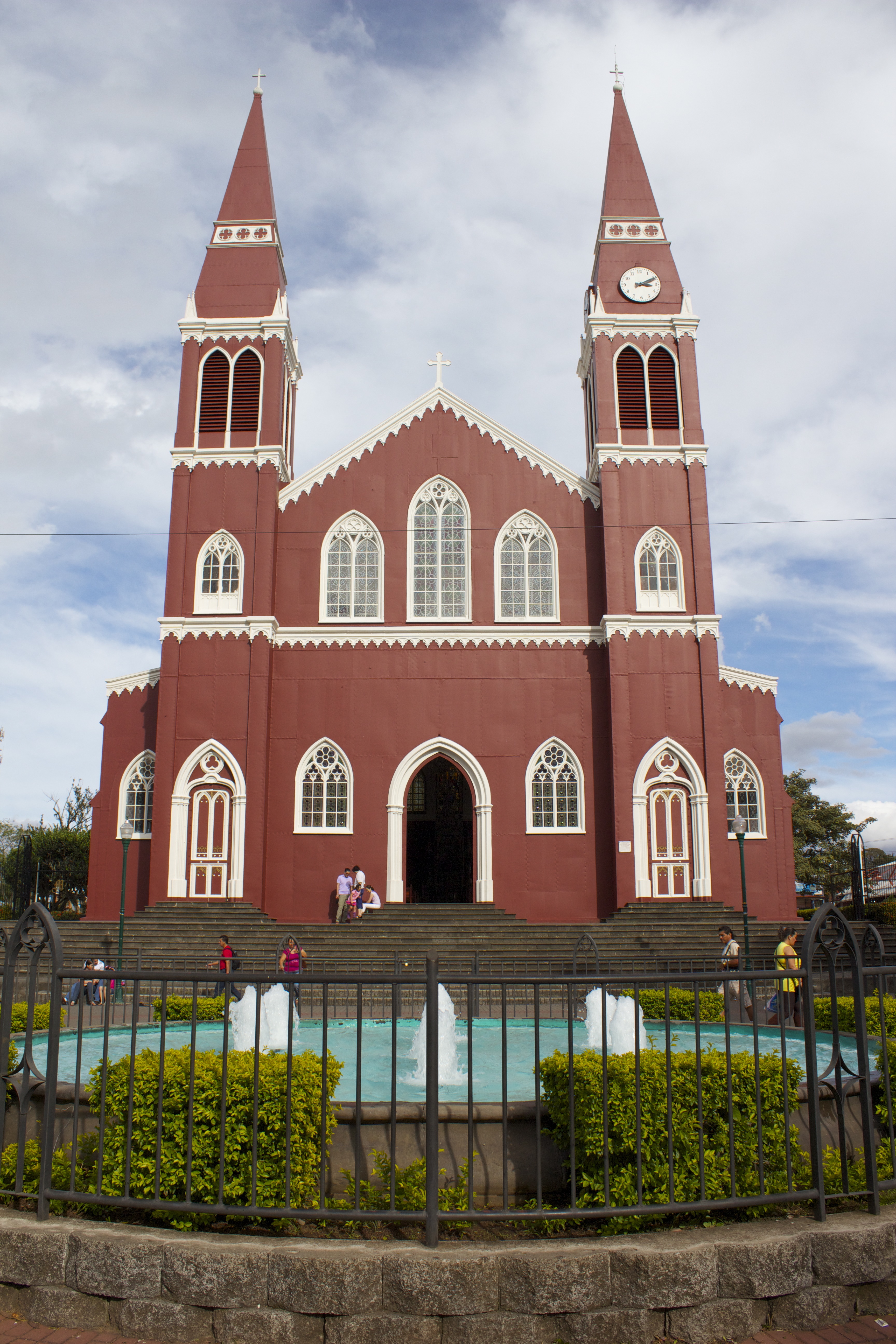 71
71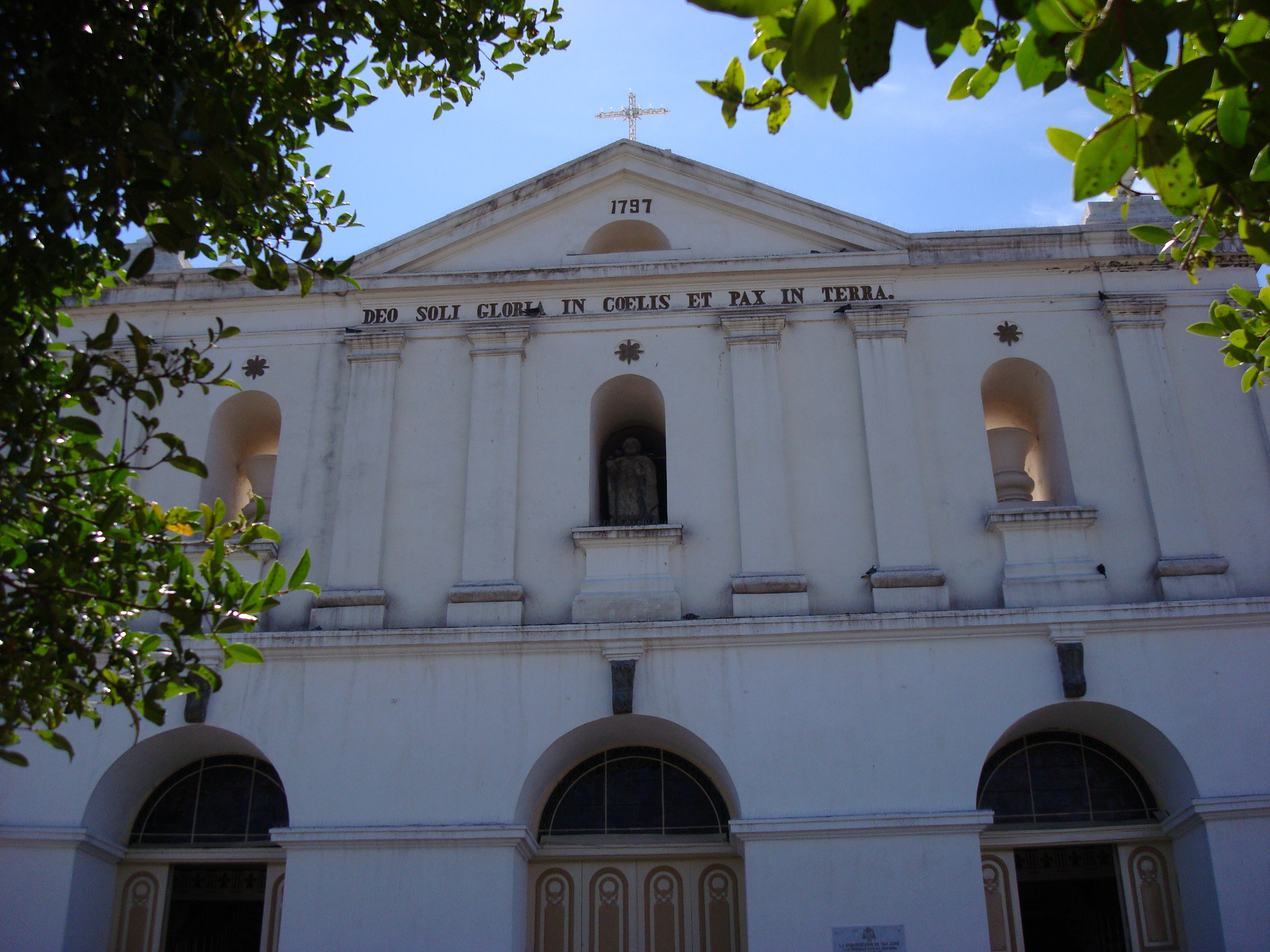 73
73The bank account and address problem nobody explains upfront
A Costa Rican bank account is required, and this creates a chicken-and-egg problem that catches a lot of applicants off guard. Banks generally want proof of a local address before they'll open an account, but you don't have a lease that looks permanent until you've committed to a place, and you're reluctant to commit to a place until you know your visa is moving forward. The workaround most people land on is renting short-term first, using that address to satisfy the bank, then signing something longer once the residency process is further along.
Landlords in popular nomad areas have caught onto this pattern too, and some now ask for proof of visa progress before they'll extend a lease past a few months, which can leave you in a holding pattern if your paperwork is running behind theirs. Sort out the bank account early even if it means an account with minimal activity for a while. It's the piece of the application most dependent on things outside your control, so give it the longest runway.
The gap between approval and actually holding your permit
Approval and possession are not the same day, and the distance between them is where a lot of anxiety lives. You can apply either through the Tramite Ya online platform or in person at DGME, and if you're already in the country on a tourist entry, you're allowed to file from inside Costa Rica rather than needing a consulate abroad. But processing runs close to 25.7 weeks, which means most applicants are sitting in the country, or shuttling back and forth, for the better part of six months before anything is finalized.
During that stretch you're not holding a work permit and you can't take local employment anyway, since the visa doesn't allow it. What you're waiting on is the government to process your affiliation and issue the actual residency documentation tied to your approval. People sometimes assume the moment DGME confirms approval, a card shows up in the mail. It doesn't work that way in practice; there's a further step to collect the physical document, and until you have it, day-to-day transactions that ask for local ID, a rental renewal, a longer-term phone contract, can be awkward. Plan your first year assuming you'll be operating on provisional footing for a meaningful chunk of it.
What the long-term path actually asks of you
The visa leads to permanent residency, and that's a real advantage over programs that dead-end after a fixed number of renewals. But the path there is built on renewal cycles, not a single countdown clock. Each renewal means resubmitting income proof, and if your income has dropped since your last filing, or simply looks less clean because you switched clients or platforms, expect the same documentation friction you dealt with the first time.
The physical presence requirement of 180 days is where the paper version of this visa and the lived version diverge most. A visa that permits you to live in Costa Rica and a life that actually keeps you there for most of the year are different commitments, and DGME's expectation is the latter. People who treat the visa as a base to keep while spending half the year elsewhere run into trouble at renewal time, because the presence requirement isn't a suggestion. If your work or family situation means frequent long absences, this program asks more of your actual calendar than the marketing around it suggests.
Costa Rica versus the other Central American option people compare it to
Applicants weighing this usually have Panama's residency options in the other tab. The honest version of that comparison isn't about which country is better, it's about which trade-off you'd rather live with. Costa Rica's territorial tax treatment means foreign-sourced income generally sits outside the local tax net, but there's no tax treaty with the US, so credits and coordination that residents of treaty countries take for granted don't apply here. You're relying on the mechanics of US foreign-earned income rules and territorial exemption lining up cleanly, and for some income types they don't line up as neatly as people assume going in.
Where Costa Rica pulls ahead for a lot of US-based remote workers is proximity and lifestyle familiarity, not paperwork. A flight home is a few hours, not a full day, and that matters more than people admit when they're deciding where to spend 180-plus days a year. If your priority is the shortest, cleanest bureaucratic path, some regional alternatives move faster or ask less of your presence. If your priority is a defensible long-term base with an actual road to permanent residency and you're comfortable with the tax mechanics working out on the US side rather than being handled by treaty, Costa Rica is the more durable bet of the two.
Work Permissions
Application Steps
- 1
📋 Confirm eligibility and plan documents
1-2 days
- 2
📄 Gather passport and identity documents
1 day
- 3
📄 Collect financial proof and insurance
3-7 days
- 4
📋 Pay application fee
Same day
- 5
📬 Complete and submit form online
1-2 days
- 6
⏳ Wait for approval review
2 weeks
- 7
🏛️ Receive and collect visa document
1-3 days
This visa requires proof of health insurance. Compare international plans before you apply.
Compare health insuranceWe may earn a commission at no cost to you.
Compare this visa
Curated comparisons that include this route.
Frequently Asked Questions
Click any question to expand the answer.
Ready to Apply?
Work with trusted visa specialists who handle the paperwork so you can focus on your move.
Get help with this visa →* We may earn a commission if you apply through our link
At a Glance
Last verified: October 9, 2026