Processing Time
4-13 wks
Difficulty
Moderate
Duration
12 months
Overview
Chile’s Digital Nomad Visa is built around foreign-sourced, earned income: you need to show at least 1,500 USD/month plus 18,000 USD in savings, and that money must come from remote employment (W‑2 style), contractor work, a business you own, or other self-employment outside Chile. Social Security and pension income do not count toward the threshold, so a retiree with 3,800 USD/month from rental income and ETF dividends would not qualify unless they also have 1,500 USD/month in remote work or business income. Local work for a Chilean employer is not permitted, and local income must remain 0% of your total income.
The visa is granted for 12 months and is renewable, but it does not lead directly to permanent residency (PR), and there is no official pathway for converting this status into PR or citizenship. For someone planning a 5–10 year relocation, this is a rolling one‑year permission rather than a long-term settlement track like Mexico’s Temporary Resident Visa that can convert to permanent residence after 4 years. You can keep renewing as long as rules stay the same, but you should not count on this as your PR bridge.
Physical presence requirements under this visa can affect renewal, which matters if you intend to split your year between Chile and another base. In practice, if Chile later treats you as a tax resident on a 183‑day rule, extended absences could both reduce your local tax exposure and raise questions about ongoing ties when renewing. Anyone planning to commute between, say, Santiago and the US or Europe should structure their calendar deliberately rather than assuming a zero-presence requirement.
On mechanics, the bureaucracy score is only 1/5, and several friction points are explicitly off the table: there is no apostille requirement in the core rules, no FBI background check requirement, no mandatory medical exam, no mandatory in‑person interview, and no requirement to open a local bank account. Health insurance covering Chile is required, and you’ll need to document income and savings; processing typically takes 4 to 13 weeks as of 2026. That low bureaucracy score aligns with a PDF‑upload, online-first process rather than consulate marathons.
This path makes most sense if you earn at least 1,500 USD/month from a foreign employer or clients, hold at least 18,000 USD in liquid savings, and want a renewable 12‑month base without committing to PR. It is a poor fit if your 5,000–8,000 USD/month lifestyle is funded purely by pensions, Social Security, and portfolio income with no ongoing remote work, or if your primary goal is a clear, time‑bounded route to permanent residency.
Eligibility Requirements
Any nationality can apply in principle for the Chile Digital Nomad Visa, as the nationality restrictions field is set to “all.” In practice, applicants holding passports from sanctioned or politically sensitive countries such as Iran, North Korea, Syria, Cuba, or Russia can face significantly higher friction at Chilean consulates and in banking/compliance checks, which can make a successful application difficult even if not formally prohibited. Always confirm current eligibility and any consular‑level constraints directly with Chile’s Servicio Nacional de Migraciones (National Immigration Service) or the nearest Chilean consulate before assembling your full document package.
Min Age
18 yrs
practical
Duration
12 months
W2 Employee (foreign employer) · 1099 Contractor · Business Owner · Self-Employed
Max 0% from local sources
Requirements Checklist
0 of 12 documents in hand
0%These take the longest, so start them first.
Request these while the slow items are in progress.
You only need these on the day you submit.
How and where to apply
Applications are submitted online through Chile’s National Immigration Service portal (tramites.extranjeria.gob.cl). You can start from your home country or enter on a 90-day tourist visa and apply in-country, finalizing at a local immigration office. No consulate requirement unless specified otherwise.
Tax Information
Local tax picture for Chile digital nomads
Chile is classified here with a territorial tax regime, which in practice means the focus is on Chilean‑source income rather than everything you earn worldwide. For a digital nomad on this visa, remote salary from a US or European employer, consulting income from foreign clients, ETF dividends paid into a foreign brokerage account, or rental income from property outside Chile are generally treated as foreign‑source. Under classic territorial logic, those foreign streams are not taxed locally while they remain foreign‑source, whereas any Chilean‑source income (which this visa does not allow you to earn) would be taxed at normal progressive rates. Because the visa explicitly requires 0% of income from local sources, most compliant holders sit squarely in the “foreign‑source only” bucket.
For FIRE readers, the capital gains question is crucial: if you sell index funds or ETFs in your US or other foreign brokerage, Chile’s territorial approach means those gains are usually treated as foreign‑source and, in that model, effectively exempt from Chilean tax so long as they remain foreign‑source and are not re‑characterized. That said, the exact treatment of foreign capital gains is not specified in the visa rules or program rules, and practice can depend on how Chile interprets tax residency and source; you should treat the exemption as a working assumption, not a guaranteed statutory carve‑out.
Tax residency is commonly triggered around the 183‑day presence threshold in many territorial systems, but for this visa the precise day count and mechanism are not specified in the provided facts. There is no explicit statement that the visa grant alone makes you a tax resident, nor that a separate registration is mandatory at a given deadline; the “Tax Status Deadline” is not specified. In practical terms, if you plan to live most of the year in Chile, assume you will be considered a tax resident and will need to register with the Servicio de Impuestos Internos (SII) and obtain a Chilean tax ID (RUT), even though the exact timelines and first‑year filing dates are not disclosed.
The tax treaty status with the US is listed as unknown in the visa rules, so you cannot rely on a named income tax treaty or totalization agreement as part of your planning based solely on this dataset. That means questions about whether a treaty reduces withholding on US dividends, covers Social Security, or coordinates pension taxation remain open and must be checked directly against the current Chile–US treaty texts and SSA totalization listings.
For US Citizens and Green Card Holders
US persons on the Chile Digital Nomad Visa remain fully subject to US worldwide taxation, regardless of Chile’s territorial rules. For earned income from remote work or self‑employment, the main tool is the Foreign Earned Income Exclusion (FEIE) on Form 2555, which can exclude up to 126,500 USD of earned income for 2024. Only salary, contractor payments, or business profits qualify; ETF dividends, capital gains, rental income, pensions, and Social Security are not covered. Because this visa grants a one‑year stay and can be renewed, both the Physical Presence Test (330 full days abroad in any 12‑month period) and the Bona Fide Residence Test could apply, but many nomads who move frequently will lean on the 330‑day physical test and count days in Chile and other foreign countries combined.
When Chile does not tax your foreign‑source income under its territorial logic, your local effective tax rate on that income is effectively 0%. In that situation, the Foreign Tax Credit on Form 1116 does not help with tax on salary, consulting income, or foreign investment income, because there are no Chilean income taxes to credit against your US liability. FTC becomes relevant only if Chile starts taxing some income—for example, if you later earn Chilean‑source income (which this visa forbids) or if Chile re‑characterizes part of your income as taxable locally despite its foreign origin.
FBAR (FinCEN Form 114) is required if the aggregate value of your non‑US financial accounts exceeds 10,000 USD at any point in the year, and this is separate from FATCA Form 8938. The visa rules say a local bank account is not required, but many long‑stay residents open one anyway; if you do, its highest annual balance counts toward the 10,000 USD threshold along with any foreign brokerage or fintech accounts. Non‑willful FBAR penalties start at 10,000 USD per violation, so tracking balances matters.
For a clean setup, you need two professionals: a US CPA who specializes in expat taxation to handle FEIE vs FTC strategy, Forms 2555 and 1116, and FBAR/FATCA; and a Chile‑based tax advisor to manage any RUT registration and local filings. The 1,500–3,000 USD spent in year one on this combined advice often pays for itself through avoided penalties, optimized exclusions, and early clarity on whether your foreign investment income remains outside Chile’s tax net.
Living in Chile
COL Index vs NYC
35.1
Monthly Cost (excl. rent)
$670
1BR Rent (City Center)
$474
Safety Index
39.5
Healthcare Index
63.5
Quality of Life Index
107.3
Time Zone
UTC-06:00
Capital
Santiago
Population
19.1M
Official Languages
Spanish
Avg Internet Speed
470 Mbps
Public Transit Quality
Good
With a budget covering rent and living costs, you'd need roughly $1,144/mo for a comfortable single-person lifestyle in Chile.See how far your money goes →
🏙️ Best Cities in Chile for Digital Nomads
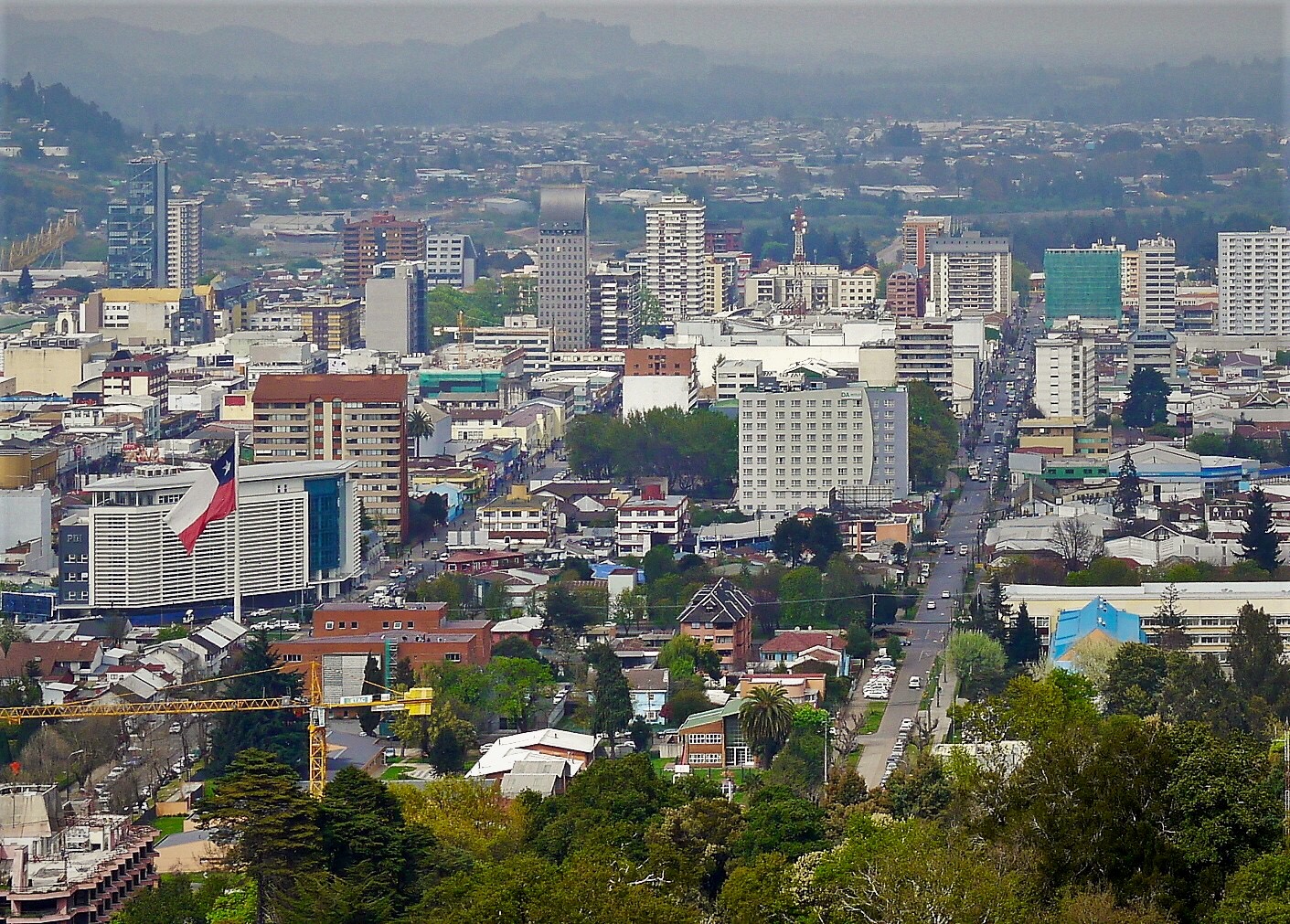 65
65 65
65 65
65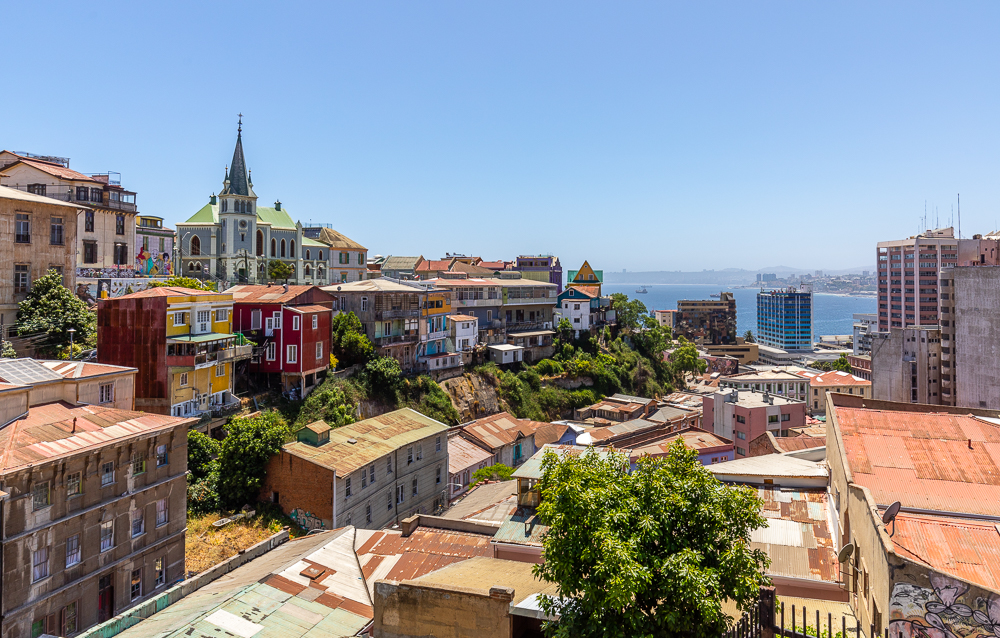 73
73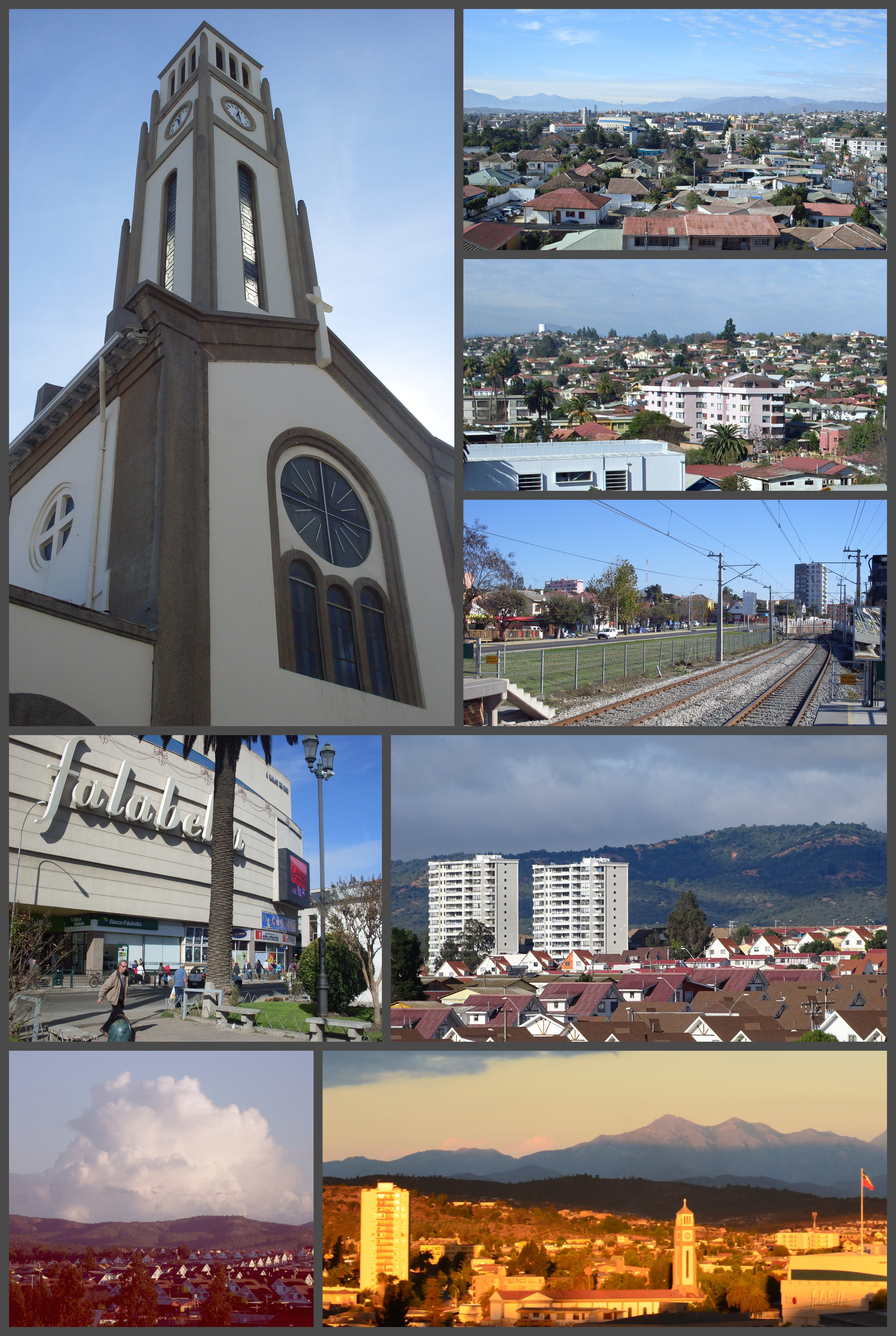 71
71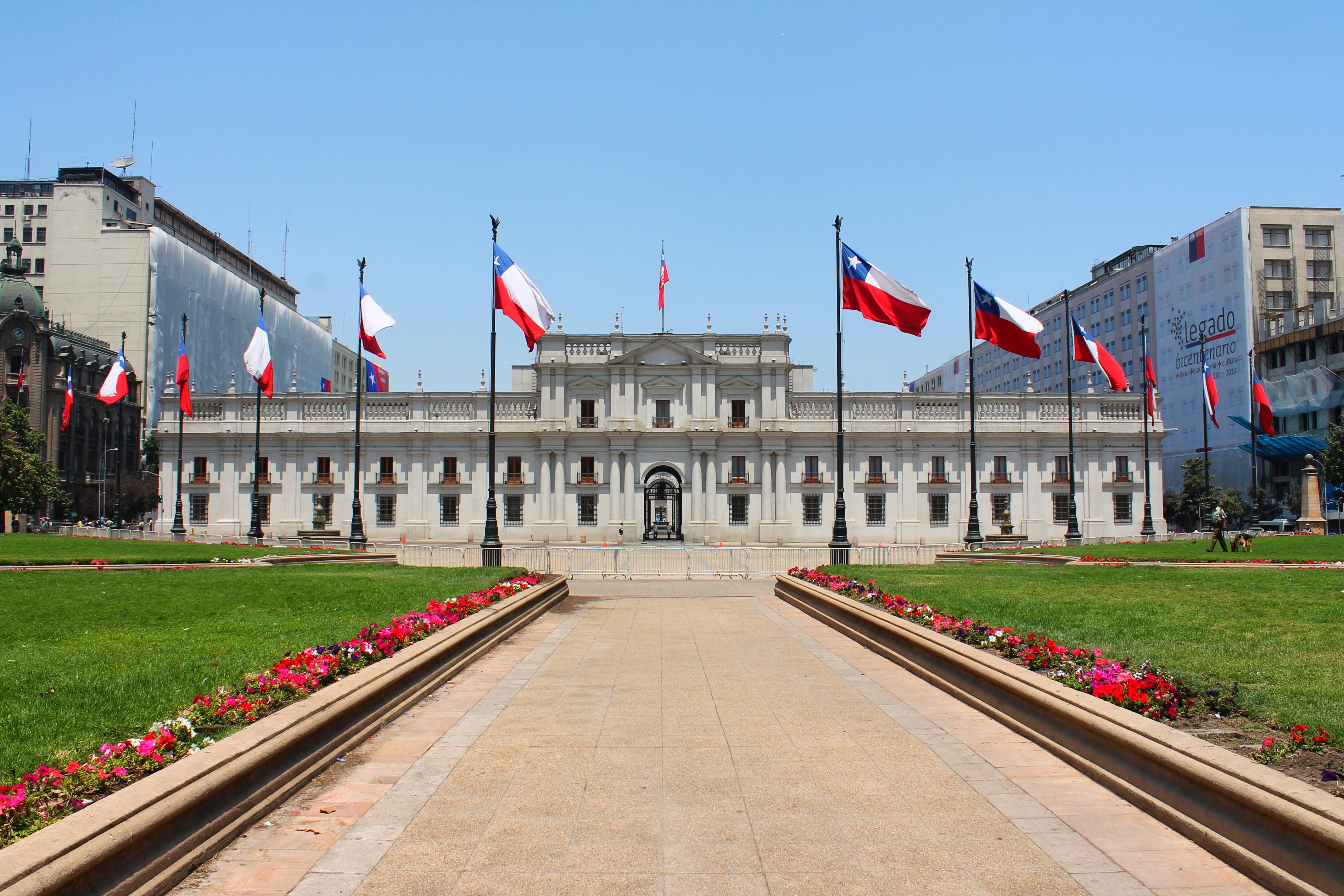 ✦ 87
✦ 87The housing requirement and how people overspend on it
You need proof of accommodation to file, but the form that proof takes matters more than people assume. A short-term rental or hotel booking covering your arrival period satisfies this, and there's no requirement that it span your entire twelve-month permit. People routinely book and pay for a full year of housing before they've even landed, treating it as insurance against rejection, when a two-week booking with a credible explanation of onward plans does the same job for a fraction of the cost.
The alternative path, a notarized invitation letter from a host, gets misunderstood just as often. It has to be signed before a Chilean notary and include the host's contact details along with the length and conditions of your stay. A landlord's email confirming a lease, or a friend's signed note, doesn't meet that bar no matter how detailed it is. If you're planning to stay with someone rather than book commercial accommodation, get the notarization sorted before you submit anything, not after a consulate flags the gap.
Local work isn't permitted on this visa, and the local income allowance sits at zero, meaning any Chilean-sourced income at all, not just income above some share of your total, creates a compliance problem. This bleeds into the housing question in a way people don't expect: signing a long-term local lease, opening a business relationship with a Chilean landlord who expects local employment income to qualify you, or structuring your housing costs around any domestic earning arrangement muddies a file that's supposed to show you as someone whose money comes entirely from outside the country. Keep the housing story and the income story pointing the same direction.
What actually happens after you land
There are two ways into this visa, and the choice between them changes your risk profile more than most applicants realize. You can apply from home and travel once approved, or you can enter Chile on the standard ninety-day tourist stay and file the digital nomad application in-country, finalizing everything at a local immigration office. The second route is common because it lets people test the country before committing on paper, but it runs on a tighter clock than it looks like at first.
Processing runs anywhere from four weeks on the fast end to thirteen weeks on the slow one. File in-country early in your ninety days and you're fine even on the slow track. File in week six, and a thirteen-week processing time puts your approval well past the date your tourist entry expires, which forces a decision about extending or leaving that nobody wants to make mid-process.
There's no interview and no medical exam required, which keeps the process procedurally simple, but simple isn't the same as fast. And approval itself isn't the finish line. Getting the visa decision is one step; collecting the actual permit and completing whatever registration the immigration office requires to hold it is another, and that gap is where people get caught traveling for work or family reasons on the assumption that "approved" means "done." It doesn't, until the physical permit is in hand.
What the long-term path actually asks of you
This is a renewable visa, issued in twelve-month blocks, and for a lot of applicants that renewability is the whole appeal: keep earning from outside Chile, keep filing on time, keep living there. Where it gets murkier is what that renewable status eventually converts into. Policy on whether time spent on a digital nomad permit counts toward a longer residency track has moved before and moves again, and rules that were true when someone else went through this process eighteen months ago aren't a safe thing to build a five-year plan on.
The practical move is to treat this visa as what it clearly and reliably is, a renewable, income-based permission to live and work remotely from Chile, and to check the current residency framework directly before assuming any particular year count locks in a path to something more permanent. If a settlement outcome is the actual goal rather than a nice-to-have, that's worth confirming with current guidance before you structure years of your life around an assumption.
The call against the obvious alternative
For a US remote earner comparing options, Mexico's temporary resident visa is usually the other name on the shortlist, and the two countries ask for truly different trade-offs. Mexico's track tends to demand a heavier financial paper trail and a larger sustained balance to qualify, while Chile's entry bar on income is lower and the application itself, no interview, no medical exam, moves through a single online portal without a consulate visit forcing a scheduling headache.
What Chile asks for in exchange is discipline on the income side once you're in: zero tolerance for local earnings, a flat prohibition on local work, and a territorial tax approach that rewards keeping your income streams cleanly foreign. If your work is straightforwardly remote, with clients or an employer entirely outside the country and no ambition to pick up local clients or shift into anything Chile-based, that trade works cleanly in Chile's favor, particularly given the lower month-to-month income floor. If part of the appeal of moving abroad is the option to eventually work locally, freelance for regional clients, or build something inside the country you're living in, Chile's zero-tolerance local income rule makes that a much narrower door than a lot of alternatives leave open.
Work Permissions
Application Steps
- 1
📋 Research eligibility and requirements
1-2 days
- 2
📄 Gather identity and financial documents
1-2 weeks
- 3
📋 Create account on immigration portal
Same day
- 4
📬 Upload documents and submit application
1-2 days
- 5
⏳ Wait for processing and approval
30-90 days
- 6
🏛️ Enter Chile and finalize visa
1-2 days
- 7
🏛️ Apply for dependent visas if applicable
1-4 weeks
This visa requires proof of health insurance. Compare international plans before you apply.
Compare health insuranceWe may earn a commission at no cost to you.
Compare this visa
Curated comparisons that include this route.
Frequently Asked Questions
Click any question to expand the answer.
Ready to Apply?
Work with trusted visa specialists who handle the paperwork so you can focus on your move.
Get help with this visa →* We may earn a commission if you apply through our link
At a Glance
Last verified: October 9, 2026