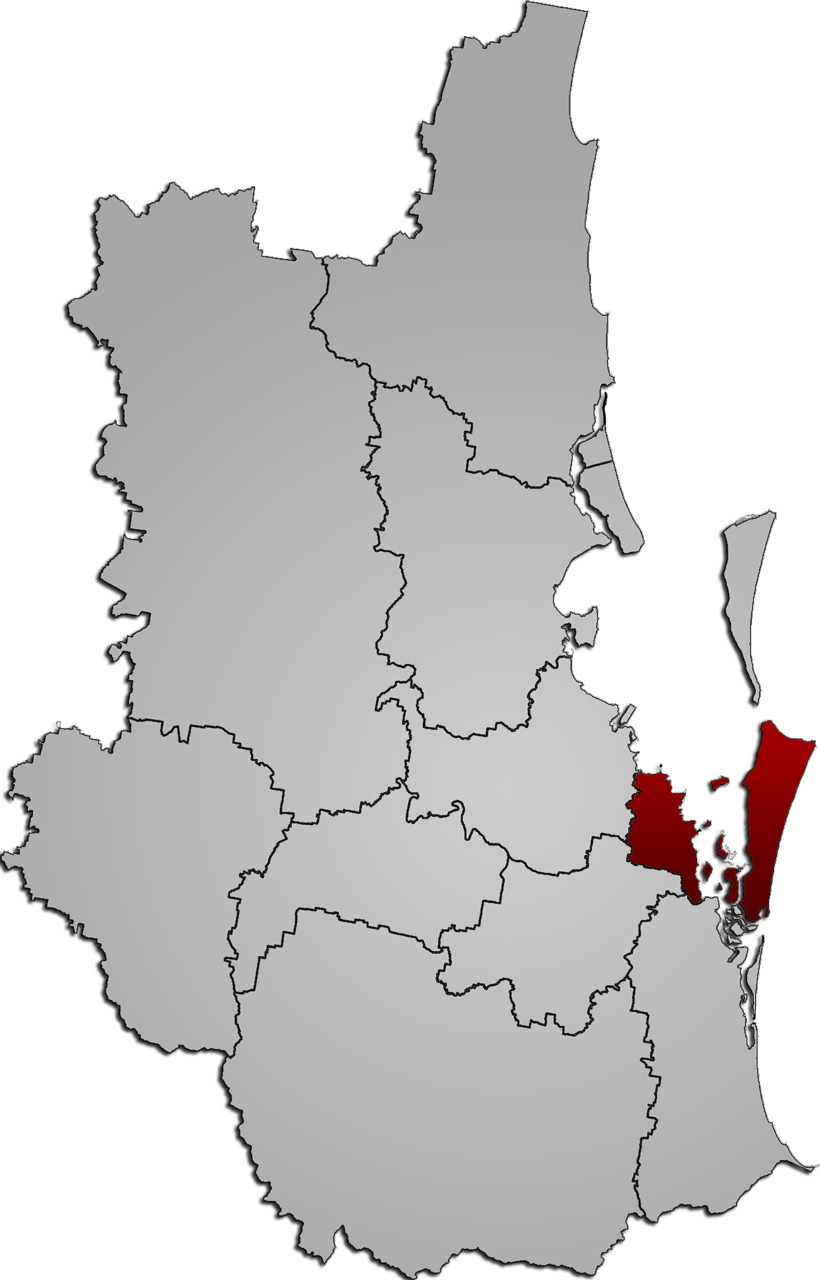
Redland City sits on the coast of Moreton Bay in Queensland, about 25 m above sea level and within the Australia/Brisbane timezone. The climate is subtropical, which means warm, humid summers and mild, dry winters, with sea breezes that take the edge off the hottest afternoons. The population is 164 thousand, and the city spreads across a mix of bayside suburbs, bushland, and islands. Expats tend to settle in a few well-known areas: Redlands (Redland Bay), Cleveland, and Capalaba. Redland Bay has a relaxed waterfront feel and ferry access to the bay islands, Cleveland is the commercial and transport hub with a train line to Brisbane, and Capalaba offers more suburban space and shopping. The expat community size is small, so newcomers often find themselves integrating quickly with locals rather than living inside a large international bubble.
Monthly costs depend heavily on where you rent and how you live. A one-bedroom apartment in the city center runs $1,507/mo, while the same outside the center drops to $1,115/mo. For a three-bedroom place, expect $1,809/mo in the center and $1,507/mo outside it. Beyond rent, a single person spends about $1,350/mo, and a family of four spends about $4,700/mo. Utilities come to $89/mo, internet is $54/mo, and a mobile phone plan is $30/mo. Eating out is moderate: an inexpensive restaurant meal is $15 per person, a mid-range three-course meal for two is $63, and a cappuccino is $4. The overall cost of living index is 83/100 against New York City at 100. For a single adult including rent, a budget tier totals $1,374/mo, a mid-range tier totals $1,958/mo, and a comfortable tier totals $2,501/mo. Average internet speed is 54 Mbps.
Safety is a strong point. The safety index is 85/100 and the crime index is 15/100, with lower numbers meaning safer. Healthcare quality is rated Good, and English is widely spoken, which makes everyday errands, medical appointments, and school interactions straightforward for most newcomers. Air quality sits at 45 on an index where lower is better, a reasonable figure for a coastal city with plenty of green space. The combination of low crime, good healthcare, and a small expat community means daily life tends to feel calm and local rather than crowded or anonymous.
For longer stays, the Investor Retirement visa (subclass 405) is the named retirement pathway, and the Australia Digital Nomad Visa covers remote workers. The nearest airport is BNE, just 7 km away, so arrivals and departures are quick. The city scores 69/100 overall for expats, 60/100 for FIRE, 62/100 for retirees, and 69/100 for digital nomads. That mix suits retirees who want a quiet bayside base, remote workers who need reliable connectivity and a lower cost of living than the capital, and anyone who values safety and healthcare over a large international social scene.