Australia Business Innovation and Investment Visa (188)
Data updated Oct 8, 2026
Difficulty
Difficult
Duration
48 months
Overview
Australia’s Business Innovation and Investment visa (subclass 188) is built for people putting money into an Australian business or complying capital structure, not for someone living off $3,800/month of ETF dividends and rent. The structured facts list an investment requirement of USD 1,612,903, with no minimum monthly income, no minimum savings, and no path for Social Security or pension income to count toward eligibility; the Home Affairs page ties the visa to business activity and investment activity, and the relevant streams were closed to new applications on 31 July 2024. For anyone who can deploy that capital, the upside is a renewable visa that leads to permanent residence, with local work allowed through owner and self-employed activity.
Residency pressure is light on the published requirements: no physical presence threshold is publicly specified, and no maximum consecutive absence is disclosed. That matters because the file does not present a day-count trap for a split-country life, but it also does not give the clean absence freedom readers want from a passive-income residency. The practical read is that the visa sits closer to an investment-and-operation pathway than a stay-anywhere residence product.
The hard part is not the English-language paperwork; it is the capital and the nomination layer. Home Affairs says the program is closed as of 31 July 2024 for new BIIP applications, and the subclass 188 pages show a from-AUD10,000 application cost with processing times not publicly specified in the published requirements. Health insurance is required, while a local bank account, apostille, FBI background check, medical exam, and interview are not required under the facts supplied. Because the visa is renewable and leads to PR, the long game exists — but the timeline to PR and citizenship is not publicly specified.
This makes most sense if you are already planning to direct about USD 1.61 million into an Australian business or qualifying capital structure and want a renewable pathway that can end in PR. It is a poor fit if your entire plan is to live on portfolio income, preserve dividends, and avoid active business involvement.
For US Citizens and Green Card Holders ## Local tax picture Australia does not present a simple territorial system in the requirements supplied, and the tax regime type is not specified. The practical consequence is that a US person should not assume foreign ETF dividends, rental income from property abroad, or remote salary escape Australian tax automatically. Local work is permitted, and owner/self-employed activity is allowed, so business profits tied to Australian activity can enter the local tax net. Capital gains treatment on foreign investments is not publicly specified in the published rules, so there is no safe shortcut for a FIRE portfolio sale under this visa based on the data here.
Tax residency triggers are also not publicly specified in the published requirements. The visa rules do not state a 183-day rule, a visa-grant trigger, or a registration deadline, so the local residency analysis has to be completed against Australia’s separate tax-residency rules, not this visa page. Tax treaty status with the US is listed as unknown, so no treaty-based assumption is available here for Social Security, dividends, or retirement distributions.
For US Citizens and Green Card Holders - FEIE (Form 2555) covers earned income only: remote work, self-employment, consulting. The 2024 limit is $126,500. - FEIE does not cover dividends, capital gains, pension distributions, or Social Security. - FTC (Form 1116) only helps when Australian tax on the same income exceeds the US tax. If Australia taxes a stream at zero, the FTC gives no shelter on that stream. - FBAR (FinCEN 114) applies when foreign financial accounts exceed $10,000 at any point in the year, separate from FATCA Form 8938.
The useful pairing here is a US CPA focused on FEIE, FTC, and FBAR, plus an Australian tax adviser who can map residency, filing, and any business-level obligations. For a visa that permits local work and has an unknown treaty position, the first-year spend on guidance is often the cheapest part of the move.
Eligibility Requirements
Any nationality can apply in principle under the published requirements, because the nationality restriction is listed as all. The practical friction point is not legal eligibility but banking and consular processing for applicants from sanctioned or diplomatically isolated countries, especially Iran, North Korea, Syria, Cuba, and Russia. Check the Department of Home Affairs directly before assembling a full file; the official authority is the Australian Department of Home Affairs.
Min Age
55 yrs
Duration
48 months
Business Owner · Self-Employed
Requirements Checklist
0 of 44 documents in hand
0%These take the longest, so start them first.
Request these while the slow items are in progress.
You only need these on the day you submit.
How and where to apply
Apply online via the Department of Home Affairs ImmiAccount portal at immi.homeaffairs.gov.au, accessible from anywhere. No consulate or in-country immigration office application needed; submit before entering Australia. Exceptions not specified for switching post-arrival on tourist visa.
Tax Information
Tax obligations vary by country and visa type. Most countries require visa holders to pay income tax on income earned within the country.
Some countries offer favorable tax regimes for remote workers and digital nomads, with reduced rates or tax exemptions for foreign-sourced income.
Consult a tax professional familiar with both your home country's laws and the host country's regulations.
Living in Australia
COL Index vs NYC
60.9
Monthly Cost (excl. rent)
$1,089
1BR Rent (City Center)
$1,504
Safety Index
52.7
Healthcare Index
73.4
Quality of Life Index
192.2
Time Zone
UTC+10:00
Capital
Canberra
Population
25.7M
Official Languages
English
Avg Internet Speed
164 Mbps
Public Transit Quality
Good
With a budget covering rent and living costs, you'd need roughly $2,593/mo for a comfortable single-person lifestyle in Australia.See how far your money goes →
🏙️ Best Cities in Australia for Investors & FIRE Seekers
 ✦ 85
✦ 85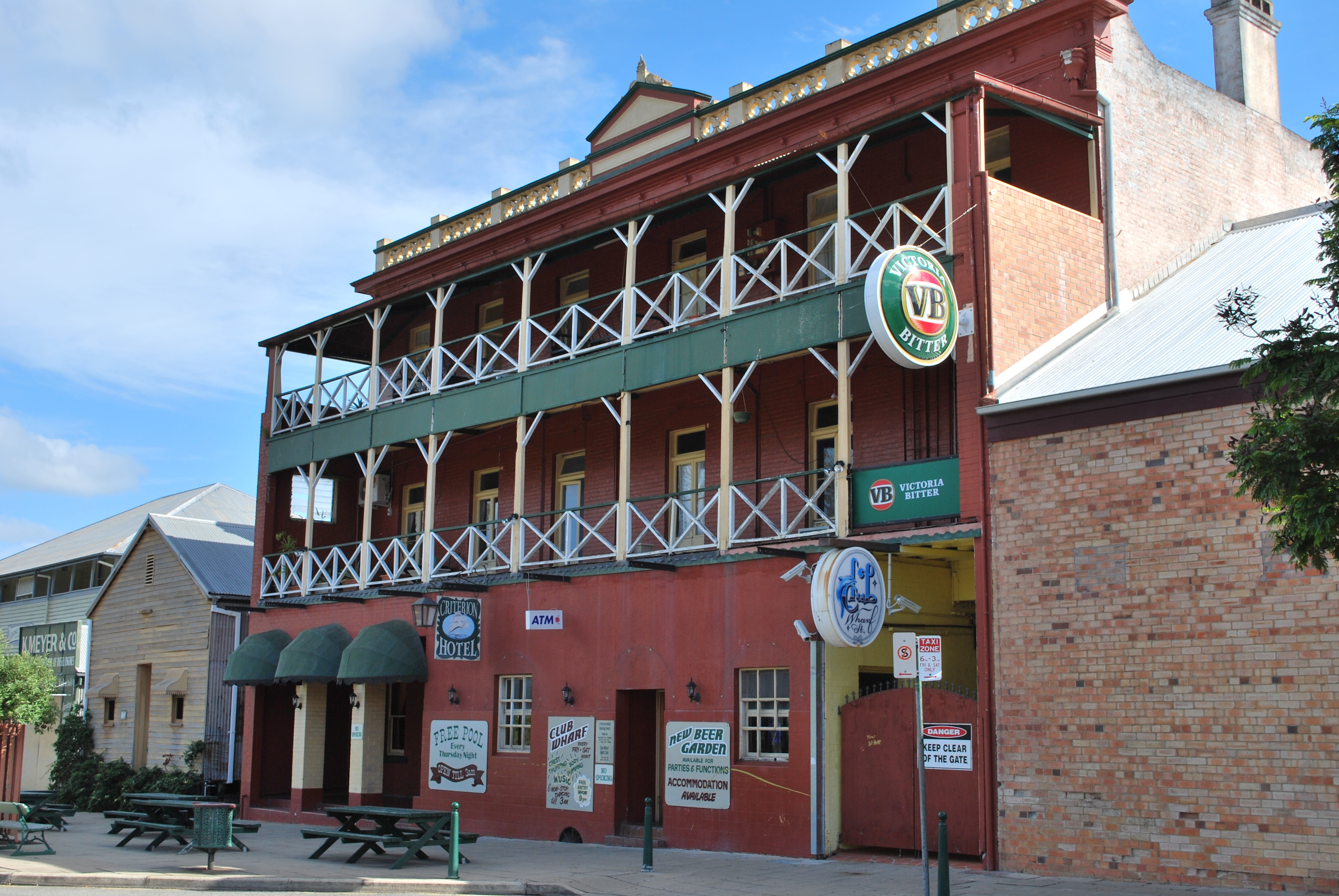 ✦ 90
✦ 90 ✦ 84
✦ 84 ✦ 84
✦ 84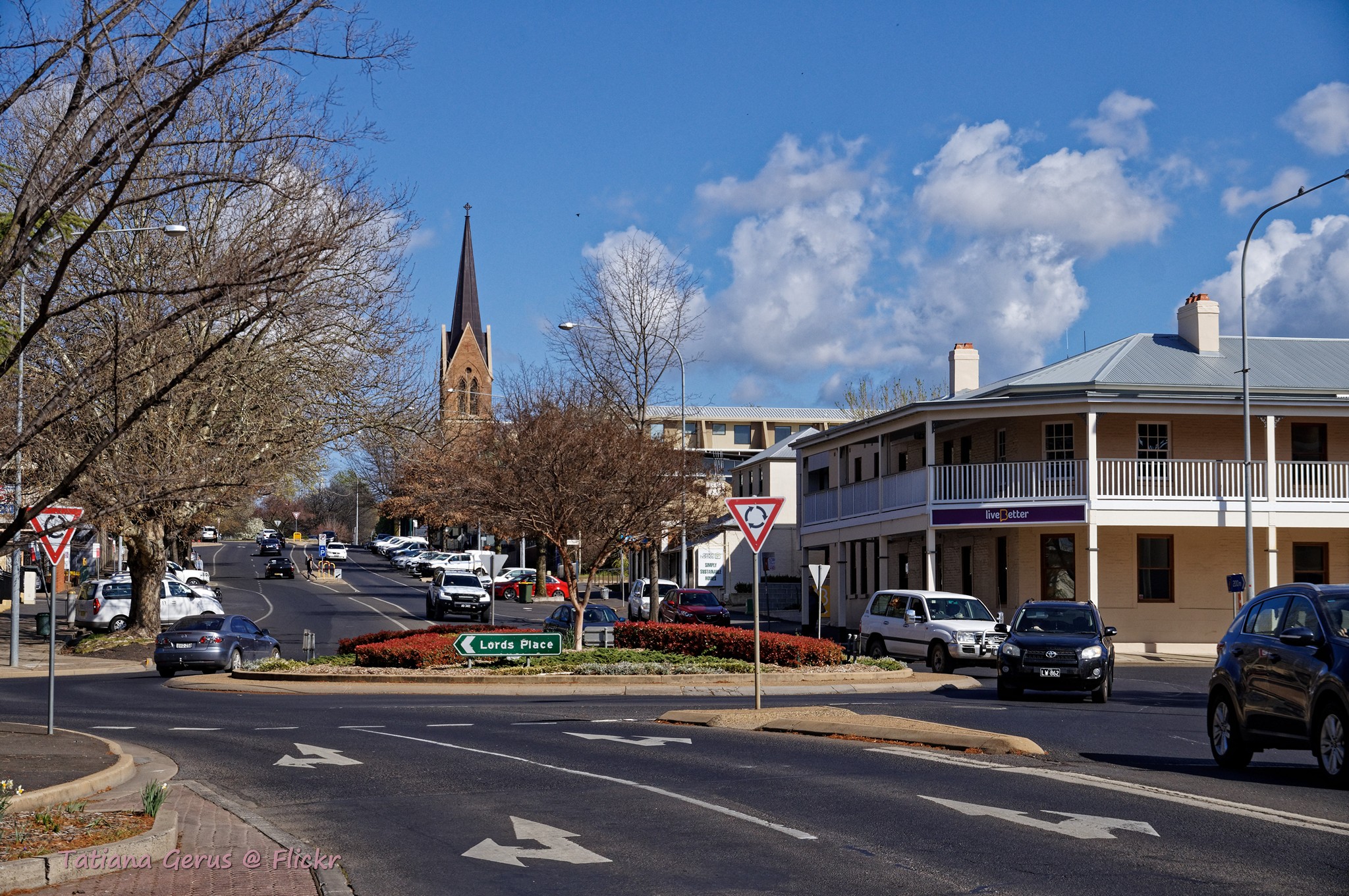 ✦ 85
✦ 85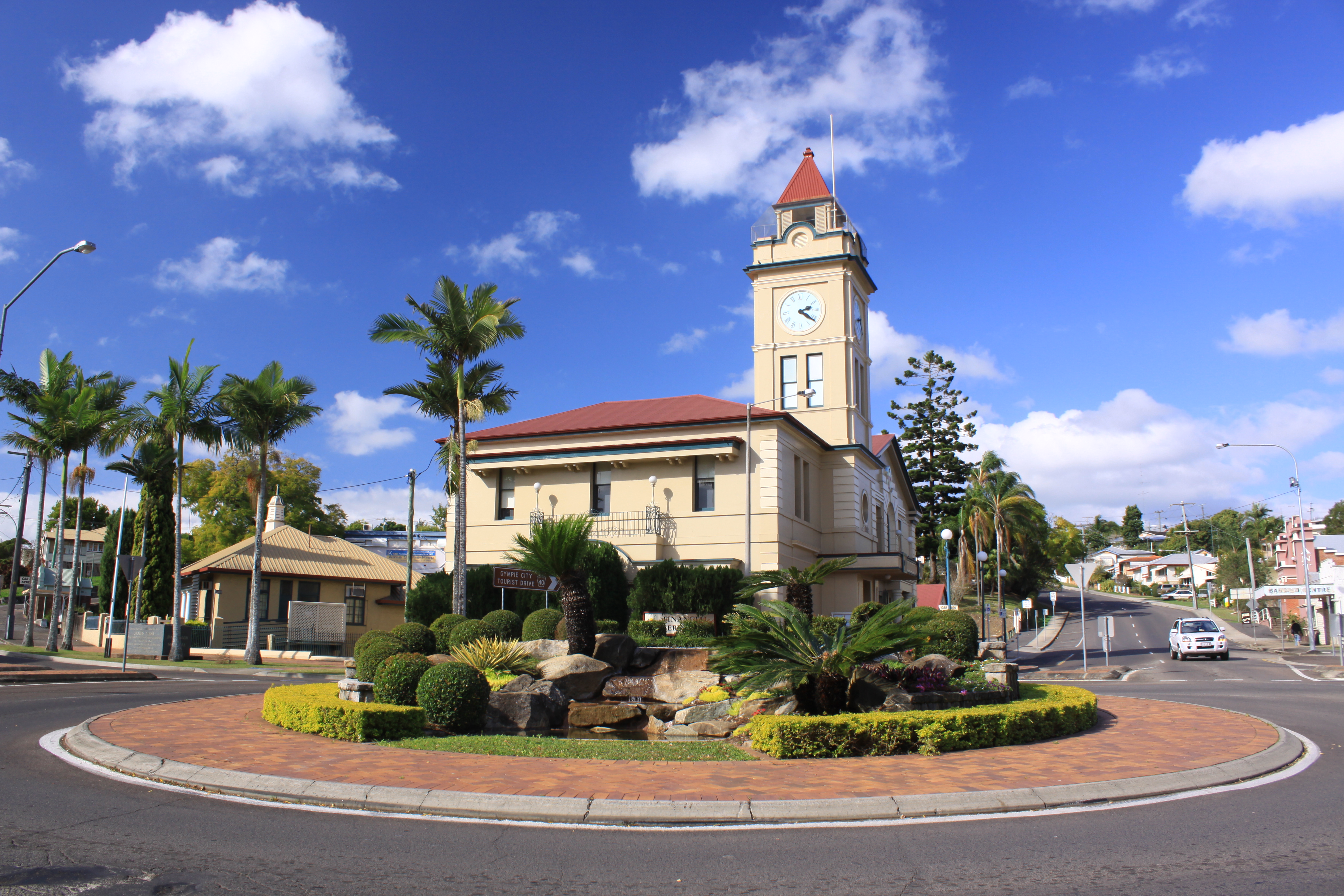 ✦ 85
✦ 85The state nomination is the real gatekeeper
People tend to treat the nomination step as a formality sitting between them and the actual visa application, something to check off before the "real" process starts. It's closer to the opposite. The nomination is where a state or territory decides whether it wants your specific business plan, your specific sector, your specific capital, operating within its borders. That's a harder yes to get than most applicants expect, and it's not one immigration authorities are directly involved in.
What makes this trickier is that a nomination isn't a loose endorsement. If you've already been nominated by one state and want to pursue another, you need a letter of release before you can restart the process elsewhere. That single requirement quietly punishes applicants who apply to a state opportunistically, treating the nomination stage as a formality to clear rather than a genuine fit to establish. Photographs of business premises and business activity are part of the file for a reason: the state wants evidence you intend to actually operate there, not park a company on paper while living somewhere more convenient.
The upside of getting this right is that once nominated, the rest of the process doesn't require you to appear anywhere in person. No interview, no consulate visit, submission happens entirely through an online portal, and you can be assembling documents from wherever you currently are. But that convenience only kicks in after the harder local approval is secured, and trying to skip ahead to the paperwork stage before the state relationship is settled just means redoing work.
Approval is not the same as holding a permanent status
The initial grant runs for four years, and it's tempting to read that window as a formality on the way to permanent residency, something that happens automatically once enough time passes. It isn't automatic. The four years function as a proving period where the business or investment activity described in the original application has to actually happen on the ground, not just get referenced in a plan that sat well with a case officer.
Local work is permitted from the point of arrival, and for most applicants that's of the structure: you're expected to be running something, not waiting out a clock. Health insurance needs to be in place, since there's no reliance on any reciprocal coverage arrangement here, and that's worth sorting before arrival rather than after. What doesn't show up anywhere in the approval letter is a guarantee that four years later the permanent stage will simply be granted. It depends on being able to demonstrate, with the same kind of documentation used in the original application, that the business or investment activity was real and sustained.
The gap between "your visa was approved" and "you hold a durable status in Australia" is really a gap in ongoing evidence-building. Treat the four years as an extension of the application rather than the end of one.
The long-term path takes the whole runway, not a shortcut through it
This visa does lead to permanent residency, and the initial permit itself is renewable, which gives some room if a business takes longer to establish than planned. But there's no version of this pathway where residency arrives early because the applicant was especially well qualified. The structure is built around the full initial period, and the case for permanence is made at the end of it, not partway through.
What that means practically is that someone entering this visa at 55 or older is committing to running a real operation in Australia for essentially the entire initial validity period before the next stage becomes a live question rather than a plan. For an applicant who wants Australian residency as an endpoint and treats the business activity as the means to get there, that's a reasonable trade. For someone hoping to establish a lighter footprint and exit quickly to permanent status, the timeline doesn't bend that way. The renewability of the initial permit is a useful cushion if the business case needs more time to mature, not a way to accelerate anything.
Weighing this against a lower-touch investment route
The most obvious alternative for someone with capital in this range is a program built around passive investment, a fund subscription or property purchase somewhere in Europe that asks for capital and patience but not operational involvement. Those routes trade activity for simplicity: less documentation about management history, no state nomination process, no business premises to photograph. If the goal is a second residency with minimal ongoing obligation, that structure fits better.
This visa asks for the opposite. It wants someone who intends to be hands-on, whose file demonstrates management experience, and who is willing to build or run something inside a specific state's economy for years, not just wire money and wait. The reward is a path to residency in a country with a resident tax regime, full work rights from day one, and room for dependents to come along for the whole arrangement. For someone who has spent a career actively running businesses and wants Australia specifically, the fit is strong. For someone who wants their capital working quietly in the background while they get on with retirement, this is very much the harder road, and probably the wrong one.
Work Permissions
Application Steps
- 1
📋 Research eligibility criteria
1-2 weeks
- 2
📄 Gather identity and financial proof
2-4 weeks
- 3
📄 Secure health insurance coverage
1 week
- 4
📋 Create ImmiAccount online
1 day
- 5
📬 Submit online visa application
1-2 days
- 6
⏳ Await processing decision
not specified
- 7
🏛️ Enter Australia on visa grant
Same day
Compare this visa
Curated comparisons that include this route.
Frequently Asked Questions
Click any question to expand the answer.
Ready to Apply?
Work with trusted visa specialists who handle the paperwork so you can focus on your move.
Get help with this visa →* We may earn a commission if you apply through our link
At a Glance
Last verified: May 13, 2026