Processing Time
1-52 wks
Difficulty
Easy
Duration
3 months
Overview
For Australia’s so‑called Digital Nomad Visa, you are in practice looking at using a visitor‑type visa (primarily the Tourist Visa 600) as a remote worker, not a dedicated nomad category. program rules set a minimum savings level of USD 3,481 (as of 2026) rather than an ongoing income floor, and with no separate minimum monthly income or investment requirement. That means a FIRE retiree with USD 500,000 in ETFs or a remote employee on USD 6,000/month can both clear the financial bar as long as they can document at least USD 3,481 in accessible funds when applying.
The official application fee anchored in the program rules is USD 95, which aligns with the mid‑range Tourist Visa 600 charge band. Processing time typically runs from under a week up to about 4 weeks (as of 2026), and the initial grant is for 3 months, so you can plan around a 3‑month stay rather than a guaranteed 6 or 12‑month grant. You should instead treat this as a finite, non‑immigrant stay with some flexibility but no statutory path to a long multi‑year run purely on this status.
Residency trade‑offs are sharp: program rules do not disclose any physical presence requirements or maximum consecutive absence rules because this status does not lead to permanent residency. The program explicitly does not lead to PR, and there is no stated year‑count toward citizenship, so spending 183+ days in Australia on repeat visitor‑style entries only increases your tax residency risk; it does not accumulate toward migration milestones. If you want a 10‑year plan into Australian nationality, you would need to pivot into a skilled, partner, or investor visa stream.
Friction is relatively low administratively: no apostille, no FBI background check, no medical exam, no interview, and no local bank account requirement according to program rules. Combined with a bureaucracy score of 1/5, the main annoyance is uncertainty around processing time and permitted stay length rather than document burden. However, local work is not permitted under this status, so you cannot legally take Australian W‑2 equivalent employment or bill Australian clients; all income has to be foreign‑sourced from the immigration perspective.
This setup makes sense if you want to spend 3–6 months in Australia living off at least USD 3,481 in savings plus foreign remote income or portfolio withdrawals, with no intention of making Australia your long‑term tax or immigration base. It is a poor fit if you are planning a 5–10 year relocation with local employment, schooling, and a path to PR built around your time physically spent in the country.
Eligibility Requirements
Australia’s digital‑nomad‑via‑tourist framework is nationality‑restricted because the underlying visas (ETA 601, eVisitor 651, and streams of Visitor 600) are built on bilateral arrangements and risk‑based country groupings rather than a single uniform list. Visa‑exempt ETA/eVisitor nationals (for example US, Canada, UK, most EU states) have streamlined access, while others must use different Visitor 600 channels and, in some cases, face much higher scrutiny or are effectively excluded.
The primary eligible pool for easy electronic processing includes EU/EEA citizens, the UK, the US, Canada, New Zealand, Japan, South Korea, Singapore, Hong Kong, Malaysia, and several other low‑risk countries explicitly named on the Department of Home Affairs’ ETA and eVisitor schedules. These are also the nationalities that dominate digital‑nomad usage: Americans, Canadians, British, Irish, Germans, French, Dutch, Scandinavians, and New Zealanders. Citizens of countries outside these lists often must lodge paper‑heavy Visitor 600 applications, with lower approval odds and stricter evidence tests.
If your nationality is not on the ETA/eVisitor eligibility lists, you are not automatically barred from coming as a nomad, but your route will be slower and less predictable. Some nationals can still apply for a standard Visitor 600 visa with strong documentation of ties home and finances. Others from very high‑risk or sanctioned jurisdictions simply will not be granted visitor status. Acquiring a second passport from an ETA/eVisitor‑eligible country, such as an EU state through ancestry or naturalization, usually opens the door to the same visit‑while‑working‑remotely strategy.
Australia’s eligibility groupings have been relatively stable over the last decade, but they are politically sensitive and have changed in response to security and overstay data. Sanctions on Russia, and long‑standing issues with Iran, Syria, and North Korea, mean nationals of those states face very low approval odds even when a formal pathway exists on paper. Banking de‑risking can also make it hard for such applicants to move funds through Australian institutions.
Before assembling documents, verify your specific passport’s options on the Department of Home Affairs website under the “Visa Finder” and ETA/eVisitor eligibility pages. Lists can change without fanfare, and for edge‑case or dual‑national applicants, a targeted AUD 150–300 consult with an Australian migration agent is usually cheaper than lodging the wrong visa class or applying under the wrong nationality.
Min Savings
$3,481
Min Age
18 yrs
practical
Duration
3 months
Max 0% from local sources
Requirements Checklist
0 of 18 documents in hand
0%These take the longest, so start them first.
Request these while the slow items are in progress.
You only need these on the day you submit.
How and where to apply
Apply online via the Australian Department of Home Affairs ImmiAccount portal (immi.homeaffairs.gov.au) from anywhere; eVisitor (651) free for EU passports, ETA (601) via app/portal for US/UK/Canada. No consulate or in-country application needed for initial grant. Cannot switch to this visa in-country; extensions possible via new Subclass 600 application online.
Tax Information
Local tax regime and what it means for you
Australia applies a standard resident worldwide tax regime rather than a territorial or remittance‑based system. Once you are an Australian tax resident, remote salary from a US, Canadian, or EU employer, self‑employment income from offshore clients, ETF dividends in a Vanguard or Fidelity account, and pension or 401(k)/RRIF distributions all fall into the Australian tax net. Non‑residents are taxed on Australian‑sourced income only, but the crucial nuance is that income from work performed while physically in Australia can be treated as Australian‑sourced even if your employer or platform is abroad.
Capital gains on foreign investments such as index funds, ETFs, or individual stocks held in a foreign brokerage are taxable to Australian tax residents under the same rules as local holdings. Australia does not run a non‑dom or remittance regime for newcomers; gains are generally taxed, with potential discounts for assets held more than 12 months, but there is no broad exemption for foreign assets. For non‑residents, capital gains on foreign securities are outside Australia’s scope, but again, extended time in the country risks tipping you into residency.
Tax residency is determined by domestic tests such as being in Australia for more than 183 days in an income year or otherwise having a domicile or significant ties there. Grant of this visitor‑style Digital Nomad Visa does not automatically make you a tax resident, but spending 183+ days in a 12‑month period, leasing long‑term accommodation, or relocating your center of life can do so even if your visa label is “tourist.” The tax regime type is classified as “resident”, which is a warning flag for anyone contemplating staying most of the year.
Local compliance starts with obtaining a Tax File Number (TFN) once you become resident or have Australian‑sourced income, then filing an annual income tax return with the Australian Taxation Office (ATO). Deadlines vary depending on whether you use a tax agent, but the standard individual filing deadline is after the end of the Australian tax year (30 June). There is no separate tax status deadline for this visa route, so you cannot rely on a special window for nomad‑style entrants; assume standard resident/non‑resident rules apply.
A US-Australia tax treaty exists, so you cannot assume protections under a double‑tax treaty for US, Canadian, or EU residents without checking the specific bilateral agreement. Australia does have extensive treaty coverage, but the extent to which a treaty addresses pensions, dividends, and employment income is treaty‑specific, and there is a US-Australia totalization agreement covering Social Security for this visa context.
For US Citizens and Green Card Holders
US persons on this Australian Digital Nomad Visa remain fully subject to US taxation on worldwide income. The Foreign Earned Income Exclusion (FEIE), claimed on Form 2555, can shelter up to USD 132,900 of earned income in 2026 (remote salary, consulting, self‑employment), but it does nothing for ETF dividends, capital gains, rental income from US property, Social Security, or pension and IRA/401(k) distributions. Because this visa does not create a clear “bona fide resident” track and often involves moving between countries, the Physical Presence Test (330 full days outside the US in any 12‑month period) is the more realistic FEIE route for many nomads basing in Australia part‑year.
The Foreign Tax Credit (FTC) on Form 1116 becomes relevant if you are treated as an Australian tax resident or have Australian‑sourced income taxed by the ATO. FTC only helps when Australia’s effective tax rate on a given income stream meets or exceeds the US rate on that same income. If you manage your stays to avoid Australian tax residency and avoid generating Australian‑sourced income (for example by keeping physical time in Australia under 183 days and not taking local work), your Australian tax on foreign income may be zero, leaving no foreign tax to credit against US liabilities.
FBAR (FinCEN 114) and FATCA (Form 8938) reporting apply regardless of where you live. FBAR is triggered once the aggregate value of all non‑US financial accounts exceeds USD 10,000 at any point in the year, and non‑willful penalties start around USD 16,700 per violation as of 2026. visa rules say a local bank account is not required for this visa, but many nomads open Australian accounts for practical reasons; those accounts count toward the FBAR and FATCA thresholds. Even an Australian brokerage account for local investing would be reportable.
Realistically, you need two specialists to set this up correctly: a US CPA who focuses on expat files (FEIE vs FTC strategy, Forms 2555, 1116, 8938, 8621 if you hold non‑US funds, and FBAR) and a local Australian tax advisor to interpret residency triggers and filing obligations. The USD 1,500–3,000 you spend in year one on that combined advice is often recovered quickly through correct FEIE/FTC elections, avoiding inadvertent Australian residency, and preventing five‑figure FBAR/FATCA penalty exposure.
Living in Australia
COL Index vs NYC
60.9
Monthly Cost (excl. rent)
$1,089
1BR Rent (City Center)
$1,504
Safety Index
52.7
Healthcare Index
73.4
Quality of Life Index
192.2
Time Zone
UTC+10:00
Capital
Canberra
Population
25.7M
Official Languages
English
Avg Internet Speed
164 Mbps
Public Transit Quality
Good
With a budget covering rent and living costs, you'd need roughly $2,593/mo for a comfortable single-person lifestyle in Australia.See how far your money goes →
🏙️ Best Cities in Australia for Digital Nomads
 ✦ 85
✦ 85 ✦ 83
✦ 83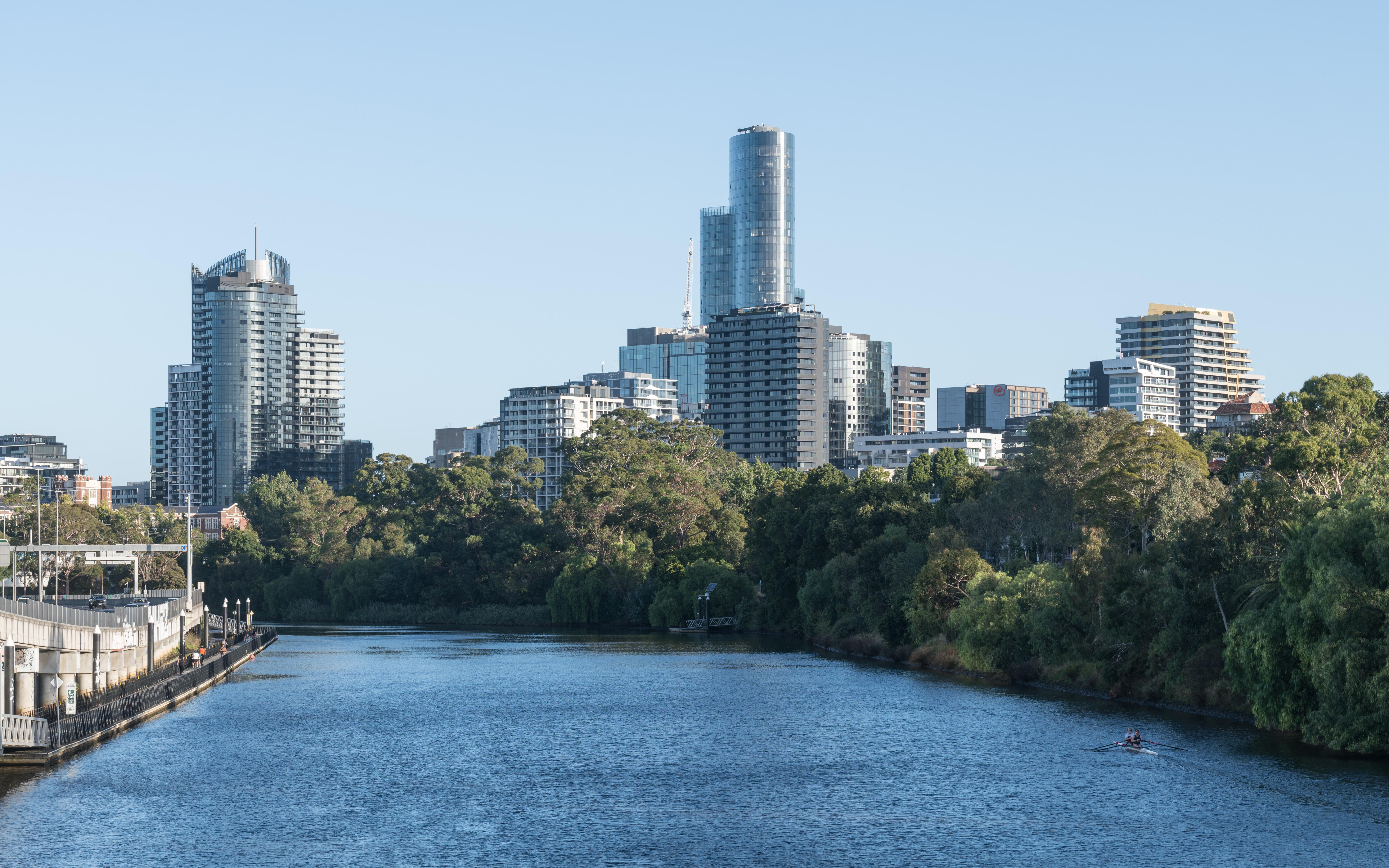 ✦ 85
✦ 85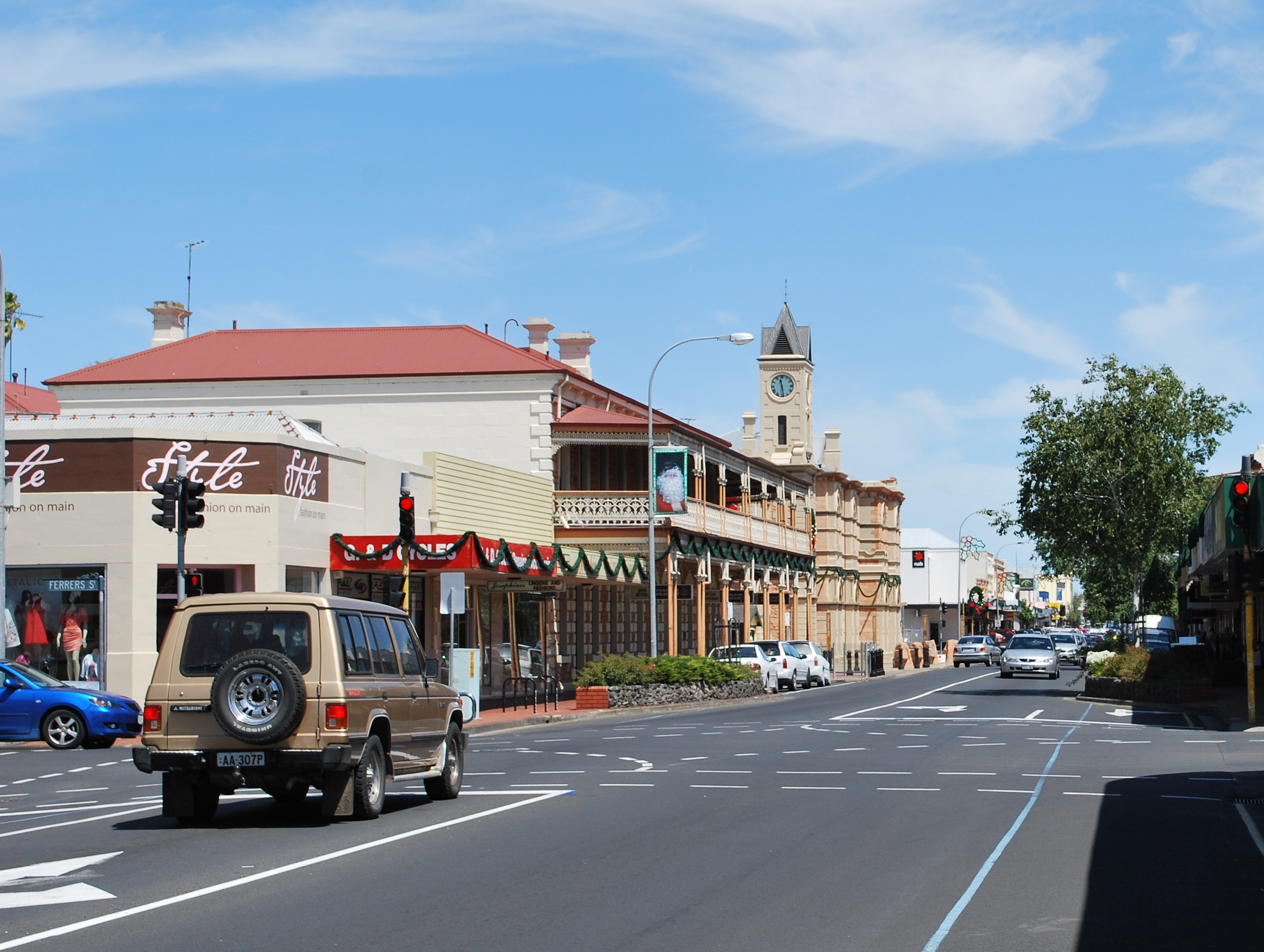 ✦ 80
✦ 80 ✦ 86
✦ 86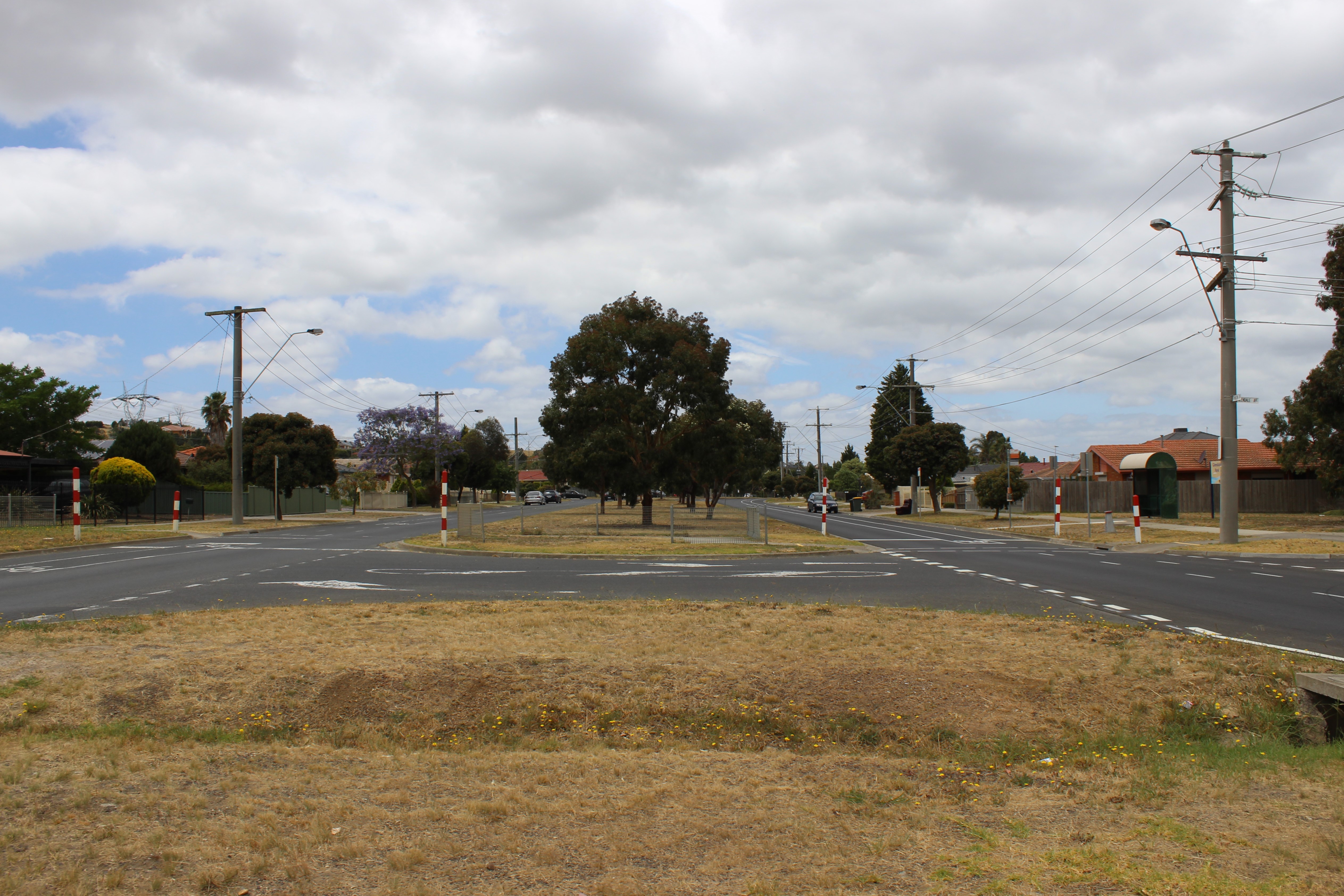 ✦ 82
✦ 82The accommodation question is softer than it looks
Because proof of planned accommodation is conditional rather than mandatory, people either overdo it or ignore it entirely, and both create small problems. Signing a twelve-month lease before you've even entered the country reads oddly against a visa that grants an initial stay of three months. It suggests either confusion about what you're applying for or an intention to stay well past what the visa actually permits, and officers reviewing visitor-category applications are trained to notice mismatches between stated duration and behavior that implies something longer.
The safer approach is proportionate: a booking for the first few weeks, enough to show you have somewhere to land, without committing to a lease that outlives the permit you're being granted. If you already know you'll want to extend, that's fine to plan for privately, but the application itself should match the visa you're applying for, not the life you're hoping to build. Leaving accommodation blank isn't fatal given it's listed as available-if-possible rather than required, but it does remove one more piece of evidence supporting your intent to leave when the visa says you should, which matters more here than it would on a settlement-track visa.
What happens after you land
There's no medical exam waiting for you at the border in most cases, no interview to clear, and the entry process itself is fast, often resolved within days rather than weeks depending on which application route your passport qualifies for. What you land with, though, is a visitor grant capped at three months, and that's the part people underestimate. This isn't a permit that gets stamped, renewed, and upgraded over time. Local work isn't authorized under this status, so whatever remote income you're living on has to stay clearly tied to clients or an employer outside Australia, because the visa doesn't grant you standing to take on Australian work of any kind.
When the initial period runs out and someone wants to keep going, there's no renewal mechanism in the sense of extending a card or filing a short update. The route back in is a fresh Subclass 600 application, submitted online, which means re-supplying funds evidence, re-confirming the employment or freelance arrangement, and effectively re-proving the same case you made the first time. Nothing carries over administratively. For someone who wants to string together six or nine months in the country, this means budgeting time and attention for repeat paperwork every few months rather than treating the first approval as a one-time hurdle.
The long-term path problem
This visa doesn't lead anywhere. Time spent under it doesn't count toward permanent residency, and there's no built-in conversion mechanism that upgrades a nomad stay into a settlement pathway the way some countries have deliberately engineered theirs to do. That's a structural fact worth sitting with before you build a multi-year plan around Australia specifically, because it changes what this visa is for. It's a way to live in the country for a while, not a way to start becoming a resident of it.
Anyone who wants Australia long-term has to treat this as entirely separate from that goal and pursue a skilled or employer-sponsored channel on its own terms, starting from scratch, with its own evidence requirements and its own timeline. The two tracks don't touch. If your plan is "come on the nomad route, then figure out residency once I'm established," that's a plan built on hope rather than mechanism. The better sequencing is to decide up front whether Australia is a place you're testing for lifestyle reasons or a place you're trying to immigrate to, because the visa in front of you only serves the first goal.
Australia versus a real nomad visa
The honest comparison isn't between two nomad visas, it's between a repurposed tourist product and a purpose-built one. Countries that have designed dedicated digital nomad categories tend to grant longer initial stays, build in renewal mechanics that don't require restarting the whole application, and sometimes offer a tax posture aimed specifically at remote earners. Australia's version runs through the same system used for short-term visitors and tourists, which means the settings, cost, and paperwork are all inherited from a product designed for a different purpose.
That's not automatically a disqualifying trade. If what you want is to test whether you actually like living in Australia, without committing to a year-long lease or a formal immigration track, the speed and low cost of this route make it a reasonable first move. It's cheap to be wrong about. But if you're choosing between Australia and a country with an actual nomad-specific visa because you want a longer runway, fewer renewal cycles, and something closer to a real multi-year plan, the honest answer is that Australia's route wasn't built to compete on those terms. Choose it for what it is: a low-commitment way to spend a season somewhere, not a foundation to build years of remote life on top of.
Work Permissions
Application Steps
- 1
📋 Check eligibility and passport type
1 day
- 2
📄 Gather proof of funds and ties
1-2 weeks
- 3
📋 Create ImmiAccount online
Same day
- 4
📬 Submit online application
1 day
- 5
⏳ Wait for processing and approval
1-4 weeks
- 6
🏛️ Enter Australia and comply
Planning a long stay? Compare international health plans for Australia.
Compare health insuranceWe may earn a commission at no cost to you.
Compare this visa
Curated comparisons that include this route.
Frequently Asked Questions
Click any question to expand the answer.
Ready to Apply?
Work with trusted visa specialists who handle the paperwork so you can focus on your move.
Get help with this visa →* We may earn a commission if you apply through our link
At a Glance
Last verified: October 9, 2026