Min Monthly Income
$3,738
Application Fee
$54
Processing Time
~4 wks
Difficulty
Moderate
Overview

The Mexico Temporary Resident Visa sells itself as the easy option - low paperwork, no apostilles, no police checks - and for a certain type of applicant, that's completely true. But what it actually demands is a clean, documented financial paper trail, presented in person to an officer who can say no on the spot. The commitment isn't the visa itself. It's building the documentation story before you walk into that consulate, and then arriving in Mexico ready to spend your first month dealing with INM rather than figuring out your neighborhood.
Who sails through: someone drawing $4,000 or more per month from sources that look like income on paper - W-2 employment, Social Security, pension deposits, rental income hitting a US bank account on a regular schedule, ETF distributions that land consistently. Someone whose bank statements tell a single, coherent story. Who struggles: the freelancer with three clients, payments in different currencies, half routed through Stripe and half through a business account - income averaging fine, but never consistent month to month. Who's in the wrong category entirely: the person with $800,000 in a primary residence and a Roth they can't touch yet. Net worth isn't what this visa sees.

What almost nobody thinks about before the consulate appointment is Mexico's 183-day tax residency rule. Spend more than half the calendar year in Mexico and the country can classify you as a tax resident, meaning your worldwide income is potentially subject to Mexican taxation. This doesn't automatically ruin the math, but it changes it - especially if you're collecting US investment income, have a home state that taxes you regardless, or haven't talked to a cross-border CPA. The visa application asks nothing about this. The INM officer asks nothing about this. You can complete the entire process without anyone flagging it, which is exactly why you need to work through it before you go, not after you've signed a lease in Oaxaca.
What Mexico actually offers, once you're in, is a cost of living that genuinely reshapes what your monthly income means. The same $5,000 that feels like treading water in a mid-tier US city funds a real life in Mérida or San Miguel - a decent apartment, good food, occasional travel. The visa itself is fairly narrow in what it promises. The life behind it is the actual upside.
Eligibility Requirements
Any nationality can apply in principle for the Mexico Temporary Resident Visa, because the visa rules list nationality restrictions as “all” rather than limiting it to specific passports. Applicants from heavily sanctioned or diplomatically tense countries such as Iran, Syria, North Korea, and in some contexts Cuba or Russia can face extra scrutiny, difficulty opening Mexican bank accounts, or outright refusal at specific consulates even if the law does not formally ban them. Before assembling six to twelve months of financial statements and booking an interview, confirm your eligibility and any local consular nuances directly with Mexico’s Instituto Nacional de Migración and the specific Mexican consulate where you plan to apply.
Min Income
$3,738
Min Savings
$62,232.5
Application Fee
$54
Requirements Checklist
0 of 14 documents in hand
0%These take the longest, so start them first.
Request these while the slow items are in progress.
You only need these on the day you submit.
How and where to apply
You must apply in person at a Mexican consulate in your home country or country of legal residence. Schedule your appointment through the official SRE portal (citas.sre.gob.mx) or by phone/WhatsApp with your nearest consulate. After receiving your visa stamp, you enter Mexico and then complete the in-country registration process at the Instituto Nacional de Migración (INM) office to obtain your temporary residency card. The structured data does not indicate whether you can apply from within Mexico on a tourist visa or must apply from abroad.
Tax Information
The Local Tax Reality
Mexico taxes residents on worldwide income. Once you cross the 183-day threshold or establish your center of vital interests in the country - meaning your primary home, your main economic activity, your actual life - SAT treats your global income as taxable. Remote salary from a US employer, freelance income paid through a US LLC, dividends from a Vanguard brokerage account, rental income from a property back in Austin or Denver, IRA distributions: all of it falls under Mexican ISR once you're a resident for tax purposes.
The progressive brackets run from 1.92% at the lower end to 35% at the top, across eleven bands. A US remote worker earning $5,000 a month in freelance income lands somewhere in the middle of those brackets under the standard regime, though how Mexico taxes foreign-source income in practice depends on how it's structured and registered. Capital gains from selling shares on a recognized stock exchange are taxed at a flat 10%. Other capital gains - selling a rental property, liquidating a private investment, most scenarios involving non-exchange assets - are treated as ordinary income and taxed at whatever ISR bracket applies, up to 35%. Dividends from Mexican corporations carry a 10% withholding on top of any corporate-level tax already paid. Foreign dividends, like distributions from US ETFs, are fully taxable in the annual return.
RESICO - Mexico's Simplified Regime

For freelancers and independent contractors, RESICO (Régimen Simplificado de Confianza) is the most significant feature of Mexico's tax system for the remote-work audience. Under it, income from professional services up to 3.5 million MXN per year - roughly $175,000 USD as of 2026 - is taxed at 1% to 2.5% on gross revenue. No deductions, no formal bookkeeping, simplified monthly filings. For a freelancer billing $80,000 a year to US clients, the effective Mexican tax bill under RESICO is minimal by almost any comparison.
What RESICO doesn't touch: dividend income, interest income, and capital gains from investments fall outside the regime and are taxed separately at the rates above. The 10% stock-exchange capital gains rate and 10% dividend withholding apply regardless of whether you're enrolled in RESICO for your service income. There's no separate territorial exemption or flat-rate expat scheme beyond RESICO itself. Registration timing matters - RESICO enrollment happens when you register with SAT, and missing the window in your first year of residency can mean the standard regime applies retroactively to that year. Verify current registration rules with a local advisor before you arrive, not after.
The US Layer - FEIE, FTC, and FBAR
The IRS doesn't adjust its expectations because you moved. US citizens and green card holders file a Form 1040 every year, reporting worldwide income, regardless of what Mexico taxes or doesn't. Three things interact with Mexican taxation in ways that matter for most people on this visa.
The Foreign Earned Income Exclusion (FEIE, Form 2555) applies to earned income only - remote salary, freelance, self-employment. The exclusion limit is $132,900 for 2026, and it adjusts annually for inflation. What FEIE does not cover: dividends, capital gains, US rental income, IRA and 401(k) distributions, Social Security. Those income types remain fully exposed to US tax no matter how long you've lived in Mexico. To claim FEIE you qualify through either the Physical Presence Test (330 full days outside the US in any 12-month period) or the Bona Fide Residence Test (established residency in Mexico for a complete calendar year). The distinction matters more than most people realize, and choosing the wrong test in year one isn't always correctable.
Filing on both sides of the border - FEIE elections, FBAR, treaty positioning - is manageable, but the first year has real decision points that are difficult to undo. A CPA who works specifically with US expats in Mexico is worth finding before you file, not after.
The Foreign Tax Credit (Form 1116) is the mechanism that prevents double taxation on income both countries reach. If Mexico taxes your freelance income under RESICO at 2% and the US would otherwise tax the same income at 22%, FTC credits the Mexican tax paid against US liability - but only up to the US tax due in that income category. On passive income like dividends and gains, where FEIE doesn't apply, FTC is the main tool. The US-Mexico treaty is robust and provides coordination on pensions and retirement income, reducing but not eliminating exposure on US-sourced distributions for Mexican tax residents.
FBAR (FinCEN 114) is mandatory once your combined non-US financial accounts exceed $10,000 at any point in the year. A Mexican bank account opened for day-to-day living, which is how most people eventually operate, triggers it. The non-willful penalty for missing a filing is approximately $16,700 per violation as of 2026, adjusted annually from the $10,000 statutory base. That's separate from FATCA Form 8938, which has higher thresholds but covers similar ground. Neither form is complicated once you know it exists. The problem is the people who don't find out until a few years in.
Getting Year One Right
The mistakes that cost real money on this visa are specific. Registering with SAT under the wrong tax regime - or not at all in the first year - can lock you out of RESICO's 1-2.5% rate for income that would have qualified. Claiming FEIE under the Physical Presence Test when you actually qualify for Bona Fide Residence limits your exclusion in a transition year. Not filing FBAR for a Mexican account you opened because your landlord required it.
A US expat CPA and a local Mexican tax advisor working together in year one typically costs $1,500 to $3,000 combined. What that buys: correct FEIE election, treaty positioning on pension and retirement distributions, RESICO registration if you qualify, and FBAR filed on time. The two tax systems interact rather than simply stack, and the interaction points - which income gets excluded versus credited, how RESICO income gets characterized on the US return, whether the treaty shifts anything for your specific income mix - are exactly where the errors happen.
Year one sets the template. The subsequent years are maintenance.
Living in Mexico
COL Index vs NYC
34.5
Monthly Cost (excl. rent)
$702
1BR Rent (City Center)
$660
Safety Index
46.6
Healthcare Index
72.5
Quality of Life Index
126.3
Time Zone
UTC-08:00
Capital
Mexico City
Population
128.9M
Official Languages
Spanish
Avg Internet Speed
174 Mbps
Public Transit Quality
Fair
With a budget covering rent and living costs, you'd need roughly $1,362/mo for a comfortable single-person lifestyle in Mexico.See how far your money goes →
🏙️ Best Cities in Mexico for Passive Income Residents
 70
70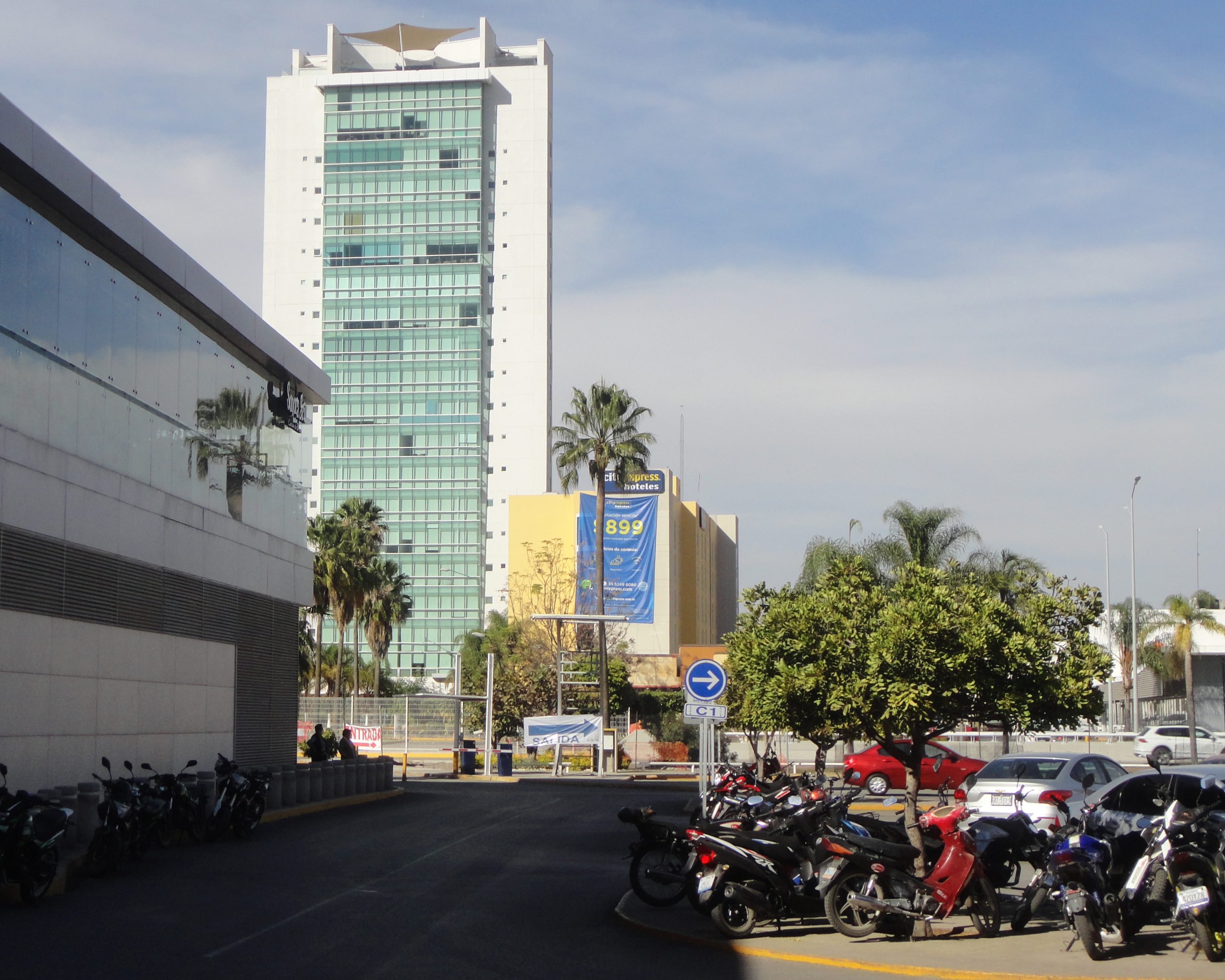 69
69 68
68 73
73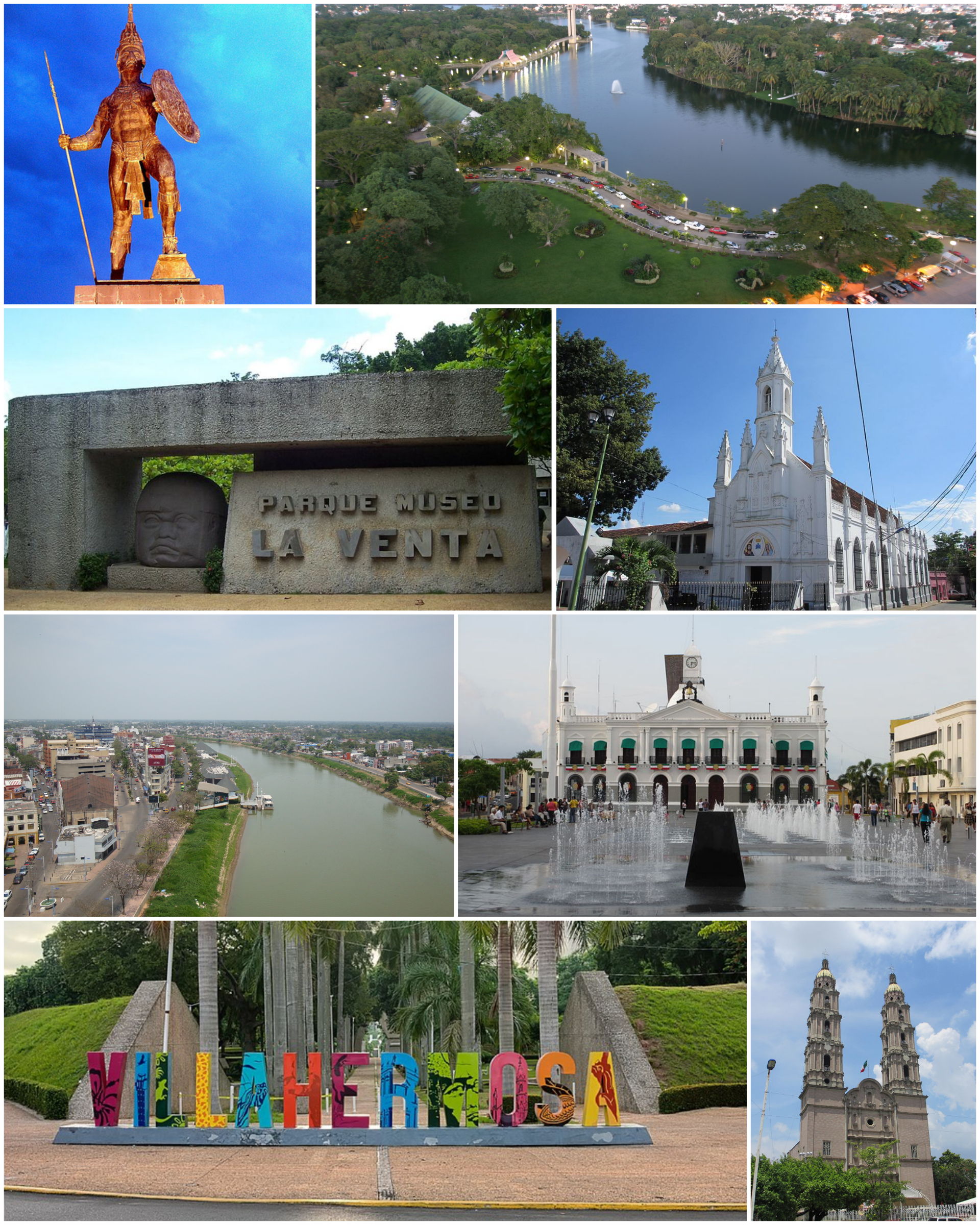 70
70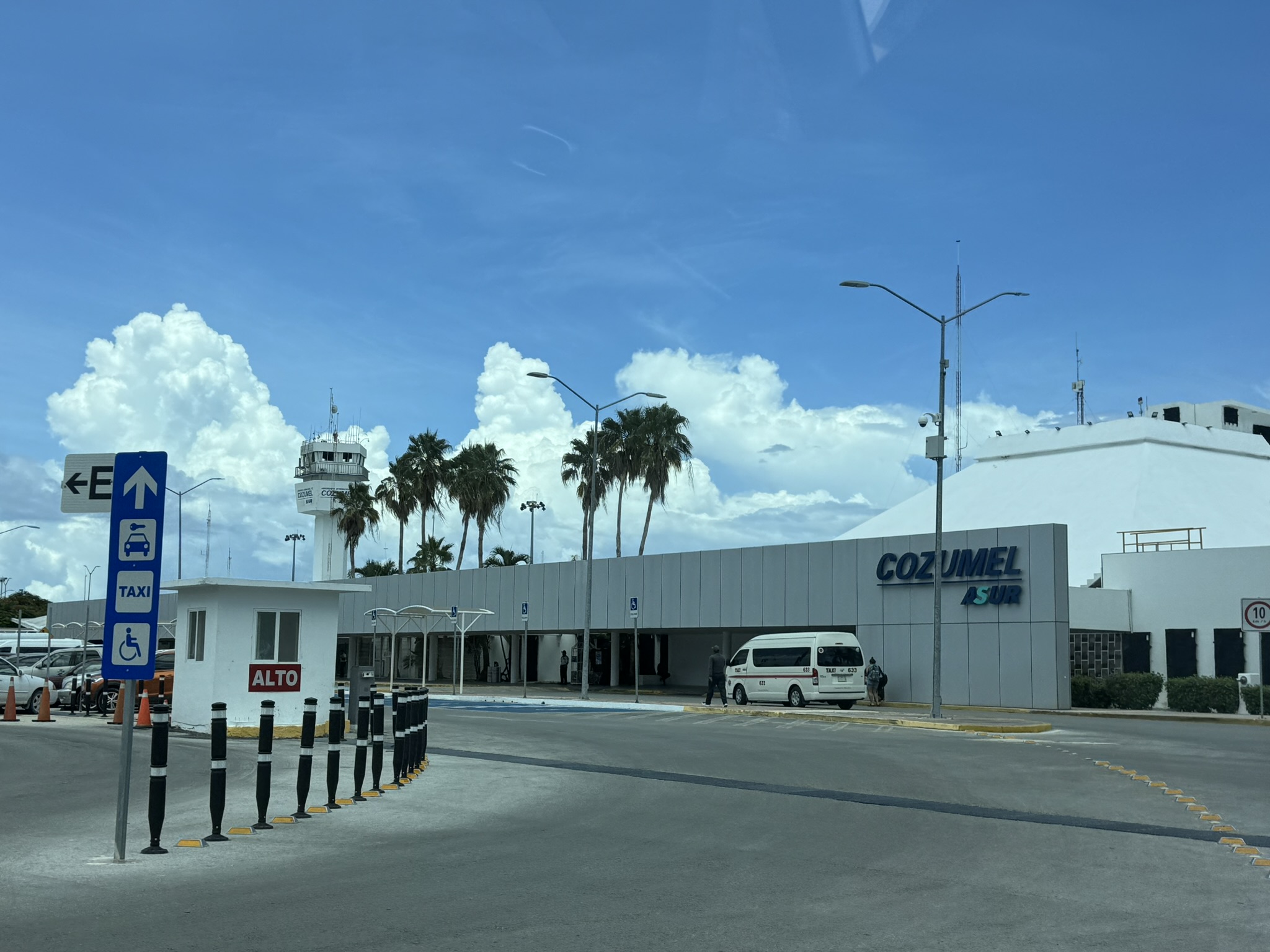 73
73Getting Your Income Story Straight - Before the Consulate

The income threshold is a number. The documentation is a story. Those are two different problems, and most people who hit snags at the consulate have solved the first one and ignored the second.
What the officer is looking for isn't just a balance or an average - it's a pattern they can follow without squinting. Six months of bank statements where the same type of deposit lands on a predictable schedule, in amounts that match whatever income letter or printout you've brought. If your freelance income averages $5,200/month but one month was $1,800 and another was $9,400, that average may clear the threshold while your statements actively undermine the narrative. Some consulates, including New Orleans, are known to scrutinize individual months rather than just the mean.
For people with multiple income streams - a part-time employer plus rental income plus some dividend distributions - the question isn't whether you can add them up to something above the threshold. It's whether you can present them cleanly enough that an officer reading three documents doesn't have to work to understand what they're looking at. That usually means one primary account where most income lands, not four accounts that together tell the story if you cross-reference them. If your finances are truly spread out, the 12-month savings route is often the cleaner path, and less vulnerable to how any given month reads.
The consulate in your jurisdiction matters more than people realize. New Orleans has a reputation for being relatively workmanlike. Other consulates have been stricter about documentation format or less accommodating about which income types they'll accept. Spending an hour on expat forums specific to your target consulate before you finalize your document stack is not a bad use of an afternoon.
The Address Requirement - Where People Actually Stumble

Mexico's Temporary Resident Visa requires you to show an intended address in Mexico. On its face, this looks like a minor administrative box. In practice, it creates a timing problem that catches people who haven't planned around it.
You cannot, in most cases, sign a long-term lease before you arrive. Landlords want to meet you, first month and deposit are often expected in cash pesos, and the rental market in popular destinations moves fast enough that a unit you've nominally secured remotely may not exist by the time your visa clears. So you're booking an Airbnb or serviced apartment for the first weeks, using that address on your application, and accepting that it's a placeholder. That's fine and standard. What's less fine is arriving without budgeting for the overlap period - paying short-term rates while you search for something permanent, which in Mexico City or Oaxaca can run meaningfully above what you'll eventually pay on a real lease.
The other thing: the address on your visa application is technically the address you're supposed to register with INM when you convert to your residence card. If you've moved by then - and you probably have - this can require some light improvisation. Most people handle it without drama.
The Arrival Gap - What Nobody Tells You About the First 30 Days
Your visa sticker is not your residence card. Until you have the Tarjeta de Residente Temporal - the physical card issued by INM after arrival - there are things you simply cannot do: open a Mexican bank account at most institutions, sign certain contracts, access some services. Getting the card requires an in-person INM appointment that you must book and complete within 30 days of entry.
Appointment availability varies enormously by city. In Mexico City or Guadalajara, wait times can stretch several weeks. In smaller cities, you might walk in. Either way, this is not the first month you imagined when you pictured yourself settling into a new life. You're coordinating appointments, gathering another round of documents, potentially dealing with an office where staff speak limited English, and operating on a clock that started the day you crossed the border.
The people who handle this best treat the first month as a logistics month, not a lifestyle month. They've arranged temporary housing with a clear end date, know roughly what INM is going to ask for, and aren't simultaneously trying to find a neighborhood, furnish an apartment, and host visiting friends in the same 30-day window. Budget accordingly - for both time and money.
The Long-Term Path - What Permanent Residency Actually Takes

The pathway from Temporary Resident to Permanent Resident exists and is relatively accessible, but the version people describe in expat Facebook groups is often cleaner than the one they actually experienced. The standard route requires four consecutive years as a temporary resident, renewed annually, each renewal requiring you to demonstrate you still meet the income threshold - which is recalculated against UMA each year and subject to currency movement. The number you qualified at in year one may not be what you need to document in year three.
Citizenship is a separate clock - five years of legal residency in most cases, with language and culture requirements, renunciation implications for some US passport holders, and a naturalization process that varies considerably in how smoothly it runs depending on which office is handling you.
What the long-term path really requires is treating this less like a visa and more like a multi-year commitment to maintaining your paper trail, staying roughly within Mexico's borders, and re-engaging with the bureaucracy on a recurring basis. Some people find that straightforward. Others hit year two and realize they've spent more time in the US than planned, their income structure has shifted, and the renewal isn't as clean as the initial application suggested.
Mexico vs. Portugal's D7 - The Actual Decision
These two visas compete for the same applicant profile, and the comparison almost always gets framed around cost of living and climate, which misses the actual decision point.
Portugal's D7 demands more upfront - legalized documents, proof of accommodation before you arrive, NIF registration, bank account setup - and that friction is real. What you get on the other side is a clearer long-term structure: EU residency, eventual citizenship without renunciation issues for most Americans, and a legal pathway tested by enough English-speaking applicants that the edge cases are documented somewhere online. The D7 community is more established, which means the advice you find tends to be more reliable and specific.
Mexico wins on ease of entry, cost of living, and proximity to the US. A five-hour flight from Mexico City to the East Coast, or a short trip to a Texas border crossing, is truly different from operating out of Lisbon when you have family, clients, or medical care pulling you back. For people testing life abroad without fully severing US ties, that proximity matters - and not just psychologically.
The harder question is what you're optimizing for over five years. If it's eventual EU citizenship or access to Schengen while you figure out Europe, Mexico doesn't give you that. If it's a full life at a meaningfully lower cost, with a culture that rewards presence rather than just tolerating it, Portugal's advantages start to look more like tradeoffs.
Work Permissions
What's typically permitted:
Application Steps
- 1
📋 Verify current income requirements with consulate
1-3 days
- 2
📄 Gather financial documentation
1-2 weeks
- 3
📄 Prepare passport and identity documents
3-7 days
- 4
📄 Complete visa application form
1-2 hours
- 5
📅 Schedule consulate appointment
1-4 weeks
- 6
📬 Attend consulate interview and submit application
Same day (typically)
- 7
⏳ Receive visa and travel to Mexico
Same day to 2 weeks
- 8
🏛️ Visit Instituto Nacional de Migración (INM) in Mexico
1-2 weeks after arrival
Planning a long stay? Compare international health plans for Mexico.
Compare health insuranceWe may earn a commission at no cost to you.
Frequently Asked Questions
Click any question to expand the answer.
Ready to Apply?
Work with trusted visa specialists who handle the paperwork so you can focus on your move.
Get help with this visa →* We may earn a commission if you apply through our link
At a Glance
Last verified: July 9, 2026