Min Monthly Income
$3,997
Application Fee
$336
Processing Time
3-4 wks
Difficulty
Easy
Duration
12 months
Overview
Malta is packaged as the easy EU base for US remote workers who want sun, English, and a real address in Europe without an investment threshold or a language barrier. On those terms, it mostly delivers. But when you apply for this permit, what you're actually committing to is a temporary stay with a hard ceiling - renewable twice, three years maximum, and then it's done. That's not a technicality buried in the conditions. That's the whole shape of what this visa is. There is no quiet accumulation toward permanent residency happening in the background. You're not building toward anything here under this permit.
The application goes smoothly for someone with a single US employer, a consistent monthly deposit history, and a paper trail that requires almost no interpretation - payslips, an employer letter, done. Freelancers with multiple clients and variable month-to-month income run into documentation friction not because the rules exclude them, but because the application needs to see stability, and income that's healthy annually but lumpy by month tells a harder story. The person in the wrong category entirely is anyone whose primary income is passive - ETF dividends, rental cash flow, a pension. None of that counts toward the threshold, and there's no workaround. If your income is primarily from a portfolio you're drawing down, this permit doesn't fit regardless of the total.
What most applicants don't sort out until they're already in Malta: the tax calendar. Your first 12 months, remote income from foreign sources is exempt from Maltese income tax. That's real, and it's genuinely good. Starting in year two, Malta applies a flat 10% rate to that same income. For a US citizen, that 10% generates a foreign tax credit that can offset some of your IRS liability - you're not just paying 10% on top of your American obligations - but whether FTC or FEIE does more work for you, which accounts you're remitting through, and when you formally become a Maltese tax resident are all questions with real dollar consequences. Having two advisors - one US expat CPA, one Maltese tax professional - set up before your first full year expires is not an optional upgrade.
What this permit actually unlocks is a legitimate EU residence card in a country where English is an official language and functions as one, with bureaucratic requirements lighter than most comparable European programs, and a cost of living well below western Europe. The 10% flat rate on remote income from year two onward is competitive with almost any EU jurisdiction. For someone who wants 2-3 years of EU-based life without an investment requirement, this is one of the cleaner executions of that idea available right now.
Eligibility Requirements
EU citizens already have free movement and residence rights in Malta and do not need the Digital Nomad Residence Permit at all; the scheme is explicitly targeted at "third‑country nationals," meaning non‑EU, non‑EEA, and non‑Swiss citizens, which includes Americans, Canadians, Australians, New Zealanders, Brits, and other non‑European passports. In practice, most Rewire Abroad readers—US, Canadian, UK, and Australian remote workers—fall into this eligible non‑EU bucket by default.
A frequent confusion point is the treatment of EEA and Switzerland. For this Maltese program, Norway, Iceland, and Liechtenstein are treated like EU members, and Swiss citizens are also outside the target group; they have their own free‑movement style arrangements and therefore do not use this permit. Post‑Brexit UK nationals, by contrast, are now clearly third‑country nationals for Maltese immigration purposes and are fully eligible if they meet the income and remote‑work criteria.
Dual nationals who hold at least one EU, EEA, or Swiss citizenship should enter Malta using that European passport and rely on their treaty‑based free‑movement rights rather than the Digital Nomad Residence Permit. That route avoids the $3,860/month remote‑income requirement entirely, cuts out the nomad‑permit documentation, and gives a more straightforward and durable status than a 12‑month renewable program designed for non‑Europeans.
Min Income
$3,997
Application Fee
$336
Renewal Cost
$330/yr
Min Age
18 yrs
Duration
12 months
Physical Presence
150 days/yr
Remote Work / Freelance
W2 Employee (foreign employer) · 1099 Contractor · Business Owner · Self-Employed
Max 0% from local sources
Requirements Checklist
0 of 18 documents in hand
0%These take the longest, so start them first.
Request these while the slow items are in progress.
You only need these on the day you submit.
Extra requirements for this visa
- Apostille required on official documents
How and where to apply
You apply entirely online through the Residency Malta Agency's portal (portal.residencymalta.gov.mt) from your home country or anywhere in the world. After receiving preliminary approval, you must travel to Malta in person to complete the final steps: submit accommodation and insurance documentation, attend a biometric appointment at the Residency Malta Agency office (Zentrum Business Centre, Level 2, Mdina Road, Qormi, QRM 9010, Malta), and collect your residence card. You cannot complete the visa process remotely; physical presence in Malta is required after preliminary approval.
Tax Information
Local tax regime and what it means for you
Malta generally operates a worldwide tax system for individuals who are both ordinarily resident and domiciled there, and a remittance‑based regime for those who are resident but not domiciled. Digital Nomad Residence Permit holders are almost always non‑domiciled, so the practical question is whether you become Maltese tax resident. Under Malta’s remittance basis, foreign‑source income not remitted to Malta is outside scope, while foreign‑source income remitted to Malta is taxed at standard progressive rates (up to around the mid‑30% range), and Maltese‑source income is always taxable. Remote salary from a foreign employer, contractor income from foreign clients, and business profits of a foreign company are foreign‑source but become taxable when paid into Malta.

For a US expat with $6,000/month of US consulting inco
me and $2,000/month of ETF dividends kept in a US brokerage, Malta would tax the portion of that income that is remitted or used in Malta if you are tax resident, while foreign income left offshore could fall outside Maltese tax. Pension payments and Social Security, where remitted, are treated as ordinary income. If you structure your cash flow so that only part of your foreign income actually lands in Malta, only that remitted slice is exposed locally.
For capital gains on foreign investments, Malta’s remittance‑basis rules are more favorable: capital gains realized outside Malta (for example, selling US‑listed index funds or ETFs in a US brokerage) are not taxed in Malta even if the proceeds are later remitted. Maltese‑source gains, or gains associated with Maltese real estate or businesses, are taxable. There is no published special flat rate for digital nomads; you fall under the standard remittance‑basis treatment.
Ready to Rewire your Life?
Sign up to receive updates and insights.
By submitting your email address, you will receive a free subscription to RA Postcards and special offers from Rewire Abroad and our affiliates. You can unsubscribe at any time, and we encourage you to read more about our Privacy Policy.
Tax residency in Malta generally hinges on presence around or above 183 days in a calendar year or establishing Malta as your principal home and center of vital interests. The Digital Nomad Residence Permit itself does not automatically make you tax resident on day one, but spending most of the year there or moving your life center (family, home, business management) will. Once resident, you normally obtain a Maltese tax identification number and are expected to file returns reporting Maltese‑source income and foreign income remitted to Malta.
Local filing obligations involve registering with the Commissioner for Revenue for a tax number, reporting employment or self‑employment income linked to Malta, and filing an annual tax return by the Maltese deadline (often around June of the following year, though exact dates change). There is no tax treaty status information disclosed in visa rules (marked "unknown"), so you cannot assume US‑Malta treaty protection automatically eliminates double taxation on Social Security, dividends, or pensions; you have to coordinate US and Maltese filings based on general residence and source rules rather than relying on a clearly codified treaty benefit.
For US Citizens and Green Card Holders
US citizens and green card holders on Malta’s Digital Nomad Residence Permit remain fully taxable by the IRS on worldwide income. Three tools matter: the Foreign Earned Income Exclusion (FEIE), the Foreign Tax Credit (FTC), and information reporting.
FEIE, claimed on Form 2555, can exclude up to $126,500 of foreign earned income for 2024. That covers remote salary, self‑employment, and consulting income you earn while physically outside the US, including work performed in Malta; it does not cover ETF dividends, capital gains, rental income, pensions, or Social Security. Because the Maltese permit is designed for full‑time remote workers and you may spend well over 330 days outside the US, the Physical Presence Test (330 days abroad in any 12‑month period) is often the easier route to qualify than the more subjective Bona Fide Residence Test, though long‑term Malta‑based FIRE residents may eventually qualify under either.
US Expat Tax Help
Get your US and Malta taxes done right
Between FEIE, the Foreign Tax Credit, FBAR, and Malta's flat 10% rate from year two, the filing picture gets complicated fast. Greenback specializes in exactly this situation for US citizens abroad.
We may earn a commission Affiliate Disclosure
Form 1116 for the Foreign Tax Credit becomes relevant once Malta starts taxing your income as a tax resident. If most of your remote income is foreign‑source and you keep it offshore, your effective Maltese tax rate on that income can be low or zero, which means there is little or no foreign tax to credit against US liability. In that scenario FEIE does more work than FTC. If, instead, you remit a large portion of your consulting or salary income to Malta and pay Maltese tax at progressive rates, FTC can offset some or all of the overlapping US tax on that same income stream, but it will not help on US‑only items like US‑source capital gains.
FBAR (FinCEN 114) kicks in once you have more than $10,000 in aggregate across foreign financial accounts at any point in the year, including Maltese bank or brokerage accounts you open while on this permit. This is separate from FATCA Form 8938, which has higher thresholds but similar reporting. Non‑willful FBAR penalties start around $10,000 per year per violation, so once you start using Maltese accounts for remitted income or living expenses, you need a tracking system.
To run this properly, you need two distinct advisors: a US CPA specializing in expat taxation to manage FEIE, Form 1116, FBAR, and FATCA reporting, and a Maltese tax advisor to handle registration, determine whether you are on the remittance basis, and prepare local returns. The $1,500–$3,000 you spend in year one on that combined advice usually pays for itself via optimized FEIE vs. FTC choices, correct characterization of remitted vs non‑remitted income, and avoiding five‑figure penalties on missed information returns.
Living in Malta
COL Index vs NYC
48.0
Monthly Cost (excl. rent)
$892
1BR Rent (City Center)
$1,187
Safety Index
57.0
Healthcare Index
52.5
Quality of Life Index
132.7
Time Zone
UTC+01:00
Capital
Valletta
Population
525.3K
Official Languages
English, Maltese
Avg Internet Speed
299 Mbps
Public Transit Quality
Fair
With a budget covering rent and living costs, you'd need roughly $2,079/mo for a comfortable single-person lifestyle in Malta.See how far your money goes →
🏙️ Best Cities in Malta for Digital Nomads
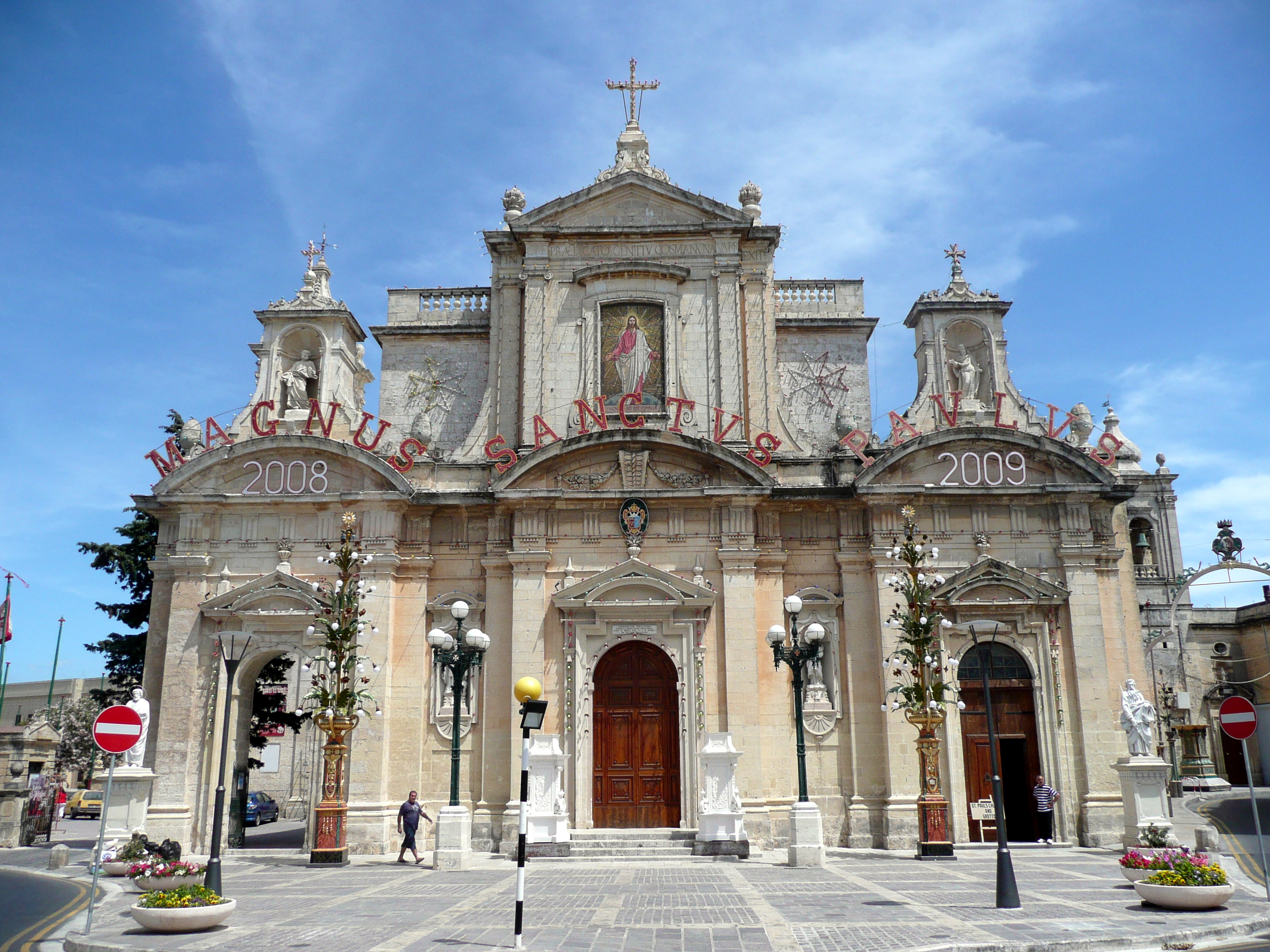 ✦ 85
✦ 85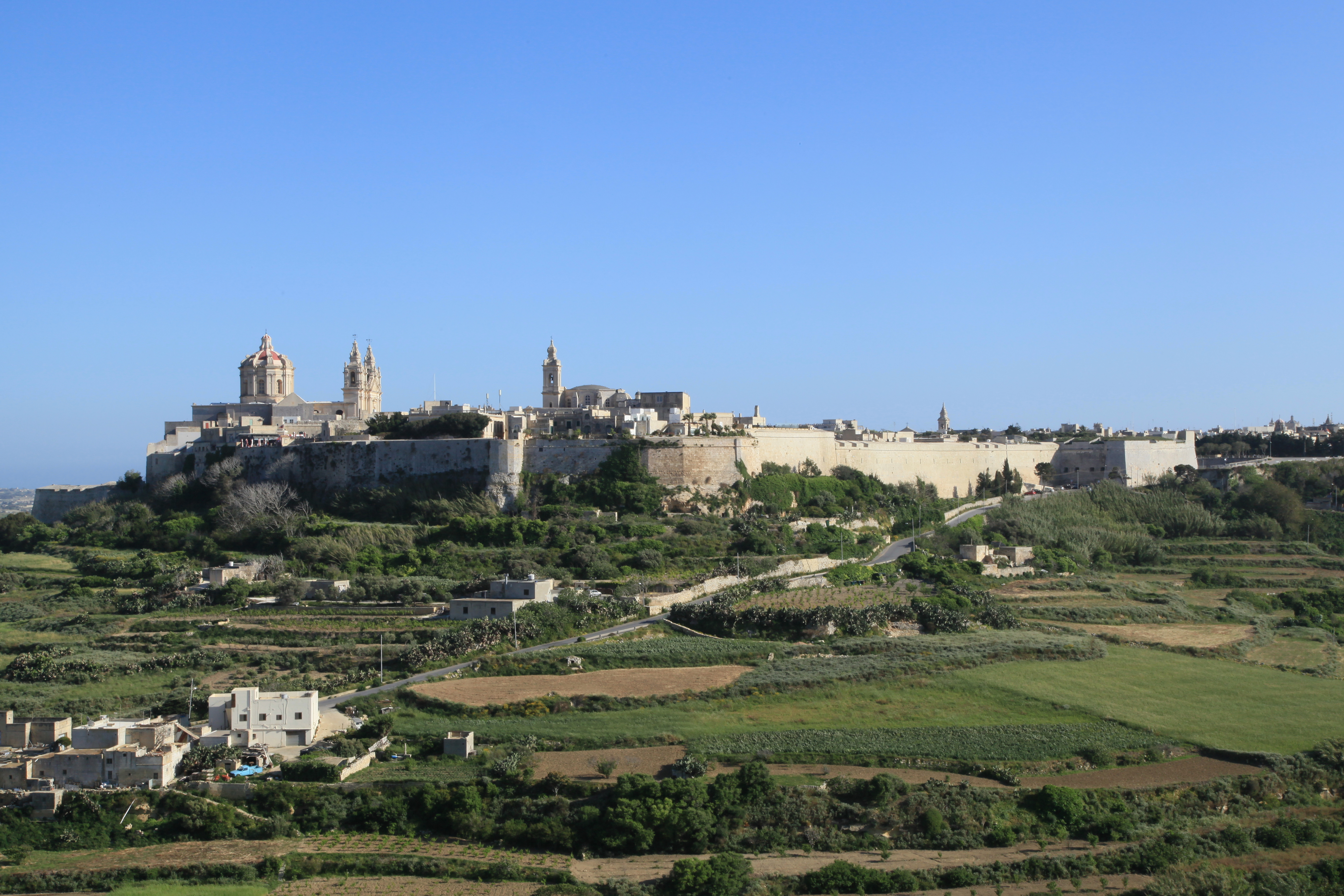 ✦ 79
✦ 79 ✦ 84
✦ 84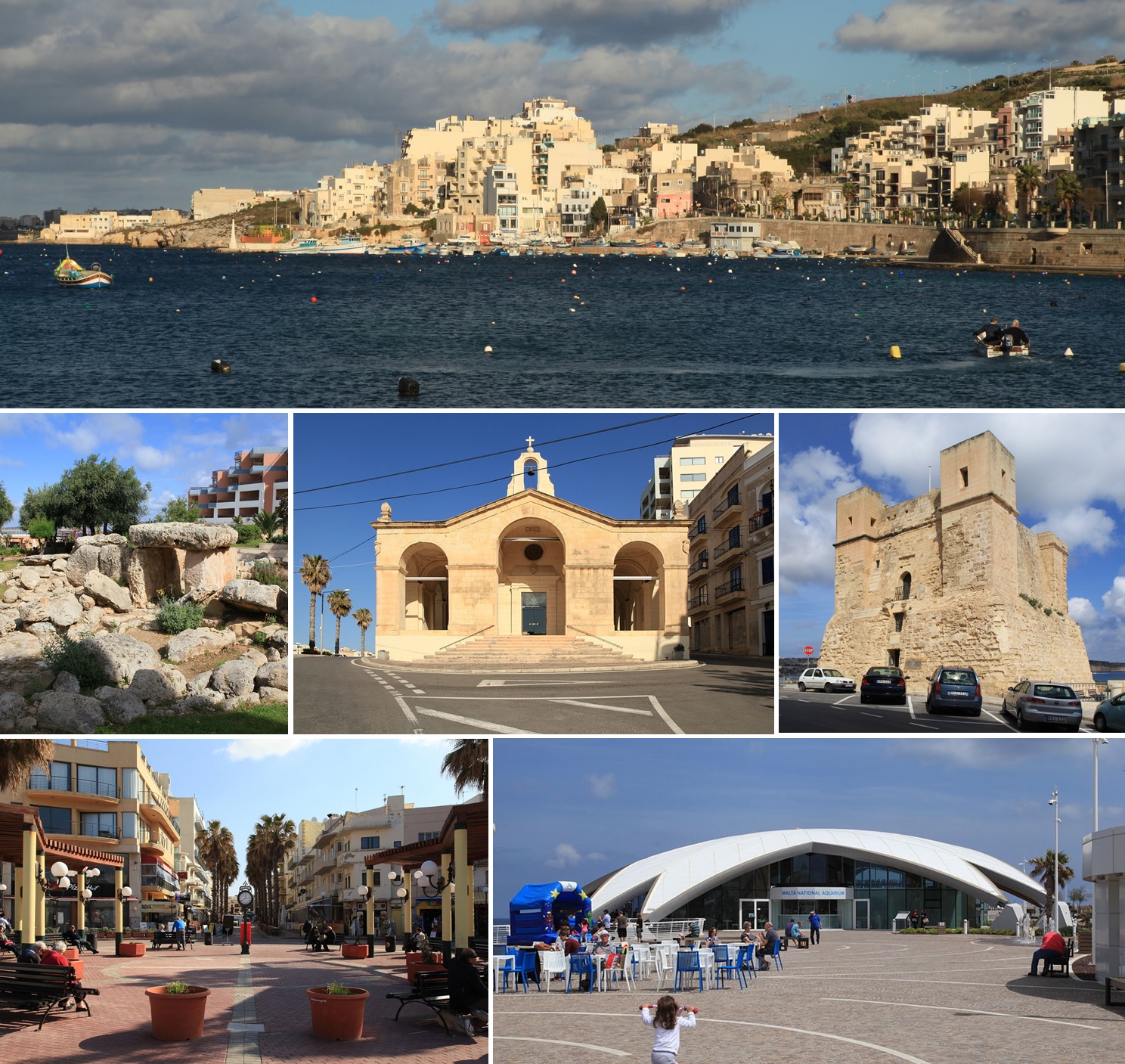 ✦ 81✦ 87
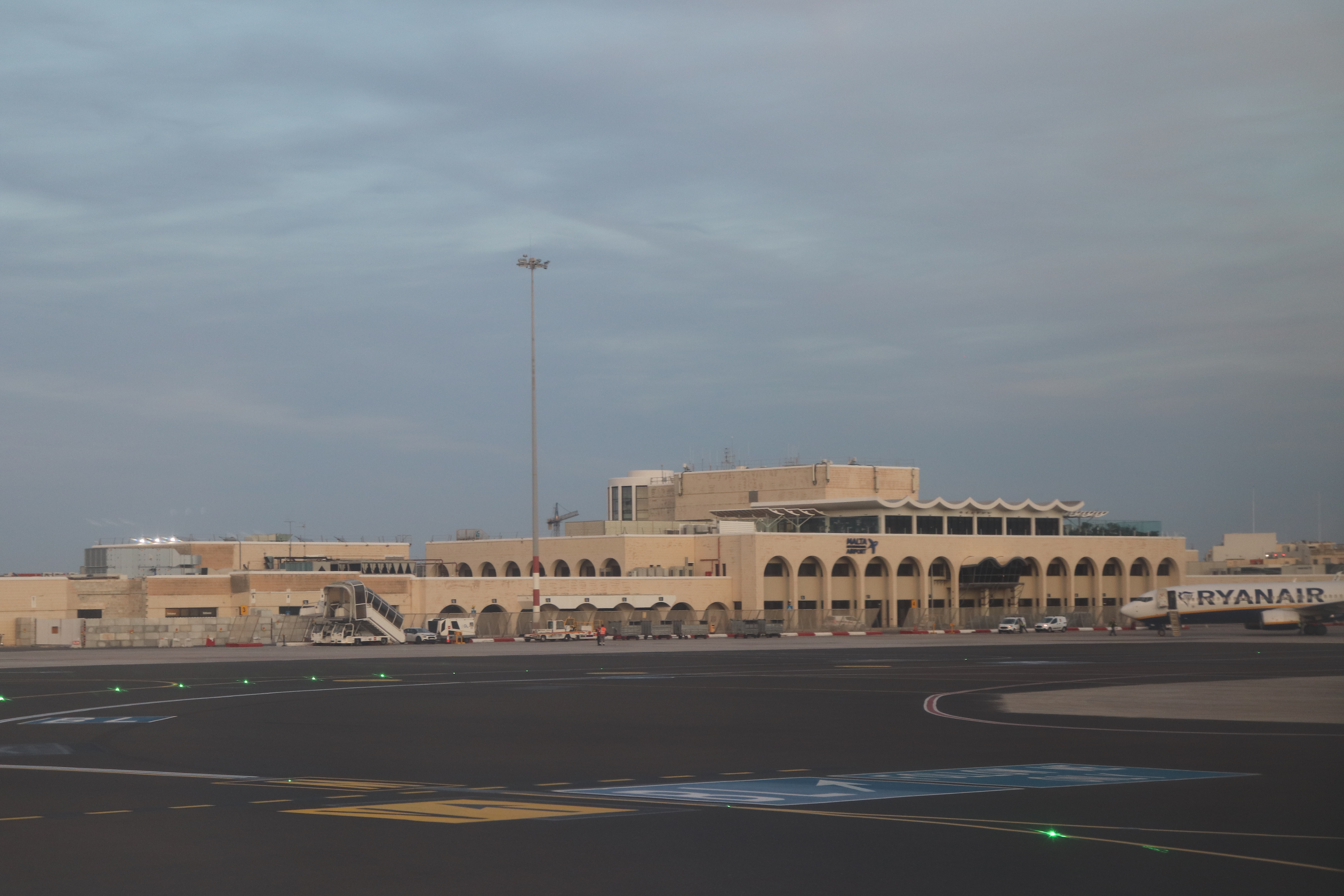 ✦ 80
✦ 80Getting Your Income Documentation Story Straight
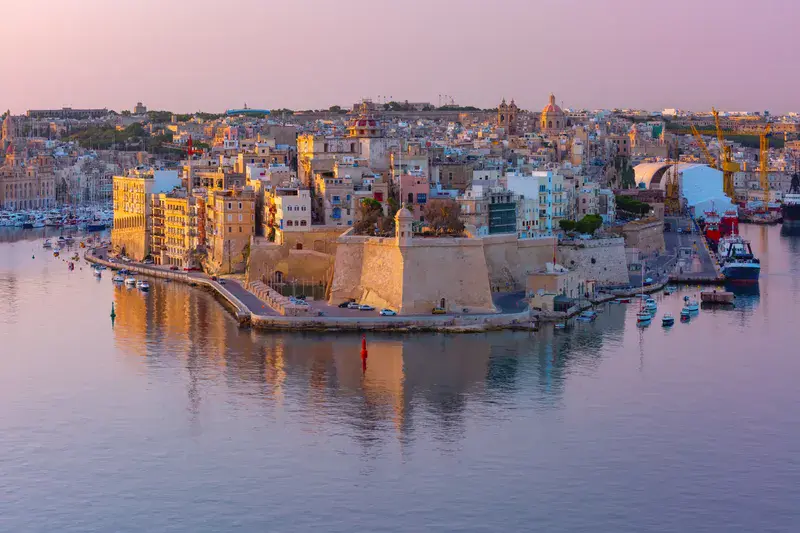
The threshold is €3,500/month in remote work income, and the application is going to evaluate it primarily through the last three months of bank statements. That's where the practical difficulty starts for anyone whose income picture is more complicated than a single employer depositing the same amount every two weeks.
W-2 employees with one employer have the most legible setup. Payslips, an employer letter confirming the role is remote and the company is non-Maltese, and you're largely done with the income portion. Where things slow down is when the money arrives from multiple directions - a mix of employment and contract income, a US LLC distributing irregular amounts, freelance work where the monthly total varies significantly. The application doesn't average across your last 12 months. It's looking at the three you submit, and if one of those months was light because a client paid 30 days late or a project closed in January, you may be presenting a weaker picture than your actual situation warrants. Timing the submission is worth thinking about deliberately.
If you're self-employed or running a business entity, the documentation needs to show not just that income exists but where it comes from and how it reaches you personally. Service contracts with named clients, business registration documents, and statements that show the money actually landing in your personal account - not sitting in a business account you control but haven't paid yourself from yet. The Agency is tracing a path from a client or employer to you, and the cleaner that path is on paper, the less back-and-forth during review.
One pattern that creates unnecessary headaches: applicants who have clearly sufficient income but documentation that requires too much reading between the lines. If your income narrative needs a cover letter to make sense, it would be worth spending a month or two making the bank statements self-evident before you apply.
The Accommodation Requirement - Two Stages, Two Documents
There are two different accommodation requirements at two different points in the process, and treating them as the same thing is the most consistent source of avoidable stress in this application.
For the initial online submission, a short-term booking confirmation or a letter of intent from a landlord is generally sufficient as a preliminary proof of accommodation. That document gets you through the portal. What the Residency Malta Agency requires when you complete the in-person steps after arriving - the biometric appointment, the final approval stage - is a formal 12-month lease, signed, with a named landlord. Not a month-to-month agreement. Not an Airbnb booking. An annual rental contract.
Finding accommodation in Malta
Short-term rentals while you get your annual lease sorted
Most people need a furnished short-term place for their first few weeks in Malta before the annual lease begins. Vrbo has whole-apartment listings in Sliema, St. Julian's, and Valletta - the neighborhoods most nomads land in first.
We may earn a commission. Affiliate Disclosure
The gap between those two stages is where people get caught. Maltese landlords in Sliema, St. Julian's, and Valletta know what they're doing in a rental market that's been under pressure, and they're not always eager to commit to a year-long lease with someone who just arrived from abroad with no local history. Getting that annual lease signed before you travel - or at absolute minimum before your biometric appointment - is the move. Applicants who land planning to "sort accommodation in the first week" sometimes discover that the landlord who seemed agreeable now wants a shorter commitment, or that the apartment they wanted is gone.
The Gap Between Approval and Having a Real Permit
Preliminary approval is not a residence permit. It's authorization to travel to Malta and complete the in-person phase, and that phase takes longer than most applicants expect.
After preliminary approval, you have 30 days to submit accommodation and insurance documentation, then you travel to Malta for a biometric appointment at the Agency's office in Qormi, and then you wait three to four weeks for the physical card. From the day you land, you're looking at roughly five to seven weeks before you're holding a document that the rest of Maltese administrative life will recognize. During that window, you're legally present with approval - but the card is what banks, mobile carriers, utility providers, and most official processes will actually ask for.
Opening a local Maltese bank account is the thing that most consistently frustrates people in this gap. Most banks want the residence card for a non-EU national's account application. The card takes weeks. Wise or Revolut handles daily spending fine in the interim, but they won't satisfy every requirement, and some administrative steps genuinely need a local account number. Building the bank account into your timeline as a week-six or week-seven task rather than a week-one expectation makes the landing period substantially more manageable than going in expecting to be set up within days of arriving.
The Three-Year Ceiling and What Comes After

You can renew this permit twice. After that, the Nomad Residence Permit is finished, and continuing to stay in Malta requires a completely different immigration basis. For most people who apply, three years turns out to be what they wanted anyway - a long chapter in a Mediterranean EU country, and then they move on. But if you're someone who tends to stay longer than planned, or if a more permanent situation in Malta is somewhere in the back of your mind, the ceiling is worth taking seriously now rather than in year two.
The pathways that exist after the nomad permit in Malta - the Permanent Residency Programme being the main one - involve property investment or rental commitments at specific minimum thresholds, plus a government contribution. Different category of commitment, different application, different timeline. And time spent on the nomad permit doesn't count toward naturalization in any formalized way. The years don't carry over. If a Maltese passport is even a distant goal, the nomad permit is not quietly building toward it.
Malta vs Portugal - the Comparison That Actually Matters
Portugal's Digital Nomad Visa is the alternative most people are genuinely weighing when they get serious about Malta. They look similar in the listings - EU base, income threshold, renewable, no investment requirement. Where they diverge is in what they're pointing toward.
Portugal's D8 leads somewhere specific. After five years of qualifying residence, you can apply for permanent residency; after six, citizenship and an EU passport. Malta's nomad permit leads to the next renewal, and then to the end of the permit. If there's any real intention behind the long-term option, the comparison isn't close - Portugal has the pathway and Malta doesn't.

Where Malta genuinely wins is operational simplicity. English is an official language and it actually functions as one throughout the bureaucracy, not just in tourist interactions. Portugal's D8 applicants don't technically need Portuguese to qualify, but anyone who's spent time navigating Portuguese administrative processes without speaking the language knows the friction is real and often lands at the worst moments - tax registration, utility contracts, anything that requires a phone call to a government office that routes you to someone who doesn't want to switch languages. Malta's smaller scale also makes initial orientation faster. The island is physically manageable, the expat community around the nomad scheme is well-established, and the learning curve for basic daily life is shorter than it is in Lisbon.
The honest question most people should ask themselves: is the Portuguese citizenship pathway something they'd actually pursue over six-plus years, or something they like having in principle. If it's the latter, Malta's simpler day-to-day reality probably serves them better than a pathway they won't use.
Work Permissions
Application Steps
- 1
📋 Verify your eligibility and gather documents
2-4 weeks
- 2
📄 Obtain police conduct certificate
2-6 weeks
- 3
📄 Prepare accommodation proof
1-4 weeks
- 4
📬 Submit online application via Residency Malta portal
Same day
- 5
⏳ Await preliminary approval decision
60 working days
- 6
📄 Submit accommodation and insurance documentation
1-2 weeks
- 7
🏛️ Travel to Malta and complete biometric registration
1-2 weeks
- 8
🏛️ Pay residence card fee and collect card
3-4 weeks
Planning a long stay? Compare international health plans for Malta.
Compare health insuranceWe may earn a commission at no cost to you.
Compare this visa
Curated comparisons that include this route.
Frequently Asked Questions
Click any question to expand the answer.
Ready to Apply?
Work with trusted visa specialists who handle the paperwork so you can focus on your move.
Get help with this visa →* We may earn a commission if you apply through our link
At a Glance
Last verified: October 9, 2026