Living Affordably in Northern Cyprus: The Mediterranean's Hidden Retirement and Digital Nomad Gem
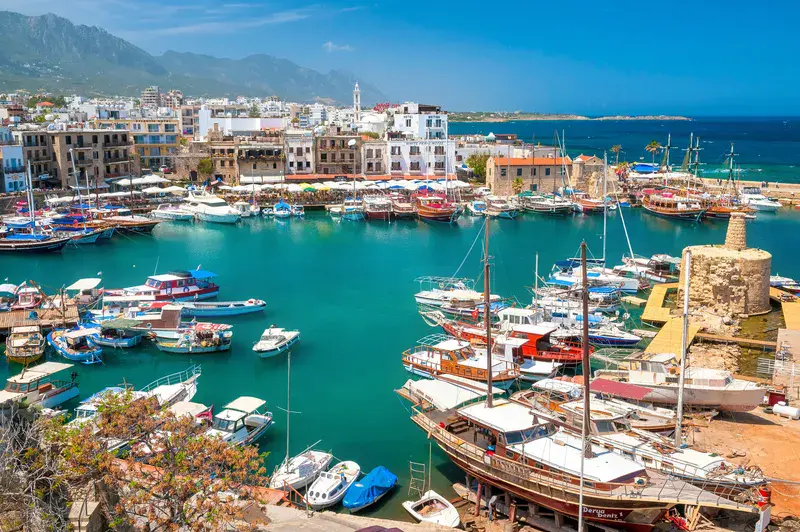
Discover how this politically unrecognized region offers a rare mix of Mediterranean charm, low cost of living, and surprising visa loopholes for the financially savvy.
So I'm sitting in a cafe in Kyrenia a couple of weeks ago, overhearing two Americans complaining about their $2,400 monthly rent in Miami, I thought to myself, holy cow! My two-bedroom place with actual ocean views? $650 and that includes utilities! I wanted to lean over and tell them, but honestly, I'm kind of greedy about this secret.
Northern Cyprus has been my home base for a couple of months now, and it's the kind of place that makes you question why everyone's fighting over overpriced Portuguese golden visas when this gem exists 90 minutes from three international airports.
The catch? Most people have never heard of it. Those who have usually can't find it on a map. And the ones who do find it dismiss it because of the whole "unrecognized country" thing. Their loss, frankly.
Northern Cyprus at a Glance
Here's what happened: I was doing my usual obsessive spreadsheet analysis back in 2021, trying to figure out where my mediocre nest egg could actually buy me a decent life. I'd already explored the usual suspects for retiring abroad early, but everything felt either too expensive, too complicated, or too full of other Americans complaining about the wifi.
Then my cousin mentioned Northern Cyprus. "It's like Greece," she said, "but nobody goes there."
Turns out she was wrong about the Greece part – it's better.
🚀 The Problem: Mediterranean Dreams vs. FIRE Reality
Let's be brutally honest about retirement math. You want the Mediterranean lifestyle – olive trees, ancient ruins, that specific quality of light that makes your iPhone photos look like art – but you're not sitting on a Goldman Sachs pension.
Traditional Mediterranean retirement destinations have priced out normal humans. Portugal's D7 visa sounds great until you realize Lisbon rents rival San Francisco. Greece's golden visa program starts at €250,000. Malta's residence permits require proving you won't become a public charge, which feels personal.
Meanwhile, your FIRE calculations show you need another decade of corporate servitude if you're aiming for $40,000 annual expenses. The math is depressing: save harder, work longer, or lower your standards.
But what if there was a fourth option nobody talks about?
Northern Cyprus: The Loophole That Works
Northern Cyprus exists in this fascinating political limbo that creates real advantages for people like us. Only Turkey recognizes it as a country, which sounds problematic until you realize it means costs haven't inflated from EU membership or international tourism.
Think of it as Mediterranean living without the Mediterranean markup.
Ready to Rewire your Life?
Sign up to receive updates and insights.
By submitting your email address, you will receive a free subscription to RA Postcards and special offers from Rewire Abroad and our affiliates. You can unsubscribe at any time, and we encourage you to read more about our Privacy Policy.
The infrastructure is solid – better roads than Rhode Island, faster internet than most American suburbs, healthcare that won't bankrupt you. English is widely spoken thanks to British colonial history, but you're not surrounded by English-speaking retirees driving up prices.
FIRE abroad Northern Cyprus isn't just possible; it's almost embarrassingly easy compared to the bureaucratic nightmares plaguing traditional expat destinations.
Here's what proven strategies for achieving FIRE faster look like when you add geographic arbitrage:
- Traditional U.S. FIRE need: $1 million (4% rule, $40K expenses)
- Northern Cyprus FIRE need: $375,000-550,000 (same rule, $15K-22K expenses)
- Time savings: 8-15 years of working life
Yeah, you read that right. We're talking about cutting your working career in half.
The Real Numbers (Because Vague "It's Cheap" Advice Sucks)
I'm going to give you the actual breakdown of what life costs here, because generic cost-of-living articles are useless for planning.
My Monthly Reality Check (USD):
- Rent: $650 (2BR apartment, sea view, 5-minute walk to harbor)
- Utilities: $95 (electric, water, 100 Mbps internet)
- Groceries: $280 (I eat well – lots of fresh fish, local produce)
- Transportation: $75 (gas for my beat-up Renault)
- Phone: $18 (unlimited everything)
- Healthcare: $120 (private insurance, better than my old U.S. plan)
- Entertainment: $180 (dinners out, weekend trips, gym membership)
- Random stuff: $130 (books, household items, that third coffee)
Total: $1,548
For context, this puts Northern Cyprus right alongside living in Argentina on $800-1,200 monthly or affordable living in Georgia, but with Mediterranean climate and you're three hours from London.
Compare this to what my San Diego friends spend on rent alone, and you start understanding why I'm protective of this secret.
The Lifestyle Reality Check
What Works: The pace here is perfect for people burned out on American productivity culture. Nobody's rushing. Lunch takes two hours. Shops close in the afternoon because it's hot and why wouldn't you take a nap?
The food is incredible – Turkish and Greek influences creating dishes you won't find elsewhere. Fresh fish costs $4/pound. Local wine is $3/bottle and honestly pretty good. The olive oil is so good I've started using it as salad dressing.
Winters are mild (rarely below 50°F), summers are hot but manageable with sea breezes. I swim in the Mediterranean from April through November. The hiking is spectacular – Byzantine castles, ancient ruins, mountain trails that feel like you discovered them first.
What Doesn't: Shopping options are limited. You can't just Amazon Prime everything. Getting specific items requires either ordering from Turkey or timing trips to the south (Republic of Cyprus).
The nightlife scene is small. If you need constant stimulation, this isn't your place. Entertainment is more about long dinners with friends, hiking, reading, swimming.
Banking is genuinely annoying. Most international banks don't operate here, so you develop creative solutions involving Turkish banks and digital transfers.
🎯 Visa Loopholes That Actually Work
Here's where Northern Cyprus visa for expats gets interesting. The bureaucracy is refreshingly straightforward:
The Tourist Visa Dance: Americans get 90 days visa-free. When it expires, you take a day trip to Turkey, stamp your passport, come back with another 90 days. Total cost: maybe $80 including the ferry, lunch in Turkey, and some Turkish delight.
I've been doing this for three months. Nobody hassles you about it. The immigration officers know the deal.
Temporary Residence: If visa runs aren't your thing, temporary residence permits cost about $200 and last a year. You need proof of accommodation and bank statements showing you won't become a burden. It's straightforward paperwork, not an ordeal.
The Property Path: Buy property worth $200,000+ and you can get permanent residency. Unlike EU golden visas, property here offers actual value, not just residency shopping premiums. My neighbor bought a three-bedroom house with a pool for $180,000. In Italy, that gets you a parking space.
Banking Workarounds That Work
The banking situation requires creativity but isn't insurmountable. Most people use a combination approach:
I keep my main accounts in the U.S. and use Wise for international transfers. If you're already sending your paycheck to a brokerage account for FIRE purposes, adding this layer isn't complicated.
For local transactions, I opened a Turkish bank account. Several Turkish banks operate here with English-speaking staff. The paperwork took an afternoon, not months.
Cash is still king for daily expenses. ATMs are everywhere, and most places accept cards, but having cash eliminates small friction points.
Healthcare That Won't Bankrupt You
The healthcare system surprised me most. It's a hybrid of Turkish standards with European-trained doctors. Many studied in the UK before returning home.
Private insurance through local providers costs $60-150/month. Doctor visits are $20-40 without insurance. I had a minor procedure last year that would've cost $3,000 in the U.S. Here? $400, including follow-up visits.
Prescription medications are significantly cheaper than American prices. My blood pressure medication costs $8/month versus $45 in the U.S.
The private hospitals in Kyrenia and Nicosia are modern, clean, and efficient. Staff speak English. Wait times are reasonable. It's not world-class surgery destination, but for routine healthcare, it's perfectly adequate.

Remote Work Reality
The digital nomad infrastructure is developing but not polished. Coworking spaces exist in major cities, though they're not Lisbon-level slick. Hot-desking runs $50-100/month.
Internet speeds regularly hit 100+ Mbps for $25/month. I've never had connectivity issues with video calls. The time zone works well for U.S. East Coast clients – I can do deep work in the morning, then take calls in the afternoon.
The expat community is small but tight-knit. Facebook groups help with everything from apartment hunting to finding English-speaking dentists. It's not the massive digital nomad scene of Mexico City, but that's partly why it works.
Step-by-Step Implementation
Phase 1: Research (2-3 months) Join Facebook groups like "Expats in Northern Cyprus" and "North Cyprus Housing." Watch YouTube walkthroughs of different neighborhoods. Connect with local real estate agents who speak English.
Research Turkish banks for easier regional banking. Set up Wise or similar for international transfers. Consider the slowmad approach to FIRE living abroad for gradual transition.
Phase 2: Reconnaissance Trip (2-3 weeks) Stay in different areas. Kyrenia is touristy but beautiful. Famagusta has university town energy. Nicosia offers urban amenities. Each has different vibes and costs.
Test your tolerance for the bureaucracy. Visit banks, real estate offices, government buildings. See how frustrating (or not) daily admin tasks feel.
Phase 3: Soft Landing (3-6 months) Rent month-to-month initially. Most landlords want 1-2 months deposit. Furnished apartments are common and reasonably priced.
Set up utilities, internet, local bank account. Register with authorities if staying longer than tourist visa allows. Find healthcare providers and get insurance sorted.
Real Stories from the Ground
Sarah and Mike: They're in their early 60s, retired from government jobs with about $480,000 saved. Not enough for comfortable U.S. retirement, but perfect for here. They rent a two-bedroom in Kyrenia for $750/month and spend about $1,600 total monthly. Three years in, their nest egg has actually grown.
"We travel more now than when we were working," Sarah told me over dinner last month. "Turkey, Greece, mainland Europe – everything's accessible and affordable."
David: He's 34, runs a digital marketing consultancy. Moved here after burning out on expensive European nomad destinations. Lives in a co-living situation in Famagusta for $400/month, total expenses around $1,100.
His business improved because lower costs let him be selective with clients. This exemplifies how building remote income for FIRE becomes exponentially more powerful with geographic arbitrage.
The Honest Challenges
Banking Complexity: You'll develop a multi-layered approach involving Turkish banks, digital transfers, and cash. It's manageable but requires organization.
Limited Shopping: You can't Amazon Prime everything. Specific items require planning or trips to the south.
Social Integration: The expat community is small. If you need constant social stimulation, this might feel isolating.
Political Uncertainty: The unrecognized status creates occasional complications. Currency fluctuations happen. You learn to roll with it.
Travel Routing: Most flights go through Turkey, adding connection time. Direct flights to Europe exist but are limited.
Could This Be Your FIRE Destination?
Months in, I'm convinced Northern Cyprus represents one of the last genuine geographic arbitrage opportunities in the Mediterranean. While Portugal inflates and Mexico gentrifies, this place remains authentically affordable.
It works best for people comfortable with ambiguity, who see administrative challenges as interesting problems rather than deal-breakers. You need some adventure tolerance and patience with bureaucracy.
It challenges people requiring extensive travel connectivity, complex healthcare needs, or large established expat communities.
The question isn't whether you can retire early in Northern Cyprus – the numbers clearly work. The question is whether you're willing to step off the beaten path.
Can Americans retire in Northern Cyprus? Absolutely. Is Northern Cyprus safe for expats? Safer than most U.S. cities in my experience.
For me, watching sunrise over the Kyrenia mountains while sipping coffee that costs less than a U.S. gas station purchase, knowing my monthly expenses equal what I used to spend on weekend entertainment, feels like winning a game most people don't know exists.
This is exactly the kind of real geoarbitrage story that transforms FIRE from distant dream to current reality.
Unlike higher-cost alternatives like Croatia's living costs and visa requirements or Slovenia's expat scene, Northern Cyprus offers that rare combination of affordability and accessibility that's disappearing elsewhere.
✔️ Run your numbers using Northern Cyprus expenses
✔️ Join expat Facebook groups and lurk for a few weeks
✔️ Book a reconnaissance trip (minimum 2 weeks)
✔️ Set up international banking solutions
✔️ Approach this as an adventure, not a rigid plan
The Mediterranean is calling. Your FIRE timeline just accelerated. And Northern Cyprus is waiting with affordable sunshine, genuine culture, and the kind of lifestyle arbitrage that makes early retirement inevitable rather than just possible.
Northern Cyprus FAQs for Digital Nomads & Early Retirees
Click any question to expand the answer.
🏁 Final Thoughts & Next Steps
Northern Cyprus isn’t for everyone. It’s not on many lists—and that’s exactly why it’s on mine. If you’re FIRE-minded, flexible, and looking for the kind of place that won’t be overrun with tourists or crypto villas (yet), this might just be your Mediterranean escape hatch.
Want to crunch the numbers on whether Northern Cyprus could shave a decade off your retirement timeline? Try our FIRE Abroad Calculator.
👉 Join our newsletter to get exclusive guides, cost breakdowns, and updates from fellow FIRE nomads around the world.
If you’re just getting started with FIRE, check out these 7 steps to achieve financial independence faster.
Next read: Affordable Living in Georgia: Country Guide for FIRE-Seekers

Adonis Villanueva
Adonis Villanueva has visited over 56 countries and built Rewire Abroad to solve the problem he kept running into: most expat resources either cater to the already-wealthy or rely on outdated data that doesn't reflect what international living actually costs. Driven by the FIRE movement and a belief that geographic freedom shouldn't require a fortune, he combines firsthand experience with verified meteorological data, live infrastructure benchmarks, and expat-weighted cost-of-living models to give readers the honest numbers behind the dream.
Rewire Abroad
Moving to Andorra in 2026: Complete Guide to Residency, Taxes & Cost of Living
Andorra: 10% max tax, zero wealth tax, world-class skiing, and real expat costs. Complete 2026 guide to residency, costs, and who it's really for.

How to Move to Slovenia in 2026: Costs, Visas & What No One Tells You
Slovenia costs 40-50% less than Austria or Italy next door. Here's the actual route Americans use, what it costs, and where to live. Updated 2026.

Move to Spain: Complete Guide for Expats & Retirees 2026
Complete guide to moving to Spain. Visa options, cost of living, healthcare, and retirement planning. Start your Spanish adventure today.

Guide to Living and Retirement: Costs, Visas, and Essentials in Croatia
Everything you need to know about retiring in Croatia—visas (90-day, retirement, digital nomad) to living costs, healthcare, and retirement locales.