How to Move to Slovenia in 2026: Costs, Visas & What No One Tells You
Slovenia keeps coming up in conversations about European relocation for a reason: it costs 40-50% less than Austria or Italy, sits two hours from Venice and Vienna, and has a crime rate that makes most American cities look chaotic by comparison. It also doesn't have a retirement visa, a digital nomad visa with teeth until late 2025, or much of an expat infrastructure — which is exactly why it hasn't been overrun yet. This guide covers the practical reality of moving here: which visa route actually works for Americans, what things cost by region, and what the process looks like from application to registered resident.
You can spend days hiking lush forests, then evenings sipping wine by the lake or wandering Ljubljana’s bike-friendly streets. Compared to popular retirement spots (Spain, Florida, Mexico), Slovenia offers a slower pace, cleaner air, and very low crime. It also doesn’t hurt that your dollar stretches farther here: Slovenia’s cost of living is generally lower than in Western Europe or the US. No wonder many Americans are choosing to retire overseas – Slovenia is safe, scenic, and surprisingly affordable.
"We originally planned to retire in Portugal," says Michael, a retired engineer from Colorado who moved to Slovenia in 2022. "But Slovenia offered everything we wanted – four seasons, outdoor activities, excellent healthcare, and a central European location – at about 60% of what we'd spend back home." See our complete Retire in Slovenia guide for retirement-specific visa pathways, healthcare navigation, and cost breakdowns.
Slovenia benefits from flying under the radar compared to retirement hotspots like Portugal, Spain, or Panama. While these destinations have seen exponential growth in expat populations (and corresponding price increases), Slovenia remains refreshingly authentic and affordable.
This comprehensive guide will walk you through everything you need to know about making Slovenia your new home—from visa requirements and housing markets to healthcare navigation and cultural integration. By the end, you'll understand exactly how.
Why Move to Slovenia? A Hidden Gem in the Heart of Europe
Slovenia stands as one of Europe's best-kept secrets for expats and retirees alike. This small but mighty nation of 2 million people offers pristine natural beauty, exceptional safety, and an affordable cost of living that attracts Americans, UK citizens, and expats from around the world.
Slovenia at a Glance
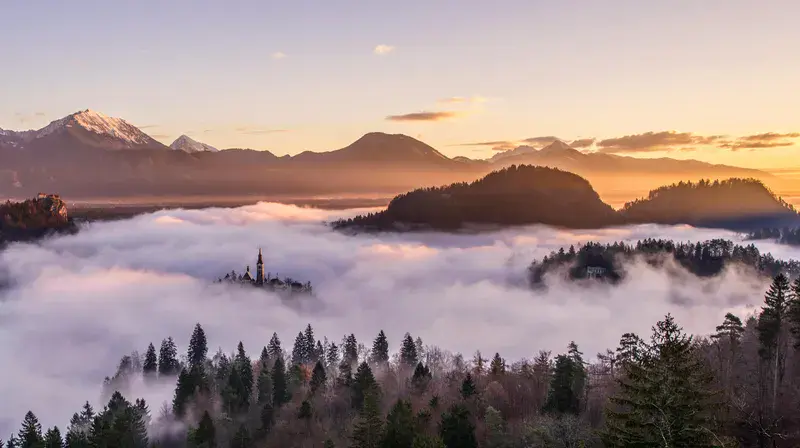
Imagine waking up to fairy-tale scenery: a medieval church perched on a tiny island, mirrored in the glacial waters of Lake Bled with the Julian Alps as your backdrop. This is everyday life in Slovenia for those who choose to make this Central European paradise their home.
What Makes Slovenia Perfect for Expats and Retirees
Safety First: Slovenia consistently ranks among the world's safest countries, making it ideal for retirees and expats seeking peace of mind.
Natural Beauty: With 60% forest coverage, Slovenia offers endless outdoor activities from hiking in the Julian Alps to swimming in pristine lakes.
Strategic Location: Weekend trips to Venice, Vienna, Zagreb, or Budapest are easily accessible, making Slovenia a perfect European base.
Excellent Infrastructure: Well-maintained roads, reliable public transportation, and modern amenities support comfortable expat life.
Quality Healthcare: Slovenia's universal healthcare system provides high-quality care with minimal out-of-pocket costs.
English Proficiency: Widespread English proficiency, especially among younger generations, makes daily life easier for expats.
Manageable Size: The entire country can be crossed in 3 hours, making exploration convenient and affordable.
The downsides? Winters can be gray and chilly (though far milder than the Midwest), bureaucracy sometimes moves at a glacial pace, and the Slovene language isn't the easiest to master (though you'll get by fine with English in urban areas).
Regional Deep-Dive: Exploring Slovenia's Living Zones
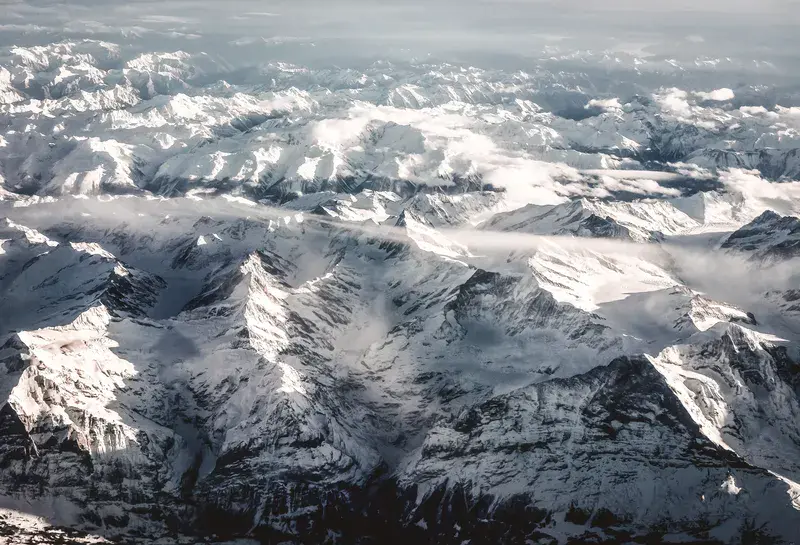
Slovenia's compact size—roughly the size of New Jersey—packs incredible diversity into its borders. Understanding the distinct regions will help you choose where to plant roots based on your lifestyle preferences and budget.
Central Slovenia: Urban Sophistication Meets Alpine Charm
Ljubljana Metropolitan Area
- Climate: Continental with mild winters (32-40°F) and warm summers (68-80°F)
- Monthly Living Costs: $1,500-2,500 for comfortable lifestyle
- Expat Population: Highest concentration with 15,000+ international residents
- Best For: Urban professionals, families seeking excellent schools, cultural enthusiasts
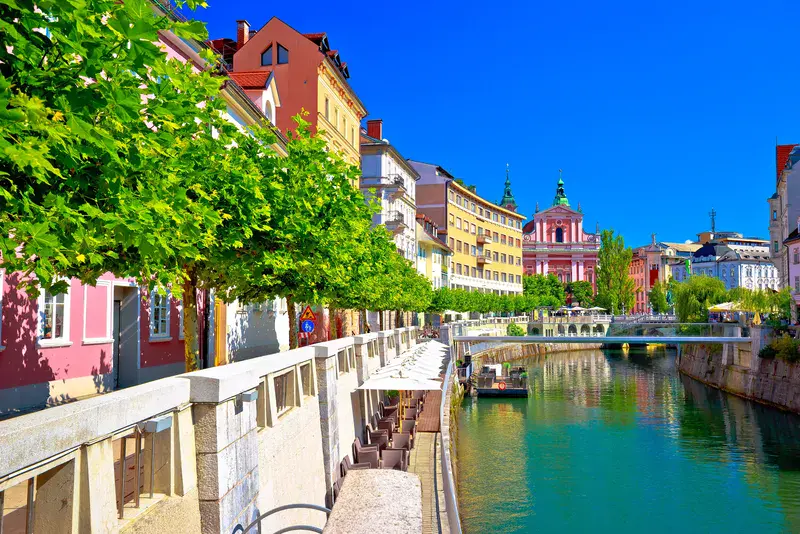
Ljubljana isn't just Slovenia's capital—it's the beating heart of the country's expat community. The pedestrian-only city center, designed partially by architect Jože Plečnik, offers café culture that rivals Vienna at a fraction of the cost. Housing ranges from €600-1,200 monthly for quality apartments, while the efficient public transportation system means you rarely need a car.
The city's compact nature means you're never more than 30 minutes from nature. Weekend escapes to Lake Bled (45 minutes), Adriatic beaches (90 minutes), or Alpine skiing (60 minutes) make Ljubljana the perfect base for exploring Slovenia's diversity.
Coastal Slovenia: Mediterranean Living Without the Crowds
Piran, Portorož, and Koper Region
- Climate: Mediterranean with mild winters (45-55°F) and warm summers (75-85°F)
- Monthly Living Costs: $1,200-2,000 for beachside living
- Expat Population: Growing community of 2,000+ international residents
- Best For: Retirees, remote workers, Mediterranean lifestyle seekers
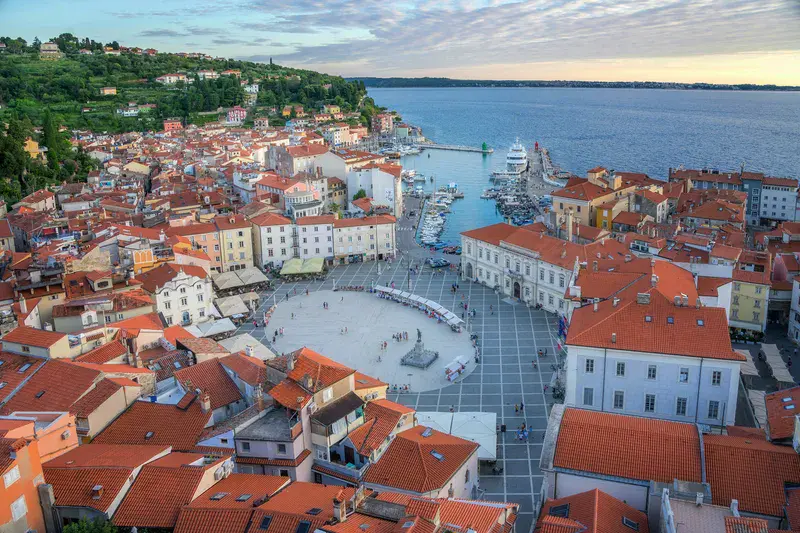
Slovenia's 29-mile coastline punches above its weight. Piran, a Venetian-era gem, offers affordable Mediterranean living with stunning sea views. Apartments overlooking the Adriatic rent for €500-900 monthly—try finding that in Italy or Croatia's coastal towns.
The region benefits from excellent Italian influence in cuisine and culture while maintaining Slovenia's safety and affordability. Healthcare facilities are modern, and the proximity to Trieste, Italy (30 minutes) provides additional amenities and travel connections.
Alpine Slovenia: Mountain Living with Modern Amenities
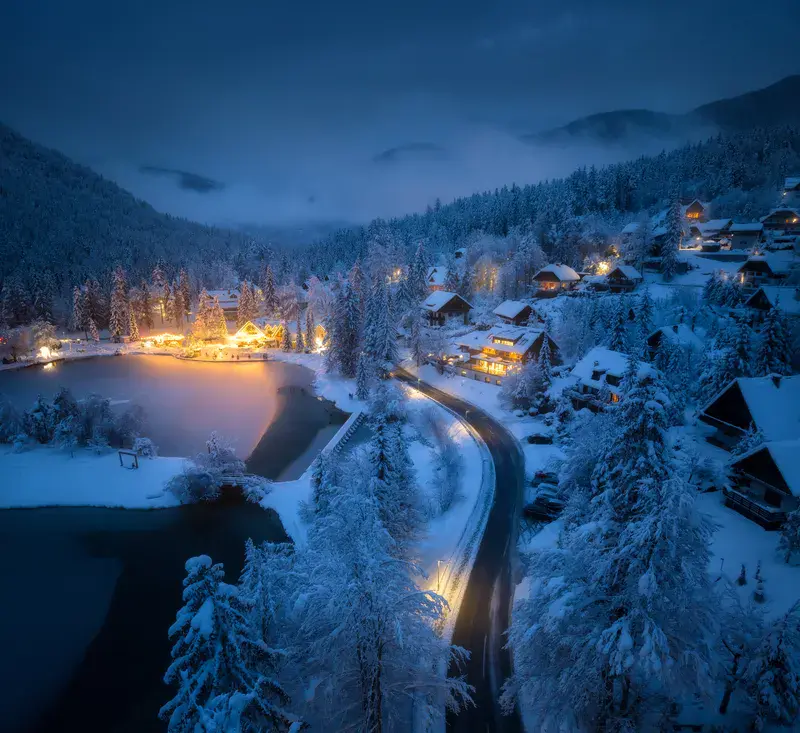
Kranjska Gora, Bovec, and Bled Region
- Climate: Alpine with cold winters (20-35°F) and mild summers (60-75°F)
- Monthly Living Costs: $900-1,500 for mountain lifestyle
- Expat Population: Smaller but tight-knit community of 1,000+ residents
- Best For: Outdoor enthusiasts, winter sports lovers, nature-focused retirees
The Slovenian Alps offer some of Europe's most affordable mountain living. Bled, famous for its island church and clifftop castle, provides fairy-tale scenery with practical amenities. Housing costs drop significantly here—€400-700 for quality apartments with mountain views.
The region caters to outdoor enthusiasts year-round: world-class hiking in Triglav National Park, skiing in winter, and water sports on pristine alpine lakes. Despite the rural setting, internet connectivity is excellent, making it viable for remote work.
Eastern Slovenia: Authentic Culture and Wine Country
Maribor, Ptuj, and Thermal Springs Region
- Climate: Continental with hot summers (75-85°F) and cold winters (25-35°F)
- Monthly Living Costs: $800-1,300 for comfortable living
- Expat Population: Smallest international community but growing
- Best For: Budget-conscious movers, wine enthusiasts, cultural immersion seekers
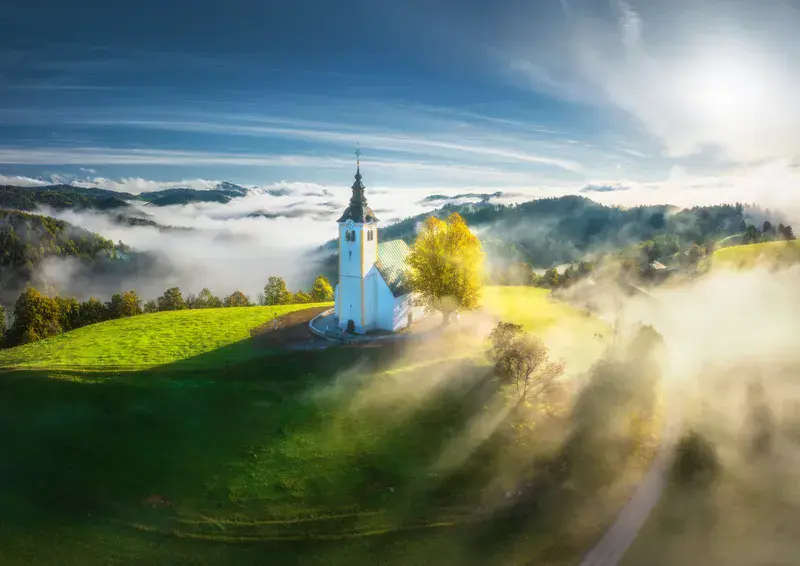
Eastern Slovenia offers the most authentic Slovenian experience at the lowest costs. Maribor, the country's second city, provides urban amenities at small-town prices. University town energy keeps the region vibrant, while world-renowned wine regions like Jeruzalem offer countryside tranquility.
This region showcases Slovenia's thermal spa culture, with natural hot springs offering relaxation and health benefits. It's perfect for those seeking deep cultural immersion and maximum budget stretching.
Moving to Slovenia from UK: Brexit Considerations
Moving to Slovenia from the UK requires similar documentation to US citizens post-Brexit. UK citizens are now treated as third-country nationals and must follow the same residence permit process outlined above.
Slovenia Retirement Visa Alternatives
While there's no specific retirement visa Slovenia offers, retirees can apply as self-sufficient individuals. This route requires demonstrating adequate pension income or savings to support yourself without working.
Visa & Residency: How to Legally Move to Slovenia
Slovenia, with its picturesque landscapes and high quality of life, has become an attractive destination for American retirees. While the country does not offer a specific retirement visa for non-EU citizens, there are viable pathways to establish long-term residency. Understanding the visa and residency options is crucial for a smooth transition to life in Slovenia.
The most common approach for U.S. citizens involves entering Slovenia on a 90-day Schengen visa and applying for a Type D (long-stay) visa from a Slovenian embassy before arrival. Once in Slovenia, this can be converted into a temporary residence permit. Retirees typically apply as self-sufficient individuals, requiring proof of a monthly income of approximately €1,100 per person. Other options include family reunification, if your spouse is an EU citizen, or establishing a business in Slovenia with an initial investment of €7,500 .
The residency process entails gathering necessary documentation, such as a valid passport, proof of health insurance, financial means, accommodation, and a criminal background check. Applications are submitted at the local Administrative Unit (Upravna Enota), with decisions typically made within 30 to 60 days. The initial temporary residence permit is valid for one year and is renewable. After five continuous years of temporary residence, you may apply for permanent residency, which offers additional benefits and security .
Healthcare coverage is a critical component of the residency application. Applicants must have comprehensive health insurance, which can be obtained through international insurers like Safety Wingor IMG before transitioning to the Slovenian system. Ensuring adequate healthcare coverage not only fulfills legal requirements but also provides peace of mind as you embark on your retirement in Slovenia.
Slovenia doesn't offer a specific retirement visa, but several pathways make relocation feasible for Americans. The most common approach is:
For US Citizens: Complete Visa Roadmap
Tourist/Short Stay (90 days):
- No visa required for US passport holders
- Must stamp passport upon entry to Schengen Area
- Cannot work or establish residency
- Perfect for scouting trips and initial exploration
Digital Nomad Visa (12 months):
- Launch Date: November 21, 2025
- Income Requirement: €3,200+ monthly (approximately $3,500 USD)
- Work Restrictions: Foreign clients/employers only
- Renewal: Not renewable, 6-month gap required before reapplication
- Family: Dependents must apply separately
- Processing Time: 15-30 business days
- Read the Complete Guide for Slovenia's Digital Nomad Visa
Long-Term Residence Pathways:
1. Employment-Based Residence
Requirements:
- Job offer from Slovenian employer
- Work permit application by employer
- Proof of qualifications and clean criminal record
- Health insurance coverage
Process Timeline: 30-60 days
Success Rate: 85%+ with proper documentation
Annual Renewal: Required for first 5 years
2. Self-Employment/Business Residence
Investment Thresholds:
- Service business: €7,500 minimum capital
- Manufacturing: €12,500 minimum capital
- Proof of business viability and market research
Required Documentation:
- Business plan in Slovenian
- Financial guarantees
- Professional qualifications verification
- Clean criminal background check
3. Study-Based Residence
For enrolled students at Slovenian institutions:
- University acceptance letter
- Proof of financial means (€6,000 annually)
- Health insurance
- Academic credentials recognition
4. Family Reunification
For spouses of Slovenian/EU citizens:
- Marriage certificate (apostilled)
- Sponsor's proof of income
- Suitable accommodation proof
- Basic Slovenian language knowledge (A1 level)
Remote workers can now live in Slovenia for up to 12 months with the new digital nomad visa launching November 2025. This program requires €3,200 monthly income but offers an excellent opportunity to experience Slovenia before committing to permanent relocation. Read our complete guide to Slovenia's digital nomad visa for requirements, application process, and insider tips."
EU Citizens: Simplified Process
Temporary Stay (90+ days):
- Register with local Administrative Unit (Upravna Enota)
- Proof of accommodation, income, and health insurance
- No visa required, just registration
Permanent Residence (5+ years):
- Continuous residence documentation
- Basic Slovenian language proficiency
- Integration into Slovenian society proof
Document Preparation Checklist
Essential Documents (all must be apostilled/legalized):
Slovenian-Specific Requirements:
Your first temporary residence permit will be valid for one year and is renewable. After five continuous years of temporary residence, you can apply for permanent residency, which offers additional benefits and security.
The key stumbling block for many Americans is healthcare coverage. You'll need comprehensive coverage during the application process, which can be obtained through international insurers like SafetyWing or IMG before transitioning to the Slovenian system.
Cost of Living in Slovenia: What Expats Should Expect
Money goes a long way in Slovenia. One comparison site found the average cost-of-living index in Slovenia is about 48% lower than in the United States. In practical terms, everyday expenses (housing, food, transit) are significantly cheaper. For example, a one-bedroom apartment in Ljubljana’s city center runs roughly €500–1,000 per month(say ~€700, or about $720). In contrast, a similar apartment in a U.S. city might average well over $1,500.
Basic groceries are inexpensive: a loaf of bread is around €1.50 and a liter of milk €1.00. Public transit is a bargain – a monthly bus pass in Ljubljana costs only €30. Other utilities are modest too (about €90 for an 85m² apartment’s electricity/heating). The table below compares a few typical expenses in Ljubljana vs. a U.S. city and (for context) Madrid, Spain:Complete Cost Breakdown by Lifestyle Level
Living Aspect | Budget Living | Comfortable Living | Luxury Living |
|---|---|---|---|
Housing | €400-650/month | €700-1,200/month | €1,300-2,500/month |
Food & Dining | €200-300/month | €350-500/month | €600-800/month |
Transportation | €50-80/month | €120-200/month | €300-400/month |
Healthcare | €30-60/month | €80-150/month | €200-300/month |
Entertainment | €100-150/month | €200-350/month | €400-600/month |
Utilities | €80-120/month | €120-180/month | €180-250/month |
Internet/Phone | €25-40/month | €40-60/month | €60-80/month |
**Total Monthly | €885-1,400 | €1,610-2,640 | €3,040-4,930 |
Regional Cost Variations
Ljubljana Premium: Add 20-30% to base costs Coastal Areas: Add 10-20% during summer season Alpine Regions: Subtract 15-25% from base costs Eastern Slovenia: Subtract 25-35% from base costs
Real Estate Market Deep-Dive
Rental Market Reality:
- Studio apartments: €300-600 (depending on location and quality)
- 1-bedroom: €450-800
- 2-bedroom: €600-1,200
- 3-bedroom house: €800-1,500
Purchase Prices (per sqm):
- Ljubljana center: €3,500-5,000
- Ljubljana suburbs: €2,500-3,500
- Coastal areas: €3,000-4,500
- Alpine regions: €2,000-3,000
- Eastern Slovenia: €1,500-2,500
Hidden Costs to Consider:
- Property transfer tax: 2% of purchase price
- Real estate agent fees: 2-4%
- Notary and legal fees: €1,000-3,000
- Annual property tax: 0.1-0.75% of property value
Banking & Financial Services Navigation
Opening a Bank Account: Major banks (Nova KBM, NLB, Abanka) offer expat-friendly services:
- Required documents: Passport, residence permit, proof of address
- Monthly fees: €2-10 for basic accounts
- ATM network: Extensive throughout Slovenia and EU
- Online banking: Available in English at most major banks
Investment Opportunities:
- Slovenian government bonds: 2-4% annual returns
- Real estate investment: 5-8% average annual appreciation
- EU investment funds: Available through local banks
- Cryptocurrency: Legal and regulated since 2022
Take a look at our 🔥FIRE Calculator for what you need to live comfortably in Slovenia.
Best Places to Live in Slovenia for Expats
Slovenia may be small, but its cities and regions each have a unique vibe. Here are some favorites for expats:
Ljubljana: Cosmopolitan Comfort
The capital is about 300,000 people – small by global standards but full of life. Its charming old town sits on the Ljubljanica River, and a medieval castle watches from a hilltop. Think outdoor cafes, pedestrian streets, and a university-town energy. English is widely spoken (especially among younger locals and at businesses), so daily life is easy. For a retiree, it feels like a safe, clean small city with big-city amenities (cafes, theaters, markets). Costs here are highest in Slovenia – e.g. a downtown 1BR is around €700expatexchange.com – but that’s still much less than a similar downtown in New York or London. Our Country Search tool shows Ljubljana scores high for safety and culture. And nature is just an hour’s drive (Alps, Karst caves). Overall, Ljubljana balances modern convenience with Slovenia’s scenic charm.
Maribor: Authentic and Affordable
This is Slovenia’s wine capital and second city (population ~100,000). The Drava River winds through town, and the 17th-century pyramid (old fortress hill) offers city views. Known for its Old Vine (Europe’s oldest grapevine) and the Lent Festival, Maribor has a cozy vibe. Housing and living costs are noticeably lower here (rents can be 30–50% less than in Ljubljana). It’s quieter and more rural-feeling – think hiking Pohorje mountains or vineyard picnics instead of flashy nightlife. Many retirees enjoy Maribor for its slower pace, friendly locals, and still-full services (shops, hospital, theater). You won’t lack for things to do: from spring wine harvests to winter skiing nearby, it’s a good compromise between city life and nature.
Coastal Areas (Piran/Koper/Izola): Mediterranean Vibes
On Slovenia’s tiny Adriatic coast lies Piran, a medieval town that feels like a Tuscan village by the sea. Its narrow streets and Venetian-style plaza end at the ocean. Here you get mild Mediterranean winters and hot, sunny summers. Daily life often means fresh seafood at sunset. Piran is very small (just ~4,000 residents), so community life is quiet and personal. Note that coastal homes are pricier (sea views demand a premium) and summers see tourists filling the cafes. But many expats find the seaside charm irresistible. If you dream of beachside walks and seafood feasts, Piran might be your paradise (just brush up on your Italian – it comes in handy here – or Slovene). The Adriatic is minutes away any day of the year.
Lake Bled/Bohinj Region: Natural Splendor
Not a city, but worth mentioning. Near Ljubljana is Lake Bled – picture a church on a tiny island with a backdrop of forested hills. The town of Bled (~8,000 people) is very touristy (especially in summer), with hotels, cafés, and emerald waters. Buying here can be pricey (40–50+ €/m²), but nearby towns like Radovljica or Bohinj are much cheaper. In this Alpine region, your neighbors are lakes and mountains: skiing in winter, hiking and swimming in summer. If you love postcard-perfect scenery and don’t mind some winter snow, living here can feel like a vacation every day. The trade-off is that you’ll be farther from big-city hospitals or international flights, so think ahead on transportation and access (for instance, many expats own a car in the mountains).
Everywhere you go, people tend to be polite (a friendly “dober dan” or “hvala” goes a long way). English suffices in tourist spots and big towns, but learning bits of Slovene wins hearts. If you love outdoor cafés, farmers’ markets, and a glass of local wine as the sky turns pink over the Alps, you’ll fit right in.
Healthcare for Expats: Navigating Slovenia's System
Slovenia's healthcare system consistently ranks among Europe's best, offering universal coverage with modern facilities and multilingual staff. Understanding how to access and optimize this system is crucial for your successful relocation.
Healthcare System Overview
Public Healthcare (ZZZS - Health Insurance Institute):
- Universal coverage for residents
- Contribution: 6.36% of salary (split employer/employee)
- Covers: GP visits, specialists, hospitalization, emergency care
- Waiting times: 2-8 weeks for non-urgent specialists
Private Healthcare Options:
- Monthly premiums: €50-300 depending on coverage
- Immediate access to specialists
- Premium facilities and shorter wait times
- English-speaking staff at major private clinics
Registration Process for Expats
Step 1: Obtain Health Insurance Card
- Register with ZZZS within 30 days of residence permit
- Required documents: Residence permit, employment contract, tax number
- Processing time: 7-14 days
- Annual fee: €35 for the insurance card
Step 2: Choose a Personal Physician (GP)
- Mandatory registration with a chosen GP practice
- GP acts as gatekeeper for specialist referrals
- Can change GP once per year
- List of English-speaking GPs available on ZZZS website
Healthcare Costs and Coverage
Service Type | Public System | Private System | Tourist/Uninsured |
|---|---|---|---|
GP Visit | €0 (covered) | €50-80 | €60-100 |
Specialist Consult | €0 (with referral) | €80-150 | €100-200 |
Emergency Room | €0 (covered) | €200-500 | €300-800 |
Prescription Drugs | 10-90% coverage | Full cost | Full cost |
Dental Care | Basic covered | €50-200 per visit | €80-300 per visit |
Eye Care | Basic covered | €100-300 | €150-400 |
RESIDENCY-COMPLIANT INSURANCE
Full Health Coverage for Your Move to Slovenia
Slovenian residency visas typically require proof of private health insurance. Genki Native provides a lifetime health plan designed for expats that covers the private clinics and specialist costs shown above, ensuring you have premium care from the moment you arrive.
We may earn a commission at no extra cost to you. Affiliate Disclosure
Quality of Care and Facilities
Major Medical Centers:
- University Medical Centre Ljubljana: Slovenia's premier facility with English-speaking staff
- Maribor University Medical Centre: Excellent regional healthcare hub
- General Hospital Celje: Modern facility serving central Slovenia
- Izola General Hospital: Coastal region's primary medical center
Specialized Services:
- Cardiology and cardiac surgery: World-class facilities
- Orthopedics and sports medicine: Excellent reputation
- Oncology: Modern cancer treatment centers
- Dental tourism: High-quality services at competitive prices
Prescription and Pharmacy System
Pharmacy Network:
- Over 400 pharmacies nationwide
- Extended hours at major locations
- Multilingual staff in tourist areas
- Online prescription tracking system
Prescription Coverage Levels:
- Essential medicines: 90% covered by public insurance
- Important medicines: 70% covered
- Supplementary medicines: 25-50% covered
- Over-the-counter: Full cost
Medical Tourism Opportunities
Slovenia attracts medical tourists for:
- Dental Care: 40-60% savings compared to US prices
- Cosmetic Surgery: High-quality procedures at competitive rates
- Wellness and Spa Treatments: Natural thermal springs and modern facilities
- Eye Surgery: LASIK and advanced procedures
For more on overseas coverage, see our Expat’s Health Insurance Handbook, which explains how to secure medical plans when moving abroad. Overall, expect good care: Slovenia even ranks high in health service efficiency in Europe. With insurance sorted, you can focus on wellness rather than bills here.
Infrastructure & Daily Living: What Really Works (And What Doesn't)
Moving to Slovenia means adapting to European infrastructure standards with some pleasant surprises and occasional frustrations. Here's the unvarnished truth about daily life practicalities.
Internet and Digital Infrastructure
Connection Quality by Region:
Region | Average Speed | Reliability | Monthly Cost | Notes |
|---|---|---|---|---|
Ljubljana | 100-500 Mbps | 99% uptime | €25-60 | Fiber widely available |
Coastal Areas | 50-200 Mbps | 95% uptime | €30-50 | Improved significantly 2020-2022 |
Alpine Regions | 25-100 Mbps | 90% uptime | €35-55 | Mountain terrain challenges |
Rural Eastern | 20-50 Mbps | 85% uptime | €25-45 | Government expansion ongoing |
Mobile Network Coverage:
- Telekom Slovenije: Best overall coverage (99% population)
- A1 Slovenia: Competitive urban coverage
- Telemach: Budget-friendly with good city coverage
- Monthly costs: €15-45 for unlimited plans
Transportation Network Analysis
Public Transportation:
- Ljubljana: Excellent bus network with integrated payment system
- Regional buses: Connect all major towns, €2-15 for intercity travel
- Trains: Reliable but limited routes, scenic alpine connections
- Monthly passes: €37 (Ljubljana), €50-80 (regional)
Road Infrastructure:
- Highway system: Modern A1/A2 highways connect major cities
- Rural roads: Generally good condition, winter maintenance excellent
- Parking: €0.50-2.00/hour in city centers, residential permits available
- Fuel costs: €1.40-1.60 per liter (roughly $6/gallon equivalent)
Utilities and Essential Services
Electricity and Power:
- Reliability: 99.5% uptime, renewable energy focus (40% hydroelectric)
- Costs: €0.15-0.25 per kWh (among EU's lowest)
- Connection process: 7-14 days for new connections
- Green energy options: Available at slight premium
Water and Sewage:
- Quality: Excellent tap water throughout country
- Costs: €2-4 per cubic meter
- Rural areas: Well water common and generally safe
- Environmental: Strong water protection regulations
Heating Systems:
- District heating: Common in urban areas, cost-effective
- Natural gas: Widely available, €0.04-0.06 per kWh
- Wood heating: Popular in rural areas, local sourcing available
- Heat pumps: Growing trend, government subsidies available
Waste Management and Recycling
Collection Systems:
- Organic waste: Weekly collection in most areas
- Recycling: Comprehensive 5-category system
- Bulk items: Scheduled pickup service
- Costs: €15-35 monthly depending on household size
Seasonal Infrastructure Challenges
Winter Considerations (December-March):
- Snow removal: Excellent on main roads, rural areas slower
- Public transport: Generally reliable with weather delays
- Heating costs: Increase 40-60% during winter months
- Alpine regions: Potential road closures during heavy snow
Summer Challenges (July-August):
- Tourist influx: Coastal and alpine areas congested
- Utility strain: Occasional water restrictions in coastal areas
- Air conditioning: Less common, consider for comfort
Communication and Language Infrastructure
Language Support Services:
- Government websites: Available in English and German
- Banking: Major banks offer English-language services
- Healthcare: English-speaking staff at major facilities
- Legal services: International law firms available in Ljubljana
Cultural Integration & Language: Becoming a Local, Not Just a Resident
Successfully integrating into Slovenian society goes beyond learning phrases—it's about understanding the cultural nuances that make Slovenia unique. Here's your roadmap to becoming a welcomed community member, not just another expat.
Understanding Slovenian Mentality and Values
Core Cultural Values:
- Environmental consciousness: Recycling and nature protection aren't trends—they're lifestyle pillars
- Work-life balance: Slovenians value efficiency over long hours
- Community connection: Small-town mentality persists even in cities
- Modest confidence: Achievements are celebrated quietly, bragging is frowned upon
- Outdoor lifestyle: Weekend mountain hiking is practically mandatory
Social Etiquette Essentials:
- Greetings: Firm handshakes, direct eye contact, use formal address (Vi) until invited to use informal (ti)
- Punctuality: Being late is disrespectful—arrive exactly on time
- Conversation topics: Nature, sports, and travel are safe; avoid politics until you understand local perspectives
- Gift-giving: Bring odd-numbered flowers for hosts, but avoid chrysanthemums (funeral flowers)
Language Learning Strategy and Timeline
Slovenian Language Reality Check: Slovenian is challenging—it's a Slavic language with complex grammar including six cases and three grammatical numbers. However, your integration success doesn't require perfection.
Practical Learning Pathway:
Months 1-3: Survival Slovenian
- Essential phrases for shopping, dining, basic services
- Numbers, days, months, basic time concepts
- Polite expressions and social greetings
- Goals: Handle daily transactions, show respect through effort
Months 4-8: Functional Communication
- Past and future tense construction
- Asking questions and giving directions
- Medical and emergency vocabulary
- Goal: Explain needs, understand responses
Months 9-18: Social Integration
- Conversational topics: weather, current events, personal interests
- Cultural references and humor basics
- Professional vocabulary for work situations
- Goal: Participate in group conversations, build friendships
Learning Resources Comparison:
Method | Cost | Effectiveness | Time Commitment | Best For |
|---|---|---|---|---|
Berliyz Language School | €300-600 | High | 6-8 hrs/week | Structured learners |
Private Tutors | €20-35/hour | Very High | Flexible | Busy professionals |
Center za izobraževanje | €150-250 | Medium | 4-6 hrs/week | Budget-conscious |
Language Exchange | Free | Medium | 2-4 hrs/week | Social learners |
Online Apps (Babbel) | €60/year | Low-Medium | Self-paced | Supplement only |
Community Integration Pathways
Recreational Sports and Activities:
- Hiking clubs: Join Planinska zveza Slovenije (Alpine Association)
- Cycling groups: Active communities in all regions
- Winter sports: Skiing and snowboarding clubs welcome beginners
- Football (soccer): Local amateur leagues always need players
- Tennis and golf: Growing expat participation
Cultural and Artistic Engagement:
- Photography clubs: Capture Slovenia's beauty while meeting locals
- Cooking classes: Learn traditional Slovenian cuisine
- Wine tasting: Join local wine societies, especially in eastern regions
- Folk dancing: Traditional groups welcome enthusiastic newcomers
- Choir singing: Strong choral tradition with multilingual groups
Volunteer Opportunities:
- Environmental conservation: Beach cleanups, trail maintenance
- Cultural festivals: Ljubljana Festival, Lent Festival need volunteer support
- Animal welfare: SPCA-equivalent organizations
- Refugee assistance: Help recent arrivals integrate
- English tutoring: Share language skills while building connections
Navigating Social Circles and Friendship
Building Meaningful Relationships:
Local Friend Development Timeline:
- Months 1-6: Acquaintance level through activities and neighbors
- Months 6-12: Regular social contact, invitation to home gatherings
- Year 2+: Deep friendships with mutual family involvement
Common Integration Mistakes to Avoid:
- Comparing everything to your home country: Embrace differences rather than criticize
- Staying in expat bubbles: Challenge yourself to interact with locals
- Ignoring seasonal customs: Participate in traditional celebrations
- Over-scheduling: Slovenians value spontaneity and relaxed socializing
Workplace Culture Navigation
Professional Environment Characteristics:
- Hierarchy: Flatter than many countries, but respect seniority
- Communication style: Direct but polite, written follow-ups expected
- Meeting culture: Well-prepared agendas, punctual starts and ends
- Dress code: Conservative and neat, casual Fridays common
- Vacation culture: August closures common, plan around summer holidays
Building Professional Relationships:
- Coffee culture: Accept invitations for coffee breaks—relationship building time
- After-work socializing: Occasional dinners, weekend outdoor activities
- Professional development: Attend industry conferences and workshops
- Language effort: Using Slovenian in meetings shows commitment
Seasonal Cultural Adaptation
Embracing Slovenian Seasonal Rhythms:
Winter (December-March):
- Kurentovanje Carnival: Participate in Ptuj's ancient spring awakening ritual
- Christmas markets: Ljubljana's festive atmosphere and local crafts
- Indoor activities: Museums, theaters, thermal spas become social centers
- Comfort food season: Learn to make hearty Slovenian winter dishes
Spring/Summer (April-September):
- Outdoor festival season: Music, food, and cultural celebrations weekly
- Hiking season: Join weekend mountain expeditions—social bonding essential
- Garden parties: Backyard gatherings are primary social venues
- Fresh food markets: Saturday morning market visits become social rituals
Cultural Integration Success Metrics:
- Month 6: You stop translating everything in your head
- Month 12: Neighbors greet you by name and ask about your family
- Month 18: You're invited to weddings and major family celebrations
- Year 2: You dream in Slovenian and feel homesick when traveling
Can Americans Buy Property in Slovenia?
Yes! U.S. citizens can buy real estate in Slovenia almost as easily as Slovenians. EU citizens have full rights to purchase, and by a trade treaty the same privilege extends to Americansmove2slovenia.com. In other words, Americans may purchase property “without restrictions” in Slovenia. You do not need to live there first – you just need a Slovenian tax number (EMŠO, issued during the sale process) and to complete the normal paperwork.
A good Realtor or attorney will guide you. Typically, after finding a home you like, you’ll sign a preliminary contract and put down a deposit (~10%). The realtor will help you get an EMŠO and tax ID (these are quick administrative steps). Then a notary finalizes the deed transfer. You should also open a local bank account to handle payments and future bills. Agents are licensed nationally (per law), so use a reputable local firm for the transaction.
What about prices? Slovenia’s market crashed around 2009 (some areas saw prices drop ~30%), but it’s been rebounding since. Expect to pay roughly €4,500 per m² in Ljubljana’s center (so a 70m² flat might be ≈€315,000). Coastal or Alpine resorts are higher; rural villages can be much lower (even €1,500–€2,000/m²). A single detached house in the countryside might run €100k–€200k, whereas urban condos run higher. If you have a niche (vineyards, farmhouses, lake houses), prices vary widely. In any case, buying here is straightforward under the hood. Hiring a local notary and agent makes it smooth – once you have the paperwork in order, closing costs (taxes and fees) are transparent.
Typical property costs:
- Ljubljana: €4,500 per square meter
- Coastal areas: €2,000-4,000 per square meter
- Maribor and other cities: €1,200-2,000 per square meter
- Rural properties/villages: €1500-2,000 per square meter
Property Purchase Process
Steps for Americans:
- Find property through licensed local realtor
- Sign preliminary contract with 10% deposit
- Obtain Slovenian tax number (EMŠO)
- Complete notarized deed transfer
- Open local bank account for payments
Surprising value: Many Americans discover charming village houses with land available for under €100,000 (renovation costs should be factored for older properties).
While Slovenia doesn't offer a "golden visa" (residency through property investment), owning property does simplify renewals of existing residence permits.
The Expat Life: Day-to-Day Living in Slovenia
Life in Slovenia blends Central European comfort with a laid-back vibe. People here value family, nature, and a good coffee. Expect grocery stores stocked with fresh yogurt, cheeses, and seasonal produce – all cheaper than in the U.S. Public transport (buses and trains) covers most places; a monthly bus pass in Ljubljana is only €30. If you live outside a city, a car is handy. Gas is about €1.30–1.50 per liter (roughly twice the U.S. price, but cars are efficient). Broadband internet is fast and reliable in towns, slower (or satellite) in remote valleys.
Slovenians can seem reserved at first, but they’re polite and warm up quickly if you learn a few words. Speaking “hello” (dober dan) or “please/thank you” goes a long way. Most people under 40 speak English well, and many signs or official websites have English versions. When shopping or dining, a simple “hvala” (thanks) and smile will earn you friendly service. Weekends often revolve around nature – hiking, cycling, skiing – or socializing at cafes. Expect a slower pace: many shops close for a couple of hours at lunchtime, and almost everything is closed on Sunday (except gas stations and some restaurants). Plan errands accordingly (stock up on Saturdays!).
Weather gives you four true seasons: warm summers (25–30°C) especially inland, mild winters on the coast (5–10°C), and colder snowy winters in the mountains (–5°C or lower). Slovenia is fairly green year-round. In town, summer afternoons might mean a café-crawl or market browsing; in winter, evenings are cozy inside with hot wine or tea. Health and safety are top-notch (serious crime is rare). If you're into winter mountain adventures you're in the right place!
No place is perfect: you might grumble about bureaucratic paperwork (forms in Slovene!) or waiting a bit longer at government offices. Some expats joke that the national sport is waiting for the bus, and it takes patience to navigate lines and stamps. On the bright side, residents praise the clean air, excellent healthcare, and relaxed social life. As one expat put it, “Slovenia is a small country with a vibrant social scene”. For retirees, it often means trading a hectic lifestyle for daily walks in the woods and memorable sunsets, very rewarding for those who prefer peace over chaos.
Ready to Rewire your Life?
Sign up to receive updates and insights.
By submitting your email address, you will receive a free subscription to RA Postcards and special offers from Rewire Abroad and our affiliates. You can unsubscribe at any time, and we encourage you to read more about our Privacy Policy.
Retirement in Slovenia: Is Slovenia a Good Place to Retire?
Is Slovenia a good place to retire? The answer depends on your priorities, but for many retirees, Slovenia offers an unbeatable combination of factors:
Why Choose Slovenia for Retirement
Financial benefits:
- Stretch retirement savings: 48% lower cost of living
- Healthcare savings: Universal system with low costs
- Property value: Affordable real estate options
- No US tax issues: Proper tax treaty protections
Lifestyle benefits:
- Safety and security: Political stability and low crime
- Active lifestyle: Abundant outdoor activities
- Cultural richness: Museums, festivals, and traditions
- Travel opportunities: Easy access to European destinations
Retire to Slovenia from UK: Special Considerations
Retiring to Slovenia from the UK involves similar benefits but requires attention to:
- Post-Brexit residency rules: Third-country national status
- Healthcare transitions: EHIC no longer valid
- Pension transfers: Proper arrangements for UK pensions
- Tax implications: Understanding UK-Slovenia tax treaty
Immigrating to Slovenia: Step-by-Step Process
How to Immigrate to Slovenia
Complete immigration process:
- Research and planning: Determine best visa route
- Documentation: Gather required paperwork
- Health insurance: Secure comprehensive coverage
- Accommodation: Arrange housing
- Visa application: Submit at Slovenian embassy/consulate
- Arrival: Enter Slovenia with proper documentation
- Residence permit: Apply for temporary residence
- Integration: Open bank account, register address
- Long-term planning: Prepare for permanent residence after 5 years
Migrate to Slovenia: Timeline Expectations
Typical timeline:
- Visa processing: 2-8 weeks
- Residence permit: 30-60 days after arrival
- Full integration: 3-6 months for complete setup
- Permanent residence: Available after 5 years
Moving to Slovenia: Frequently Asked Questions
Click any question to expand the answer.
Tools & Resources for Your Slovenia Move
Before making any major decisions about moving to Slovenia, these tools can help you evaluate your options and plan effectively:
Research and Planning Tools:
- Compare Slovenia to Other Destinations: Use our Country Search Tool to see how Slovenia stacks up against other European relocation destinations based on your specific priorities
- Calculate Your Slovenia Timeline: The FIRE Calculator helps optimize your savings and timeline for your Slovenia move, whether you're planning early retirement or career relocation
- Assess Your Readiness: Take our Expat Readiness Quiz to identify areas to focus on before making the move to Slovenia
- Understand Visa Requirements: Explore Visa Pathways for Slovenia-specific residence options based on your situation
- Complete Slovenia Information: Check our Country Directory for comprehensive Slovenia guides and comparisons
- Read the Complete Guide: Move to Slovenia Guide for Americans
Essential Slovenia-Specific Resources:
Government and Legal:
- Gov.si: Official government portal with English-language information
- Ministry of Interior: Immigration and residence permit information
- ZZZS (Health Insurance): Healthcare system registration and information
- AJPES: Business registration and tax information
- Administrative Units: Local government services and residence registration
Housing and Real Estate:
- Nepremicnine.net: Premier real estate portal for rentals and purchases
- Bolha.com: Local classified ads including housing and services
- Estate agencies: Century 21, RE/MAX have English-speaking agents
- Facebook groups: "Housing in Ljubljana" and region-specific rental groups
Banking and Finance:
- Nova KBM: Major bank with expat-friendly services
- NLB (Nova Ljubljanska Banka): Largest bank with English-language support
- Abanka: Good for business banking and mortgages
- Revolut/N26: International banking options for easier transition
SAVINGS STRATEGY
The Cheapest Way to Move Your Savings to Slovenia
Don't use traditional banks for your initial relocation costs. Whether you are paying your first month's rent or a security deposit in Ljubljana, Wise uses the real mid-market exchange rate—saving you hundreds in hidden fees compared to NLB or Nova KBM.
We may earn a commission at no extra cost to you. Affiliate Disclosure
Transportation and Logistics:
- Slovenske železnice: National railway system
- LPP: Ljubljana public transport with English app
- Eurolines: International bus connections
- Moving companies: Compare quotes through international moving platforms
Community and Integration:
- Expat groups: "Americans in Slovenia," "Ljubljana Expats" Facebook communities
- Meetup.com: Regular expat social events and activities
- InterNations: Professional expat networking events
- Language schools: Berlitz, Center za izobraževanje for Slovenian lessons
Additional helpful Slovenia resources include regional tourism boards, cultural centers, and professional associations specific to your industry. The key is starting your research early and connecting with the established expat community who can provide real-world insights for your specific situation.
Final Thoughts: Is Slovenia Right for You?
Moving to Slovenia offers an exceptional opportunity for expats and retirees seeking European living at accessible prices. This comprehensive Slovenia relocation guide demonstrates that with proper planning, life in Slovenia can provide:
- European lifestyle: Authentic Central European experience
- Financial benefits: Significant cost savings
- Health and safety: World-class healthcare and security
- Natural beauty: Stunning landscapes and outdoor opportunities
- Travel base: Easy access to European destinations
Making Your Decision
Before immigrating to Slovenia, consider taking a scouting trip of 2-3 weeks. Many successful Slovenia expats recommend using the 90-day Schengen allowance to experience different regions and seasons before committing to the full residency process.
Slovenia retirement success stories consistently mention the importance of:
- Realistic expectations: Understanding both benefits and challenges
- Proper planning: Securing documentation and finances
- Integration effort: Learning basic language and customs
- Professional help: Using local realtors, lawyers, and consultants
For personalized insights into whether Slovenia meets your specific needs, use comparison tools and calculators to evaluate how your current situation would translate to living in Slovenia.
Considering Slovenia but want to test the waters first? The new 12-month digital nomad visa provides the perfect opportunity to experience daily life, healthcare, costs, and culture before making permanent moving decisions. Learn everything about Slovenia's digital nomad program here.
With its combination of safety, beauty, affordability, and quality of life, Slovenia represents one of Europe's most compelling destinations for expats and retirees. Whether you're drawn by the Alpine scenery, Mediterranean coast, or charming capital city, Slovenia offers the possibility of turning your European dream into an accessible reality.
Find other places like Slovenia: 👉Country Search

Adonis Villanueva
Adonis Villanueva is the founder of RewireAbroad, where he combines technology, analytics, and global mobility research to help readers make smarter decisions about living abroad. His work centers on geoarbitrage, financial independence, visas, taxes, and long-term relocation planning.
Rewire Abroad
Retire in Slovenia 2026: Costs, Visa Reality & Healthcare for Americans
Retire in Slovenia on $1,800/month: retirement visa but has a path with the Type D long-stay. Healthcare, costs, and where to live. 2026 guide.
Global Retirement Guide: Tax-Friendly Destinations & Estate Planning for Americans
Discover top tax-friendly countries for American retirees and essential estate planning tips to secure your financial future abroad.
Slovenia Digital Nomad Visa 2026: Requirements, Income & How to Apply
Slovenia's Digital Nomad Visa is live. Stay 12 months, earn €3,200+/month remotely, work for foreign clients only. Complete 2026 guide for Americans.
Moving to Andorra in 2026: Complete Guide to Residency, Taxes & Cost of Living
Andorra: 10% max tax, zero wealth tax, world-class skiing, and real expat costs. Complete 2026 guide to residency, costs, and who it's really for.