Guide to Living and Retirement: Costs, Visas, and Essentials in Croatia

1. Why Croatia?
My first trip to Croatia felt like stepping into a postcard, but what truly captivated me was discovering the incredibly low cost of living in Croatia. Stepping off the plane in Zagreb, I was greeted by crisp air, warm smiles, and the realization that living costs Croatia offered were a fraction of what I paid back home. That first sip of kofola sparked my dream of retiring here, and after extensive research into Croatia’s cost of living and visa requirements, I'm thrilled to share this comprehensive guide.
Is it expensive to live in Croatia? The short answer is no – Croatia offers exceptional value with living expenses in Croatia typically 40-60% lower than Western Europe or the US. From the sun-drenched Adriatic coast to Zagreb's vibrant cafés, it's a retiree's paradise where adventure meets affordability. Understanding Croatia's rental visa requirements and the true cost of living Croatia provides is essential for anyone considering this Mediterranean gem as their retirement destination.
This guide covers everything from Croatia visa costs to monthly living expenses, helping you determine if Croatia could be your perfect retirement or move-to destination.
Croatia at a Glance
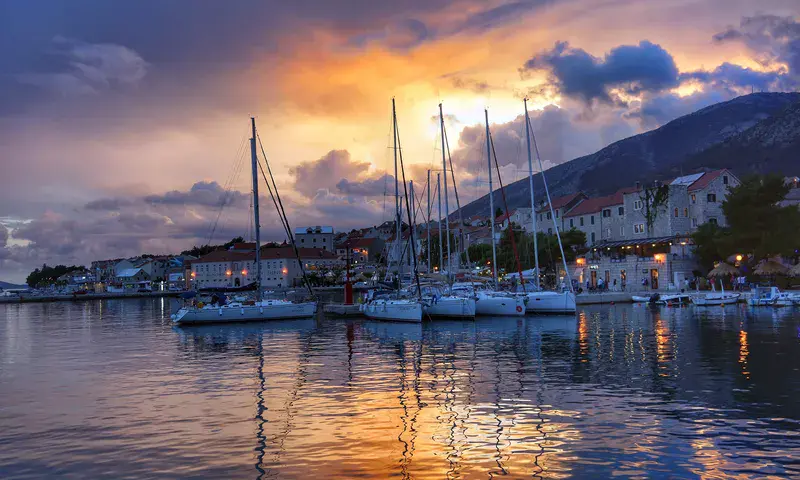
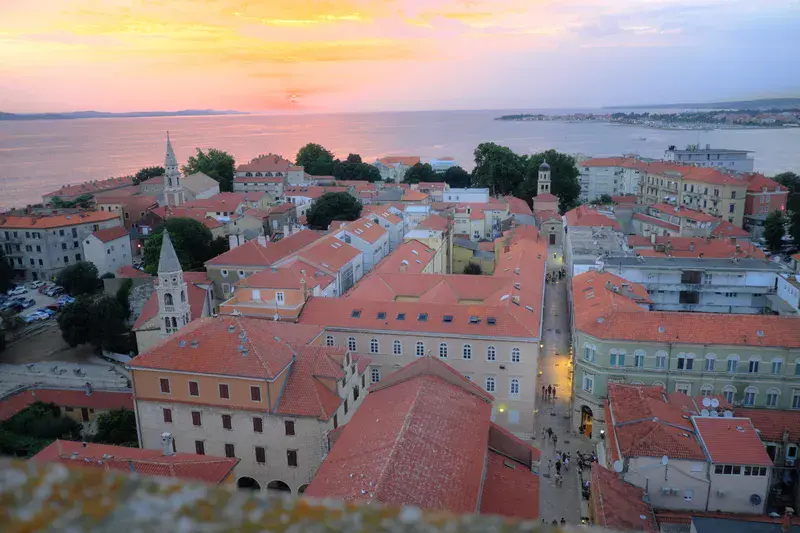
Personal Anecdote: I couchsurfed and stayed in somebody's apartment in a seaside village near Zadar. I checked out some ancient Roman ruins and local markets; went to local bars at night where I tried rakija. I had very fond memories taking photos of sunsets. Tip: Learn a few basic Croatian phrases (even just “hello” and “thank you”) – it always drew smiles and warmed every encounter.
Pro Tips:
- Embrace local treats: Try peka (slow-cooked meat and veggies under a bell lid) or ćevapi in a family-run tavern.
- Dress in layers: Even in summer the coast can get breezy after sunset.
- Chat with expats: Join local Facebook groups or expat forums. They gave me insider tips (like which landlords do year-long leases) that saved me hassle.
- Explore by ferry: The ferries connect dozens of islands. Missing one on Hvar was frustrating, but the spontaneous evening I spent in a quiet port town taught me to go with the flow.
Keep a checklist and use our Country Search tool: climate, safety, cost of living, etc.,. That led me to deeper research to unravel Croatia’s retirement visa requirements, affordable living, and the new Croatia digital nomad visa 2025. Whether you’re planning 3 months or three years here, read on for the full scoop.
Takeaways:
• Affordability: Costs are significantly lower than in Western Europe or the U.S.
• Lifestyle: A relaxed pace with rich culture and natural beauty.
• Accessibility: Easy visa options for short and long-term stays.
2. Visa Options Explained
Planning your stay? Croatia joined Schengen in 2023, so visa rules changed. According to the U.S. State Department, “U.S. passport holders do not need a visa if traveling to Croatia for tourism or business for less than 90 days in any 180-day period”travel.state.gov. In practice, this means up to three months visa-free. All you need is a valid passport (with at least 3–6 months’ validity) and sufficient funds. Keep in mind you must register at a local police station within 3 days of arrival (if staying longer than a week) and carry travel health insurancetravel.state.gov. (For more on entry rules, see VisaHQ – they list general requirements by nationality.)
But what if you fall in love with Croatia and want more than 90 days? Navigating Croatia’s visa options is key for retirees. Below, I outline the main pathways for 2025, tailored for non-EU citizens, particularly U.S. retirees.
2.1 90-Day Entry as a U.S. Citizen
U.S. citizens and many others enjoy visa-free entry for up to 90 daystravel.state.gov. This short-term stay covers tourism, visiting family, or even brief business trips. In my case, I spent my first summer working remotely from a Dubrovnik apartment, hopping islands on weekends. Important: no tourist visa is needed, but bring these essentials: a passport valid 3–6 months beyond your triptravel.state.gov, proof of onward travel (airfare out), travel health insurance, and enough cash/credit to cover your stay. Some hotels will register you for the police, but if you stay in private housing, you must register yourself. After 90 days, you must leave Schengen/Croatia and wait another 90 days before returning.
For example, when I first overstayed by a few days on Dubrovnik island (an honest mistake!), I had to fly to nearby Montenegro and re-enter – a hassle!
Pro Tips:
- Check your entry stamp dates carefully: 90 days in any rolling 180-day period is allowed.
- Consider a Schengen or CRO-WIDE travel card: after Brexit/Schengen, an ETIAS travel authorization will be needed for U.S. travelers by 2024 (stay tuned).
- Even visa-free, carry the same documents you’d need for a visa. Better safe than sorry at border control.
Visa Fee Table
Visa/Permit Type | Fee (EUR) |
|---|---|
Short-stay tourist/business (<=90d) (U.S.) | No visa required (passport check only)travel.state.gov |
Temporary Residence Permit (1-year, prepaid rent) | Admin: €46.45 + bio-card €31.85mup.gov.hr |
Digital Nomad Residence Permit (up to 18 months) | Same admin + bio-card: ~€46.45 + €31.85mup.gov.hr |
Long-stay Visa (if applying from abroad) | Consular fee ≈ €93 (varies by country) |
(Fees are approximate administrative charges for temporary stay; check local consulate for the latest fees.)
2.2 Retirement Visa: 1-Year Prepaid Rent Option
Croatia doesn’t have a formal “retirement visa,” but retirees and digital nomads often use one of two clever workarounds to get a year-long stay. The most popular is prepaying your rent for a year. In short: find a Croatian landlord offering a 12-month lease, pay the entire year up front, and register that address as your residence. Voila – you qualify for a 1-year temporary residence permit (renewable after a 6-month exit). This effectively becomes a “Croatia retirement visa.”
Requirements include:
- A 12-month rental contract (not via Airbnb, in Croatian, notarized).
- Proof of rent payment for the full year (e.g., bank receipt often via Croatian bank).
- Health insurance (see the healthcare section for details).
- Proof of means (bank statement) to cover living costs.
Pro Tips:
- Confirm the flat can be rented year-round (many rentals are summer-only!). The Croatian word for long-term is “dugoročno.” Use njšklo.hr or local agents.
- Involve an expat community for advice – locals say don’t pay until you have the permit in hand.
- Keep good records (contract, receipts) in case police ask when processing.
Understanding Croatia Visa Costs for Retirees
When planning your Croatia retirement visa strategy, understanding the complete Croatia visa cost breakdown is crucial. The prepaid rent option, while not officially called a retirement visa, functions as Croatia's de facto retirement pathway for non-EU citizens.
Total Croatia Visa Cost Breakdown:
- Administrative fee: €46.45
- Biometric card: €31.85
- Total Croatia visa cost: €78.30
- Additional costs: Rent prepayment (€6,000-€12,000+ depending on location)
- Health insurance: €200-€600 annually
- Legal assistance (recommended): €200-€500
Croatia's rental visa requirements include:
- Valid passport (6+ months validity)
- 12-month rental contract in Croatian language
- Proof of full year rent payment
- Health insurance coverage
- Criminal background check
- Proof of sufficient funds (typically €4,000+ in bank statements)
This Croatia retirement visa alternative provides legal residency for one year, making it ideal for retirees seeking long-term stays without property investment.
Another way: buy property. If you own residential real estate, you can similarly get a 1-year permit (renewable under same rules). But without a local job, you’ll only be allowed to stay 9 months of each year (9 months on permit + 3 months visa-free). In short, buying doesn’t give you a year-round life-permit, so most expat retirees choose renting.
The permit lasts one year and isn’t immediately renewable—you must wait 6 months after expiration to reapply. It doesn’t lead to permanent residency but offers a low-hassle way to live in Croatia long-term.
Comparison Table: Retirement Visa vs. Digital Nomad Visa
Aspect | Retirement Visa (Prepaid Rent) | Digital Nomad Visa |
|---|---|---|
Duration | 1 year | Up to 18 months |
Key Requirement | Prepaid 12-month rent | Proof of remote work income |
Renewability | Not immediately (6-month gap) | Not renewable (6-month gap) |
Health Insurance | Required | Required |
Family Reunification | Not applicable | Possible for dependents |
Key Points:
• Ideal for retirees avoiding property investment.
• Requires careful planning due to non-renewability.
• Check application details Ascertain fees with VisaHQ.
2.3 Croatia Digital Nomad Visa 2025
The Digital Nomad Visa, updated for 2025, allows remote workers to stay up to 18 months—either as a single 18-month permit or a 1-year permit with a 6-month extension. While designed for active remote workers, retirees with passive online income may qualify.
Key Requirements:
- Proof of remote work for a non-Croatian employer or your own foreign business.
- Adequate funds: currently at least €3,295/month (≈€39,540/year) – shown via bank statements or payslipsmup.gov.hr. (For an 18-month stay, you must show a total of €59,310 in savingsmup.gov.hr.)
- Valid passport (with copies), rental contract (address), Croatian health insurance or international coverage.
- Police clearance certificate (criminal record) legalized for Croatiamup.gov.hr.
- Visa fee: about €55–60 administrative + ~€32 for the residence cardmup.gov.hr.
An April 2025 report notes over 1,000 people have used this visa, with top nomad-friendly cities like Rijeka, Zadar, Split, and Zagreb ranking globally. Notably, digital nomads are exempt from Croatian income tax if their only income is from abroad.
Pro Tips:
- Start paperwork early: get a clean police check and health insurance before applying.
- If you’re in Croatia on a tourist visa, you must leave and apply from abroad for the D-visa – it can’t be done in-country until after you enter on a visa (as of 2025).
- Budget for two sets of fees: the digital nomad visa itself (consular fee, if required ~€93) and the temporary stay permit (administrative fee €46.45 + biometric card €31.85)mup.gov.hr.
- The VisaHQ site has a checklist, but trust only official sources and consult lawyers or accredited agencies if unclear.
Key Points:
• Extended duration makes it attractive for semi-retirees.
• Not ideal for fully retired individuals without active income.
• Offers flexibility for those blending work and retirement.
3. Cost of Living Breakdown
Croatia can be surprisingly affordable, especially outside peak tourist zones. I once rented a seaside apartment in a small island town for €500/month (off-season!), but I paid extra for utilities in winter. Below is a rough breakdown – remember, local prices can swing by region and season.
Cost-of-Living Comparison – Coastal vs Inland:
Category | Coastal (e.g., Split/Dubrovnik) | Inland (e.g., Zagreb/Osijek) |
|---|---|---|
85 m² Rent (normal) | €586–€800 | €295–€907 |
Monthly Groceries (1 person) | ~€150–€200 | ~€200–€250 |
Public Transport Pass | €40–€50 | €30–€45 |
Restaurant Meal (2) | ~€46 (casual) / €78 (mid-range) | ~€40 / €70 |
Utilities (basic) | €100–€150 | €100–€150 |
Note: Coastal cities can spike in high season, but inland life (Zagreb, Slavonia) is consistently cheaper on rent and food.
3.1 Housing & Rent
Rent is often the biggest expense. In Zagreb, a furnished two-bedroom (≈85 m²) in a nice area runs around €900–€1,200/month. In Split or Zadar on the coast, you might pay a bit more in summer peak (advertised beachfront 2BR can be €1,000+), but outside summer a decent 2BR might be €800–€900. In Dubrovnik city, data shows an 85 m² flat costs around €586 (normal area) – surprisingly cheaper than Zagreb’s 85 m² (€907), likely because Dubrovnik’s data sampling is limited.
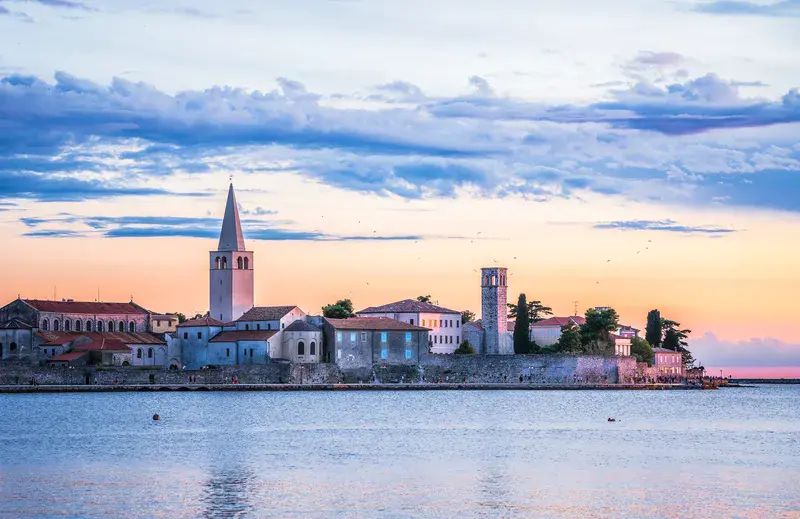
Inland cities are much cheaper. In Osijek (Slavonia), that same 85 m² flat rents for only €295! Towns like Rijeka, Pula or smaller Istrian villages also offer bargains. For example, Pula’s cost-of-living index is fairly low, with single-person expenses ≈€926/month and 85 m² rent ~€397.
Rent Comparison Table
Apartment Type | City Centre (€) | Outside Centre (€) |
|---|---|---|
1-bedroom apartment | 588.22 (400-800) | 450.00 (300-600) |
3-bedroom apartment | 1,000.00 (800-1,200) | 750.00 (600-900) |
Key Points:
- City centers offer proximity to amenities but higher costs.
- Normal areas provide affordable, quality options.
- Long-term rentals are retiree-friendly.
- Take on roommates if you really want to cut costs.
- Negotiate long-term: I once got a €50/mo discount by offering 15 months up-front (year + 3 extra).
- Off-season deals: if you plan to arrive in winter, send inquiries early – landlords often prefer locking an off-season tenant.
Ready to Rewire your Life?
Sign up to receive updates and insights.
By submitting your email address, you will receive a free subscription to RA Postcards and special offers from Rewire Abroad and our affiliates. You can unsubscribe at any time, and we encourage you to read more about our Privacy Policy.
3.2 Utilities & Groceries
Croatian groceries are generally cheaper than in the U.S.. Fuel, dining out, and imported goods approach EU averages, but staples are affordable. For example, a loaf of bread is about €1.00–€1.20 and 2 liters of local wine €6. Market veggies are great deals: tomatoes for €1.00/lb and potatoes only €0.46/lb (farmers’ markets are even cheaper than supermarkets). A pint of domestic beer is around €1.30 in grocery stores (restaurant prices ~€2-€3). My weekly shopping (for 2 people) often comes under €50, even with meat and cheese.
Utilities cost as mentioned above: roughly €100–€150 per month for electricity, heating, water, and garbage for a modest flat. I once found that in Croatia, bundled “basic utilities” (915 ft² apt) averaged €152.44 – quite reasonable. Internet and phone add another €30–€50.
Grocery Budget Tips:
- Shop at local markets (tržnica): you’ll get fresher produce than supermarkets and often at 20–30% lower price.
- Eat seasonal: berries are expensive in winter but virtually free in summer from stands along the road.
- Bulk-buy staples: olive oil, coffee, and cheese can be cheaper by volume in local shops.
- Cook at home: dining out is still affordable. A simple pub meal for two is around €46 (~€23/person), and nicer dinners ~€78 for two.
Average Monthly Costs:
• Utilities (915 sq ft apartment): €152.44 (99.16-250.00)
• Internet (60 Mbps+): €25.73 (20.00-35.00)
• Groceries:
◦ Milk (1 gallon): €4.22
◦ Bread (1 lb): €1.19
◦ Eggs (12): €3.15
◦ Chicken (1 lb): €3.94
Key Points:
• Utilities are reasonable, even for larger homes.
• Fresh, local produce keeps grocery costs low.
3.3 Transportation & Leisure
Public transport is inexpensive. A city bus or tram ticket is about €1–€1.50; a monthly pass in Zagreb or Split is ~€40–€50. Taxis start at ~€2.50, and fuel is ~€1.50/liter. My favorite was cycling: many towns are bike-friendly, and the famous Parenzana trail connects Istrian villages if you bring your bike.
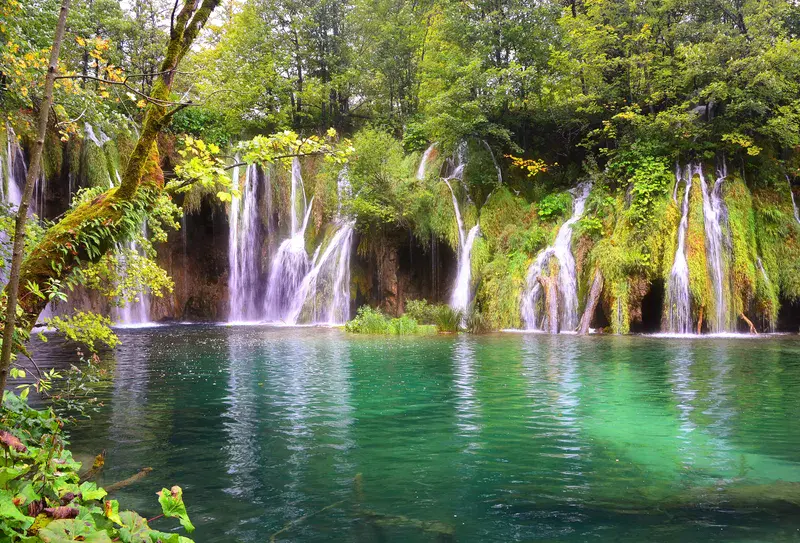
For leisure, Croatia shines. A coffee at a café is about €1.50–€2.50. Cinema tickets run €7–€10. Hiking in national parks is cheap (the Plitvice Lakes entry is ~€40, but shorter local park fees are lower). Gym memberships are around €30–€40 per month. I regularly paid under €50 for 2 tickets to a play or concert.
Average Costs:
• Public Transport:
◦ One-way ticket: €1.40
◦ Monthly pass: €46.41
• Leisure:
◦ Fitness club (monthly): €39.84
◦ Cinema ticket: €7.00
Key Points:
• Public transport is reliable and cost-effective.
• Leisure options support an active, social retirement.
Use our 🔥FIRE CALCULATOR for personalized living and retirement estimates.
4. Is It Expensive to Live in Croatia? Real Cost Analysis
Is It Expensive to Live in Croatia? The Truth About Living Costs
What is the cost of living in Croatia compared to popular retirement destinations? Based on real experience and current 2025 data, living cost Croatia offers exceptional value, but costs vary dramatically by region and lifestyle.
Croatia Living Cost Per Month by Region:
Coastal Cities (Split, Dubrovnik):
- Single person: €800-€1,200/month
- Couple: €1,200-€1,800/month
- Average cost of living in Croatia (coastal) with rent: €1,000/month
Inland Cities (Zagreb, Osijek):
- Single person: €600-€900/month
- Couple: €900-€1,400/month
- Living expenses in Croatia (inland) with rent: €750/month
Small Towns/Rural Areas:
- Single person: €500-€700/month
- Couple: €750-€1,100/month
- Living cost Croatia (rural) with rent: €600/month
Monthly Budget Breakdown: What Does It Really Cost?
Comfortable Retirement Budget (Couple):
- Rent (2BR, nice area): €600-€800
- Groceries: €300-€400
- Utilities: €150
- Transportation: €80
- Healthcare: €100
- Entertainment/Dining: €200
- Total monthly cost: €1,430-€1,730
Luxury Retirement Budget (Couple):
- Rent (premium location): €1,000-€1,500
- Groceries: €500
- Utilities: €200
- Transportation: €150
- Healthcare: €200
- Entertainment/Dining: €400
- Total monthly cost: €2,450-€2,950
5. Healthcare in Croatia for Expats
Croatia’s universal healthcare system, managed by the Croatian Health Insurance Fund (HZZO), ensures quality care for residents. Expats must register for mandatory public insurance (obvezno) unless they’re EU citizens with insurance from another EU country or digital nomads.
Key Features:
• Obvezno Insurance:
◦ Covers doctor visits, hospital stays, and medications.
◦ Estimated cost: €200-300/year (varies by HZZO).
• Safetywing Insurance (SafetyWing):
◦ Covers doctor visits, hospital stays, and medications.
◦ Estimated cost: €53/month (varies by premium).
• Optional Insurance:
◦ Dopunsko: Reduces co-payments for prescriptions and visits.
◦ Dodatno: Private coverage for specialists and extended care.
• Accessing Care:
◦ Family doctors assigned by address; changeable annually.
◦ English-speaking doctors available, though limited (check expat groups or U.S. Embassy lists).
• Costs:
◦ Private specialist visit: €50-100.
◦ MRI/colonoscopy (private): €260.
Key Points:
• Affordable, comprehensive public healthcare.
• Private options enhance flexibility.
• Registration with HZZO is straightforward for residents.
For more information about international insurance, read my 👉International Insurance Handbook.
5. Top Places to Retire in Croatia
Croatia offers diverse retirement locales, from coastal gems to vibrant cities. Below are six top picks for 2025, with cost and lifestyle insights.
Each region has its flavor: Zagreb’s bustling cafés and fairs, coastal towns smelling of sea and pine, and rolling inland hills dotted with vineyards. Where exactly is Croatia on the map? Search: CountryMap This small country is perched on the northeastern corner of the Adriatic, with an impressive 1,800+ km of coastline. It’s no wonder coastal areas like Istria or Dalmatia are so popular for vacation homes, but the quieter inland – cities like Osijek or Varaždin – offers a more affordable, rural pace.
5.1 Split
• Why? Vibrant coastal city with historical charm and island access.
• Cost: 1-bedroom apartment: €695 (expensive area), €531 (normal area).
• Lifestyle: Urban amenities, cultural events, and beach proximity.
5.2 Zagreb
• Why? Safe, affordable capital with lively café culture.
• Cost: Average monthly cost: $1,221.
• Lifestyle: Museums, parks, and urban conveniences.
5.3 Dubrovnik
• Why? Stunning walled city, ideal for luxury seekers.
• Cost: 1-bedroom apartment: ~€800.
• Lifestyle: Tourist-heavy but rich in history and beauty.
5.4 Hvar
• Why? Serene island with Mediterranean charm.
• Cost: 1-bedroom apartment: ~€600.
• Lifestyle: Quiet winters, lively summers; nature-focused.
5.5 Zadar
• Why? Authentic coastal city, less touristy.
• Cost: 1-bedroom apartment: ~€450.
• Lifestyle: Historic sites, relaxed pace.
5.6 Pula
• Why? Affordable, with Roman heritage (amphitheater).
• Cost: 1-bedroom apartment: ~€400.
• Lifestyle: Quiet, with Istrian countryside access.

6. Practical Tools & Next Steps
Getting organized is half the battle. I recommend using an online tools to plan your Croatian retirment. For example, our interactive Fire Calculator allows you to plug in Croatian cost data and estimate the savings needed to retire comfortably (it even adjusts for local taxes and inflation). Combine that with exploring our Country Search tool to compare Croatia with other destinations.
For visa assistance, consider contacting a Croatia visa expert or a lawyer – an hour of advice saved us weeks of confusion. Keep these next steps in mind:
- Visit first: Spend a few months on a tourist stay to learn neighborhoods, before committing.
- Financial prep: Translate and apostille any needed documents (pensions, birth certificates)travel.state.gov.
- Local banking: Opening a Croatian bank account can simplify rent payments and visa bureaucracies (you need an EU bank statement anyway).
- Learn the language: Even basic Croatian helps with bureaucracy and endears you to locals.
- Network: Connect with other expats – they often share sublet opportunities, carpool info, or health referrals.
Croatia has many retirement resources (online communities, Facebook groups, and local expat associations).
Retiring in Croatia offers a blend of Mediterranean charm, affordable living, and a welcoming environment for expatriates. However, understanding the nuances of residency, healthcare, taxation, and daily life is crucial for a smooth transition. This section addresses common questions to help you navigate the practical aspects of settling in Croatia.
From visa regulations and healthcare costs to language considerations and tax obligations, the following FAQs provide insights into the key elements of retiring in Croatia. Whether you're exploring housing options, seeking community connections, or planning your financial future, these answers aim to equip you with the knowledge needed for informed decision-making.
Move to Croatia FAQ
Click any question to expand the answer.
Conclusion
Your Croatian Retirement Awaits
Understanding the true cost of living in Croatia reveals why this Mediterranean paradise ranks among Europe's top retirement destinations. With living costs Croatia averaging 40-60% below Western standards and flexible Croatia visa requirements for retirees, your dream of coastal retirement is more achievable than you might think.
Whether you're drawn to Split's €1,000 monthly budget lifestyle, Zagreb's €800 urban charm, or rural Croatia's €600 countryside tranquility, this guide equips you with real numbers and practical visa strategies. The Croatia retirement visa through prepaid rent offers a legitimate pathway to European living without massive property investment.
Key Takeaways:
- Average cost of living in Croatia: €600-€1,200 monthly depending on location
- Croatia visa cost: €78.30 plus rent/insurance requirements
- Living expenses in Croatia: 40-60% lower than US/Western Europe
- Multiple visa pathways available for different retirement styles
Ready to start planning? Use our Fire Calculator to model your Croatia living cost per month with real data, and explore our Country Search tool to compare Croatia with other retirement destinations. Your affordable European retirement starts with understanding these numbers – and Croatia delivers exceptional value for your retirement dreams.