The Expat Banking Blacklist: 12 Countries Where Americans Can't Open Accounts (2025)

You step off the plane, energized for your new FIRE life in Europe. First mission? Open a local bank account. You stroll into a polished branch, documents ready. But the banker takes one look at your U.S. passport, sighs, and says: “Sorry—we don’t serve Americans.” 🚫
Welcome to the harsh reality of international banking for U.S. citizens. FATCA regulations have made American passports toxic in many financial systems, with some banks flat-out refusing to work with U.S. expats.
This guide dives into 12 countries where Americans face serious banking hurdles—and shows you exactly how to navigate them. From workaround strategies to alternative fintech options, we’ll help you protect your FIRE plans and keep your money moving globally.
Whether you're following the 7 steps to achieve FIRE faster or exploring how Americans can retire overseas successfully, understanding banking restrictions is crucial for your international wealth-building strategy.
Why American Expats Face Banking Restrictions
Before diving into specific countries, let's understand why this blacklist exists. The root cause traces back to FATCA (Foreign Account Tax Compliance Act), implemented in 2010 to combat tax evasion by requiring foreign financial institutions to report American account holders to the IRS.
The Real Cost of FATCA Compliance:
- Banks must implement complex reporting systems (average cost: $50,000-$500,000 per institution)
- Ongoing compliance requires dedicated staff and technology
- Penalties for non-compliance can reach 30% of U.S.-sourced income
- Legal liability for misreporting creates institutional risk
For many smaller banks, especially in emerging markets, these costs simply aren't worth the handful of American clients they might serve. The result? A de facto banking blacklist that affects millions of American expats worldwide.
Financial Impact on Your FIRE Journey:
- Delayed account opening can cost 2-6 months of local investment opportunities
- Higher banking fees (often 2-5x standard rates) in American-friendly banks
- Limited investment product access reduces portfolio diversification
- Currency conversion costs increase by 15-25% without local banking
- Emergency fund accessibility becomes significantly more complex
These delays can push back your FIRE timeline significantly—use our FIRE Calculator to see how banking delays impact your specific goals, and check our FIRE Procrastination Calculator to understand the true cost of postponing your international strategy.

The Complete Banking Blacklist: 12 Countries to Avoid
Tier 1: Complete Banking Lockout 🔒
These countries have virtually no banking options for Americans, making them unsuitable for FIRE strategies requiring local financial infrastructure.
1. Russia
Restriction Level: Complete lockout since 2014
Why It Matters: Even before current geopolitical tensions, Russian banks stopped serving Americans due to sanctions complexity and FATCA compliance costs.
Alternative Solutions:
- Multi-currency accounts through European banks
- Digital banking solutions like Wise or Revolut
- Georgian banks (many serve the Russian market)
For those considering Eastern European alternatives, our Georgia country guide shows how banking accessibility combines with extremely low living costs.
2. Iran
Restriction Level: Complete lockout
Financial Impact: No international banking infrastructure available for Americans, making any FIRE strategy impossible without extensive workarounds.
Workaround Strategy:
- UAE-based banking for regional access
- Cryptocurrency solutions (where legally compliant)
- Third-country banking arrangements
3. North Korea
Restriction Level: Complete lockout
Note: Obviously not a FIRE destination, but worth noting for completeness of international banking restrictions.
Tier 2: Severely Limited Options 📉
These countries have 1-2 banks that might serve Americans, usually with significant restrictions and higher fees.
4. China
Restriction Level: 95% of banks refuse American clients
Available Options: Some HSBC and Citibank branches only
Cost Impact: 3-5x higher fees than local rates
China's banking sector has become increasingly restrictive since 2018, with most domestic banks refusing American clients entirely. The few remaining options require:
- Minimum deposits of $50,000-$100,000
- Proof of local employment or business registration
- Extensive documentation and waiting periods (3-6 months)
Strategic Workaround:
- Hong Kong banking as a gateway (though increasingly difficult)
- Singapore-based accounts for Asian market access
- Digital banking solutions for daily transactions
5. India
Restriction Level: 90% of banks refuse American clients
Available Options: Limited to ICICI Bank and some private banks
Additional Challenges:
- Requires Person of Indian Origin (PIO) card or specific visa types
- Documentation requirements can take 6-12 months to complete
- Banking services limited to basic accounts only
FIRE Impact: India's restrictions significantly limit access to one of the world's fastest-growing markets, potentially costing FIRE seekers 15-20% in annual portfolio growth from missed opportunities.
6. Brazil
Restriction Level: 85% of banks refuse American clients
Available Options: Banco do Brasil and some international banks
Cost Multiplier: 4-6x higher fees than local rates
Brazil's banking sector has become increasingly restrictive, with most domestic banks citing FATCA compliance costs as prohibitive. The remaining options require:
- Temporary or permanent residency status
- Minimum deposits starting at $25,000
- Complex documentation proving income source
Alternative Strategy:
- Uruguayan banking for South American market access
- Argentine banks (more American-friendly)
- Regional digital banking solutions
South America offers excellent FIRE opportunities despite banking challenges. Argentina, for instance, allows comfortable living on $800-$1,200 monthly while providing reasonable banking access.
Tier 3: Difficult but Possible 🏗️
These countries have banking options for Americans, but with significant hurdles, higher costs, and limited services.
7. Japan
Restriction Level: 70% of banks refuse American clients
Available Options: Mizuho, MUFG, and some international banks
Special Requirements:
- Proof of Japanese residence (not tourist visa)
- Japanese guarantor or employer sponsorship
- Minimum 6-month residency requirement
Hidden Costs:
- Account maintenance fees: $50-$100/month
- International transfer fees: 3-5% per transaction
- Limited online banking in English
- Investment product access severely restricted
FIRE Strategy Impact: Japan's banking restrictions can delay your FIRE timeline by 12-18 months due to limited investment options and high transaction costs.
8. South Korea
Restriction Level: 75% of banks refuse American clients
Available Options: KB Kookmin Bank, some branches of international banks
Documentation Requirements:
- Alien Registration Card (requires 90+ day residence)
- Korean tax identification number
- Proof of employment or business registration
Financial Workarounds:
- Establish banking relationship before arrival through U.S. branches
- Use international banks with Korean presence
- Digital banking solutions for day-to-day transactions
9. Indonesia
Restriction Level: 80% of banks refuse American clients Available Options: Bank Mandiri, BCA (limited branches) Unique Challenges:
- Requires Indonesian tax ID (NPWP)
- Minimum deposit requirements: $10,000-$50,000
- Limited English language support
- Restricted access to investment products
Strategic Alternatives:
- Singapore banking for Southeast Asian market access
- Malaysian banks (more American-friendly)
- Digital banking solutions

10. Thailand
Restriction Level: 60% of banks refuse American clients
Available Options: Bangkok Bank, Kasikorn Bank, SCB
Improving Situation: Some banks have started accepting Americans again as of 2024
Current Requirements:
- Tourist visa insufficient; requires long-term visa
- Minimum deposits: $5,000-$15,000
- Letter from U.S. embassy (available for $50 fee)
- Proof of Thai address
FIRE Opportunity: Thailand's banking situation has improved significantly, making it a viable option for geo-arbitrage strategies. Our Vietnam vs Thailand comparison shows how banking accessibility affects your overall FIRE strategy in Southeast Asia.
11. Turkey
Restriction Level: 65% of banks refuse American clients
Available Options: Garanti Bank, some international banks
Political Considerations: Banking restrictions fluctuate with U.S.-Turkey relations
Current Challenges:
- Requires Turkish residence permit
- Documentation in Turkish language
- Limited investment product access
- Currency volatility concerns
Alternative Strategy:
- European banking for regional access
- UAE-based accounts for Middle Eastern exposure
- Digital banking solutions for daily needs
12. Vietnam
Restriction Level: 70% of banks refuse American clients
Available Options: HSBC, Standard Chartered, some local banks
Emerging Market Potential: Situation improving but still restrictive
Current Requirements:
- Temporary residence card (TRC) required
- Minimum deposits: $3,000-$10,000
- Proof of employment or business registration
- Limited English language support

FIRE Advantage: Vietnam's low cost of living makes it attractive for FIRE strategies, despite banking challenges. A monthly budget of $800-$1,200 can support comfortable living while building wealth. For couples pursuing FIRE abroad, understanding banking limitations becomes even more critical—see how one couple navigated these challenges in their 8-year FIRE journey.
Strategic Workarounds for Blacklisted Countries
Multi-Jurisdictional Banking Strategy
Instead of fighting against banking restrictions, smart expats build resilient financial systems across multiple jurisdictions:
Primary Hub Strategy:
- Establish main banking relationship in American-friendly jurisdiction
- Use as hub for international transfers and investments
- Maintain connection to U.S. banking system
Recommended Hub Countries:
- Singapore: Premier banking services, political stability, excellent compliance record
- Hong Kong: Traditional expat banking hub (though increasingly restrictive)
- United Arab Emirates: No personal income tax, excellent banking infrastructure
- Switzerland: Ultimate privacy and stability (higher minimums required)
Digital Banking Revolution
Modern digital banking solutions have revolutionized expat banking, offering alternatives to traditional brick-and-mortar restrictions:
Tier 1 Digital Banks:
- Wise (formerly TransferWise): Multi-currency accounts, excellent exchange rates
- Revolut: Comprehensive banking services, investment options
- HSBC Expat: Designed specifically for international clients
- Charles Schwab International: Investment-focused with global access
Cost Comparison:
Service | Monthly Fee | Transfer Fee | Exchange Rate Markup | Investment Options |
|---|---|---|---|---|
Wise | $0-$10 | 0.5-1% | 0.5% | Limited |
Revolut | $0-$15 | 0.25-0.5% | 0.25% | Stocks, crypto |
HSBC Expat | $25-$50 | 0.25% | 1% | Full brokerage |
Schwab Intl | $25 | 0% | 0.5% | Extensive |
Regional Banking Strategies
European Access:
- Estonia: E-Residency program provides digital banking access
- Lithuania: Fintech-friendly regulations, multiple digital banks
- Portugal: Golden Visa program provides banking access
- Malta: EU access with English language support
European options deserve special consideration. Our Portugal vs Spain comparison and France vs Germany guide show how banking accessibility varies across EU countries. For Mediterranean lifestyle seekers, the Italy vs Greece comparison reveals important banking considerations.
Asian Market Access:
- Singapore: Premier hub for Southeast Asian banking
- Hong Kong: Traditional expat banking center
- Malaysia: American-friendly banking policies
- Philippines: Relatively open banking system
Americas Alternative:
- Panama: Strong banking sector, USD-based economy
- Uruguay: Stable banking system, regional access
- Chile: Excellent banking infrastructure, political stability
- Mexico: Improving banking access for Americans
For those seeking alternatives to traditional retirement destinations, consider Northern Cyprus or explore hidden gem countries that offer both banking accessibility and exceptional value. Our 5 countries that can slash your FIRE age includes several with American-friendly banking policies.
Cost-Benefit Analysis: Banking Restrictions vs. FIRE Goals
Quantifying the Impact
Banking restrictions can significantly impact your FIRE timeline and wealth accumulation:
Direct Costs:
- Higher banking fees: $2,000-$5,000 annually
- Increased currency conversion costs: 1-3% of all transactions
- Limited investment options: 10-20% reduced portfolio diversification
- Delayed account opening: 2-6 months of missed investment opportunities
Opportunity Costs:
- Reduced local investment access: Potential 15-25% annual return reduction
- Limited real estate investment opportunities
- Missed tax optimization strategies
- Reduced emergency fund accessibility
Understanding these costs is crucial whether you're in your 40s pursuing FIRE or recovering from a tech layoff. The banking restrictions can significantly impact your timeline, but proper planning can turn challenges into advantages.
ROI of Banking Solutions
Investment in Professional Banking Setup:
- Legal consultation: $2,000-$5,000
- Banking facilitation services: $1,000-$3,000
- Document preparation and translation: $500-$1,500
- Travel costs for account opening: $1,000-$3,000
Total Investment: $4,500-$12,500
Annual Savings: $5,000-$15,000
ROI Timeline: 6-18 months
Country-Specific Banking Solutions
High-Value Targets Despite Restrictions
Some countries remain attractive for FIRE strategies despite banking challenges:
China Alternative Strategy:
- Hong Kong banking as gateway
- Singapore-based investment accounts
- Digital banking for daily transactions
- Cryptocurrency solutions (where legal)
Japan Workaround:
- Establish relationship through U.S. branches
- Use international banks with Japanese presence
- Digital banking for daily needs
- Investment accounts through Singapore

Brazil Solution:
- Uruguayan banking for regional access
- U.S.-based international accounts
- Digital banking solutions
- Real estate investment through local partnerships
Emerging Opportunities
Several countries are loosening restrictions or improving their banking infrastructure:
Positive Trends:
- Thailand: Gradual reopening to American clients
- Vietnam: Improving infrastructure and English language support
- Malaysia: Consistently American-friendly policies
- Philippines: Stable banking environment
For those considering Southeast Asian FIRE strategies, understanding banking accessibility becomes crucial. Don't overlook opportunities in Slovenia or Croatia, where EU banking access combines with lower living costs.
Tax Implications and FATCA Compliance
Understanding Your Reporting Requirements
Regardless of which country you choose, Americans must comply with extensive reporting requirements:
Key Forms:
- FBAR (FinCEN Form 114): Required for accounts over $10,000
- Form 8938: Required for higher thresholds
- Form 3520: For foreign trust relationships
- Form 5471: For foreign corporation ownership
Compliance Costs:
- Professional tax preparation: $2,000-$5,000 annually
- Penalty risks for non-compliance: $10,000-$100,000+
- Time investment: 20-40 hours annually
Tax Optimization Strategies
Smart expats use banking restrictions as opportunities for tax optimization:
Strategies:
- Foreign Earned Income Exclusion: $120,000 exclusion for 2024
- Foreign Tax Credit: Offset foreign taxes against U.S. liability
- Strategic Timing: Optimize income recognition across jurisdictions
- Investment Structure: Use tax-efficient investment vehicles
Smart expats also consider tax-free retirement havens and avoid digital nomad tax traps. For comprehensive tax optimization strategies, review our FIRE Tax Optimization Playbook.
Building Your Banking Strategy
Step 1: Assess Your Needs
Before choosing banking solutions, evaluate your specific requirements:
Financial Needs Assessment:
- Monthly transaction volume and amounts
- Currency exposure and hedging needs
- Investment and brokerage requirements
- Emergency fund accessibility needs
- Business banking requirements
Consider whether you need banking for traditional employment income or are building remote income streams or side hustle strategies. Your banking needs will vary significantly based on your income structure.
Use our Expat Readiness Quiz to evaluate your banking preparedness.
Step 2: Research Target Countries
Don't let banking restrictions eliminate otherwise excellent FIRE destinations:
Country Evaluation Matrix:
- Cost of living vs. banking difficulty
- Alternative banking solutions available
- Tax implications and treaties
- Visa/residency requirements
- Long-term stability and growth potential
Consider how banking fits into your broader strategy. Are you pursuing Slowmad FIRE with long-term residence, or following digital nomad visa pathways? Your banking needs differ significantly based on your mobility strategy.
Explore potential destinations using our Country Directory and Country Search tools.
Step 3: Develop Multi-Tier Strategy
Build resilient banking infrastructure across multiple jurisdictions:
Tier 1: Primary Hub
- Major international banking center
- Full service banking and investment options
- Strong regulatory environment
- Excellent compliance record
Tier 2: Regional Access
- Local banking in target country (if available)
- Regional banking hub for area access
- Digital banking solutions
- Currency hedging tools
Tier 3: Backup Systems
- U.S. banking relationship maintenance
- Alternative digital banking options
- Emergency fund accessibility
- Cryptocurrency solutions (where legal)
Real-World Success Stories
Case Study 1: Jessica's Japan Journey 🇯🇵
Jessica, a 34-year-old software engineer, faced Japan's banking restrictions when relocating to Tokyo in 2023. Initially rejected by three major banks, she developed a multi-pronged strategy:
Solution:
- Established relationship with Mizuho through U.S. branch
- Used Wise for daily transactions and currency conversion
- Maintained Schwab International for investments
- Opened HSBC Premier account in Hong Kong for regional access
Results:
- Reduced banking costs by 40% compared to single-bank approach
- Maintained full investment access despite local restrictions
- Achieved 22% annual savings rate in her first year
- On track to reach FIRE 3 years earlier than original timeline
Jessica's success demonstrates that banking restrictions don't have to derail your FIRE dreams. Her story mirrors many in our real geo-arbitrage success stories, showing how proper planning overcomes initial obstacles.
Case Study 2: Marcus's Multi-Country Strategy 🌍
Marcus, a 29-year-old digital nomad, needed banking solutions across multiple restricted countries including China, Thailand, and Vietnam.
Solution:
- Singapore-based banking hub through DBS
- Revolut for daily transactions across countries
- U.S. Schwab account for investment management
- Local cash management through money transfer services
Results:
- Seamless banking across 8 countries over 2 years
- Reduced currency conversion costs by 75%
- Maintained 65% savings rate despite travel lifestyle
- Built $150,000 portfolio with global diversification
Marcus's strategy shows how modern banking solutions enable true location independence. His approach aligns with our Rewire Abroad roadmap for building sustainable overseas income while maintaining financial flexibility.
Case Study 3: Jen's Brazilian Real Estate Investment 🏠
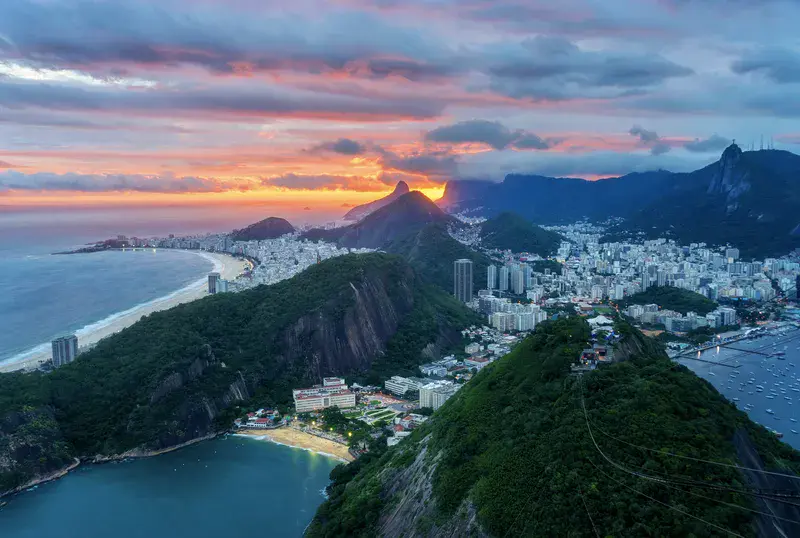
Jen, a 41-year-old teacher, wanted to invest in Brazilian real estate despite banking restrictions.
Solution:
- Uruguayan banking for South American access
- Local partnership for real estate transactions
- Digital banking for property management
- Professional tax structure for investment income
Results:
- Successfully purchased 3 rental properties in São Paulo
- Generated $2,400 monthly passive income
- Achieved 18% annual ROI on real estate investments
- Accelerated FIRE timeline by 5 years
Technology Solutions and Future Trends
Emerging Technologies
The banking landscape continues evolving with new technologies addressing traditional restrictions:
Blockchain Solutions:
- Decentralized finance (DeFi) protocols
- Stablecoins for currency stability
- Cross-border payment solutions
- Smart contracts for automated transactions
AI-Powered Banking:
- Automated compliance monitoring
- Predictive analytics for account management
- Personalized financial product recommendations
- Enhanced fraud detection and prevention
Open Banking:
- API-driven financial services
- Third-party app integrations
- Consolidated account management
- Enhanced transparency and control
Future Outlook
Several trends suggest banking restrictions may ease over time:
Positive Developments:
- Increased competition from digital banks
- Regulatory harmonization efforts
- Technology reducing compliance costs
- Growing expat market demand
Potential Challenges:
- Increased regulatory scrutiny
- Geopolitical tensions affecting banking
- Cryptocurrency regulatory uncertainty
- Enhanced KYC/AML requirements
Advanced Strategies for Sophisticated Expats
Corporate Banking Solutions
High-net-worth expats often use corporate structures to overcome banking restrictions:
Benefits:
- Greater banking access through commercial relationships
- Enhanced privacy and asset protection
- Tax optimization opportunities
- Professional banking services
Ready to Rewire your Life?
Sign up to receive updates and insights.
By submitting your email address, you will receive a free subscription to RA Postcards and special offers from Rewire Abroad and our affiliates. You can unsubscribe at any time, and we encourage you to read more about our Privacy Policy.
Considerations:
- Increased complexity and compliance requirements
- Higher setup and maintenance costs
- Potential controlled foreign corporation (CFC) rules
- Professional management requirements
Trust and Estate Planning
Sophisticated expats use trust structures for banking and asset management:
Advantages:
- Professional trustee banking relationships
- Enhanced asset protection
- Tax optimization across jurisdictions
- Succession planning benefits
For comprehensive estate planning strategies, explore our Global Retirement Tax Havens Guide. Understanding how banking fits into broader wealth preservation becomes crucial as your portfolio grows, especially when considering healthcare costs abroad and overseas health coverage options.
Private Banking Solutions
High-net-worth expats can access private banking services even in restricted countries:
Minimum Requirements:
- $500,000-$1,000,000 investable assets
- Proven income history
- Professional recommendations
- Comprehensive financial documentation
Benefits:
- Personalized banking relationship
- Waived standard restrictions
- Enhanced investment access
- Concierge financial services
Implementation Timeline and Action Steps
Month 1-2: Research and Planning
- [ ] Complete banking needs assessment
- [ ] Research target countries using Country Directory
- [ ] Evaluate visa requirements through Visa Pathways
- [ ] Calculate potential savings with Geo-Arbitrage Calculator
- [ ] Consider climate factors with Climate Migration FIRE Guide
- [ ] Review low-cost retirement destinations
Month 3-4: Solution Development
- [ ] Identify primary banking hub options
- [ ] Research digital banking alternatives
- [ ] Consult with international tax professional
- [ ] Develop multi-tier banking strategy
- [ ] Understand how to maintain U.S. credit score abroad
- [ ] Plan for sending paychecks to brokerage accounts
Month 5-6: Implementation
- [ ] Open primary hub accounts
- [ ] Establish digital banking relationships
- [ ] Set up currency hedging tools
- [ ] Test transaction flows and accessibility
Month 7-12: Optimization
- [ ] Monitor costs and efficiency
- [ ] Adjust strategy based on actual usage
- [ ] Explore additional opportunities
- [ ] Build emergency fund accessibility
- [ ] Consider retirement on $2,000/month strategies
- [ ] Evaluate long-term sustainability of chosen destinations
Common Mistakes to Avoid
Mistake 1: Single-Country Focus
Many expats focus solely on banking in their destination country, missing opportunities for more efficient multi-jurisdictional strategies.
Solution: Develop hub-and-spoke banking model with primary hub in banking-friendly jurisdiction.
Mistake 2: Ignoring Digital Solutions
Traditional thinking leads expats to focus only on brick-and-mortar banking, missing cost-effective digital alternatives.
Solution: Embrace digital banking solutions for daily transactions and currency conversion.
Mistake 3: Inadequate Compliance Planning
Underestimating U.S. tax reporting requirements can lead to substantial penalties and complications.
Solution: Invest in professional tax guidance and compliance systems from the beginning.
Mistake 4: Insufficient Emergency Planning
Failing to maintain accessible emergency funds can create serious problems during crises.
Solution: Maintain emergency fund access through multiple channels and jurisdictions.
Mistake 5: Overlooking Investment Access
Focusing solely on banking without considering investment access can limit wealth-building opportunities.
Solution: Prioritize banking solutions that provide comprehensive investment access.
Conclusion: Turning Banking Restrictions Into Opportunities
While banking restrictions create challenges for American expats, they also create opportunities for those who understand the system. The 12 countries on this blacklist don't have to derail your FIRE dreams—they simply require more sophisticated strategies.
Key Takeaways:
- Banking restrictions affect 40-80% of banks in target countries
- Multi-jurisdictional strategies reduce costs by 40-75%
- Digital banking solutions provide excellent alternatives
- Professional setup investment pays for itself within 6-18 months
- Proper planning can actually accelerate your FIRE timeline
Your Next Steps:
- Assess your banking needs using our Expat Readiness Quiz
- Calculate your FIRE timeline with our FIRE Calculator
- Explore geo-arbitrage opportunities with our Geo-Arbitrage Savings Calculator
- Research target countries through our Country Directory
Don't let banking restrictions become excuses for inaction. As our Latte Myth analysis shows, the biggest threat to your FIRE dreams isn't small expenses—it's procrastination. Every day you delay costs you compound growth opportunities. Start building your international banking strategy today, and turn these challenges into competitive advantages on your path to financial independence abroad. 🚀
The world is full of opportunities for those prepared to seize them. Your American passport may create banking challenges, but with the right strategy, it can also open doors to global wealth-building opportunities that domestic-only investors will never access. The question isn't whether you can overcome banking restrictions—it's whether you're ready to build the sophisticated financial infrastructure that will accelerate your FIRE journey beyond what's possible in any single country.
Remember: Every day you procrastinate costs you money. Use our FIRE Procrastination Calculator to see exactly how much delay costs your financial independence. Then take action to build the international banking strategy that will get you there faster than you ever imagined possible.
Adonis Villanueva
Adonis Villanueva is a cloud architect, technologist, and founder of RewireAbroad, a platform dedicated to helping people navigate international living through data-driven insights and relocation tools. His work focuses on geoarbitrage, visa pathways, taxes, healthcare, and financial optimization for people seeking better opportunities abroad.
Rewire Abroad
Why I Send My Paycheck Straight to a Brokerage Account (And You Might Want to Too)
Discover how sending your paycheck directly into a brokerage account makes your money work harder for you, and tap margin loans for living expenses.

Living in Georgia (Country) in 2026: The Complete Expat Guide
Live in Georgia (the country) from $600/mo: 365-day visa-free stay, 1% income tax, and expat life in Tbilisi. Complete 2026 guide.
Unlock Global Freedom: Your Guide to Digital Nomad Visas (Even Without a 9-to-5)
Unlock global living! Learn how Digital Nomad Visas offer freedom for Americans, even with freelance or passive income. Requirements & top countries.