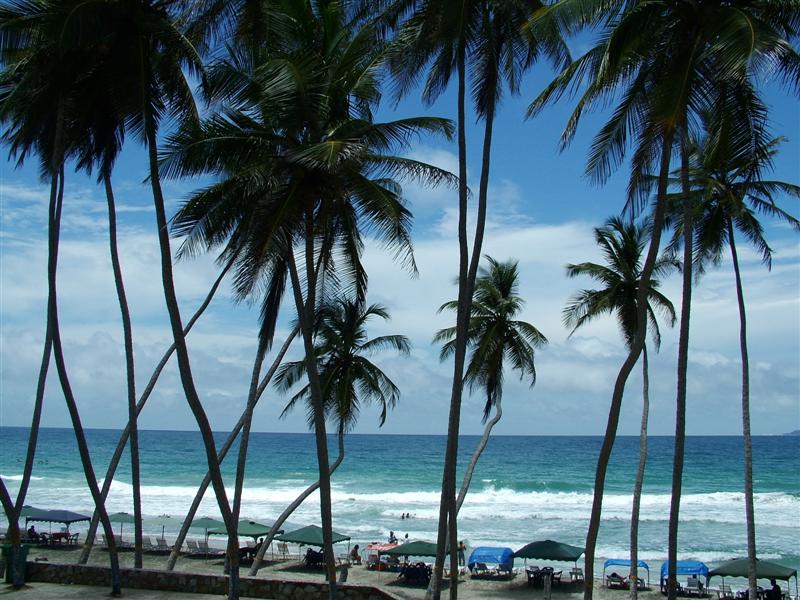
Isla de Margarita rises from the Caribbean Sea off Venezuela's northeastern coast, a low-lying island with an arid climate and an elevation of just 30 meters above sea level. The island's main draw for expats is its affordability and the relaxed pace of life, with most foreigners gravitating toward the coastal town of Pampatar, known for its marina, restaurants, and easy access to beaches. The island's population of roughly 490,000 spreads across the main urban centers and smaller fishing villages, but Pampatar remains the de facto expat hub, offering a small but welcoming community. With an average internet speed of 8 Mbps, it is not a place for heavy remote work, but for those seeking sun, sea, and a low-cost lifestyle, the island delivers.
Living on Margarita is remarkably inexpensive by North American standards, with a cost of living index of 32 out of 100 compared to New York City. A single adult can get by on roughly $384 per month including rent, while a more comfortable budget runs about $876 per month. Rent for a one-bedroom apartment in the city center averages $300 per month, dropping to $180 outside the center; a three-bedroom in the center costs around $500, and outside the center it is $350. Utilities run about $30 monthly, internet $40, and a mobile plan $15, while a gym membership is $50. Eating out is cheap, with an inexpensive restaurant meal at $10, though a three-course meal for two at a mid-range spot will set you back $80, and a cappuccino costs $3. The local average monthly net salary is $350, which puts expat budgets in perspective, but for those earning in dollars or euros, the island offers a comfortable margin.
Safety is a genuine concern on Margarita, reflected in a safety index of 30 out of 100 and a crime index of 70, meaning crime rates are high. Expats should exercise caution, avoid flashing wealth, and stick to well-trafficked areas, especially at night. Healthcare quality is rated as poor, so for anything beyond basic needs, travelers and residents often plan to seek treatment on the mainland or abroad. The island does have a small expat community, and English is common in tourist areas, which helps newcomers navigate daily life, but serious medical emergencies may require evacuation.
For those considering a longer stay, Venezuela's Rentista Visa is the main path, requiring a minimum monthly income of $1,200. This visa is designed for retirees or those with passive income, and it is a straightforward option for expats who can prove that level of earnings. Getting to the island is easy via the nearest airport, PMV, located just 9 kilometers from the main areas. Margarita suits budget-conscious travelers, retirees on a fixed income, and those who prioritize low living costs over modern infrastructure or high-speed internet. It is not ideal for digital nomads needing reliable connectivity or for those seeking top-tier healthcare, but for anyone willing to adapt to the island's pace and quirks, it offers an affordable slice of Caribbean life.