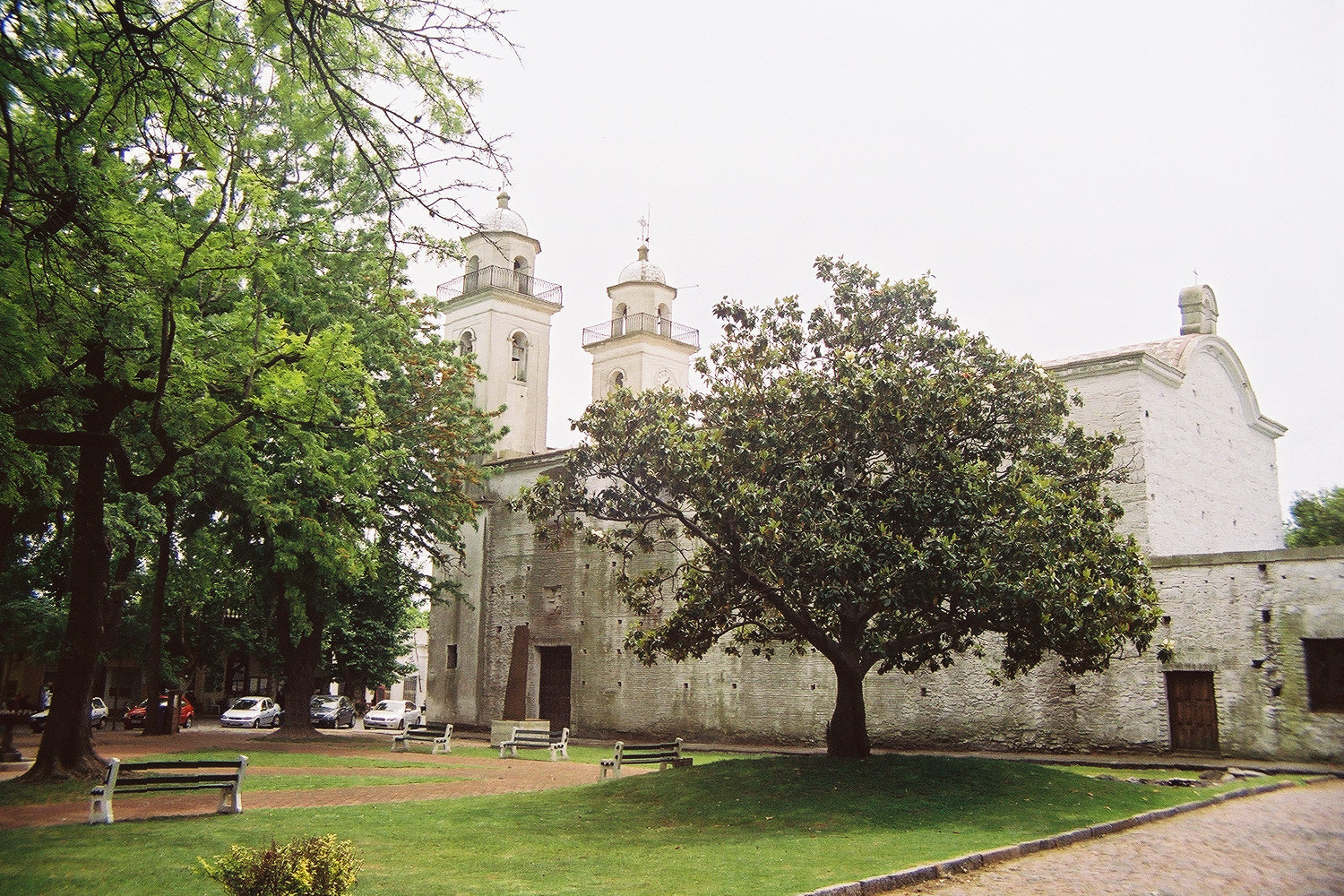
Colonia, Uruguay Hero Image
Wikipedia Contributor, CC BY-SA

Colonia, Uruguay

🌊 Coastal

Data updated Oct 8, 2026

Follows Uruguay Residency Rules. Check Digital Nomad & Retiree Pathways →

📊 Scores

86
FIRE
71
Retiree
63
Digital Nomad

Best fit: FIRE / Geoarbitrage (score: 84)

Colonia, Uruguay, sits on the Rio de la Plata, just a short ferry ride from Buenos Aires, at an elevation of 27 meters above sea level. Its subtropical climate brings mild winters and warm, humid summers, making it pleasant for year-round strolling along the historic waterfront. The expat community is small, and most newcomers gravitate toward the Old Town with its cobblestone streets and colonial architecture, or the waterfront area for its river views and relaxed pace. With a population of just 26 thousand, Colonia feels intimate, a place where you quickly recognize familiar faces at the local cafes and markets.

Living here is remarkably affordable, especially when compared to regional capitals. A one-bedroom apartment in the city center rents for $608/mo, while the same outside the center costs $467/mo. For families or those wanting more space, a three-bedroom in the center runs $1,149/mo, dropping to $991/mo further out. A single adult can live on a budget tier total of $664/mo, though a mid-range tier total comes to $1,122/mo, and a comfortable tier total reaches $1,510/mo. Excluding rent, monthly expenses for one person average $650/mo, with utilities at $125/mo, internet at $39/mo, a mobile plan at $19/mo, and a gym membership at $41/mo. A meal at an inexpensive restaurant costs $16, a three-course meal for two at a mid-range spot is $75, and a cappuccino runs $6. The average monthly net salary locally is $850/mo, which means many expats live on savings, remote income, or pensions rather than local wages.

Safety is a strong point here, with a safety index of 75/100 and a crime index of just 25/100, where lower is safer. Walking alone at night through the Old Town feels comfortable, and petty theft is uncommon. Healthcare quality is rated as good, with clinics and a hospital serving the town, though for specialized care residents often travel to Montevideo. The air quality index is 35, lower being better, so the air is clean and fresh, especially near the river. English proficiency is limited, so learning Spanish goes a long way in daily interactions, from grocery shopping to chatting with neighbors.

For those looking to stay long-term, Uruguay offers the Uruguay Retirement Visa, which requires a minimum monthly income of $1,500/mo, and the Digital Nomad Permit for remote workers. The nearest airport is CYR, just 7 km away, making arrivals easy. Colonia suits retirees and FIRE enthusiasts particularly well, with a retiree score of 71/100 and a FIRE score of 86/100, while the overall expat score sits at 84/100. Digital nomads will find a decent but not perfect setup, with a score of 63/100, an average internet speed of 35 Mbps, and a small but welcoming community. If you crave a quiet, safe, and affordable base with a touch of history, Colonia delivers without pretension.
Estimate the cost of moving to Colonia, Uruguay

Get a free moving cost estimate for moving to Colonia, Uruguay. Takes 10 seconds.

How much are you shipping?

When are you moving?

Powered by Sirelo. Free quotes from international movers.

🏚️ Cost of Living

💰 Budgets and Costs

$1,160/mo, one person, rent included
Selected: mid-range lifestyle

Colonia on a mid-range budget comes to about $1,160 a month for one adult, with $467 of that going to rent. Beyond rent the estimate covers $220 on groceries, $162 on dining out, $129 on entertainment and lifestyle and $182 on utilities and connectivity.

Rent

$467/mo

1BR outside the centre

Groceries

$220/mo

Staples basket scaled to a full month

Dining out

$162/mo

10 inexpensive meals

Entertainment & lifestyle

$129/mo

gym, 2 cinema trips, 12 cappuccinos

Utilities & connectivity

$182/mo

utilities, mobile, internet

Budgets (excl. rent)

Single person$693/mo

Excludes rent. The total above is all-in, rent included.

Estimates for one adult, built from this city's average prices and the usage shown for each tier. Your spending will differ with how often you eat out and where you live.

A 1BR in the center runs about $608.33/mo. If your income is in another currency, bank FX fees add up. A multi-currency account can cut that cost.

See low-fee transfers

We may earn a commission at no cost to you.

See how Colonia's cost of living compares with Durazno

Be the first to report costs in Colonia

Share

🛡️ Safety & Crime

75
Safety Index

(Higher is safer)

25
Crime Index

(Lower is safer)

Colonia is genuinely one of Uruguay's safest towns, with a relaxed, walkable atmosphere day and night. The historic center feels secure for solo walks even after dark, and locals are accustomed to expats. The small population and tight-knit community create natural informal policing. Compared to its reputation as a charming colonial destination, the safety reality matches the hype—it's legitimately low-crime.

Petty theft and opportunistic bag-snatching occur occasionally, particularly near the ferry terminal and tourist areas, but violent crime is rare. Avoid displaying expensive jewelry or electronics. Solo female travelers report feeling safe, though standard precautions apply. The main risk is complacency; Colonia's safety can lull residents into leaving homes or cars unlocked, which invites theft. Scams targeting tourists are minimal compared to larger cities.

Uruguay has stable governance, low corruption, and reliable police—Colonia benefits from this national stability. Political protests are rare and typically peaceful. The police presence is visible but unobtrusive. For an American considering relocation, Colonia presents minimal geopolitical risk and strong institutional reliability. The verdict: this is a genuinely safe choice for remote workers or retirees seeking a quiet, secure base with European charm and minimal crime concerns.

🏥 Healthcare

Good
Public Hospitals
Yes
Private Clinics
Yes
English-Speaking Doctors
Limited

See how Colonia's healthcare compares with Durazno

🌤️ Climate

Climate Zones
Subtropical
Summer Temp
24°C
Winter Temp
11°C
Humidity
75%
Air Quality Index
35
Annual Rainfall
862 mm

Best Months

AprMaySepOct

Climate Notes

Colonia enjoys a temperate subtropical climate with mild winters (June-August around 11°C) and warm summers (December-February around 24°C), moderate humidity, and relatively low pollution, making it comfortable year-round for expats.

💻 Digital Nomad

Avg Internet Speed
35 Mbps
Internet (monthly)
$39/mo
Coworking Availability
Limited
Coworking Spaces Nearby
0
Digital Nomad Score
63/100

Community Notes

Colonia is a charming, historic port town with a peaceful pace for nomads.

Coworking Spaces

NameNotes
Cowork Café ColoniaA relaxed and friendly coworking cafe in the heart of Colonia del Sacramento, offering a mix of workspace and cafe atmosphere. It's ideal for digital nomads looking for a social environment and is located near the historic district.
Colonia CoworkLocated close to the city center, Colonia Cowork provides a dedicated workspace with reliable internet and a quiet atmosphere. It's a good option for those needing a more focused environment.

Names, locations and hours can change. Check each space's website before you visit. Places from © OpenStreetMap contributors and Foursquare Open Source Places (Apache 2.0).

Working remotely from Colonia? Nomad health insurance covers you across borders, month to month.

See nomad insurance

We may earn a commission at no cost to you.

See how Colonia's digital nomad life compares with Durazno

🧳 Expat Life

English Proficiency
Limited
Expat Community
Small
Top Neighborhoods
Old Town, waterfront
Banks Nearby
5
ATMs Nearby
3

Expat Life Notes

Gateway to the South. safe and beautiful.

Pros

  • ✓ Historic charm
  • ✓ Stunning coast
  • ✓ Inexpensive

Cons

  • ✗ Requires Spanish
  • ✗ Quiet in winter
  • ✗ Isolated

🏘️ Neighborhoods in Colonia

Areas of Colonia that expats often consider.

Conditions can change from one block to the next, and these descriptions are general guides, not safety assessments. Before choosing where to stay or live, check current travel advisories, talk to people who live there, and visit in person if you can.

Barrio Histórico (Old Town)

Historic charm, tourist hub

The heart of Colonia, a UNESCO World Heritage site. Cobblestone streets, historic buildings, restaurants, and shops cater to tourists. Expect higher prices and more noise, but unparalleled access to history and culture. Very walkable.

Real de San Carlos

Quiet residential, historic remnants

Located a few kilometers from the city center, Real de San Carlos offers a more relaxed atmosphere. It's known for its abandoned bullring and horse racing track. Requires a car or bus for frequent trips into Colonia del Sacramento.

Centro (City Center)

Lively commercial, convenient location

The modern city center outside the historic district. Offers a mix of shops, restaurants, and services catering to locals and tourists. More affordable than the Barrio Histórico, with good bus connections. Can be noisy during peak hours.

Balneario Santa Ana

Beachfront, relaxed, seasonal

A beachside area a short drive from Colonia. Quieter and more residential, with a focus on outdoor activities. More appealing during the warmer months; some businesses close during the off-season. Requires a car for easy access to amenities.

Page 1 of 2

Could living/working in Colonia cut years off your work life?

With a 1-bedroom in the center at $608/mo, your FIRE number here might be much lower than you think.

Calculate My FIRE Date →

🛂 Visa Options for Uruguay

Many long-stay visas require proof of health insurance. Compare international health plans before you apply.

Compare health insurance

We may earn a commission at no cost to you.

🛂

Earning over $1,500/mo? You may qualify for a Uruguay visa.

Answer 11 questions and get a personalized match in under 2 minutes.

Find My Visa →

More Cities to Consider instead of Colonia

FAQ

Frequently Asked Questions about Colonia

Click any question to expand the answer.

Colonia has a population of approximately 26,231 people.
A single person can expect to spend around $1,521 per month in Colonia, including rent. A 1-bedroom apartment in the city center costs approximately $608/month.
The nearest airport to Colonia is CYR, approximately 6.9km away.
Colonia is considered relatively safe, with a safety index of 75.0. As with any city abroad, expats should research specific neighborhoods before committing to a location.
Colonia has an average internet speed of 35 Mbps. It is considered a well-established digital nomad destination.
Internet is reliable enough for remote work (fiber available in city center), but coworking spaces are minimal. Most digital nomads work from cafés or home. Buenos Aires, 45 minutes away by ferry, has better infrastructure if you need it regularly.
The cost of living in Colonia is $650 per month without rent, which may be relevant for income requirements, but the current data does not include specific residency process details or requirements.
Rent varies, but expect to pay around $500-$800 USD per month for a one-bedroom apartment in a decent area like Barrio Histórico. Outside the historic center, you might find options closer to $400-$600 USD. Prices are often negotiable, especially for longer leases.
Healthcare is generally good, with both public and private options. While not all doctors speak fluent English, you can find some, especially in private clinics. Having a local health insurance plan (mutualista) is highly recommended for cost-effective care.
Colonia has a subtropical climate. The monthly cost of living for one person without rent is $650.
Colonia has a walkability score of 60, so it is moderately walkable, especially in the historic center. Buses and taxis are available for longer trips, but a car can be useful for exploring the surrounding countryside.
Colonia has a growing expat community, though it's smaller than in Montevideo or Punta del Este. You'll find a mix of retirees and digital nomads, and there are informal gatherings and social groups. Facebook groups are a good way to connect.
Budget-conscious expats should look outside the historic center, such as Real de San Carlos or near the bus terminal, where 1BR apartments rent for about $606 per month. These areas are close to amenities and have a safety index of 75.
Groceries are generally affordable, especially if you shop at local markets. Eating out can range from budget-friendly to moderately expensive, with a typical meal costing between $10-$25 USD. Look for the 'menu ejecutivo' (executive menu) at lunchtime for good deals.
As a US citizen, you're still required to file US taxes even when living abroad. The Foreign Earned Income Exclusion (FEIE) can help you exclude a certain amount of your foreign-earned income from US taxes. Also, be aware of FBAR reporting requirements for foreign bank accounts.
Services like Wise (formerly TransferWise) and Remitly are popular for international money transfers. ATM fees can be high, so it's best to withdraw larger amounts at once. Banco República is a common bank with ATMs throughout the city.
Colonia has a relaxed pace of life with a siesta culture and slower rhythm, supported by a walkability score of 60 and a high safety index of 75. The monthly cost for one person without rent is $650, reflecting a low-stress lifestyle.
Yes, $2000 per month is more than enough for a single person in Colonia. Rent for a 1-bedroom in the city center plus monthly expenses total about $1256, leaving over $700 for discretionary spending.
Internet speeds in Colonia are generally reliable, but not always blazing fast. You can expect speeds sufficient for video calls and most remote work tasks. Check with your landlord or internet provider for specific speeds in your area. Fiber optic is becoming more common.
Uruguayans are generally very friendly and welcoming. Politeness and respect are highly valued. Be prepared for a more relaxed approach to timekeeping and a greater emphasis on personal relationships. Learning some basic Spanish phrases will go a long way.
Colonia is generally a safe city, but like anywhere, it's wise to be aware of your surroundings. Avoid walking alone late at night in poorly lit areas. Petty theft can occur, so take precautions with your belongings, especially in crowded areas.
Yes, you can open a bank account as a foreigner, but it requires some paperwork. You'll typically need your passport, proof of address, and potentially a letter from your bank in your home country. It's best to visit a bank branch in person to inquire about the specific requirements.

Share This Guide