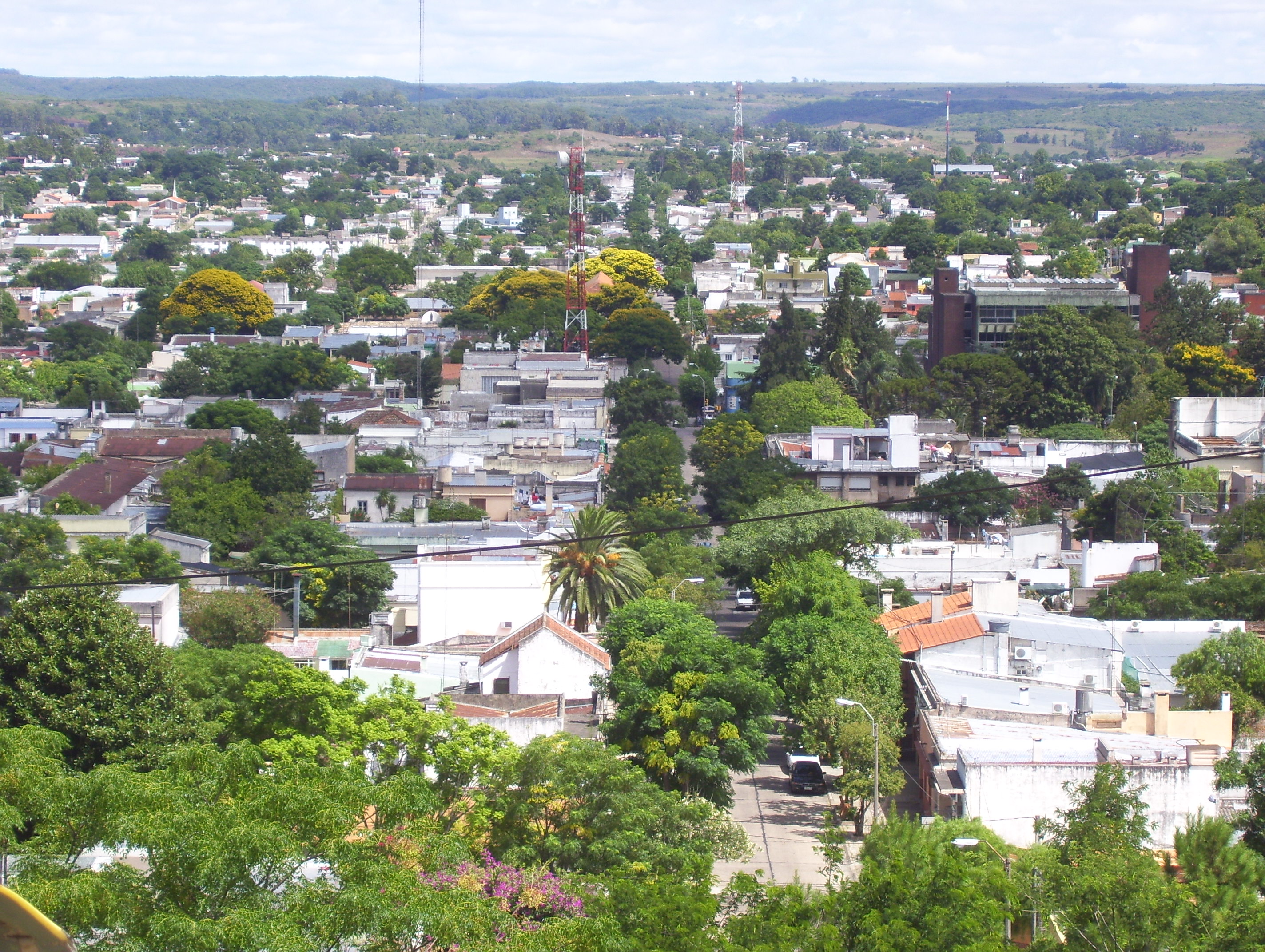
Duty-free shopping drives Rivera's economy—Brazilian shoppers cross daily to buy imported goods at 40% discounts, with a $300 per-person limit fueling retail and hospitality. Beyond that, livestock farming, agriculture, and afforestation sustain the wider department. The casino on the border avenue and integrated border post (Siñeriz Shopping, 2016) add service-sector jobs. Most expats here work remotely or run online businesses; local employment is thin unless you're in retail or agriculture.
One-bedroom rent runs $320/month in the center—genuinely cheap. Spanish and Portuguese mix here (locals speak Uruguayan Portuguese with Spanish influence), so English gets you nowhere; plan to learn both or accept isolation. Healthcare is decent but limited; serious issues mean traveling to Montevideo (5+ hours). Bureaucracy is Uruguayan-standard: slow but predictable. No physical border with Santana do Livramento across the street means constant Brazilian foot traffic and a genuinely binational feel.
Humid subtropical climate brings hot summers and mild winters. Food is meat-heavy (asado culture) with Brazilian influence creeping in. The expat community is tiny—mostly remote workers and retirees. Weekends mean the casino, cross-border shopping trips, or day visits to Santana do Livramento's slightly larger amenities. Rivera suits remote workers seeking extreme affordability and a genuinely bicultural experience, not those needing English-speaking social infrastructure or career growth.
Estimate the cost of moving to Rivera, Uruguay
Get a free moving cost estimate for moving to Rivera, Uruguay. Takes 10 seconds.
How much are you shipping?
When are you moving?
Powered by Sirelo. Free quotes from international movers.
🏚️ Cost of Living
A 1BR in the center runs about $320/mo. If your income is in another currency, bank FX fees add up. A multi-currency account can cut that cost.
Rivera is genuinely safe for daily life, with a relaxed small-city atmosphere that feels secure even after dark. Walkability is good in central areas, and locals move around freely without visible tension. The city lacks the urban crime pressures of Montevideo, making it comfortable for expats accustomed to moderate-sized American towns. Most residents and expats report feeling at ease here.
Petty theft and opportunistic robbery exist but are uncommon compared to larger Uruguayan cities. Avoid displaying expensive electronics or jewelry in public, and use standard urban awareness at night. The main risks are pickpocketing in crowded markets and occasional car break-ins rather than violent confrontation. Solo female travelers generally report no specific safety concerns beyond normal precautions.
Uruguay has stable governance and reliable police presence; Rivera benefits from this institutional strength. Corruption is low by regional standards, and political instability is not a concern. The city's proximity to the Brazilian border brings some trafficking activity, but this rarely affects residents in residential or commercial zones. For an American considering relocation, Rivera presents a genuinely safe option with minimal geopolitical risk.
🏥 Healthcare
Good
Public Hospitals
Yes
Private Clinics
Yes
English-Speaking Doctors
Limited
See how Rivera's healthcare compares with Mercedes
🌤️ Climate
Climate Zones
Subtropical
Summer Temp
24°C
Winter Temp
10°C
Humidity
72%
Air Quality Index
45
Annual Rainfall
1460 mm
Best Months
AprMaySepOct
Climate Notes
Rivera has a humid subtropical climate with warm, wet summers (December–February) and mild winters, offering pleasant spring and autumn seasons ideal for outdoor activities.
💻 Digital Nomad
Avg Internet Speed
37 Mbps
Coworking Availability
Limited
Coworking Spaces Nearby
0
Digital Nomad Score
66/100
Community Notes
A quiet border city with friendly locals and budding coworking opportunities.
Located in a business-friendly area, this coworking space offers a professional environment with various amenities. It's a good option for those seeking a structured workspace with reliable internet and meeting rooms.
A smaller, independent coworking space offering a more community-focused vibe. It's a good option for those looking to connect with other professionals and enjoy a relaxed atmosphere.
See how Rivera's digital nomad life compares with Mercedes
🧳 Expat Life
English Proficiency
Common in Tourist Areas
Expat Community
Small
Top Neighborhoods
Centro
Banks Nearby
6
ATMs Nearby
2
Expat Life Notes
A border city with Brazil. It has a unique mix of cultures but limited expat infrastructure.
Pros
✓ Bilingual culture
✓ Low cost of living
Cons
✗ Safety risks at the border
✗ Very isolated
✗ Limited nightlife
🏘️ Neighborhoods in Rivera
Areas of Rivera that expats often consider.
Conditions can change from one block to the next, and these descriptions are general guides, not safety assessments. Before choosing where to stay or live, check current travel advisories, talk to people who live there, and visit in person if you can.
Centro
Bustling commercial and civic heart
The city center is where you'll find shops, restaurants, government buildings, and the main plaza. It's walkable and well-connected by public transport, but can be noisy and crowded. Good for those who want to be in the middle of everything, but less ideal for those seeking peace and quiet.
Barrio Mandubí
Quiet residential family neighborhood
A more residential area, Barrio Mandubí offers a quieter pace of life. It's further from the city center, so a car or reliance on public transport is necessary. This area is mostly populated by local families and offers a more authentic Uruguayan experience, but less English is spoken.
Cerro del Marco
Scenic views, peaceful residential area
Located on a hill overlooking the city, Cerro del Marco offers stunning views and a tranquil atmosphere. It's a more upscale residential area with larger homes. While beautiful, it's less walkable and requires a car for most errands. Limited English spoken.
Sarandí
Historic charm, local culture
Sarandí offers a blend of historic buildings and local shops. It's a more traditional neighborhood with a strong sense of community. While walkable, it may lack some of the modern amenities found in the city center. Some English spoken in tourist-oriented businesses.
Tres Cruces
Transport hub, commercial activity
While technically a neighborhood in Montevideo, the Tres Cruces bus terminal is a major transit point for travel to/from Rivera. Staying near the terminal in Rivera offers easy access to other parts of Uruguay and Brazil. Expect noise and traffic, but also convenience. Some English spoken due to international travelers.
Page 1 of 2
Could living/working in Rivera cut years off your work life?
With a 1-bedroom in the center at $320/mo, your FIRE number here might be much lower than you think.
Rivera has a population of approximately 84,775 people.
A single person can expect to spend around $800 per month in Rivera, including rent. A 1-bedroom apartment in the city center costs approximately $320/month.
The nearest airport to Rivera is MVD, approximately 440km away.
Rivera is considered relatively safe, with a safety index of 74.0. As with any city abroad, expats should research specific neighborhoods before committing to a location.
Rivera has an average internet speed of 37 Mbps. It is considered a well-established digital nomad destination.
You may get by in tourist areas, where English is common, but Rivera has a small expat community and a safety index of 74, so you will need at least basic Spanish and some Portuguese for daily life outside those zones.
Yes. The open border since 1851 means no checkpoints for residents. Safety index is 74 (moderate). Brazilians cross for shopping; locals cross for services. Standard urban precautions apply, but it's genuinely integrated.
Virtually nonexistent for local employment. Remote work is the default. Retail and hospitality exist but are low-wage and competitive. Most expats here are digital nomads, freelancers, or retirees living on external income.
A single expat in Rivera can live on about $770 per month, based on $450 for other expenses and $320 for a one-bedroom apartment in the city center. This total is well under the $1200-$1800 range often cited for other Uruguayan cities.
Uruguay offers several residency options for Americans retiring in Rivera, including a retirement visa requiring proof of stable monthly income. The cost of living in Rivera is low at $450 per month, and a one-bedroom apartment in the city center rents for $320, making it an affordable retirement destination. Consult a local immigration lawyer for the most up-to-date visa requirements.
While English isn't widely spoken in Rivera's medical community, you can find some doctors with basic English skills, especially in private clinics. It's advisable to learn basic Spanish or Portuguese phrases for medical appointments, or bring a translator.
The central areas like near Plaza Artigas are generally considered safe and convenient. For a quieter, more residential feel, look at neighborhoods slightly further out, but ensure they have good transport links to the city center.
Rivera has a humid subtropical climate with four distinct seasons. Summers (December-February) are hot and humid, while winters (June-August) are mild. Pack for all types of weather, including light layers for summer and warmer clothing for winter evenings.
Internet connectivity in Rivera is generally reliable, with decent speeds suitable for most remote work tasks. You can expect download speeds of 20-50 Mbps, sufficient for video calls and online work. Check with your landlord or internet provider about specific speeds in your area.
Coworking spaces are limited in Rivera, but some cafes offer reliable Wi-Fi and a comfortable working environment. Explore cafes near the city center and ask about their internet speeds before settling in for a work session.
Opening a bank account in Uruguay as a foreigner requires some paperwork, including proof of residency and income. It's best to visit several banks and inquire about their specific requirements, as they can vary. Banco Republica is a common choice.
As a US citizen, you're still required to file US taxes even when living abroad. You may be able to exclude a significant portion of your income using the Foreign Earned Income Exclusion (FEIE) or claim the Foreign Tax Credit. Consult with a tax professional specializing in expat taxes.
Services like Wise (formerly TransferWise) and Remitly offer relatively low fees and competitive exchange rates for international money transfers. Check the fees and exchange rates before initiating a transfer, as they can fluctuate.
Rivera is a strong option for early retirement on a limited budget. With a 1BR apartment in the city center costing $320 per month and total monthly expenses around $770, a monthly income of $1,000 to $1,500 USD would provide a comfortable lifestyle. English is common in tourist areas, though the expat community remains small.
Rivera has a decent public bus system that connects most parts of the city. Taxis are also readily available and relatively affordable. Walking is a good option for getting around the city center, but distances can be long.
The expat community in Rivera is relatively small compared to larger cities in Uruguay. Online forums and Facebook groups for expats in Uruguay can help you connect with others in the region. Consider joining local social groups to meet people.
Be sure to try the traditional Uruguayan asado (barbecue) at a local parrilla. Chivito (steak sandwich) is another popular dish. Explore restaurants in the city center for authentic Uruguayan cuisine at reasonable prices.
Cost-of-living and visa updates for Rivera and the rest of Uruguay. Free with RA Postcards.
By submitting your email address, you will receive a free subscription to RA Postcards and special offers from Rewire Abroad and our affiliates. You can unsubscribe at any time, and we encourage you to read more about our Privacy Policy.