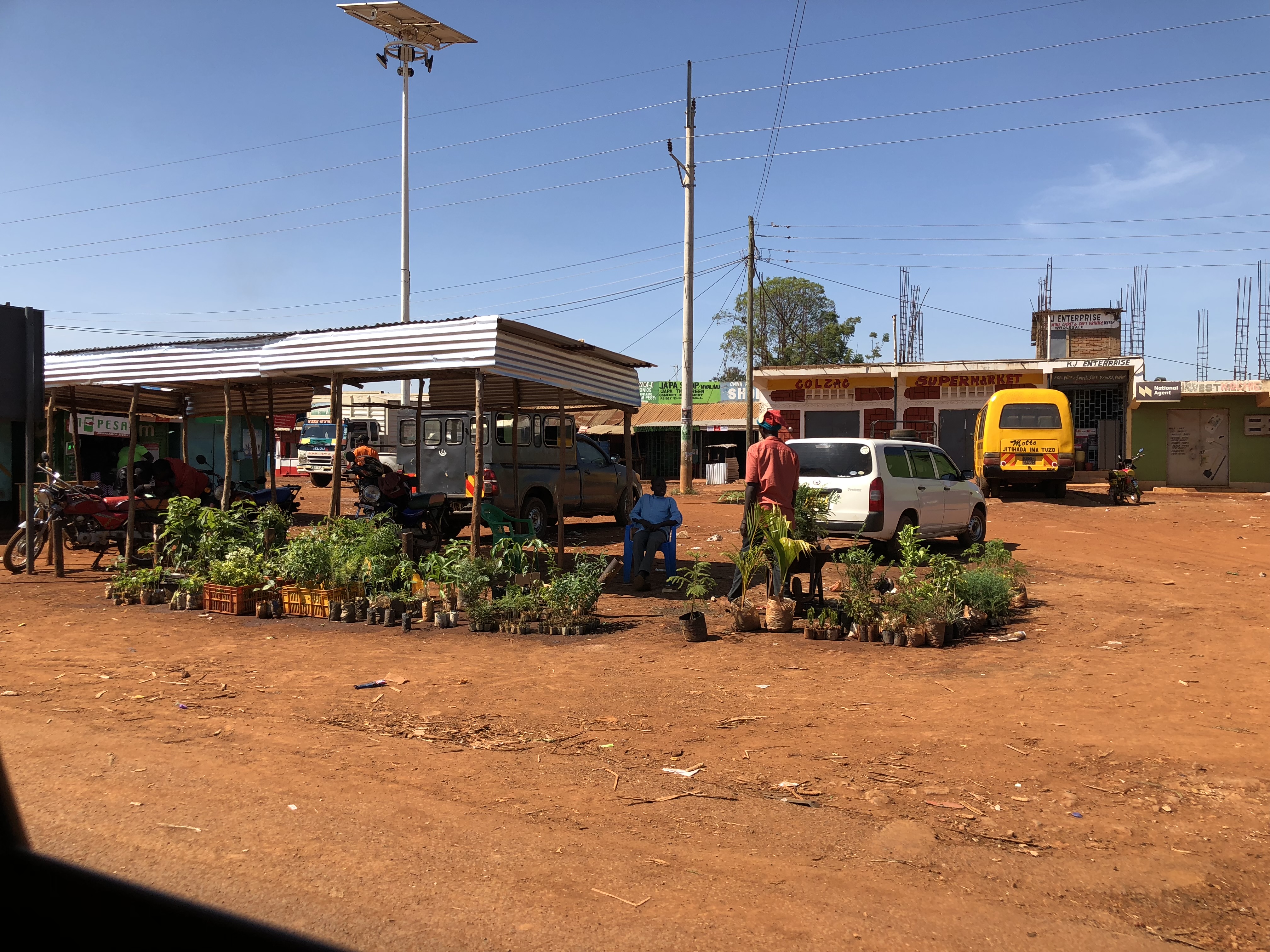
Busia, Uganda
Data updated Oct 9, 2026
📊 Scores
Best fit: Retiree (score: 19)
Busia's economy revolves entirely around the Uganda-Kenya border crossing. The town processes roughly 900 vehicles daily, with $220 million in annual exports flowing through. Employment here means trucking, customs brokerage, freight forwarding, small trading, or running guesthouses and restaurants for transit workers. There's no manufacturing, no tech sector, no tourism draw—just logistics. If you're not in the border business, there's no real job market.
Rent runs $200–400/month for a decent two-bedroom; basic utilities add another $30–50. Transport is cheap (matatus everywhere, $0.50 rides), but the road to Kampala is rough and takes 4+ hours. Healthcare is thin—serious issues require Kampala or Nairobi. English works fine in business circles, but Luganda and Swahili help. Bureaucracy is standard Uganda: slow, paper-heavy, occasional bribes expected. Internet is spotty; power cuts happen weekly.
The climate is warm and humid year-round; rain comes April–May and September–November. Food is basic—matoke, beans, posho, occasional meat—with little variety. Social life centers on bars and truck stops; the expat community is tiny and transient. Weekends mean trips to Tororo or Kampala for anything resembling leisure. Busia suits only those with direct border-trade work or serious cost-cutting ambitions; everyone else should look elsewhere.
Estimate the cost of moving to Busia, Uganda
Get a free moving cost estimate for moving to Busia, Uganda. Takes 10 seconds.
How much are you shipping?
When are you moving?
Powered by Sirelo. Free quotes from international movers.
🏚️ Cost of Living
If your income is in another currency, bank FX fees add up every month. A multi-currency account can cut that cost.
See low-fee transfersWe may earn a commission at no cost to you.
See how Busia's cost of living compares with Lira
Be the first to report costs in Busia
🛡️ Safety & Crime
(Higher is safer)
(Lower is safer)
Busia is a modest border town with a mixed safety profile. Day-to-day life feels relatively calm, though nighttime walkability is limited—most expats avoid solo evening walks. The city lacks the organized infrastructure of larger Ugandan cities, which creates both lower-profile crime and fewer reliable safety systems. Locals are generally welcoming, but the town's small size means less anonymity and more visibility as a foreigner.
Petty theft and opportunistic robbery are the primary concerns, particularly targeting visibly foreign residents. Pickpocketing occurs in crowded markets and transport hubs. Violent crime is uncommon but not unheard of, especially late at night or in isolated areas. Solo female travelers should exercise caution; harassment is possible but manageable with standard precautions. Avoid displaying valuables, use registered taxis, and stay aware of your surroundings, particularly near the Kenya border crossing.
Busia sits on the Uganda-Kenya border, making it subject to occasional cross-border tensions and smuggling activity. Police presence is moderate but corruption is a concern—bribery requests from officials are not uncommon. Political stability in Uganda is generally stable, though border regions can experience sporadic unrest. For an American considering relocation, Busia works best as a temporary base or for those with specific work ties; it lacks the expat infrastructure and reliable services of Kampala or Entebbe. Realistic expectations about amenities and security systems are essential.
Busia has a safety index of 50/100. Petty theft and lost belongings are the most common problems for newcomers. Compare travel insurance before you go.
Compare travel insuranceWe may earn a commission at no cost to you.
🏥 Healthcare
See how Busia's healthcare compares with Lira
🌤️ Climate
Best Months
Climate Notes
Busia has a tropical climate with warm temperatures year-round, two rainy seasons (March-May and September-November), and high humidity that can feel oppressive during wet months.
💻 Digital Nomad
Community Notes
Busia is a bustling border town with a vibrant local scene.
Coworking Spaces
| Name | Notes |
|---|---|
| Impact Hub Kampala (Likely Nearest Option) | While not directly in Busia, Impact Hub Kampala is the closest established coworking space. It offers a professional environment, reliable internet, and a community of entrepreneurs and innovators, making it suitable for expats willing to commute or travel occasionally from Busia. |
| The Innovation Village Kampala (Likely Nearest Option) | Similar to Impact Hub, The Innovation Village in Kampala is a viable option for those in Busia. It provides a collaborative workspace, networking opportunities, and various events, which can be beneficial for remote workers seeking a more connected experience. Commuting would be required. |
Names, locations and hours can change. Check each space's website before you visit. Places from © OpenStreetMap contributors and Foursquare Open Source Places (Apache 2.0).
Working remotely from Busia? Nomad health insurance covers you across borders, month to month.
See nomad insuranceWe may earn a commission at no cost to you.
See how Busia's digital nomad life compares with Lira
🧳 Expat Life
🏘️ Neighborhoods in Busia
Conditions can change from one block to the next, and these descriptions are general guides, not safety assessments. Before choosing where to stay or live, check current travel advisories, talk to people who live there, and visit in person if you can.
Neighborhood guides for this city are being reviewed. In the meantime, see the safety section and check current travel advisories before choosing where to stay.
Could living/working in Busia cut years off your work life?
With a 1-bedroom in the center at $398/mo, your FIRE number here might be much lower than you think.
More Cities to Consider instead of Busia
Frequently Asked Questions about Busia
Click any question to expand the answer.
Share This Guide
Busia won't stay this cheap forever.
Cost-of-living and visa updates for Busia and the rest of Uganda. Free with RA Postcards.
By submitting your email address, you will receive a free subscription to RA Postcards and special offers from Rewire Abroad and our affiliates. You can unsubscribe at any time, and we encourage you to read more about our Privacy Policy.