Lira, Uganda
Data updated Oct 8, 2026
📊 Scores
Best fit: FIRE / Geoarbitrage (score: 60)
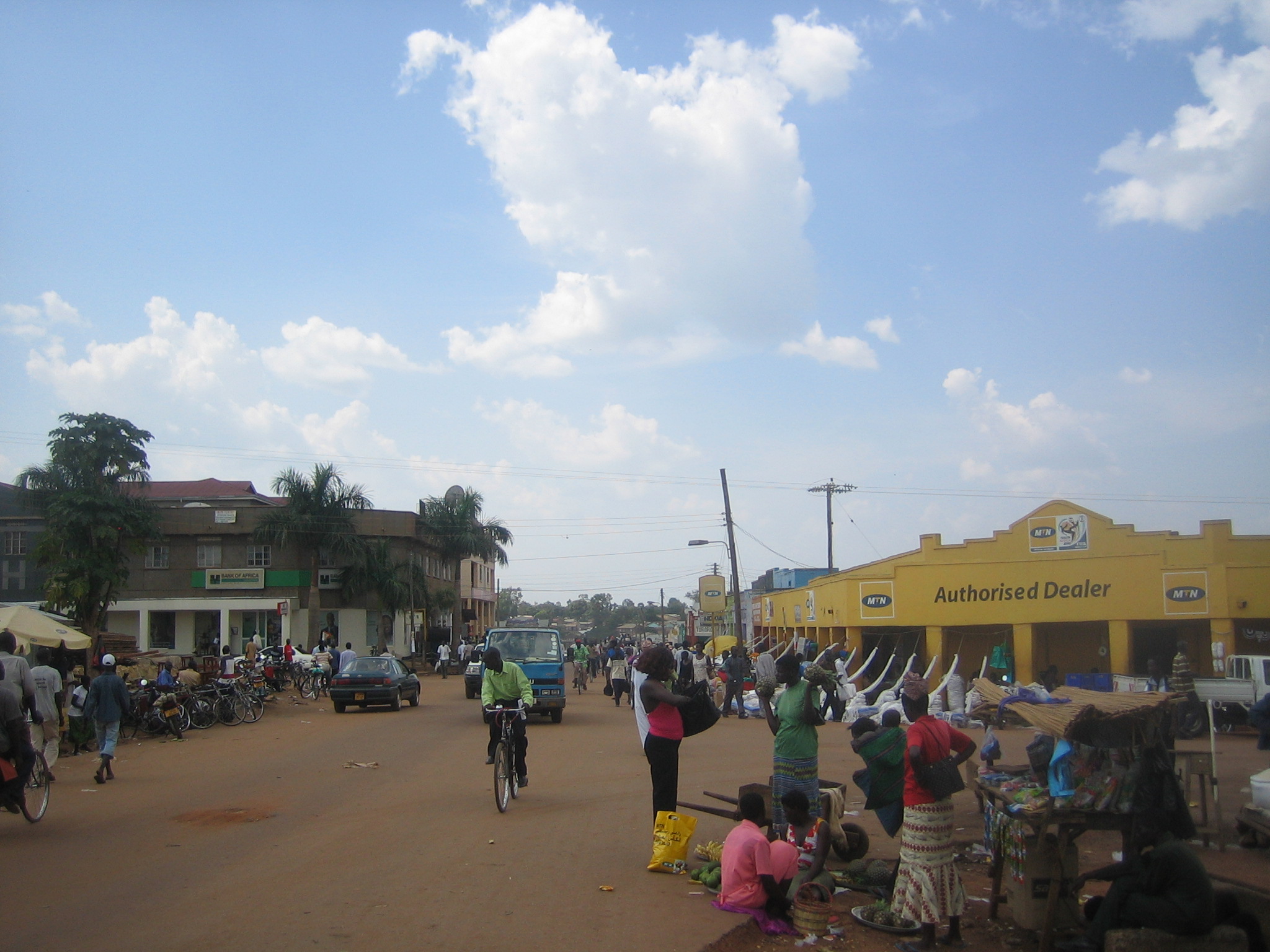
Lira sits in northern Uganda at an elevation of 1,100 meters above sea level, giving it a tropical climate that is warm year-round but tempered by its altitude. The city is compact, with a population of about 99,000, and most expats gravitate toward the Town Center or the Ojwina neighborhood. These areas offer the most convenient access to markets, restaurants, and local services, while still feeling distinctly residential. Life here moves at a slower pace, and the low-rise streets are a far cry from the congestion of Kampala, which lies roughly 250 kilometers to the south.
Living costs in Lira are remarkably low, even by regional standards. A single person can get by on around $307 per month including rent, while a more comfortable budget runs about $501 per month. Rent for a one-bedroom apartment in the city center averages $180 per month, dropping to $120 outside the center; a three-bedroom in the center costs $340, or $220 on the outskirts. Utilities run about $69 monthly, internet around $35, and a mobile plan just $12. A meal at an inexpensive restaurant costs $2, while a three-course dinner for two at a mid-range spot sets you back $25, and a cappuccino is $3. The average local monthly salary is $250, which puts expat budgets in perspective: even the comfortable tier is roughly double a typical local wage, but still far below what most Westerners are used to.
Safety in Lira is moderate, with a safety index of 60 out of 100 and a crime index of 40, meaning the risk is present but not overwhelming. Expats should exercise standard precautions, especially at night, but the city does not have the reputation for serious violent crime that some larger Ugandan cities do. Healthcare quality is rated as fair, so for anything beyond routine care, you will likely need to travel to Kampala or abroad. The air quality index is a low 35, which is a plus for those with respiratory sensitivities, and the overall expat score of 60 reflects a decent, if not exceptional, quality of life.
For longer stays, the Certificate of Residence visa is available, designed for those who plan to remain due to a long stay. There is no dedicated retirement visa, but the Certificate of Residence can serve that purpose. The nearest airport is EBB, about 250 kilometers away, so getting in involves a flight to Entebbe and then a road journey north. Lira is best suited to budget-conscious retirees and FIRE enthusiasts, given its FIRE score of 85, though digital nomads may find the internet speed of 10 Mbps and limited English proficiency challenging, reflected in a digital nomad score of 46. If you are drawn to a quiet, affordable base in East Africa and can adapt to its pace, Lira offers a compelling, low-cost option.
Estimate the cost of moving to Lira, Uganda
Get a free moving cost estimate for moving to Lira, Uganda. Takes 10 seconds.
How much are you shipping?
When are you moving?
Powered by Sirelo. Free quotes from international movers.
🏚️ Cost of Living
💰 Budgets and Costs
Lira on a budget budget comes to about $348 a month for one adult, with $120 of that going to rent. Beyond rent the estimate covers $74.00 on groceries, $10.00 on dining out, $28.00 on entertainment and lifestyle and $116 on utilities and connectivity.
Rent
$120/mo
1BR outside the centre
Groceries
$74.00/mo
75% of mid-range grocery spend
Dining out
$10.00/mo
4 inexpensive meals
Entertainment & lifestyle
$28.00/mo
1 cinema trip, 8 cappuccinos
Utilities & connectivity
$116/mo
utilities, mobile, internet
Budgets (excl. rent)
Excludes rent. The total above is all-in, rent included.
Lira on a mid-range budget comes to about $405 a month for one adult, with $120 of that going to rent. Beyond rent the estimate covers $99.00 on groceries, $25.00 on dining out, $45.00 on entertainment and lifestyle and $116 on utilities and connectivity.
Rent
$120/mo
1BR outside the centre
Groceries
$99.00/mo
Staples basket scaled to a full month
Dining out
$25.00/mo
10 inexpensive meals
Entertainment & lifestyle
$45.00/mo
2 cinema trips, 12 cappuccinos
Utilities & connectivity
$116/mo
utilities, mobile, internet
Budgets (excl. rent)
Excludes rent. The total above is all-in, rent included.
Lira on a comfortable budget comes to about $602 a month for one adult, with $180 of that going to rent. Beyond rent the estimate covers $138 on groceries, $88.00 on dining out, $80.00 on entertainment and lifestyle and $116 on utilities and connectivity.
Rent
$180/mo
1BR in the centre
Groceries
$138/mo
140% of mid-range grocery spend
Dining out
$88.00/mo
6 inexpensive meals + 6 mid-range meals
Entertainment & lifestyle
$80.00/mo
4 cinema trips, 20 cappuccinos
Utilities & connectivity
$116/mo
utilities, mobile, internet
Budgets (excl. rent)
Excludes rent. The total above is all-in, rent included.
Estimates for one adult, built from this city's average prices and the usage shown for each tier. Your spending will differ with how often you eat out and where you live.
A 1BR in the center runs about $180/mo. If your income is in another currency, bank FX fees add up. A multi-currency account can cut that cost.
See low-fee transfersWe may earn a commission at no cost to you.
See how Lira's cost of living compares with Masindi
Be the first to report costs in Lira
🛡️ Safety & Crime
(Higher is safer)
(Lower is safer)
Lira is a mid-sized regional city in northern Uganda with a moderate safety profile for expats. Day-to-day life feels relatively calm compared to Kampala, though nighttime walkability is limited—most expats use taxis after dark. The city has recovered significantly from past conflict, and locals are generally welcoming. However, it remains less developed and monitored than major urban centers, so situational awareness is essential.
Petty theft and opportunistic crime are the primary concerns; pickpocketing and bag snatching occur in crowded markets and transport hubs. Avoid displaying valuables, walking alone at night, or traveling on poorly lit roads after sunset. Solo female travelers should exercise extra caution and use trusted transportation. Violent crime against expats is rare but not unheard of; armed robbery can occur in isolated areas. Scams targeting foreigners are less common here than in Kampala but still possible.
Northern Uganda experienced significant conflict decades ago, but the region is now stable with minimal political unrest. Police presence is lighter than in major cities, and corruption exists but is manageable for expats who stay low-profile. The main risk is the general unpredictability of a smaller city with fewer expat support networks and emergency services. Lira suits those comfortable with modest infrastructure and willing to adapt; it's safer than its reputation suggests but requires more caution than Kampala or Entebbe.
Lira has a safety index of 60/100. Petty theft and lost belongings are the most common problems for newcomers. Compare travel insurance before you go.
Compare travel insuranceWe may earn a commission at no cost to you.
🏥 Healthcare
See how Lira's healthcare compares with Masindi
🌤️ Climate
Best Months
Climate Notes
Lira has a tropical climate with warm temperatures year-round, two rainy seasons (March-May and September-November), and relatively consistent humidity, making it hot and humid throughout the year.
💻 Digital Nomad
Community Notes
Lira attracts internationals for volunteer work but lacks facilities for remote workers.
Coworking Spaces
| Name | Notes |
|---|---|
| Impact Hub Kampala (Likely used by Lira residents) | While technically in Kampala, Impact Hub is a well-known coworking brand in Uganda and a likely option for remote workers in Lira seeking a professional environment. It offers a collaborative atmosphere, reliable internet, and networking opportunities, though requires travel to Kampala. |
| Hive Colab (Likely used by Lira residents) | Similar to Impact Hub, Hive Colab is located in Kampala but is a popular choice for Ugandan remote workers. It provides a supportive community, mentorship programs, and a conducive workspace, making it a viable option if willing to travel. |
Names, locations and hours can change. Check each space's website before you visit. Places from © OpenStreetMap contributors and Foursquare Open Source Places (Apache 2.0).
Working remotely from Lira? Nomad health insurance covers you across borders, month to month.
See nomad insuranceWe may earn a commission at no cost to you.
See how Lira's digital nomad life compares with Masindi
🧳 Expat Life
Expat Life Notes
Lira is a city in northern Uganda, formerly deeply affected by the LRA conflict and now recovering. It has NGO presence but almost no traditional expat community.
Pros
- ✓ Low cost of living
- ✓ Growing recovery economy
- ✓ NGO and aid sector presence
Cons
- ✗ Very limited infrastructure
- ✗ No English-language expat services
- ✗ Remote from Kampala
🏘️ Neighborhoods in Lira
Conditions can change from one block to the next, and these descriptions are general guides, not safety assessments. Before choosing where to stay or live, check current travel advisories, talk to people who live there, and visit in person if you can.
Neighborhood guides for this city are being reviewed. In the meantime, see the safety section and check current travel advisories before choosing where to stay.
Could living/working in Lira cut years off your work life?
With a 1-bedroom in the center at $180/mo, your FIRE number here might be much lower than you think.
More Cities to Consider instead of Lira
Frequently Asked Questions about Lira
Click any question to expand the answer.
📚 Related Reading
Share This Guide
Lira won't stay this cheap forever.
Cost-of-living and visa updates for Lira and the rest of Uganda. Free with RA Postcards.
By submitting your email address, you will receive a free subscription to RA Postcards and special offers from Rewire Abroad and our affiliates. You can unsubscribe at any time, and we encourage you to read more about our Privacy Policy.