Kaka, Turkmenistan Hero Image
Wikipedia Contributor, CC BY-SA

Kaka, Turkmenistan

Follows Turkmenistan Residency Rules. Check Digital Nomad & Retiree Pathways →

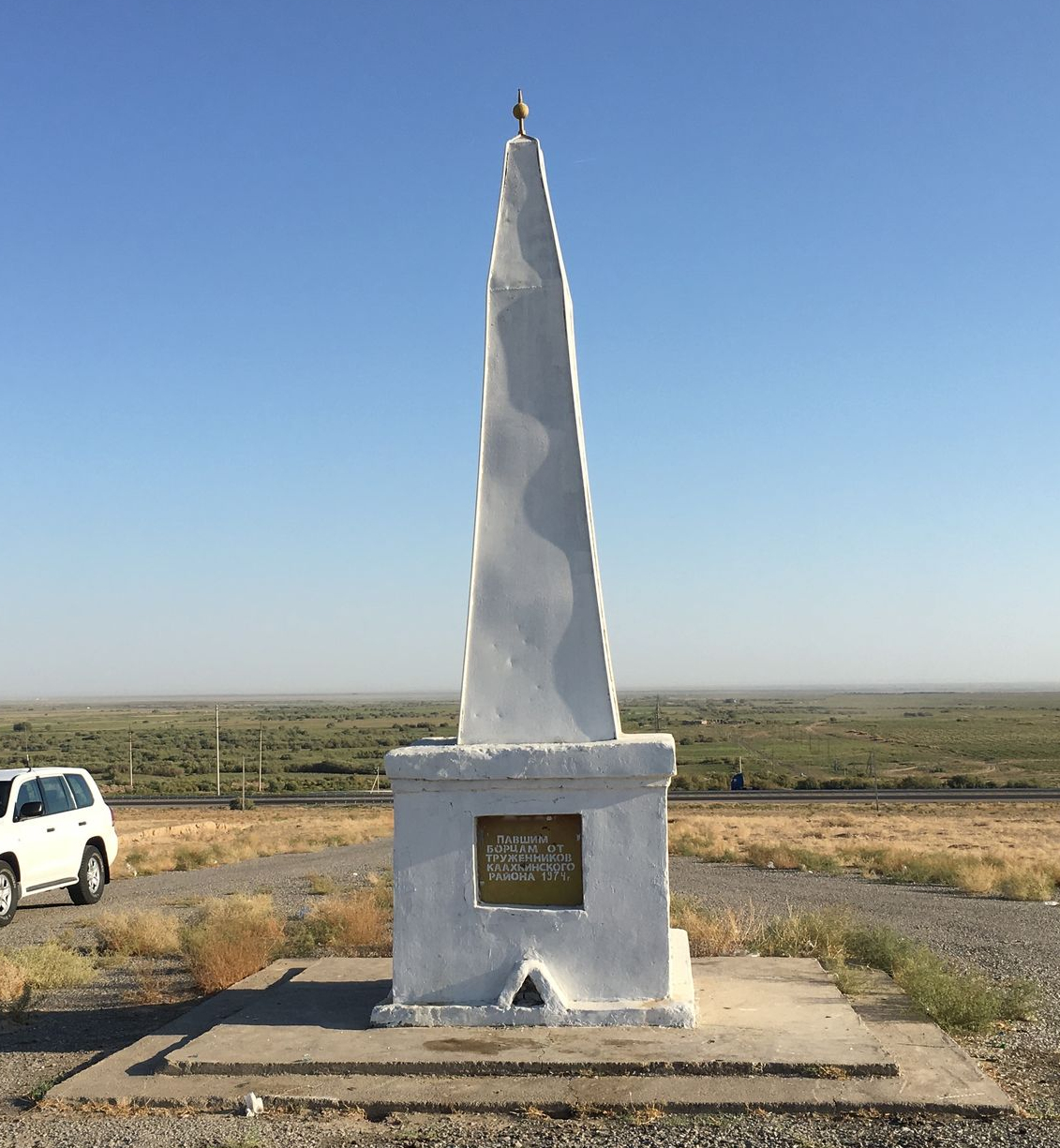
Kaka sits on the Turkmenistan steppe at 230 meters above sea level, a small city of 20 thousand people in the shadow of the Kopet Dag range. The climate is an extreme continental desert: summers routinely exceed 38°C, winters hover around 3°C, and rainfall is scarce all year, so the dust and heat define daily life. Expats who settle here tend to stay near the center, where the few apartment blocks and bazaars cluster, though the guide does not name specific neighborhoods beyond that. The timezone is Asia/Ashgabat, and the nearest airport is TAZ, about an hour away by road.

Living costs in Kaka are steep relative to local earnings. A one-bedroom apartment in the city center rents for $910/mo, while the same unit outside the center runs $607/mo. A single adult on a budget tier pays $1,255/mo including rent; the mid-range tier is $1,926/mo, and the comfortable tier is $2,505/mo. Excluding rent, monthly expenses for one person come to $775/mo, with utilities at $521/mo, a mobile plan at $52/mo, a public transport pass at $8/mo, and a gym membership at $178/mo. Yet the average monthly net salary is only $450/mo, so most locals cannot afford the expat lifestyle, and even a modest meal at an inexpensive restaurant costs $26, with a three-course dinner for two at $83 and a cappuccino at $6.

Safety is a relative bright spot. The safety index stands at 60/100, and the crime index is 38/100, with lower being safer, which suggests a generally low-risk environment for petty theft or violent incidents. Healthcare, however, is rated poor, and the air quality index is 68, meaning moderate pollution that can aggravate respiratory issues. English proficiency is limited, so daily interactions require basic Turkmen or Russian, and medical emergencies likely mean a trip to Ashgabat rather than relying on local facilities.

Getting to Kaka means flying into TAZ and then taking ground transport, since no other airport is listed. Visa rules are not detailed here, but travelers should check current entry requirements before planning. This city suits a narrow profile: a retiree or long-term expat who values low crime, tolerates extreme heat, and has a budget well above the local median. Digital nomads will find the internet slow at 10 Mbps and the overall expat score of 43/100 unappealing, while retirees see the same 43/100, so Kaka is best for those who prioritize affordability over amenities and are comfortable with a spartan, desert-bound existence.
Estimate the cost of moving to Kaka, Turkmenistan

Get a free moving cost estimate for moving to Kaka, Turkmenistan. Takes 10 seconds.

How much are you shipping?

When are you moving?

Powered by Sirelo. Free quotes from international movers.

Be the first to report costs in Kaka

Share

🛡️ Safety & Crime

60
Safety Index

(Higher is safer)

38
Crime Index

(Lower is safer)

Kaka is a small, quiet desert town where expats generally report feeling safe during daylight hours. The community is tight-knit and relatively orderly, with low violent crime. Night-time walkability is limited more by lack of infrastructure and lighting than active danger, though solo evening walks aren't recommended. The overall atmosphere is calm and predictable compared to larger Central Asian cities.

Petty theft and opportunistic crime are the main concerns rather than violent offenses. Scams targeting foreigners are uncommon in this remote location, but standard precautions apply: avoid displaying valuables, be cautious with unofficial money changers, and don't leave belongings unattended. Solo female travelers report feeling relatively secure, though cultural conservatism means dressing modestly and avoiding solo nightlife is advisable for comfort and respect.

Turkmenistan's authoritarian government and limited press freedom mean police are generally reliable for expats but serve state interests first. Corruption exists but rarely affects daily expat life directly. Political protests are rare and heavily suppressed. The main risk is bureaucratic hassle—visa complications, residency requirements, and arbitrary enforcement of regulations. For Americans considering relocation, Kaka is safer than many alternatives, but the isolated location, limited services, and government control make it suitable only for those with specific work reasons or exceptional patience.

Kaka has a safety index of 60/100. Petty theft and lost belongings are the most common problems for newcomers. Compare travel insurance before you go.

Compare travel insurance

We may earn a commission at no cost to you.

🏥 Healthcare

Poor
Public Hospitals
Yes
Private Clinics
No
English-Speaking Doctors
None

See how Kaka's healthcare compares with Mary

🌤️ Climate

Summer Temp
38°C
Winter Temp
3°C
Humidity
35%
Air Quality Index
68
Annual Rainfall
133 mm

Best Months

AprMayOctNov

Climate Notes

Kaka experiences an extreme continental desert climate with scorching summers exceeding 38°C, mild winters around 3°C, and very low precipitation year-round, making it challenging for those unaccustomed to arid heat.

💻 Digital Nomad

Avg Internet Speed
10 Mbps
Coworking Availability
None
Coworking Spaces Nearby
0
Digital Nomad Score
40/100

Community Notes

Kaka presents challenges for nomads due to limited facilities.

Coworking Spaces

NameNotes
IWG Spaces AshgabatWhile technically in Ashgabat, it's the closest established coworking option. Offers reliable internet, meeting rooms, and a professional environment suitable for remote workers needing a structured workspace. Commuting from Kaka is possible, though potentially lengthy.
Regus AshgabatSimilar to IWG Spaces, Regus in Ashgabat provides a dependable coworking environment with various office solutions. It's a viable option for those seeking a professional setting with administrative support, even if it requires travel from Kaka.

Names, locations and hours can change. Check each space's website before you visit. Places from © OpenStreetMap contributors and Foursquare Open Source Places (Apache 2.0).

Working remotely from Kaka? Nomad health insurance covers you across borders, month to month.

See nomad insurance

We may earn a commission at no cost to you.

See how Kaka's digital nomad life compares with Mary

🧳 Expat Life

English Proficiency
Limited
Expat Community
small
Banks Nearby
1
ATMs Nearby
0

🏘️ Neighborhoods in Kaka

Areas of Kaka that expats often consider.

Conditions can change from one block to the next, and these descriptions are general guides, not safety assessments. Before choosing where to stay or live, check current travel advisories, talk to people who live there, and visit in person if you can.

Central Kaka

Bustling, administrative, local life

The heart of Kaka, featuring government buildings, the main bazaar, and local shops. Primarily residential, with limited English spoken. Expect a very authentic, but potentially challenging, Turkmen experience. Walkable, but public transport is limited.

Residential Blocks (East Kaka)

Quiet, family-oriented, Soviet-era

Composed of Soviet-era apartment blocks, this area is primarily residential and very quiet. Families and long-term residents populate this area. Limited amenities and virtually no English spoken. Public transport is available, but infrequent.

Kaka Train Station Area

Transit hub, local commerce

The area around the train station is a hub of local commerce and transportation. It's a budget-friendly option, but can be noisy and crowded. Limited English is spoken, and amenities are basic. Good for short stays or those prioritizing affordability.

New Development Zone (West Kaka)

Modernizing, expanding, residential

An area of newer construction, featuring more modern apartments and potentially better infrastructure. Still primarily residential and local. English is unlikely to be spoken. May offer slightly improved living conditions compared to older areas, but limited amenities.

Could living/working in Kaka cut years off your work life?

Calculate My FIRE Date →

More Cities to Consider instead of Kaka

FAQ

Frequently Asked Questions about Kaka

Click any question to expand the answer.

Kaka has a population of approximately 20,000 people.
The nearest airport to Kaka is TAZ, approximately 491km away.
Kaka is considered relatively safe, with a safety index of 60.0. As with any city abroad, expats should research specific neighborhoods before committing to a location.
Kaka has an average internet speed of 10 Mbps. It is not yet considered a well-established digital nomad destination.
Tourist visas are 5 days; residency requires sponsorship from an employer or government agency. Extensions are bureaucratic and uncertain. Most expats work for international organizations or energy companies with established visa protocols.
Mostly yes, but speeds are inconsistent (2–10 Mbps typical) and occasional outages occur. VPNs are technically restricted. Backup mobile hotspot from Turkmencell is advisable.
Very small—maybe 50–100 people, mostly tied to energy, logistics, or NGO work. Social life is quiet. Ashgabat (300km away) has a larger expat scene if you need regular contact.
Kaka is incredibly affordable. You can expect to pay very little for rent, perhaps $100-$300 USD per month depending on the size and location. Groceries are also cheap, especially if you shop at local markets, and dining out is a steal, with meals costing just a few dollars.
Obtaining a long-term visa for retirement in Turkmenistan can be challenging. You'll likely need to explore options like a business visa (if you have a remote business) or a student visa (if you're willing to study the language). Consulting with a Turkmen immigration lawyer is highly recommended.
Healthcare in Kaka is basic and may not meet Western standards. While medical care is inexpensive, access to specialized treatment and modern facilities is limited. Expats often travel to Ashgabat or even neighboring countries for serious medical issues; comprehensive travel insurance is a must.
Kaka has a desert climate with hot, dry summers and cold winters. Temperatures can soar above 100°F (38°C) in July and drop below freezing in January. Be prepared for extreme temperature swings and pack accordingly.
Public transportation in Kaka is limited, and taxis are the most common way to get around. They are inexpensive, but it's helpful to learn a few basic phrases in Turkmen or Russian to communicate with drivers. Walking is also an option for shorter distances within the city.
Finding an English-speaking doctor in Kaka can be difficult. While some doctors may have a basic understanding of English, it's best to have a translator or learn some basic medical phrases in Turkmen or Russian. Ashgabat has a higher chance of finding English-speaking medical professionals.
Banking in Turkmenistan can be challenging for foreigners. ATMs are not widely available, and credit cards are rarely accepted. It's best to bring cash (US dollars or Euros) and exchange it for local currency. International money transfers can be slow and expensive.
Life in Kaka is slow-paced and relaxed. It's a world away from the hustle and bustle of Western cities. This can be a major draw for retirees seeking a peaceful and quiet environment, but it may take some adjustment for those used to a faster pace.
English proficiency is low in Kaka. Learning some basic Turkmen or Russian phrases is essential for daily life, from shopping to interacting with locals. While younger generations may have some exposure to English, it's not widely spoken.
As a US citizen, you are still required to file US taxes even when living abroad. You may be able to take advantage of the Foreign Earned Income Exclusion (FEIE) or the Foreign Tax Credit to reduce your tax liability. Also, be aware of FBAR and FATCA reporting requirements.
Kaka's low cost of living makes it potentially attractive for FIRE, but it's crucial to consider the limitations. Healthcare access, banking challenges, and language barriers require careful planning. It's best suited for those with a flexible income stream and a willingness to adapt to a different lifestyle.
Depending on your lifestyle, $1,000-$1,500 USD per month in passive income could provide a comfortable life in Kaka. This would cover basic expenses like rent, food, and transportation. However, you'll need to factor in additional costs for healthcare, travel, and unexpected expenses.

Share This Guide