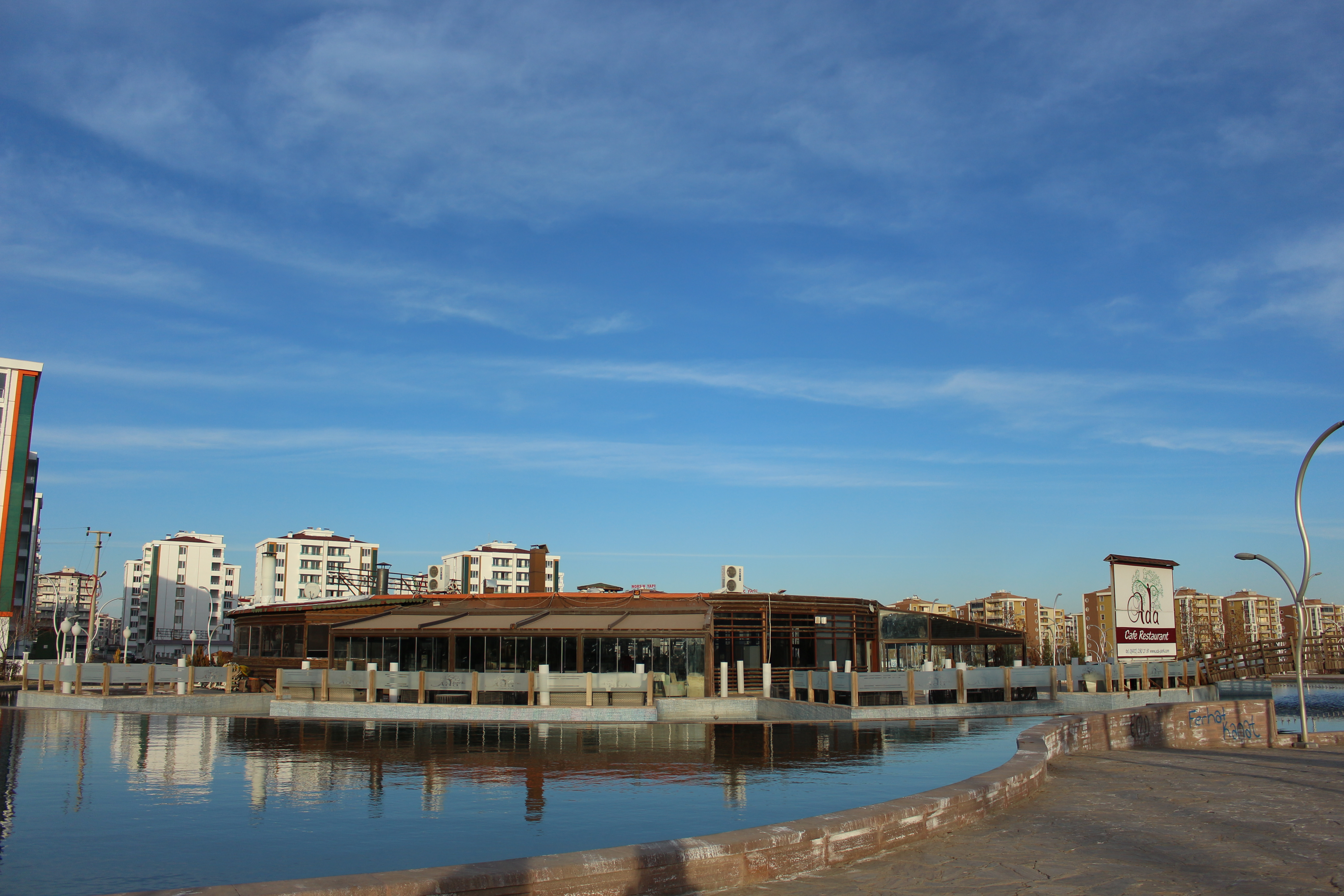
Agriculture, textiles, and regional trade drive most of the formal economy here — watermelon, cotton, and livestock move through Diyarbakır in serious volume, and the city functions as the commercial capital for a vast swath of southeastern Turkey. Public sector employment is a major income source, with government offices, hospitals, and universities providing relatively stable jobs. Private sector growth exists but remains constrained; foreign investment is thin, and the tech or remote-work infrastructure that digital nomads rely on is underdeveloped. Locals earn a living through trade, civil service, construction, and small business — not multinational employers.
A one-bedroom in the city center runs around $250/month, which is genuinely cheap even by Turkish standards, and groceries and local restaurants are proportionally affordable. Healthcare access exists through public hospitals and some private clinics, but specialist care often means traveling to Ankara or Istanbul. The language barrier is real and steeper than in western Turkey — Kurdish (Kurmanji) is widely spoken alongside Turkish, and English is rare outside university circles. Bureaucracy follows standard Turkish patterns: doable but slow, requiring patience and ideally a local fixer or lawyer for residency paperwork.
Summers are brutal — temperatures regularly exceed 40°C (104°F) from June through August, and there's little relief. Winters drop below freezing. The food is a genuine highlight: çiğ köfte, kaburga, and local kebab variations are excellent and cheap. The historic bazaar district and the UNESCO-listed black basalt walls give the city real character, and weekend life centers on family gatherings, tea houses, and local markets rather than bars or nightlife. The expat community is essentially nonexistent — this city suits researchers, NGO workers, or adventurous long-termers who speak Turkish and want low costs without the tourist-trail crowd.
Estimate the cost of moving to Diyarbakir, Turkey
Get a free moving cost estimate for moving to Diyarbakir, Turkey. Takes 10 seconds.
How much are you shipping?
When are you moving?
Powered by Sirelo. Free quotes from international movers.
🏚️ Cost of Living
💰 Budgets and Costs
$613/mo, one person, rent included
Selected: budget lifestyle
Diyarbakir on a budget budget comes to about $613 a month for one adult, with $365 of that going to rent. Beyond rent the estimate covers $79.00 on groceries, $19.00 on dining out, $32.00 on entertainment and lifestyle and $118 on utilities and connectivity.
Rent
$365/mo
1BR outside the centre
Groceries
$79.00/mo
75% of mid-range grocery spend
Dining out
$19.00/mo
4 inexpensive meals
Entertainment & lifestyle
$32.00/mo
1 cinema trip, 8 cappuccinos
Utilities & connectivity
$118/mo
utilities, mobile, internet
Budgets (excl. rent)
Single person$248/mo
Excludes rent. The total above is all-in, rent included.
$768/mo, one person, rent included
Selected: mid-range lifestyle
Diyarbakir on a mid-range budget comes to about $768 a month for one adult, with $365 of that going to rent. Beyond rent the estimate covers $105 on groceries, $48.00 on dining out, $132 on entertainment and lifestyle and $118 on utilities and connectivity.
Rent
$365/mo
1BR outside the centre
Groceries
$105/mo
Staples basket scaled to a full month
Dining out
$48.00/mo
10 inexpensive meals
Entertainment & lifestyle
$132/mo
gym, 2 cinema trips, 12 cappuccinos
Utilities & connectivity
$118/mo
utilities, mobile, internet
Budgets (excl. rent)
Single person$403/mo
Excludes rent. The total above is all-in, rent included.
$929/mo, one person, rent included
Selected: comfortable lifestyle
Diyarbakir on a comfortable budget comes to about $929 a month for one adult, with $405 of that going to rent. Beyond rent the estimate covers $147 on groceries, $89.00 on dining out, $170 on entertainment and lifestyle and $118 on utilities and connectivity.
Rent
$405/mo
1BR in the centre
Groceries
$147/mo
140% of mid-range grocery spend
Dining out
$89.00/mo
6 inexpensive meals + 6 mid-range meals
Entertainment & lifestyle
$170/mo
gym, 4 cinema trips, 20 cappuccinos
Utilities & connectivity
$118/mo
utilities, mobile, internet
Budgets (excl. rent)
Single person$524/mo
Excludes rent. The total above is all-in, rent included.
Estimates for one adult, built from this city's average prices and the usage shown for each tier. Your spending will differ with how often you eat out and where you live.
A 1BR in the center runs about $405.35/mo. If your income is in another currency, bank FX fees add up. A multi-currency account can cut that cost.
Diyarbakır feels moderately safe for daily life, though it's less cosmopolitan than Istanbul or Ankara. Daytime walking is generally fine in central areas; nighttime solo walks are possible but warrant caution, especially for women. The city has a strong local community feel, and expats report manageable day-to-day safety. However, it's a more conservative, less touristy environment than major Turkish hubs, so visibility as a foreigner is higher.
Petty theft and pickpocketing occur in crowded markets and public transport—standard precautions apply. Scams targeting foreigners are less common here than in tourist zones, but remain possible. Violent crime against expats is rare. Women travelers should dress conservatively and avoid isolated areas after dark. The Suriçi (old city) is atmospheric but can feel unwelcoming to outsiders at night. Political tensions occasionally surface, though they rarely affect daily expat life directly.
Diyarbakır has a complex geopolitical history tied to Kurdish identity and past PKK activity, though the security situation has stabilized significantly since the 2015–2017 conflict period. Police are generally reliable for expats, though corruption exists. Occasional protests occur but rarely target foreigners. For an American considering relocation, this is a livable city with lower costs than western Turkey, but it requires cultural sensitivity, local awareness, and acceptance of being in a less internationally integrated environment. Not ideal for those seeking anonymity or Western comfort.
🏥 Healthcare
Good
Public Hospitals
Yes
Private Clinics
Yes
English-Speaking Doctors
Limited
See how Diyarbakir's healthcare compares with Kutahya
🌤️ Climate
Summer Temp
40°C
Winter Temp
-1°C
Humidity
40%
Air Quality Index
75
Annual Rainfall
709 mm
Best Months
MayJunJulAug
Climate Notes
Hot-summer Mediterranean climate with extreme heat in summer and occasional frost in winter.
💻 Digital Nomad
Avg Internet Speed
40 Mbps
Internet (monthly)
$16/mo
Coworking Availability
Moderate
Coworking Spaces Nearby
0
Digital Nomad Score
64/100
Community Notes
Diyarbakir is rich in history and culture, attracting nomads interested in exploring ancient sites.
Regus offers a reliable, professional environment in Diyarbakir. Located in a central business district, it provides standard amenities like high-speed internet, meeting rooms, and administrative support, making it a solid choice for expats seeking a familiar and functional workspace.
Ofis Diyarbakır provides a modern coworking environment with private offices and shared workspaces. It is located in the Ofis neighborhood, a central and accessible area, and offers amenities such as meeting rooms, high-speed internet, and a supportive community, making it suitable for digital nomads.
See how Diyarbakir's digital nomad life compares with Kutahya
🧳 Expat Life
English Proficiency
Common in Tourist Areas
Expat Community
Very Few
Top Neighborhoods
Kayapınar
Banks Nearby
62
ATMs Nearby
32
Expat Life Notes
The unofficial Kurdish capital. It has magnificent ancient walls but very little infrastructure for foreigners.
Pros
✓ Deeply historic and authentic
✓ Incredible local food
Cons
✗ Regional security flux
✗ Conservative social norms
✗ Limited English spoken
🏘️ Neighborhoods in Diyarbakir
Areas of Diyarbakir that expats often consider.
Conditions can change from one block to the next, and these descriptions are general guides, not safety assessments. Before choosing where to stay or live, check current travel advisories, talk to people who live there, and visit in person if you can.
Surici (Old City)
Historic heart, vibrant, bustling
The ancient walled city, a UNESCO World Heritage site, is full of history and culture. However, it's still recovering from past conflicts, and infrastructure can be basic. While not traditionally expat-friendly, adventurous types seeking an authentic experience might find it appealing. Be aware of potential safety concerns and limited English spoken.
Yenişehir
Modern, commercial, central location
Yenişehir is a more modern district with shopping malls, restaurants, and cafes. It's a good option for those seeking convenience and access to amenities. While not as charming as Surici, it offers a more comfortable lifestyle with better infrastructure and more English spoken.
Bağlar
Budget-friendly, residential, local life
Bağlar is a more affordable residential area, further from the city center. It offers a glimpse into everyday Turkish life, but may lack amenities and English speakers. It's a good option for budget-conscious expats who are willing to immerse themselves in the local culture. Be aware that this area has a reputation for being less safe than other parts of the city.
Kayapınar
Developing, modern, family-oriented
Kayapınar is a rapidly developing district with new apartment complexes and shopping centers. It's a more suburban area, popular with families. While it offers modern housing options, it's further from the historical center and may lack the charm of other neighborhoods. English proficiency is limited.
Ofis
Lively, commercial, central, modern
Located within Yenişehir, Ofis is a bustling commercial area with many businesses, cafes, and restaurants. It's a central location with good access to transportation. While it can be noisy, it offers a convenient and lively lifestyle. More likely to find English speakers here than in other neighborhoods.
Page 1 of 2
Could living/working in Diyarbakir cut years off your work life?
With a 1-bedroom in the center at $405/mo, your FIRE number here might be much lower than you think.
Diyarbakir has a population of approximately 1,732,396 people.
A single person can expect to spend around $1,013 per month in Diyarbakir, including rent. A 1-bedroom apartment in the city center costs approximately $405/month.
The nearest airport to Diyarbakir is DIY, approximately 4km away.
Diyarbakir is considered relatively safe, with a safety index of 65.0. As with any city abroad, expats should research specific neighborhoods before committing to a location.
Diyarbakir has an average internet speed of 40 Mbps. It is considered a well-established digital nomad destination.
The city has a safety index of 65, which is moderate. Political tensions and a history of unrest in the region are real context, though daily life for residents is generally calm. Street crime is low, but foreigners should stay informed about regional political developments and avoid demonstrations. It's not a place to move to without doing serious research first.
No, not comfortably. English is rarely spoken outside university settings, and even standard Turkish can be secondary to Kurdish (Kurmanji) in many neighborhoods. You'll need functional Turkish at minimum for daily errands, dealing with landlords, and navigating bureaucracy. Learning a few Kurdish phrases earns goodwill but won't substitute for Turkish in official contexts.
The process follows Turkey's standard short-term residence permit system — you apply through the Directorate General of Migration Management, provide proof of accommodation, health insurance, and financial means. The local office in Diyarbakır is less experienced with foreign applicants than offices in Istanbul or Ankara, so expect slower processing and potential confusion. Hiring a local lawyer or relocation agent is strongly recommended.
Rent in Diyarbakır is quite affordable. You can find a decent one-bedroom apartment in a central neighborhood like Ofis for around $200-$300 USD per month, while larger apartments further from the center might cost $350-$500 USD.
Diyarbakır has both public and private hospitals. While the quality of care is generally good, finding English-speaking doctors can be challenging, especially outside of the larger private hospitals. It's wise to have a translation app handy or connect with the local expat community for recommendations.
Generally, the Ofis and Yenişehir districts are considered safer and more modern areas of Diyarbakır, popular among expats and wealthier locals. As with any city, it's always wise to be aware of your surroundings, especially at night.
Internet speeds in Diyarbakır are generally reliable, especially in newer buildings and central areas. You can expect download speeds of 20-50 Mbps, sufficient for most remote work tasks. Consider a local SIM card with a data plan as a backup.
Diyarbakır has a continental climate with hot, dry summers and cold, wet winters. Expect temperatures to soar above 100°F (38°C) in July and August, and drop below freezing in December and January, with occasional snowfall.
Coworking spaces are still developing in Diyarbakır, but you can find some options, particularly in the Ofis area. Many cafes also offer a comfortable environment for remote work with decent Wi-Fi.
Diyarbakır has a decent public transportation system, including buses and dolmuş (shared taxis). They are affordable and cover most of the city. Taxis are also readily available and relatively inexpensive.
Major international money transfer services like Wise (formerly TransferWise) and Remitly operate in Turkey, offering competitive exchange rates. You can also use ATMs to withdraw cash, but be mindful of potential fees from your bank.
The expat community in Diyarbakır is relatively small compared to larger Turkish cities like Istanbul or Ankara. However, you can connect with other foreigners through online forums and social media groups. Learning some Turkish will greatly enhance your social life.
Yes, $1500 USD per month is more than enough for a comfortable retirement in Diyarbakır. You can easily cover rent, groceries, utilities, and leisure activities on that budget, leaving room for savings or travel.
Diyarbakır is a culturally conservative city. Dress modestly, especially when visiting religious sites. Be respectful of local customs and traditions, and avoid public displays of affection. Learning a few basic Turkish phrases will be greatly appreciated.
Groceries are significantly cheaper in Diyarbakır than in the US. Fresh produce, local cheeses, and bread are particularly affordable. Imported goods will be more expensive, but overall, your grocery bill will be much lower.
Diyarbakır is known for its delicious cuisine. Be sure to try the local specialties like Kaburga Dolması (stuffed ribs), Meftune (a meat and vegetable stew), and Burma Kadayıf (a shredded pastry dessert).
Cost-of-living and visa updates for Diyarbakir and the rest of Turkey. Free with RA Postcards.
By submitting your email address, you will receive a free subscription to RA Postcards and special offers from Rewire Abroad and our affiliates. You can unsubscribe at any time, and we encourage you to read more about our Privacy Policy.