Tacarigua, Trinidad and Tobago Hero Image
Wikipedia Contributor, CC BY-SA

Tacarigua, Trinidad and Tobago

Data updated Oct 8, 2026

Follows Trinidad and Tobago Residency Rules. Check Digital Nomad & Retiree Pathways →

📊 Scores

67
FIRE
51
Retiree
57
Digital Nomad

Best fit: FIRE / Geoarbitrage (score: 57)

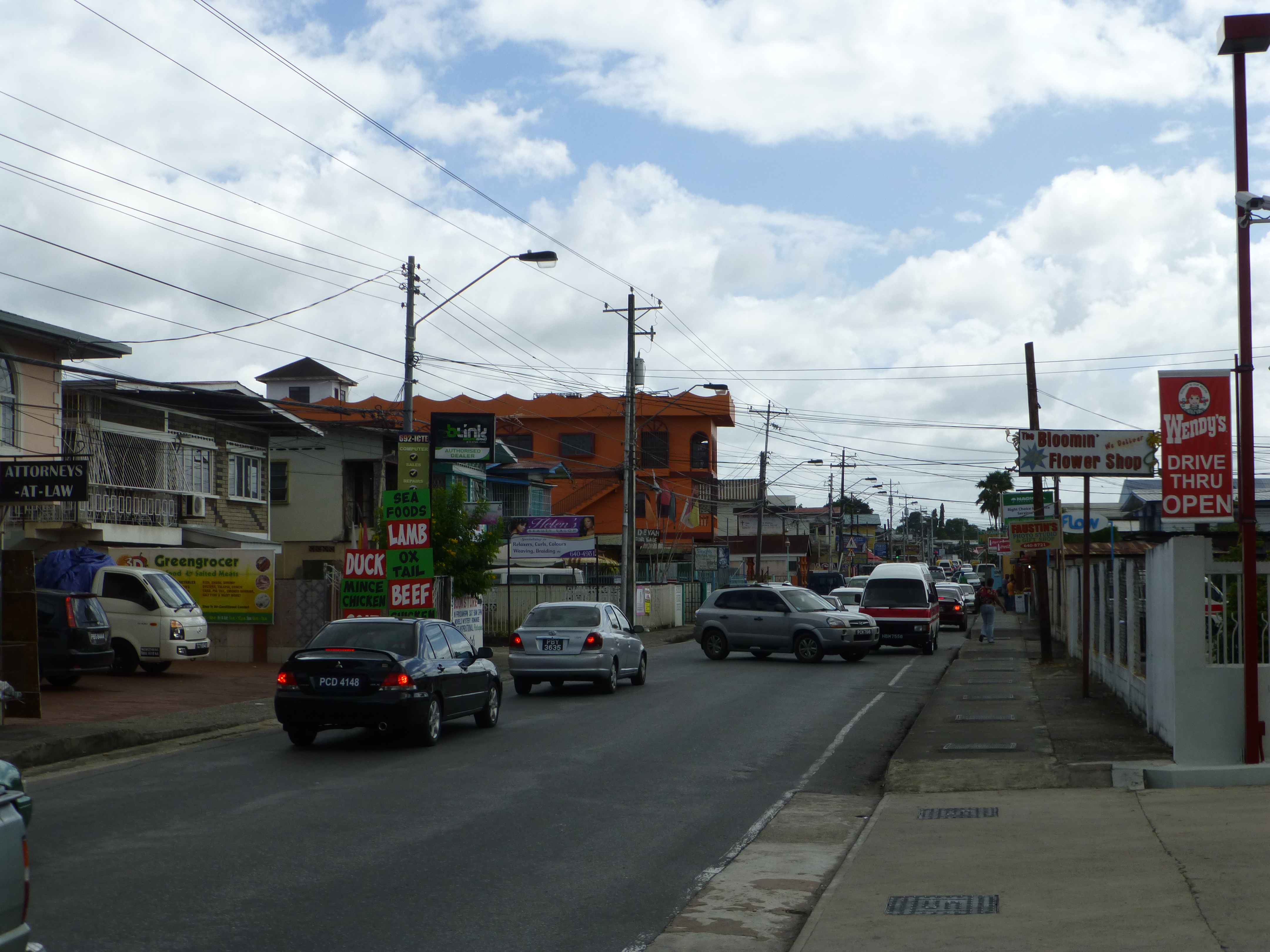
Tacarigua sits low in Trinidad's tropical landscape, just 5 meters above sea level, where high humidity and consistent year-round warmth shape daily life. The town operates on Atlantic Standard Time, and its population of 1.4 million across the wider area gives it a busy, lived-in feel. Expats tend to cluster in Trincity and Millennium Park, two neighborhoods that offer a mix of convenience and community, with the capital's airport 26 kilometers away for easy regional travel. The climate rarely demands more than light layers, and the steady heat encourages early mornings and shaded afternoons.

Living here is notably affordable compared to major US cities, with a cost of living index of 54 out of 100 against New York City. A one-bedroom apartment in the center runs $550 per month, while the same outside the center drops to $400; three-bedrooms cost $1,200 centrally and $900 beyond it. For a single adult, the budget tier totals $674 per month including rent, the mid-range tier $961, and the comfortable tier $1,255. Excluding rent, a single person spends about $780 monthly, and a family of four around $2,300. Utilities run $44 a month, internet $45, and a mobile plan $42, while an inexpensive restaurant meal costs $10, a three-course dinner for two $59, and a cappuccino $4.

Safety in Tacarigua is a mixed picture, with a safety index of 55 out of 100 and a crime index of 45, where lower is safer. The air quality index sits at 38, which is reasonably clean for a tropical town. Healthcare quality is rated fair, so routine needs are manageable, though more serious care may require travel to larger facilities. Expats should stay alert in unfamiliar areas, especially at night, but many find the day-to-day rhythm comfortable and the local community welcoming.

Getting to Tacarigua is straightforward through the nearest airport, POS, about 26 kilometers away. Visa requirements depend on your nationality and length of stay, so check current rules before planning a move. The expat community here is small, which suits travelers who prefer local immersion over expat bubbles. With a digital nomad score of 57, a FIRE score of 67, and a retiree score of 51, it works best for budget-conscious singles or couples who value low costs, warm weather, and a slower pace over urban amenities or high-end healthcare.
Estimate the cost of moving to Tacarigua, Trinidad and Tobago

Get a free moving cost estimate for moving to Tacarigua, Trinidad and Tobago. Takes 10 seconds.

How much are you shipping?

When are you moving?

Powered by Sirelo. Free quotes from international movers.

🏚️ Cost of Living

💰 Budgets and Costs

$919/mo, one person, rent included
Selected: mid-range lifestyle

Tacarigua on a mid-range budget comes to about $919 a month for one adult, with $400 of that going to rent. Beyond rent the estimate covers $222 on groceries, $103 on dining out, $62.00 on entertainment and lifestyle and $132 on utilities and connectivity.

Rent

$400/mo

1BR outside the centre

Groceries

$222/mo

Staples basket scaled to a full month

Dining out

$103/mo

10 inexpensive meals

Entertainment & lifestyle

$62.00/mo

2 cinema trips, 12 cappuccinos

Utilities & connectivity

$132/mo

utilities, mobile, internet

Budgets (excl. rent)

Single person$519/mo

Excludes rent. The total above is all-in, rent included.

Estimates for one adult, built from this city's average prices and the usage shown for each tier. Your spending will differ with how often you eat out and where you live.

A 1BR in the center runs about $550/mo. If your income is in another currency, bank FX fees add up. A multi-currency account can cut that cost.

See low-fee transfers

We may earn a commission at no cost to you.

See how Tacarigua's cost of living compares with Diego Martin

Be the first to report costs in Tacarigua

Share

🛡️ Safety & Crime

55
Safety Index

(Higher is safer)

45
Crime Index

(Lower is safer)

Tacarigua, as part of Trinidad and Tobago's capital region, presents a mixed safety picture for expats. Daytime movement is generally manageable, though vigilance is required. Nighttime walkability is limited—most expats rely on private transport or taxis after dark. The city's safety reputation is cautiously moderate; it's neither a no-go zone nor a fully relaxed destination. Expats report adapting quickly to local rhythms and avoiding obvious risk behaviors.

Petty theft, including phone and bag snatching, remains the primary concern, particularly in crowded markets and public transport hubs. Home burglaries and vehicle break-ins occur, especially in less-secured properties. Violent crime exists but is typically concentrated in specific neighborhoods and gang-related; random attacks on expats are uncommon. Solo female travelers should avoid isolated areas after dark and exercise standard urban caution. Scams targeting foreigners are rare but possible in tourist-adjacent areas.

Trinidad and Tobago maintains functional governance and police presence, though corruption and response times can be inconsistent. Political stability is generally solid with no active civil unrest affecting expats. The main risk is petty opportunistic crime rather than systemic instability. For Americans aged 30–65 considering relocation, Tacarigua is livable with proper precautions—secure housing, local networks, and situational awareness are essential. It's suitable for those comfortable in a moderately secure Caribbean urban environment, not for those seeking pristine safety.

Tacarigua has a safety index of 55/100. Petty theft and lost belongings are the most common problems for newcomers. Compare travel insurance before you go.

Compare travel insurance

We may earn a commission at no cost to you.

🏥 Healthcare

Fair
Public Hospitals
Yes
Private Clinics
Yes
English-Speaking Doctors
Available

See how Tacarigua's healthcare compares with Diego Martin

🌤️ Climate

Summer Temp
31°C
Winter Temp
22°C
Humidity
76%
Air Quality Index
38
Annual Rainfall
1667 mm

Best Months

MayJunJulAug

Climate Notes

Tropical climate with high humidity and consistent year-round warmth.

💻 Digital Nomad

Avg Internet Speed
45.3 Mbps
Internet (monthly)
$45/mo
Coworking Availability
None
Coworking Spaces Nearby
0
Digital Nomad Score
57/100

Community Notes

Small town charms near the coast, but lacks infrastructure for digital nomads.

Coworking Spaces

NameNotes
Regus - TrincityLocated in Trincity, this Regus offers a professional environment with private offices and coworking spaces. It's a reliable option with standard amenities, suitable for those seeking a structured workspace near the airport.
The Business HubLocated in Barataria, The Business Hub provides a modern and collaborative workspace. It offers various membership options, meeting rooms, and virtual office services, making it a good choice for freelancers and small teams.

Names, locations and hours can change. Check each space's website before you visit. Places from © OpenStreetMap contributors and Foursquare Open Source Places (Apache 2.0).

Working remotely from Tacarigua? Nomad health insurance covers you across borders, month to month.

See nomad insurance

We may earn a commission at no cost to you.

See how Tacarigua's digital nomad life compares with Diego Martin

🧳 Expat Life

English Proficiency
Common in Tourist Areas
Expat Community
Small
Top Neighborhoods
Trincity, Millennium Park
Banks Nearby
1
ATMs Nearby
0

Expat Life Notes

Tacarigua is a suburban residential area in northern Trinidad, popular with middle-class locals and some expats.

Pros

  • ✓ Suburban safety
  • ✓ Proximity to malls
  • ✓ Native English

Cons

  • ✗ Heavy commuting traffic
  • ✗ Quiet social life
  • ✗ Limited walking areas

🏘️ Neighborhoods in Tacarigua

Areas of Tacarigua that expats often consider.

Conditions can change from one block to the next, and these descriptions are general guides, not safety assessments. Before choosing where to stay or live, check current travel advisories, talk to people who live there, and visit in person if you can.

Port of Spain

Bustling capital, cultural heart

The capital offers a mix of business, culture, and nightlife. Many expats live here for work or access to amenities. While walkable in certain areas, traffic can be heavy, and safety is a concern in some parts. Public transport is available, but can be unreliable.

Westmoorings

Upscale, residential, family-oriented

A wealthy residential area with gated communities and waterfront properties. Popular with expat families due to its perceived safety and proximity to international schools. Requires a car; limited walkability and public transport.

St. Clair

Quiet, leafy, diplomatic enclave

Home to many embassies and high commissions, St. Clair is a relatively quiet and safe residential area. It's close to the Queen's Park Savannah and has some nice restaurants. While walkable, a car is still recommended for getting around Trinidad.

Woodbrook

Lively, trendy, entertainment district

Known for its vibrant nightlife, restaurants, and bars, Woodbrook is popular with younger expats and locals. It's more walkable than other areas, but can be noisy at night. Parking can be challenging, especially on weekends.

Page 1 of 2

Could living/working in Tacarigua cut years off your work life?

With a 1-bedroom in the center at $550/mo, your FIRE number here might be much lower than you think.

Calculate My FIRE Date →

More Cities to Consider instead of Tacarigua

FAQ

Frequently Asked Questions about Tacarigua

Click any question to expand the answer.

Tacarigua has a population of approximately 1,369,125 people.
A single person can expect to spend around $1,375 per month in Tacarigua, including rent. A 1-bedroom apartment in the city center costs approximately $550/month.
The nearest airport to Tacarigua is POS, approximately 25.8km away.
Tacarigua is considered moderate in terms of safety, with a safety index of 55.0. As with any city abroad, expats should research specific neighborhoods before committing to a location.
Tacarigua has an average internet speed of 45.3 Mbps. It is not yet considered a well-established digital nomad destination.
Trinidad has a safety index of 55, which reflects a real crime problem — gang activity and violent crime occur, particularly in certain Port of Spain neighborhoods. Tacarigua and the Tunapuna/Piarco corridor are considered relatively safer than the capital's hotspots, but expats consistently recommend staying alert, avoiding unfamiliar areas at night, and not displaying valuables. Gated communities and security-conscious housing choices are common among long-term residents.
Technically yes — English is spoken, internet infrastructure is functional, and the cost of living is manageable. However, Trinidad and Tobago has no official digital nomad visa. You'd likely enter on a tourist visa (extendable) and work remotely for foreign clients, which many people do informally. The country isn't set up to attract or support nomads the way some Latin American or Southeast Asian destinations are, so expect to navigate visa logistics yourself.
Public healthcare is technically free but practically strained — long waits and inconsistent quality make public hospitals a last resort for most expats. Private clinics and hospitals like Medical Associates in St. Joseph are the realistic option for routine and urgent care. International health insurance is strongly recommended. Costs at private facilities are moderate by North American standards but not negligible. Serious or complex medical cases often result in medical evacuation to the US or UK.
Overall, Tacarigua is more affordable than many US cities. Expect to pay around $700-$1200 USD per month for a decent apartment, and groceries are generally cheaper, especially if you buy local produce. Dining out can range from inexpensive street food to pricier restaurants, but is generally cheaper than in the US.
US citizens can enter Trinidad and Tobago visa-free for tourism or business stays of up to 90 days. For longer stays, you'll need to apply for a residency permit, which can be based on employment, investment, or retirement income. It's best to consult with an immigration lawyer to navigate the specific requirements.
Yes, English is the official language, so communication with doctors isn't an issue. While private healthcare is available and generally of a higher standard, public healthcare is also an option. Many doctors have been trained abroad, and you can find specialists in various fields.
Areas like Valsayn and Santa Margarita are popular with expats due to their proximity to amenities and perceived safety. For a more budget-friendly option, consider Trincity, which offers a mix of housing options and is close to the airport and shopping malls.
Tacarigua has a tropical climate, with a wet season from June to December and a dry season from January to May. Expect consistently warm temperatures year-round, with high humidity. Be prepared for occasional heavy rainfall during the wet season.
Internet speeds in Tacarigua are generally adequate for remote work, but can be less reliable than in major US cities. Expect speeds sufficient for video calls and general browsing, but consider a backup internet option if your work requires constant uptime. Check with different providers like Flow or Digicel for the best coverage in your area.
You can open a bank account at local banks like Republic Bank or First Citizens Bank, but it can take time and require specific documentation. Services like Wise (formerly TransferWise) and Remitly are often the easiest and most cost-effective way to transfer money internationally. ATMs are widely available, but check for fees.
Tacarigua can be a viable option for FIRE, especially if you have a steady stream of passive income. The lower cost of living allows you to stretch your funds further, but it's crucial to factor in healthcare costs and potential currency fluctuations. Research local investment opportunities carefully.
While not as large as in some other Caribbean islands, there is a growing expat community in Trinidad and Tobago, particularly in areas around Port of Spain. Online groups and social events can help you connect with other expats and locals. Don't expect a huge, organized scene, but connections can be made.
Public transport in Tacarigua primarily consists of maxi taxis (minibuses) and regular taxis. Maxi taxis are affordable but can be crowded and follow set routes. Taxis are more convenient but more expensive. Consider renting a car for greater flexibility, but be prepared for traffic congestion.
As a US citizen, you're still required to file US taxes even when living abroad. The Foreign Earned Income Exclusion (FEIE) can help you exclude a certain amount of your income from US taxes. You may also need to report foreign bank accounts (FBAR) if they exceed a certain threshold. Consult with a tax professional specializing in expat taxes.
Like any urban area, Tacarigua has its share of crime. It's advisable to be cautious, especially at night, and avoid walking alone in poorly lit areas. Research specific neighborhoods and heed local advice. Home security systems are common.
The day-to-day quality of life in Tacarigua is generally good for English speakers. Since English is the official language, you'll have no problem communicating in most situations. The pace of life is slower than in the US, which can be a welcome change for some, but can also be frustrating if you're used to a fast-paced environment.
Yes, your pension or Social Security income can likely stretch further in Tacarigua compared to the US, due to the lower cost of living. However, it's important to budget carefully and factor in potential healthcare costs and currency fluctuations. Consider renting rather than buying initially to assess your long-term financial viability.

Share This Guide