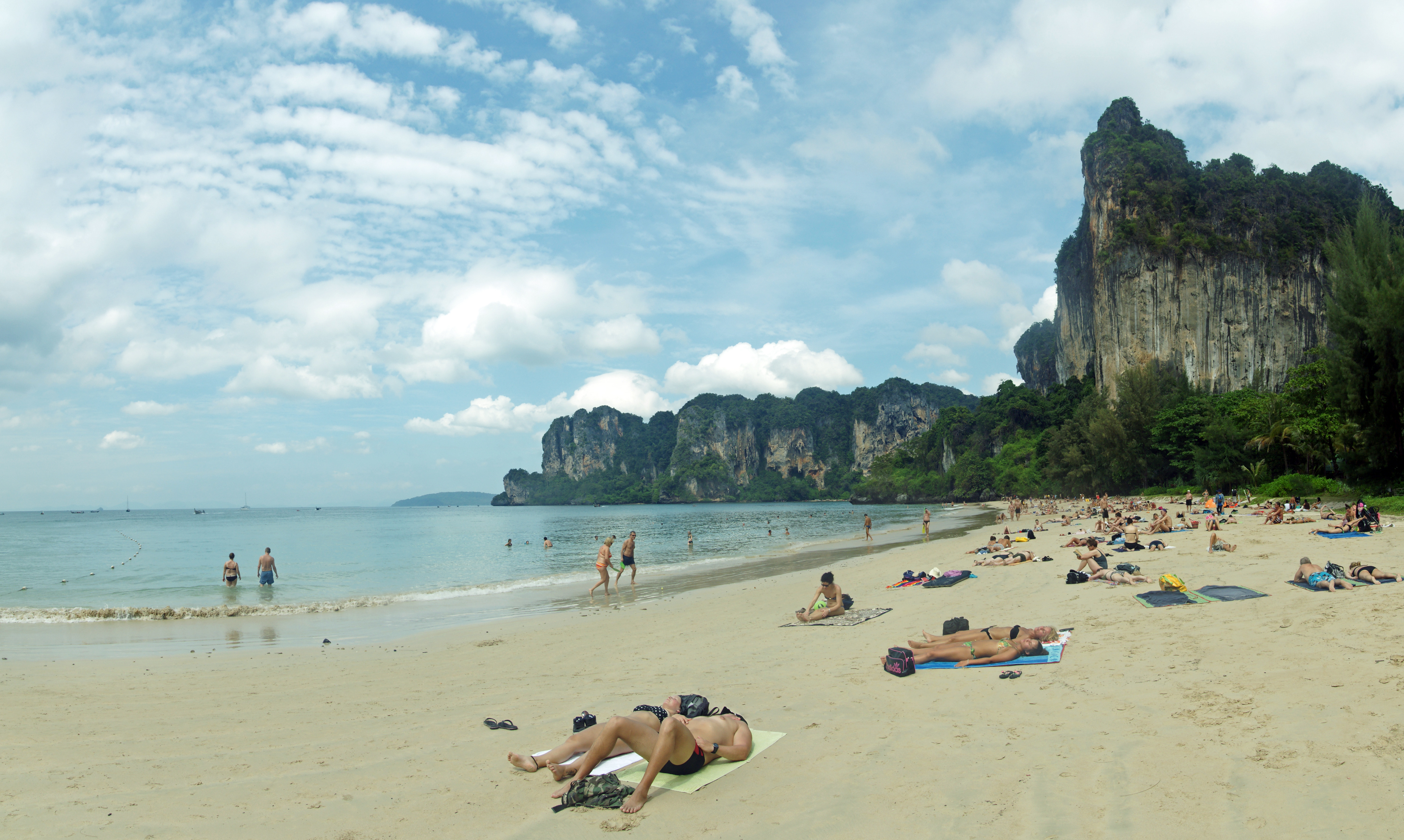
Tourism dominates Ao Nang's economy almost entirely—hotels, restaurants, bars, tour operators, and long-tail boat services employ most locals. If you're not working in hospitality or running a tourist-facing business, you're either remote or teaching English. Seasonal swings are brutal: November–April is packed and profitable; May–October is ghost-town quiet with many businesses shuttered. Real income for locals outside tourism is thin.
Rent runs $245/month for a basic one-bedroom in town, though quality varies wildly. Transport means renting a scooter ($50–80/month) or relying on songthaews and boats—no real public transit. Healthcare is adequate for routine care; serious issues require Phuket or Bangkok. Thai language helps but isn't essential in tourist zones. Bureaucracy for long-term stays is standard Thai hassle: 90-day reports, visa runs. Wastewater treatment struggles during peak season, so water quality can dip.
Expect hot, humid weather year-round; monsoon rains May–October are heavy and unpredictable. Food is cheap and good if you eat local; Western groceries cost triple Bangkok prices. The expat community is transient—mostly digital nomads and retirees on tourist visas, not deeply rooted. Weekends mean island hopping, diving, or drinking at beachfront bars. Ao Nang suits remote workers seeking cheap beach living and minimal commitment, not people seeking stability or career growth.
Ao Nang is a beach resort town in Krabi, Thailand, where tourism drives the economy and expat life revolves around seasonal rhythms and island access.