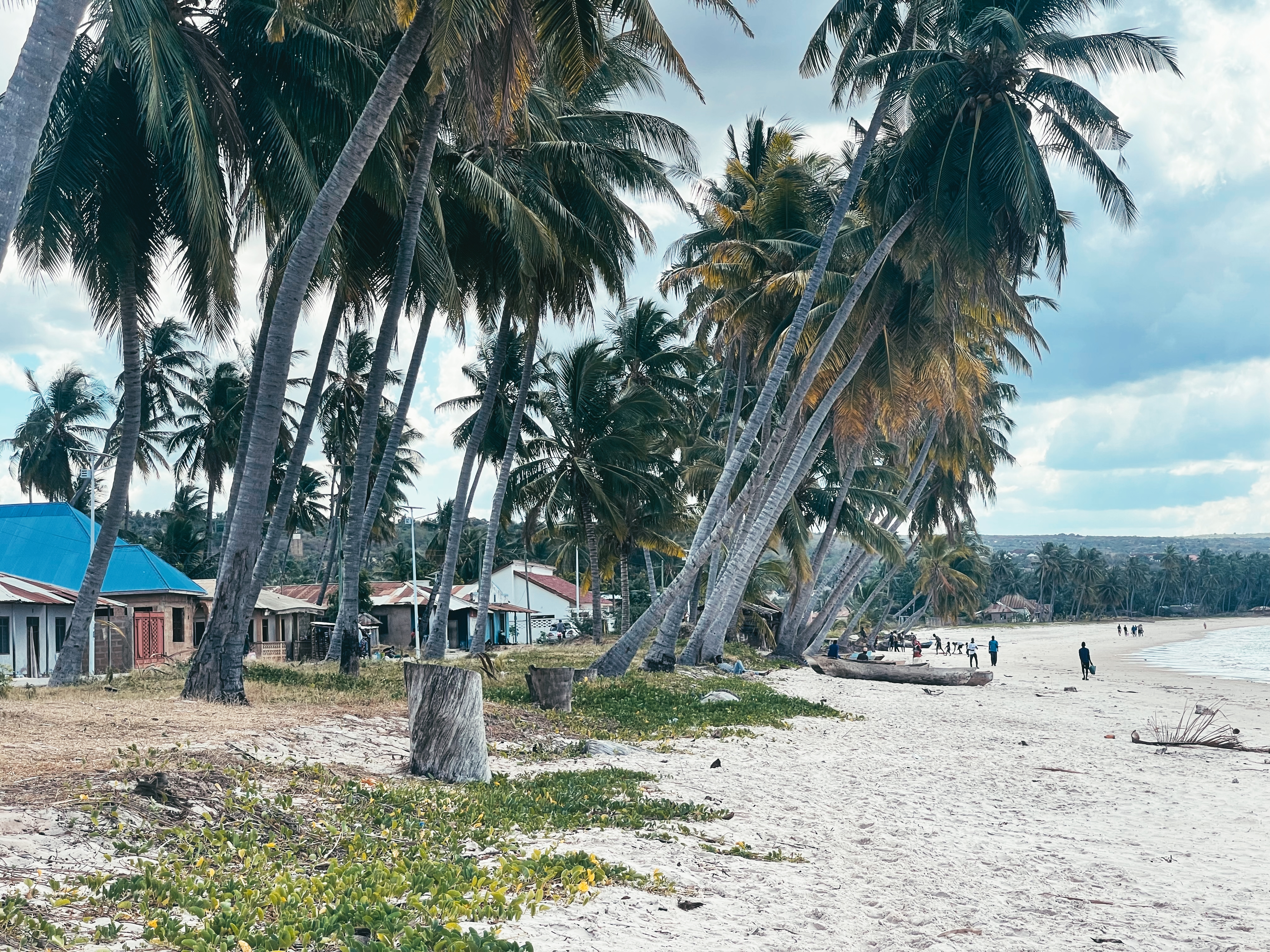
Agriculture and fishing drive nearly everything here — cashew nuts and coconuts are the main cash crops, and the Indian Ocean coastline sustains both artisanal and commercial fishing operations. Tourism exists around Kilwa Kisiwani (a genuine UNESCO World Heritage Site) and proximity to Selous Game Reserve, but it's thin and seasonal, not a reliable income source for expats. Remote workers are essentially the only foreigners earning here; there's no expat job market to speak of. With 13 people per km² and 0.9% annual population growth, the local economy moves slowly by design.
A one-bedroom in the city center runs around $150/month, which is the headline number, but factor in what you're not getting: reliable electricity, consistent internet, and easy healthcare access. Serious medical issues mean a trip to Dar es Salaam, roughly 500km north. Road infrastructure is limited and often poor-condition outside the municipal center; water transport along the coast fills some gaps. Swahili is essential — English gets you almost nowhere outside the occasional tourism context. Bureaucracy for residency permits is Tanzania-wide friction, not Lindi-specific, but there's no expat infrastructure here to help you navigate it.
Temperatures stay between 22–28°C year-round, which is genuinely comfortable outside the February–March wet season when roads can become impassable. Food is fresh, local, and cheap — grilled fish, coconut rice, and cassava dominate. The social scene is essentially zero for expats; there's no established foreign community, no coworking spaces, no expat Facebook group with 4,000 members. Weekends mean the beach, the bay, or day trips to Kilwa's ruins if you have transport. This city suits a specific type: the self-sufficient remote worker or early retiree who wants radical quiet, low costs, and genuine off-grid East African coastal life — and has no need for expat community scaffolding.
Estimate the cost of moving to Lindi, Tanzania
Get a free moving cost estimate for moving to Lindi, Tanzania. Takes 10 seconds.
How much are you shipping?
When are you moving?
Powered by Sirelo. Free quotes from international movers.
🏚️ Cost of Living
A 1BR in the center runs about $150/mo. If your income is in another currency, bank FX fees add up. A multi-currency account can cut that cost.
Lindi is a coastal port city with moderate safety concerns for expats. Day-to-day life feels relatively normal in central areas, but nighttime walkability is limited—most expats avoid walking alone after dark. The city has a slower pace than Dar es Salaam, which can feel safer, but petty crime and opportunistic theft remain constant concerns. Your actual safety depends heavily on neighborhood choice and situational awareness.
Petty theft, bag snatching, and pickpocketing are the primary risks, especially in crowded markets and near the port. Armed robbery is rare but documented in isolated areas. Avoid displaying valuables, walking alone at night, and poorly lit neighborhoods. Solo female travelers should exercise extra caution; harassment is not uncommon. Scams targeting foreigners (inflated prices, fake tours) are common. Use registered taxis or arrange transport through trusted contacts.
Tanzania's political environment is generally stable, though police corruption is widespread and reliability inconsistent. Lindi's remote location means slower emergency response times compared to major cities. The local government is functional but underfunded. For an American considering relocation, Lindi is feasible if you're security-conscious, have local connections, and accept a modest standard of living. It's not recommended for those seeking urban convenience or those uncomfortable with moderate crime risk.
Lindi has a safety index of 45/100. Petty theft and lost belongings are the most common problems for newcomers. Compare travel insurance before you go.
While Lindi itself has limited coworking options, Buni Hub in Dar es Salaam (a major city accessible from Lindi) is a well-established tech and innovation hub. It offers a collaborative environment, workshops, and networking opportunities, making it suitable for digital nomads willing to travel for a day or two to connect with a larger community.
Similar to Buni Hub, Kiwetu Hub is located in Dar es Salaam and provides a professional coworking space with reliable internet, meeting rooms, and a supportive community. It's a viable option for remote workers in Lindi who occasionally need a more structured work environment and are willing to travel.
See how Lindi's digital nomad life compares with Buseresere
🧳 Expat Life
English Proficiency
Limited
Expat Community
Very Few
Top Neighborhoods
Lindi Town
Banks Nearby
4
ATMs Nearby
0
Expat Life Notes
Lindi is a quiet coastal town with historical ruins and very little modern expat infrastructure.
Pros
✓ Untouched beaches nearby
✓ Peaceful and quiet
✓ Historical charm
Cons
✗ Very basic amenities
✗ Lack of English proficiency
✗ Isolated from Dar es Salaam
🏘️ Neighborhoods in Lindi
Areas of Lindi that expats often consider.
Conditions can change from one block to the next, and these descriptions are general guides, not safety assessments. Before choosing where to stay or live, check current travel advisories, talk to people who live there, and visit in person if you can.
Mikindani
Historic Swahili trading port
A historic area with well-preserved Swahili architecture. It's relatively quiet and offers a glimpse into the region's past. While not bustling, it has some guesthouses and is becoming more known to tourists, so some English is spoken. Limited public transport, best with a car or bajaji.
Nangwanda Sijaona
Bustling commercial and residential
The main commercial hub of Lindi town, offering a mix of shops, markets, and residential areas. It's a lively area, but can be noisy and crowded. Not particularly expat-focused, so Swahili is essential. Good access to local transport.
Rasbura
Quiet coastal residential area
A more relaxed residential area located near the coast. It offers a quieter environment compared to the town center. Limited amenities and public transport, but a good option for those seeking peace and quiet. Swahili is necessary.
Mitwero
Developing residential, budget-friendly
A developing area on the outskirts of Lindi town. It's a more affordable option, but lacks developed infrastructure and amenities. Public transport is available, but can be unreliable. Primarily Swahili speaking.
Mnazi Moja
Central, mixed residential/commercial
Located centrally, Mnazi Moja offers a mix of residential and commercial properties. It's a convenient location with access to shops and services. Can be quite busy during the day. Swahili is essential for daily life.
Page 1 of 2
Could living/working in Lindi cut years off your work life?
With a 1-bedroom in the center at $150/mo, your FIRE number here might be much lower than you think.
Lindi has a population of approximately 1,194,028 people.
A single person can expect to spend around $375 per month in Lindi, including rent. A 1-bedroom apartment in the city center costs approximately $150/month.
The nearest airport to Lindi is LDI, approximately 16.6km away.
Lindi is considered moderate in terms of safety, with a safety index of 45.0. As with any city abroad, expats should research specific neighborhoods before committing to a location.
Lindi has an average internet speed of 10 Mbps. It is not yet considered a well-established digital nomad destination.
It's inconsistent. Mobile data via Vodacom or Airtel Tanzania is your primary option, and speeds vary significantly. Fixed broadband infrastructure is minimal outside the town center. Most remote workers use a 4G router with a local SIM and budget for outages. It's workable for async work; live video calls will frustrate you regularly.
Basic care is available at Lindi Regional Referral Hospital, but for anything beyond routine treatment, you're looking at traveling to Dar es Salaam. Comprehensive international health insurance with medical evacuation coverage is non-negotiable here, not optional. Don't rely on local facilities for serious conditions.
Rental costs in Lindi are quite affordable. You can find a decent one-bedroom apartment in areas like Mikindani for around $200-$300 USD per month, while larger houses further from the city center might range from $400-$600 USD.
Lindi doesn't have a large expat community compared to cities like Dar es Salaam or Arusha. You'll find a smaller, more tight-knit group, often involved in NGOs, tourism, or small businesses. Social life tends to be more integrated with the local community.
Lindi has a tropical climate, meaning it's hot and humid year-round. The rainy season is generally from November to May, with the heaviest rains in March and April. Expect temperatures in the 80s and 90s Fahrenheit throughout the year.
Getting around Lindi is usually done by dala-dala (minibus), bajaji (tuk-tuk), or motorcycle taxi (boda-boda). Dala-dalas are the cheapest option, but can be crowded. Bajajis are more convenient for shorter distances, and negotiating the fare is essential.
For longer stays, you'll need to explore options beyond the tourist visa. A residence permit based on investment, employment, or family ties is necessary. Consulting with an immigration lawyer in Tanzania is highly recommended to navigate the process.
While Swahili is the primary language, English is spoken in tourist areas and by some professionals. Learning basic Swahili will significantly improve your daily life and interactions with locals, especially outside of the main town.
Yes, you can find ATMs in Lindi that accept Visa and Mastercard, particularly at branches of CRDB Bank and NMB Bank. However, be prepared for potential transaction fees and daily withdrawal limits. It's wise to inform your bank of your travel plans.
The local cuisine features fresh seafood, grilled meats, and staples like ugali (maize porridge) and rice. Eating at local restaurants (mishkaki stalls) is very affordable, with meals costing just a few dollars. Expect to pay more at tourist-oriented establishments.
Lindi offers access to beautiful beaches, historical sites like the Kilwa Kisiwani ruins (a UNESCO World Heritage site), and opportunities for diving and snorkeling. Exploring the local markets and experiencing the Swahili culture are also highly recommended.
Power outages can occur in Lindi, though the situation has improved in recent years. Having a backup power source, like a generator or solar panels, can be beneficial, especially if you rely on consistent electricity for remote work.
Lindi offers a much slower and more relaxed pace of life compared to major cities in the US. Things operate on 'Tanzania time,' so patience is key. Embrace the slower rhythm and enjoy the more laid-back atmosphere.
Yes, $2000 USD per month would allow for a comfortable lifestyle in Lindi. This budget would cover rent, food, transportation, entertainment, and some discretionary spending. You could potentially live on less if you are frugal.
As a US citizen, you're still required to file US taxes even when living abroad. The Foreign Earned Income Exclusion (FEIE) can help you exclude a certain amount of your foreign-earned income from US taxes. Also, be aware of FBAR and FATCA reporting requirements.
Cost-of-living and visa updates for Lindi and the rest of Tanzania. Free with RA Postcards.
By submitting your email address, you will receive a free subscription to RA Postcards and special offers from Rewire Abroad and our affiliates. You can unsubscribe at any time, and we encourage you to read more about our Privacy Policy.