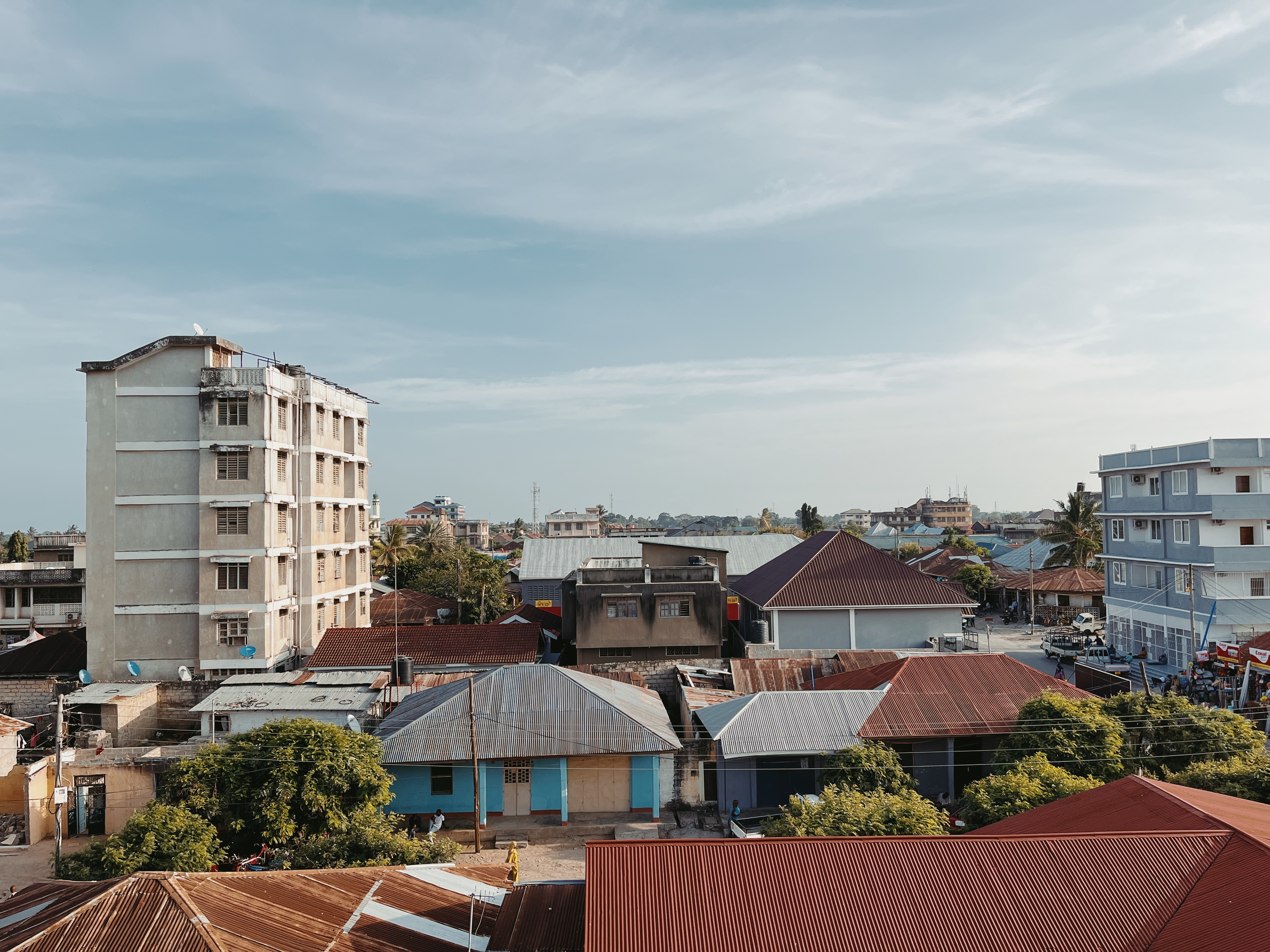
Maritime trade dominates everything here, with the Port of Tanga operating at 90% capacity handling coal, crude oil, and agricultural exports like sisal and coffee. Tanga Cement provides steady industrial employment, while the rehabilitated railway to Arusha (reopened in 2019 after a 5.7 billion shilling investment) has created logistics jobs. Most locals work in port operations, cement production, or small-scale agriculture and trading. The economy runs on Tanzania's northern trade corridor, making it less diversified than Dar es Salaam but more stable than purely agricultural towns.
One-bedroom apartments in the city center run about $300 monthly, reasonable by East African standards but expect basic amenities. The A14 highway connects you to major cities, though the 250km journey to Chalinze takes patience on rough sections. Healthcare relies on regional hospitals with limited specialist services—serious cases often require evacuation to Dar es Salaam. Swahili is essential for daily life; English works in business settings but not much elsewhere. Government bureaucracy moves at typical Tanzanian pace, meaning patience and multiple visits for permits or registrations.
Two rainy seasons (April-May and November-December) bring 1,290mm annually, creating humid conditions year-round with temperatures rarely dropping below 20°C. Local food centers on fresh seafood, ugali, and Indian Ocean spices, though international dining options remain limited. The expat community is tiny—mostly development workers and a few retirees—so social life revolves around local connections rather than expat bubbles. Weekends mean beach time, exploring Amboni Caves, or day trips to Pemba Island via the small airport. This suits adventurous types who want authentic East African coastal living without tourist crowds.
Estimate the cost of moving to Tanga, Tanzania
Get a free moving cost estimate for moving to Tanga, Tanzania. Takes 10 seconds.
How much are you shipping?
When are you moving?
Powered by Sirelo. Free quotes from international movers.
🏚️ Cost of Living
A 1BR in the center runs about $300/mo. If your income is in another currency, bank FX fees add up. A multi-currency account can cut that cost.
Tanga is a relatively calm port city with a moderate safety profile for expats. Day-to-day life feels reasonably secure, though nighttime solo walking isn't advisable in unfamiliar areas. The city lacks the intense crime pressure of Dar es Salaam, and expats report manageable daily routines. However, petty theft and opportunistic crime do occur, so situational awareness remains essential.
Common risks include pickpocketing in crowded markets, bag snatching, and home burglaries targeting expat residences. Avoid displaying valuables, walking alone after dark, and poorly lit neighborhoods. Solo female travelers should exercise caution in isolated areas and use trusted transportation. Violent crime against expats is uncommon but not unheard of; most incidents stem from robbery attempts rather than targeted violence.
Tanzania's political environment is generally stable, though police corruption and inconsistent law enforcement are concerns. Tanga itself sees minimal political unrest compared to other regions. Police response times can be slow, and the justice system is unreliable for expats. Overall, Tanga is suitable for expats seeking a quieter alternative to major cities, provided you maintain practical security habits and avoid complacency.
Tanga has a safety index of 60/100. Petty theft and lost belongings are the most common problems for newcomers. Compare travel insurance before you go.
Tanga has a tropical climate with warm, humid conditions year-round and two rainy seasons (March-May and October-November), making it consistently warm but occasionally very wet.
💻 Digital Nomad
Avg Internet Speed
10 Mbps
Coworking Availability
None
Coworking Spaces Nearby
0
Digital Nomad Score
50/100
Community Notes
Tanga offers stunning ocean views and local charm, albeit with basic infrastructure.
Located in the heart of Tanga, TIC offers a collaborative environment with reliable internet, meeting rooms, and training facilities. It's a great option for digital nomads looking to connect with local entrepreneurs and innovators.
iDEALAB Tanga provides a modern workspace with comfortable seating, high-speed internet, and printing services. Situated near the city center, it's easily accessible and offers a professional atmosphere suitable for focused work.
See how Tanga's digital nomad life compares with Mwanza
🧳 Expat Life
English Proficiency
Limited
Expat Community
Small
Top Neighborhoods
Raskazone
Banks Nearby
14
ATMs Nearby
9
Expat Life Notes
A historic port city with very basic expat lifestyle infrastructure; expat presence is mostly in the sisal trade.
Pros
✓ Safe coastal vibe
✓ Authentic culture
✓ Cheap
Cons
✗ Infrastructure gaps
✗ Limited English spoken
✗ Poor healthcare options
🏘️ Neighborhoods in Tanga
Areas of Tanga that expats often consider.
Conditions can change from one block to the next, and these descriptions are general guides, not safety assessments. Before choosing where to stay or live, check current travel advisories, talk to people who live there, and visit in person if you can.
Usagara
Bustling commercial, residential mix
Usagara is a central area with a mix of shops, restaurants, and housing. It's relatively walkable and has good access to public transport (dala-dalas). While convenient, it can be noisy and crowded, and finding a modern apartment might require some searching.
Central Business District (CBD)
Lively, commercial, coastal access
The CBD offers proximity to the port, markets, and some historical buildings. While convenient for accessing services, it can be very busy and noisy during the day. Accommodation options are limited, and security can be a concern in certain areas at night.
Ras Kazone
Quiet residential, coastal views
Ras Kazone is a more upscale residential area known for its coastal views and quieter atmosphere. It's further from the city center, so a car or reliable transportation is recommended. Expect to pay more for accommodation here, but enjoy a more peaceful environment.
Mikanjuni
Local residential, budget-friendly
Mikanjuni offers a more authentic Tanzanian living experience. It's a residential area with lower rents, but fewer amenities geared towards foreigners. Swahili language skills would be very helpful here, and transportation relies heavily on dala-dalas or bajajis (auto rickshaws).
Ngamiani
Mixed residential, growing area
Ngamiani is a developing area with a mix of residential and commercial properties. It's a good option for those seeking a balance between affordability and convenience. Infrastructure is still developing, so expect occasional power outages and limited access to some services.
Majengo
Traditional, vibrant, local culture
Majengo is a historic area with a strong sense of community and traditional Tanzanian culture. It's a lively neighborhood with bustling markets and local shops. While affordable, it may not be suitable for those seeking modern amenities or a quiet environment.
Page 1 of 2
Could living/working in Tanga cut years off your work life?
With a 1-bedroom in the center at $300/mo, your FIRE number here might be much lower than you think.
Tanga has a population of approximately 202,450 people.
A single person can expect to spend around $750 per month in Tanga, including rent. A 1-bedroom apartment in the city center costs approximately $300/month.
The nearest airport to Tanga is TGT, approximately 3.8km away.
Tanga is considered relatively safe, with a safety index of 60.0. As with any city abroad, expats should research specific neighborhoods before committing to a location.
Tanga has an average internet speed of 10 Mbps. It is not yet considered a well-established digital nomad destination.
Generally safe with a safety index of 60, but petty theft and opportunistic crime occur. Avoid walking alone at night, secure your belongings, and build relationships with neighbors who often provide informal security networks.
Yes, Swahili is essential for daily life including shopping, banking, and dealing with local services. English works in some business contexts and with educated professionals, but you'll struggle without basic Swahili conversational skills.
Tanga has a tropical climate, meaning it's hot and humid year-round. Expect two rainy seasons: March to May (long rains) and October to December (short rains). The hottest months are generally January and February, while July and August are slightly cooler.
For expats, areas like Ras Kazone and near the Tanga Yacht Club are popular due to their proximity to the ocean and relatively quieter atmosphere. If you're on a tighter budget, consider areas slightly further from the center, but be mindful of accessibility to amenities.
Internet speeds in Tanga can be inconsistent. While mobile data is readily available and relatively affordable, speeds can fluctuate. For reliable internet, consider subscribing to a local ISP and inquire about their uptime guarantees, especially if your work depends on it.
Coworking spaces are not yet widely established in Tanga. Your best bet is likely to be working from cafes with Wi-Fi or renting office space if you require a dedicated workspace. Some hotels may also offer business facilities.
Tanzania doesn't have a specific retirement visa. Americans typically enter on a tourist visa and then apply for a residence permit based on investment, employment, or other qualifying factors. Consulting with an immigration lawyer in Tanzania is highly recommended.
Tanga offers a mix of Swahili and international cuisine. Expect lots of seafood, grilled meats, and flavorful stews. Eating at local restaurants is very affordable, with meals costing $3-$7 USD. Upscale restaurants will be pricier, but still relatively inexpensive compared to the US.
Several banks operate in Tanga, including CRDB Bank and NMB Bank. Opening an account requires some paperwork and may take time. For international transfers, services like Wise (formerly TransferWise) and WorldRemit are often more convenient and offer better exchange rates than traditional bank transfers.
While Swahili is the official language, you can get by with English in tourist areas and when dealing with businesses. However, learning some basic Swahili phrases will greatly enhance your experience and interactions with locals. Be prepared for a slower pace of life and a more relaxed attitude towards schedules.
As a US citizen, you're still required to file US taxes even when living abroad. You may be able to exclude a certain amount of your foreign-earned income using the Foreign Earned Income Exclusion (FEIE). Also, be aware of FBAR requirements for reporting foreign bank accounts.
It's generally not recommended to drink tap water in Tanga. Bottled water is readily available and affordable. You can also boil tap water for several minutes before using it for cooking or drinking.
Healthcare in Tanga is limited compared to Western standards. There are public and private hospitals, but quality can vary. Finding English-speaking doctors may require some research. For serious medical issues, evacuation to Nairobi or Dar es Salaam might be necessary. Consider comprehensive international health insurance.
Yes, $2,000 USD per month is generally sufficient for a comfortable lifestyle in Tanga. This budget should cover rent, food, transportation, and some leisure activities. You may even be able to save a portion of your income, depending on your spending habits.
The most common forms of local transportation in Tanga are 'daladalas' (minibuses), bajajis (three-wheeled taxis), and regular taxis. Daladalas are the cheapest option, but can be crowded. Bajajis are good for short distances, and taxis are the most convenient but also the most expensive.
Tanzania is a conservative society, so dressing modestly is appreciated, especially outside of tourist areas. Public displays of affection are generally frowned upon. Also, be prepared for a slower pace of life and a more relaxed attitude towards time. Politeness and respect are highly valued.
Cost-of-living and visa updates for Tanga and the rest of Tanzania. Free with RA Postcards.
By submitting your email address, you will receive a free subscription to RA Postcards and special offers from Rewire Abroad and our affiliates. You can unsubscribe at any time, and we encourage you to read more about our Privacy Policy.