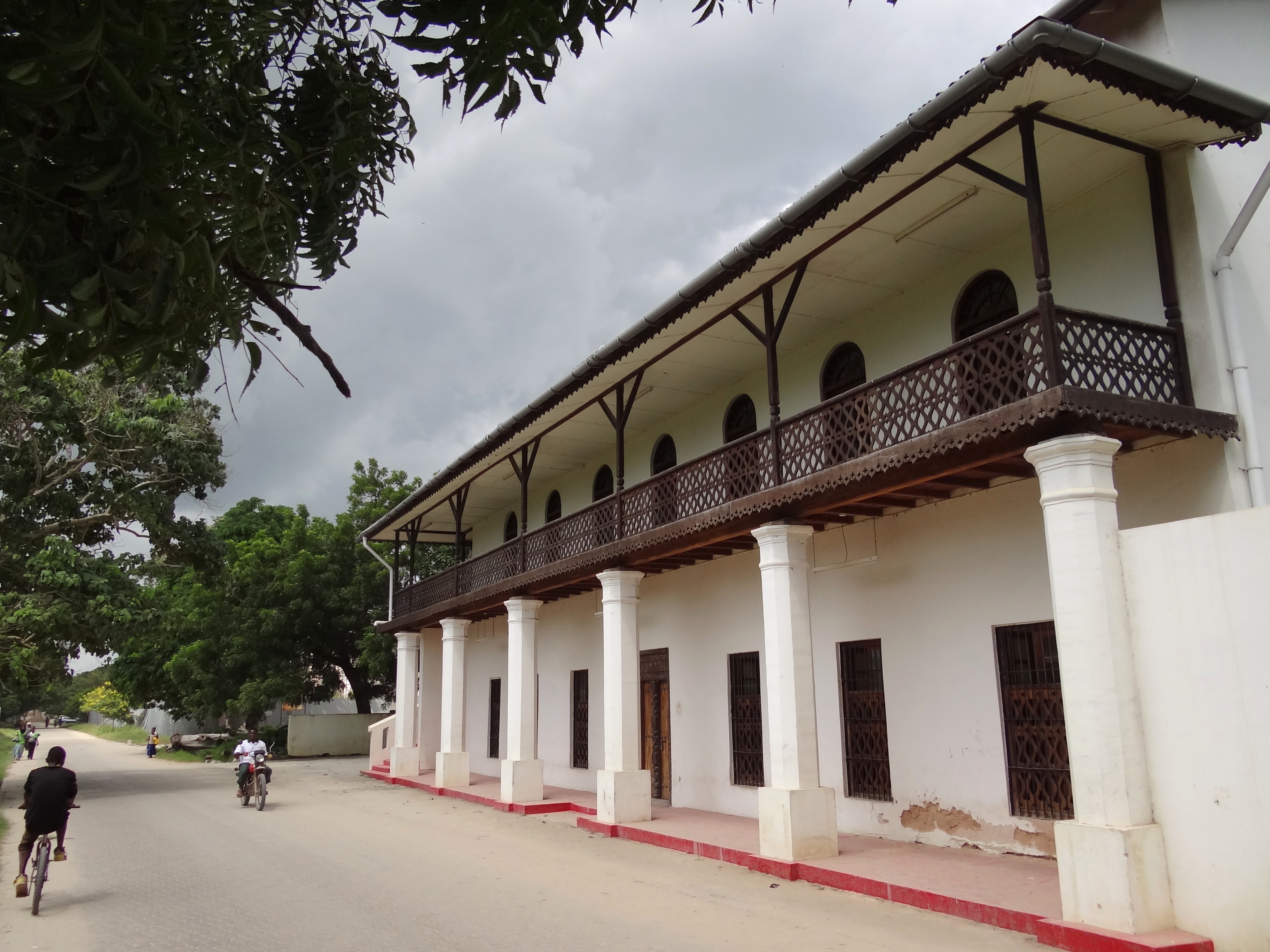
Bagamoyo's economy runs on fishing, agriculture, and heritage tourism—not tech jobs or corporate offices. Most locals work in small-scale fishing, farming coconut and cassava, or running guesthouses and tour operations tied to the colonial ruins and slave trade sites. There's no job market for remote workers here in the traditional sense; you're either self-employed, running a business, or living on external income. The port function matters mainly for regional trade, not employment.
Rent for a one-bedroom in town runs $58/month; a decent house with space costs $150–250. Transport is basic—minibuses to Dar es Salaam (75km, $2–3) are frequent but slow. Healthcare is thin; serious issues mean driving to Dar. Swahili is the working language; English is sparse outside tourism. Bureaucracy for residency is standard Tanzania hassle: expect multiple office visits, unclear timelines, and patience. Internet is patchy but workable for email and messaging.
Tropical heat and humidity year-round, with rainy seasons April–May and November–December. Fresh seafood is excellent and cheap; local restaurants serve grilled fish for $3–5. The expat community is tiny—maybe 20–30 people—mostly retirees, researchers, and NGO staff. Weekends mean beach walks, snorkeling, exploring Kaole Ruins, or day trips to Zanzibar by ferry. Bagamoyo suits slow-living retirees on modest budgets and heritage researchers, not people seeking social infrastructure or career momentum.
Estimate the cost of moving to Bagamoyo, Tanzania
Get a free moving cost estimate for moving to Bagamoyo, Tanzania. Takes 10 seconds.
How much are you shipping?
When are you moving?
Powered by Sirelo. Free quotes from international movers.
🏚️ Cost of Living
A 1BR in the center runs about $56.93/mo. If your income is in another currency, bank FX fees add up. A multi-currency account can cut that cost.
Bagamoyo feels relatively safe for a small Tanzanian coastal town, with a relaxed pace that suits expats seeking quiet retirement. Daytime walking is generally secure, though nighttime solo walks aren't recommended—most expats use taxis after dark. The town's modest size and tight-knit community create natural informal security, though petty opportunism exists. Compared to larger Tanzanian cities, it's noticeably calmer.
Petty theft and pickpocketing occur, especially in crowded markets and around the waterfront. Avoid displaying expensive jewelry, cameras, or large cash amounts. Home break-ins targeting expat residences happen occasionally; secure housing with good locks and gates is essential. Solo female travelers should exercise standard precautions—avoid isolated beaches alone and be cautious with strangers. Scams targeting foreigners are less common here than in tourist hubs, but remain vigilant with money exchanges.
Tanzania's political environment is generally stable, though police corruption and inconsistent law enforcement are realities. Bagamoyo itself sees minimal political unrest. Emergency services are basic; serious medical issues may require travel to Dar es Salaam. For Americans seeking a quiet, affordable coastal base with manageable risks, Bagamoyo works—but it requires practical security habits and realistic expectations about infrastructure and institutional reliability.
Bagamoyo has a safety index of 58/100. Petty theft and lost belongings are the most common problems for newcomers. Compare travel insurance before you go.
Bagamoyo has a tropical coastal climate with warm, humid conditions year-round, a hot rainy season from March to May, and a cooler dry season from June to October.
💻 Digital Nomad
Avg Internet Speed
10.5 Mbps
Internet (monthly)
$23/mo
Coworking Availability
None
Coworking Spaces Nearby
0
Digital Nomad Score
41/100
Community Notes
Bagamoyo's rich history and coastal vibes attract adventurous nomads.
While not a dedicated coworking space, TaSUBa offers a creative environment with potential for informal workspace arrangements. Located in Bagamoyo town, it's a good option for those seeking a unique, culturally rich atmosphere and is very affordable, though amenities may be basic.
Travellers Lodge offers a relaxed environment with reliable Wi-Fi, making it suitable for remote work. Located near the beach, it provides a tranquil setting and a change of scenery, though it's more of a hotel with workspace potential than a dedicated coworking space.
See how Bagamoyo's digital nomad life compares with Tanga
🧳 Expat Life
English Proficiency
Limited
Expat Community
Small
Top Neighborhoods
Historic Center
Banks Nearby
4
ATMs Nearby
1
Expat Life Notes
A historic port with a unique arts and heritage scene. Quiet and authentic.
Pros
✓ Rich history
✓ Clean air
✓ Beach access
Cons
✗ Limited infrastructure
✗ Quiet social scene
✗ Isolated
🏘️ Neighborhoods in Bagamoyo
Areas of Bagamoyo that expats often consider.
Conditions can change from one block to the next, and these descriptions are general guides, not safety assessments. Before choosing where to stay or live, check current travel advisories, talk to people who live there, and visit in person if you can.
Old Town (Kaole)
Historic, cultural, laid-back
Centered around the Kaole Ruins, this area offers a glimpse into Bagamoyo's rich history. It's popular with tourists and some expats seeking a more authentic experience. Expect a slower pace of life, limited amenities, and potentially higher prices due to tourism.
Mlingotini
Residential, quiet, local life
A more residential area further from the immediate tourist zone. Mlingotini offers a chance to immerse yourself in local Tanzanian life. Swahili language skills are essential here, and amenities are more basic.
Magereza
Central, bustling, commercial hub
The commercial heart of Bagamoyo, Magereza is where you'll find shops, markets, and transportation links. It's a lively and convenient area, but can be noisy and crowded. Some guesthouses and apartments cater to budget travelers and longer-term stays.
Karibu Beach Area
Beachfront, relaxed, tourist-oriented
Stretching along the coast north of the main town, this area features several hotels, guesthouses, and restaurants catering to tourists. It's a good option for those wanting easy beach access and a more relaxed atmosphere. Expect higher prices and potential noise from beach activities.
Block 10
Developing, residential, affordable
A newer residential area on the outskirts of Bagamoyo. Block 10 offers more affordable housing options. It's less developed than other areas, with limited amenities and transportation, but provides a glimpse into the town's growth.
Bagamoyo Town Center
Lively, mixed-use, convenient
The central area of Bagamoyo offers a mix of residential, commercial, and administrative functions. It's a convenient location with easy access to amenities and transportation. Expect a bustling atmosphere and a mix of locals and tourists.
Page 1 of 2
Could living/working in Bagamoyo cut years off your work life?
With a 1-bedroom in the center at $57/mo, your FIRE number here might be much lower than you think.
Bagamoyo has a population of approximately 35,000 people.
A single person can expect to spend around $142 per month in Bagamoyo, including rent. A 1-bedroom apartment in the city center costs approximately $57/month.
The nearest airport to Bagamoyo is ZNZ, approximately 43.2km away.
Bagamoyo is considered moderate in terms of safety, with a safety index of 58.0. As with any city abroad, expats should research specific neighborhoods before committing to a location.
Bagamoyo has an average internet speed of 10.5 Mbps. It is not yet considered a well-established digital nomad destination.
Internet exists but is inconsistent. Mobile data (Vodacom, Airtel) is more reliable than fixed broadband. Many expats use a backup SIM or work from Dar es Salaam cafes for important calls. Expect 2–5 Mbps on good days. Not ideal for video-heavy work, but email and messaging work fine.
Very small—roughly 20–30 people, mostly retirees, NGO workers, and researchers. No expat bars or organized meetups. You'll meet people through guesthouses and heritage sites, but don't expect a social scene. Dar es Salaam, 75km away, has a larger expat network if you need it.
You can find basic one-bedroom apartments outside the immediate town center for around $200-$300 per month. Expect to pay more for beachfront properties or modern amenities, potentially reaching $500 or more. Negotiating is common, so don't be afraid to haggle.
Getting around Bagamoyo is relatively easy using bajajis (three-wheeled taxis) and dalla-dallas (minibuses). Bajajis are readily available and affordable for short trips within town. Dalla-dallas are cheaper for longer distances but can be crowded and less comfortable.
While Bagamoyo has local clinics, finding English-speaking doctors can be challenging. For more comprehensive medical care and English-speaking staff, many expats travel to Dar es Salaam, which is about a 75km drive. Ensure you have comprehensive travel or international health insurance.
Bagamoyo has a tropical climate with hot and humid conditions year-round. The long rainy season is from March to May, and a shorter rainy season occurs in November and December. The hottest months are typically January and February, while June to September are slightly cooler and drier.
Groceries from local markets are very affordable; you can easily spend under $100 per month if you eat local produce and staples. Eating out at local restaurants is also inexpensive, with meals costing $3-$7. Expect to pay more at tourist-oriented establishments.
US citizens can enter Tanzania on a tourist visa, valid for 90 days. For longer stays, you'll need to apply for a residency permit through the Tanzanian Immigration Department. Options include permits for investors, employees, or retirees, each with specific requirements and application processes.
Bagamoyo is known for its rich history and beautiful beaches. Popular activities include exploring the Kaole Ruins, visiting the Caravan Serai, relaxing on the beach, and taking boat trips to nearby islands. You can also visit the Saadani National Park, which is relatively close.
Electricity supply in Bagamoyo can be unreliable, with occasional power outages. It's advisable to have a backup power source, such as a generator or solar panels, especially if you rely on electricity for remote work or medical equipment. Power surges are also common, so surge protectors are essential.
Several banks operate in Bagamoyo, but ATMs may not always be reliable. It's best to open an account with a major bank and use international money transfer services like Wise or Remitly for transferring funds. Be aware of potential fees and exchange rates.
While Bagamoyo is generally considered safe, petty theft can occur, especially in crowded areas. Avoid walking alone at night, keep valuables out of sight, and be cautious of scams. It's also wise to be aware of your surroundings and avoid displaying wealth ostentatiously.
While Swahili is the primary language, English is spoken in tourist areas and by some locals, especially those working in the tourism industry. Learning basic Swahili phrases will greatly enhance your experience and interactions with the community.
Bagamoyo can be a viable option for early retirement on $2,000 per month, but careful budgeting is essential. You'll need to prioritize affordable housing, local food, and transportation. Healthcare costs and unexpected expenses should also be factored into your budget. It's definitely doable, but requires a frugal lifestyle.
As a US citizen, you're still required to file US taxes even when living abroad. The Foreign Earned Income Exclusion (FEIE) can help you exclude a certain amount of your foreign-earned income from US taxes. You may also need to report foreign bank accounts if they exceed a certain threshold (FBAR).
Cost-of-living and visa updates for Bagamoyo and the rest of Tanzania. Free with RA Postcards.
By submitting your email address, you will receive a free subscription to RA Postcards and special offers from Rewire Abroad and our affiliates. You can unsubscribe at any time, and we encourage you to read more about our Privacy Policy.