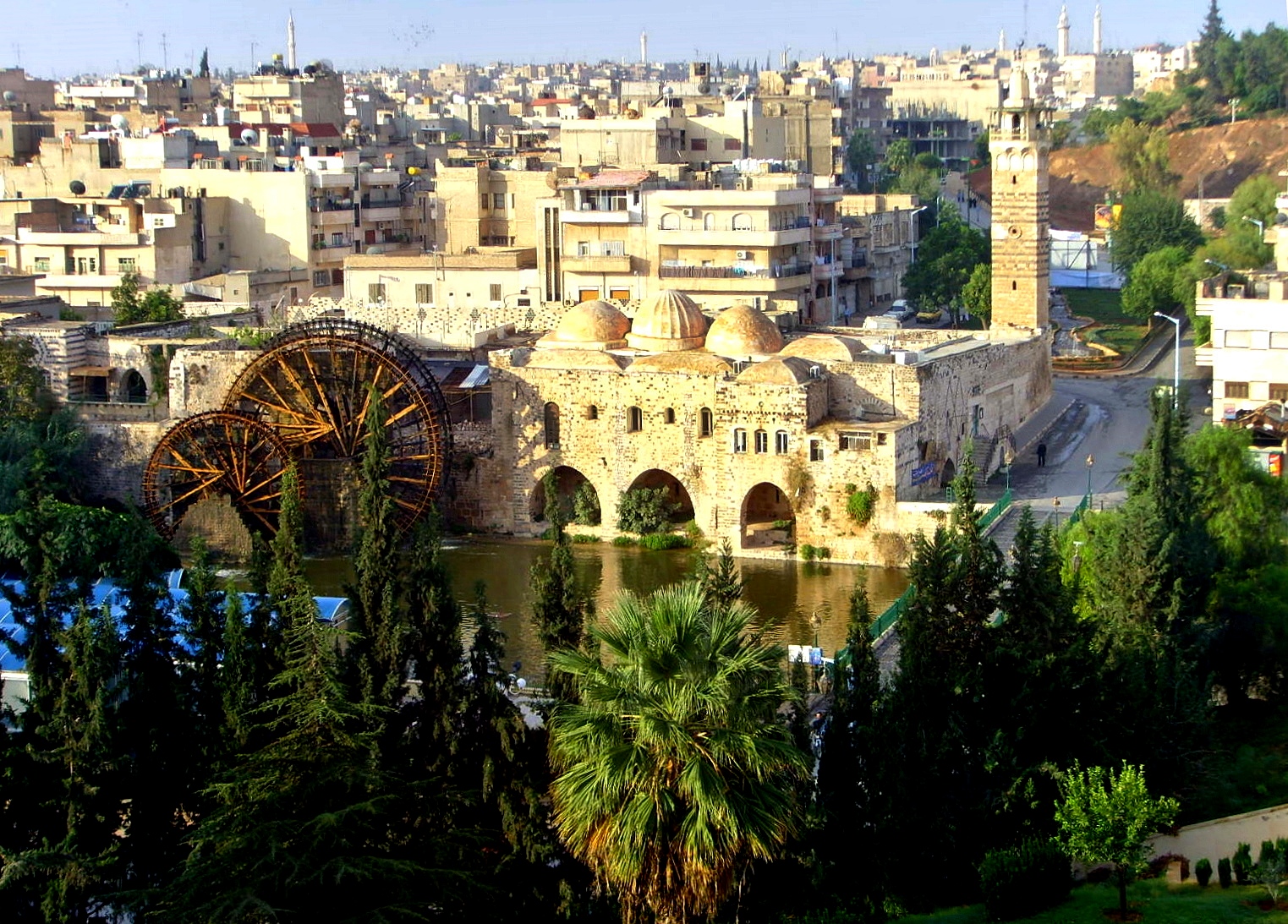
Hama, Syria
📊 Scores
Best fit: FIRE / Geoarbitrage (score: 50)
Agriculture and textile manufacturing have long anchored the local economy, with the Orontes River valley supporting wheat, cotton, and fruit farming for surrounding communities. Cheesemaking — particularly the production of Halawet el Jibn — remains a genuine industry, not just a cultural footnote. Hama functions as a commercial transit point between Damascus, Aleppo, and the Syrian coast, meaning trade and small-scale retail employ a significant share of residents. For foreigners, formal employment opportunities are essentially nonexistent under current conditions.
A one-bedroom apartment in the city center runs around $120/month, which reflects economic collapse more than opportunity. Syria's banking system remains largely cut off from international networks due to sanctions, making money transfers genuinely difficult — cash dominates. Healthcare infrastructure has been severely degraded by over a decade of conflict; reliable advanced medical care is not available locally. Arabic is the only working language. Bureaucracy is unpredictable and shaped by ongoing political instability rather than standard administrative processes.
The Mediterranean climate delivers hot, dry summers and mild winters, moderated somewhat by the river valley. The seventeen historic norias along the Orontes are genuinely impressive and draw domestic visitors, but the broader tourism infrastructure is minimal. Food culture is strong — local cheese, kibbeh, and Syrian mezze are legitimately good. The expat community is effectively zero in any conventional sense. Weekends here mean local markets, river walks, and family-centered social life. This city suits nobody relocating for lifestyle or financial independence — it's relevant only to aid workers, journalists, or Syrians returning home.
Estimate the cost of moving to Hama, Syria
Get a free moving cost estimate for moving to Hama, Syria. Takes 10 seconds.
How much are you shipping?
When are you moving?
Powered by Sirelo. Free quotes from international movers.
🏚️ Cost of Living
A 1BR in the center runs about $120/mo. If your income is in another currency, bank FX fees add up. A multi-currency account can cut that cost.
See low-fee transfersWe may earn a commission at no cost to you.
See how Hama's cost of living compares with Jaramana
Be the first to report costs in Hama
🛡️ Safety & Crime
(Higher is safer)
(Lower is safer)
Hama is not a viable destination for American expats seeking safety. With a Safety Index of 30/100, the city experiences significant security challenges. Day-to-day life is heavily constrained by ongoing conflict, military presence, and infrastructure damage from Syria's civil war. Nighttime movement is extremely restricted, and the overall environment is fundamentally unsafe for foreign residents compared to typical expat destinations.
Beyond conventional crime, Hama faces active conflict-related dangers including military checkpoints, armed groups, and sporadic violence. Petty theft and scams exist but are secondary concerns. Solo travel of any kind is dangerous; women face heightened risks including harassment and vulnerability at checkpoints. Kidnapping, extortion, and arbitrary detention of foreigners have occurred. Basic services, medical care, and emergency response are severely compromised.
Hama remains deeply affected by Syria's ongoing civil war, with significant geopolitical instability, government control concerns, and unreliable security forces. Corruption is endemic, and police cannot reliably protect foreigners. The U.S. State Department advises against all travel to Syria. For Americans aged 30-65 considering relocation, Hama presents unacceptable security risks—this is not a remote work or retirement destination. Safer alternatives in the Middle East and globally should be prioritized.
Hama has a safety index of 30/100. Petty theft and lost belongings are the most common problems for newcomers. Compare travel insurance before you go.
Compare travel insuranceWe may earn a commission at no cost to you.
🏥 Healthcare
See how Hama's healthcare compares with Jaramana
🌤️ Climate
Best Months
Climate Notes
Semi-arid climate with hot, dry summers and cold, rainy winters.
💻 Digital Nomad
Community Notes
Safety concerns are high, and facilities for nomads are scarce.
Coworking Spaces
| Name | Notes |
|---|---|
| Regus Hama - Al-Assi Square | Located in the central Al-Assi Square, this Regus provides a professional environment with reliable internet and administrative support. Its central location offers easy access to amenities and transportation, making it suitable for expats. |
| Hama Business Center | While not exclusively a coworking space, Hama Business Center offers office rentals and likely has flexible desk options. Located near the city center, it provides a basic but functional workspace for remote workers seeking a budget-friendly option. |
Names, locations and hours can change. Check each space's website before you visit. Places from © OpenStreetMap contributors and Foursquare Open Source Places (Apache 2.0).
Working remotely from Hama? Nomad health insurance covers you across borders, month to month.
See nomad insuranceWe may earn a commission at no cost to you.
See how Hama's digital nomad life compares with Jaramana
🧳 Expat Life
Expat Life Notes
An ancient city with significant security concerns; current expat infrastructure is non-existent.
Pros
- ✓ Historical waterwheels
- ✓ Local hospitality
Cons
- ✗ Safety risk
- ✗ Economic hardship
- ✗ Isolation
🏘️ Neighborhoods in Hama
Conditions can change from one block to the next, and these descriptions are general guides, not safety assessments. Before choosing where to stay or live, check current travel advisories, talk to people who live there, and visit in person if you can.
Neighborhood guides for this city are being reviewed. In the meantime, see the safety section and check current travel advisories before choosing where to stay.
Could living/working in Hama cut years off your work life?
With a 1-bedroom in the center at $120/mo, your FIRE number here might be much lower than you think.
More Cities to Consider instead of Hama
Frequently Asked Questions about Hama
Click any question to expand the answer.
Share This Guide
Hama won't stay this cheap forever.
Cost-of-living and visa updates for Hama and the rest of Syria. Free with RA Postcards.
By submitting your email address, you will receive a free subscription to RA Postcards and special offers from Rewire Abroad and our affiliates. You can unsubscribe at any time, and we encourage you to read more about our Privacy Policy.