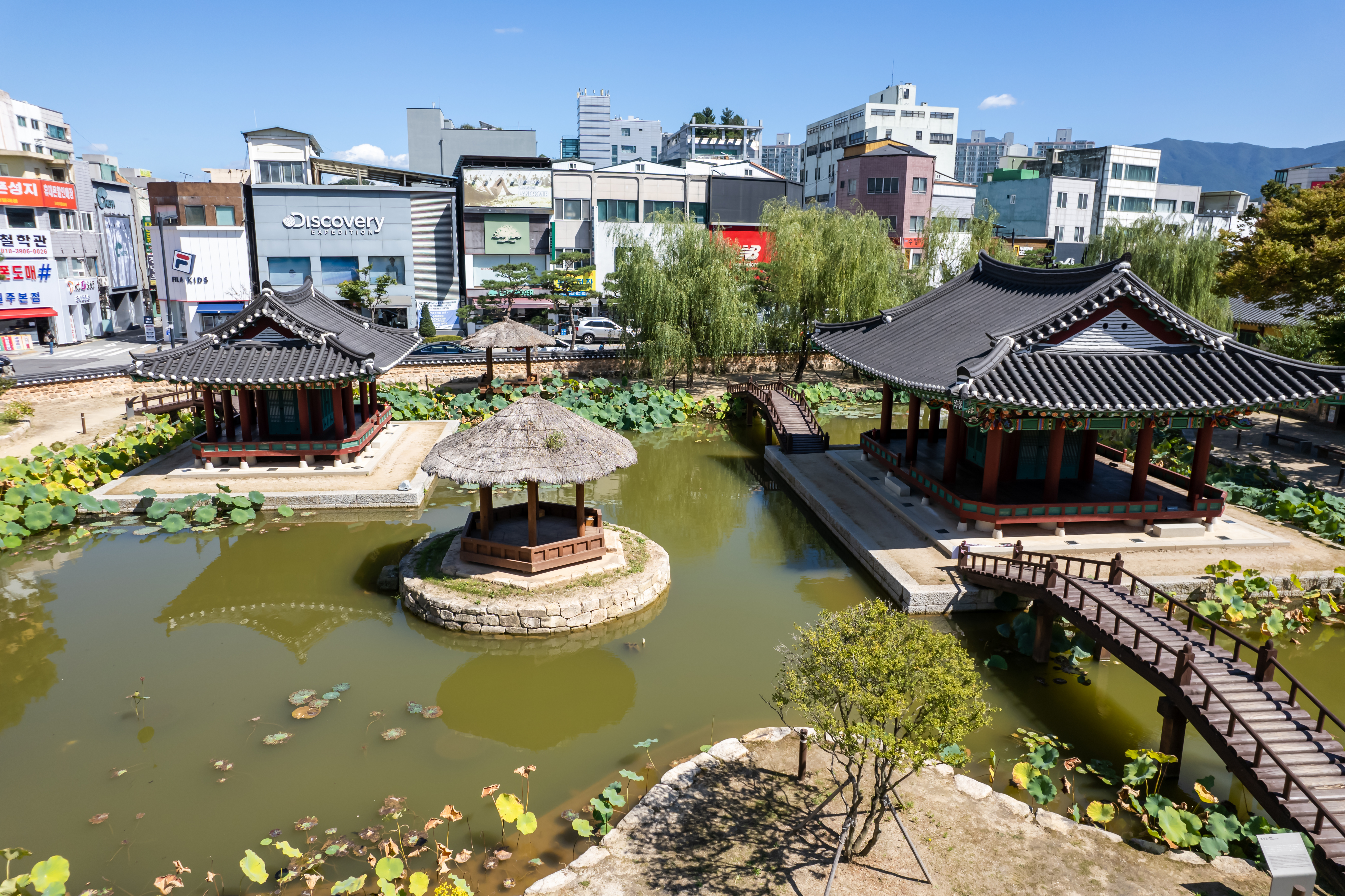
Wonju sits in the central mountains of South Korea, about 33 kilometers from its nearest airport, WJU, and roughly two hours from Seoul by express bus or train. The city's continental climate brings hot, humid summers and cold, dry winters, with moderate air quality challenges throughout the year. Expats here tend to cluster in the Musil-dong neighborhood, which offers a mix of apartment complexes, local markets, and easy access to the city's riverside parks. With a population of 331 thousand, Wonju feels like a smaller, more laid-back alternative to the capital, yet it still has the amenities of a provincial hub, including a university and a growing medical industry.
Living costs in Wonju are notably lower than in Seoul or other major Korean cities. A single adult can get by on about $751 per month including rent at the budget tier, while a mid-range lifestyle runs around $1,100 per month, and a comfortable tier comes to $1,374 per month. Rent for a one-bedroom apartment in the city center averages $620 per month, dropping to $450 outside the center, and a three-bedroom unit costs $1,250 in the center or $900 outside it. Monthly utilities run about $199, internet is $27, and a mobile phone plan is $36. A meal at an inexpensive restaurant costs $7, a three-course dinner for two at a mid-range spot is $48, and a cappuccino is $4. Excluding rent, a single person spends roughly $950 per month, while a family of four spends about $3,100. The overall cost of living index is 63 out of 100, using New York City as the benchmark.
Safety and healthcare are two of Wonju's strongest draws. The city's safety index is 82 out of 100, with a crime index of just 18, making it a very secure place to live, even for solo travelers or families. Healthcare quality is rated as excellent, and the city has several modern hospitals and clinics, including a major university hospital that serves the region. English proficiency is limited, so learning some basic Korean will go a long way, but the small expat community is welcoming and can help newcomers navigate daily life. The air quality index of 65 is moderate, so those with respiratory sensitivities may want to monitor pollution levels, especially during the dry winter months.
For longer stays, South Korea's Digital Nomad Visa is the main option, and it requires a minimum monthly income of $5,500. The visa is designed for remote workers and freelancers, and it allows you to live in Wonju while working for overseas clients. Getting to the city is straightforward via WJU airport, which is 33 kilometers away, though most international travelers will fly into Seoul's main airports and take a train or bus from there. Wonju suits digital nomads and FIRE seekers, scoring 76 out of 100 in both categories, and it also works well for retirees, with a score of 67. The overall expat score is 76, reflecting a good balance of affordability, safety, and quality of life, though the limited English and small expat community mean it's best for those who are self-sufficient or willing to integrate into Korean culture.