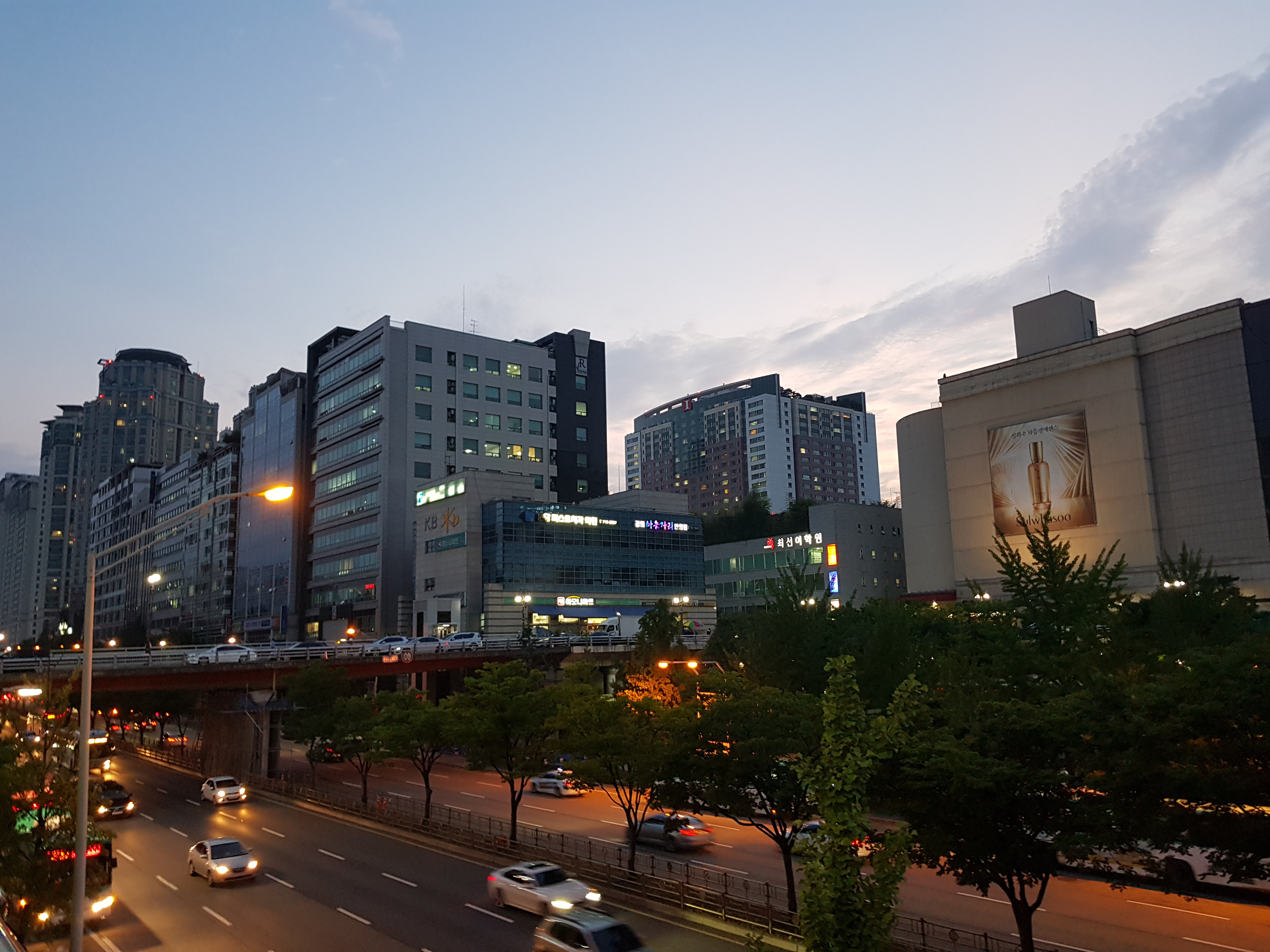
South Korea's economic core runs straight through this province. Semiconductors dominate — Samsung and SK Hynix both operate massive campuses here, and the supply chain ecosystem around them employs tens of thousands of engineers, logistics workers, and support staff. Automotive (Hyundai, Kia), petrochemicals, and pharmaceuticals round out the industrial base. For foreign workers, the realistic path in is either a corporate transfer from a multinational or an English teaching position — independent job hunting without Korean fluency is genuinely difficult and rarely rewarding.
A one-bedroom in the city center runs around $850/month, which sounds manageable until you factor in key money (jeonse or wolse deposit systems that can require lump sums of $10,000–$50,000+). The subway connectivity is legitimately world-class — fast, clean, and cheap at roughly $1.20 per ride. Public healthcare is solid and foreigner-accessible, with national health insurance mandatory for registered residents. The bureaucracy is procedurally heavy: registering, opening a bank account, and getting a SIM card all require an Alien Registration Card, which takes weeks to process.
Winters drop to -10°C and summers push 35°C with punishing humidity — neither extreme is subtle. The food scene is exceptional and cheap at street level; a solid meal runs $5–8. The expat community skews young, English-teaching-heavy, and transient, which means social networks can feel shallow unless you invest in Korean language and local relationships. Weekends mean hiking (the province has serious mountain access), K-pop events, and Seoul day trips. This city suits corporate transferees and career-focused expats who want East Asian megacity infrastructure without paying Tokyo or Hong Kong prices.
Estimate the cost of moving to Gyeonggi, South Korea
Get a free moving cost estimate for moving to Gyeonggi, South Korea. Takes 10 seconds.
How much are you shipping?
When are you moving?
Powered by Sirelo. Free quotes from international movers.
🏚️ Cost of Living
A 1BR in the center runs about $521.04/mo. If your income is in another currency, bank FX fees add up. A multi-currency account can cut that cost.
Gyeonggi is genuinely safe for daily life. You'll see expats and locals walking alone at night without concern, and the city feels orderly and well-policed. Public transportation is reliable and secure. The safety index of 85 reflects reality—this is one of South Korea's safest regions. Violent crime against foreigners is extremely rare, and the overall atmosphere is calm and predictable.
Petty theft and pickpocketing occur occasionally in crowded areas like subway stations and markets, but rates are low compared to Western cities. Scams targeting expats are uncommon but can happen in nightlife districts; use common sense with strangers offering deals. Solo female travelers report feeling safe, though standard precautions apply. Avoid excessive drinking in certain entertainment areas where disputes occasionally occur, but this is not a major concern.
South Korea has stable governance, reliable police, and low corruption. Gyeonggi benefits from proximity to Seoul's institutional strength. No significant political instability affects daily life. The main geopolitical consideration is North Korea's proximity, but this poses minimal practical risk to residents in Gyeonggi—it's a managed, distant concern rather than an active threat. Overall, this is an excellent choice for American expats seeking a genuinely safe, orderly environment with strong rule of law.
🏥 Healthcare
Excellent
Public Hospitals
Yes
Private Clinics
Yes
English-Speaking Doctors
Available
See how Gyeonggi's healthcare compares with Yangsan
🌤️ Climate
Summer Temp
29°C
Winter Temp
-6°C
Humidity
65%
Air Quality Index
62
Annual Rainfall
1610 mm
Best Months
MayJunSep
Climate Notes
Humid continental climate; data reflects the Suwon/Seoul capital region.
💻 Digital Nomad
Avg Internet Speed
150 Mbps
Internet (monthly)
$22/mo
Coworking Availability
Abundant
Coworking Spaces Nearby
0
Digital Nomad Score
77/100
Community Notes
Dynamic region with advanced tech facilities and great transport links.
Located in the bustling Gwanggyo neighborhood, this WeWork offers a reliable and professional environment with standard amenities, making it a convenient choice for expats seeking a familiar coworking experience. It's close to transportation and dining options.
Situated in Bundang's Jeongja area, JustCo provides a modern and stylish workspace with a focus on community and networking. Its central location and comprehensive facilities make it suitable for digital nomads looking for a vibrant coworking atmosphere.
Regus in Bundang offers a more traditional and professional coworking environment, ideal for those who prefer a quiet and focused workspace. It provides a range of office solutions and is well-connected to transportation links.
Located in the Sunae area of Bundang, Sparkplus offers a modern and flexible workspace solution. It's a good option for those seeking a balance between affordability and convenience, with various amenities and a supportive community.
See how Gyeonggi's digital nomad life compares with Yangsan
🧳 Expat Life
English Proficiency
Limited
Expat Community
Large & Active
Top Neighborhoods
Bundang, Pangyo, Suwon
Banks Nearby
31
ATMs Nearby
13
Expat Life Notes
The province surrounding Seoul is a high-tech heartland with numerous expat hubs centered around major tech campuses.
Pros
✓ World-class infrastructure
✓ Strong career opportunities
✓ Safe for families
Cons
✗ Extreme housing prices in tech zones
✗ Commute times to Seoul can be long
✗ Language barrier in local areas
🏘️ Neighborhoods in Gyeonggi
Areas of Gyeonggi that expats often consider.
Conditions can change from one block to the next, and these descriptions are general guides, not safety assessments. Before choosing where to stay or live, check current travel advisories, talk to people who live there, and visit in person if you can.
Bundang-gu
Modern, affluent, family-friendly suburb
Bundang is known for its planned city design, green spaces, and high quality of life. It's popular with families and professionals, offering excellent schools and amenities. Public transportation is efficient, but it can feel somewhat sterile compared to older parts of the region.
Pangyo Techno Valley
Tech hub, modern, convenient
Pangyo is a rapidly developing area centered around technology companies and startups. It offers modern apartments, convenient shopping, and easy access to Seoul via subway. While it's a great place for tech professionals, it can lack the charm and character of older neighborhoods.
Suwon City Center (Paldal-gu)
Historic, lively, cultural heart
The heart of Suwon offers a blend of historical sites, traditional markets, and modern amenities. It's home to the Hwaseong Fortress, a UNESCO World Heritage site. While it's more affordable than Bundang or Pangyo, it can be crowded and noisy, especially during festivals.
Yeongtong-gu
Residential, family-oriented, convenient
Yeongtong-gu is a large residential district in Suwon, offering a mix of apartments and houses. It's known for its good schools, parks, and shopping centers. It's a good option for families seeking a comfortable and convenient lifestyle, but it may lack the excitement of more central areas.
Ilsan (Goyang)
Green, spacious, suburban living
Ilsan, part of Goyang city, is a well-planned suburb with large parks, lakes, and cultural attractions. It's popular with families and retirees seeking a quieter lifestyle. While it's well-connected to Seoul by subway, commuting can be lengthy during peak hours.
Giheung-gu (Yongin)
Residential, affordable, up-and-coming
Giheung-gu in Yongin is a more affordable option compared to Bundang or Pangyo, offering a mix of older and newer apartments. It's becoming increasingly popular with young families and students. While it's less developed than other areas, it offers a more local and authentic Korean experience.
Ansan
Multicultural, industrial, budget-friendly
Ansan has a large population of foreign workers, particularly from Southeast Asia. It's known for its industrial areas and lower cost of living. While it offers a unique cultural experience, language barriers and limited English support can be a challenge for some expats.
Page 1 of 2
Could living/working in Gyeonggi cut years off your work life?
With a 1-bedroom in the center at $521/mo, your FIRE number here might be much lower than you think.
Gyeonggi has a population of approximately 1,197,000 people.
A single person can expect to spend around $1,303 per month in Gyeonggi, including rent. A 1-bedroom apartment in the city center costs approximately $521/month.
The nearest airport to Gyeonggi is SSN, approximately 7.3km away.
Gyeonggi is considered relatively safe, with a safety index of 85.0. As with any city abroad, expats should research specific neighborhoods before committing to a location.
Gyeonggi has an average internet speed of 150 Mbps. It is considered a well-established digital nomad destination.
Realistically, your options are limited to English teaching, corporate transfers from multinationals, or specialized tech roles where English is the working language. Cold-applying to Korean companies without Korean proficiency almost never works, even for skilled roles. Learning at least basic Korean significantly expands your options and daily quality of life.
Jeonse is a uniquely Korean system where you pay a large lump-sum deposit (often 50–80% of the property value) instead of monthly rent — the landlord returns it in full when you leave. Most expats use wolse instead, which combines a smaller deposit ($5,000–$20,000) with monthly rent around $850 for a central one-bedroom. Navigating either system without a Korean-speaking agent is risky.
Yes, once you're registered. Employees and long-term visa holders must enroll in the National Health Insurance Service (NHIS), which covers roughly 60–80% of most medical costs. Premiums are income-based and generally reasonable. Many hospitals in the Seoul metro area have international clinics with English-speaking staff, though outside major hospitals, expect a language barrier.
Generally, Gyeonggi is more affordable than many major US cities. Rent for a decent apartment can range from $700-$1500 USD, groceries are moderately priced, and eating out can be quite cheap, especially if you embrace local cuisine. You can definitely stretch your dollar further here.
Gyeonggi is considered very safe, with low crime rates. Petty theft is rare, and violent crime is even rarer. You can generally feel comfortable walking around at night, but as always, be aware of your surroundings.
South Korea boasts some of the fastest internet speeds globally, and Gyeonggi is no exception. You can expect reliable and lightning-fast connections, making it ideal for remote work. Coworking spaces are also becoming more common, especially near major subway stations.
Unfortunately, South Korea doesn't have a specific retirement visa. Many retirees opt for long-term tourist visas and extend their stay as much as possible, but this isn't a permanent solution. Exploring investment visas or enrolling in a Korean language program are alternative pathways to consider for longer stays.
While Korean is the primary language, you'll find more English speakers in Gyeonggi than in smaller rural areas, especially among younger generations and in international business districts like Pangyo. Learning basic Korean phrases will significantly enhance your daily life and interactions.
Areas like Suwon and Ansan offer more affordable housing options compared to Bundang or Pangyo. You can find decent apartments and a good selection of restaurants and shops without breaking the bank. Public transportation is also excellent in these areas.
Opening a bank account is relatively straightforward with the right documents (passport, ARC). Major international banks like Citibank have branches, but local banks like KEB Hana Bank are also good options. Services like Wise (formerly TransferWise) offer competitive exchange rates for international transfers.
Gyeonggi experiences four distinct seasons. Summers are hot and humid, winters are cold and dry, and spring and autumn are generally pleasant. Be prepared for air pollution, especially during the spring months. Investing in a good air purifier is a wise move.
Gyeonggi has an excellent public transportation system, including subways, buses, and high-speed trains. Getting around without a car is very feasible and often more convenient, especially in urban areas. Taxis are also readily available and relatively affordable.
As a US citizen, you're still required to file US taxes even when living abroad. The Foreign Earned Income Exclusion (FEIE) can help you exclude a certain amount of your income from US taxes. Also, be aware of FBAR reporting requirements if you have foreign bank accounts exceeding $10,000.
Retiring comfortably on $2500 USD per month in Gyeonggi is possible, but it requires careful budgeting. You'll likely need to live outside the most expensive neighborhoods, embrace local cuisine, and minimize unnecessary expenses. Healthcare costs should also be factored into your budget.
Gyeonggi has a sizable expat community, particularly in cities like Pyeongtaek (due to the US military base) and Seongnam. You can find various expat groups and organizations online and offline, providing opportunities for socializing and networking. Facebook groups are a good place to start.
Yes, many hospitals in Gyeonggi, especially those in larger cities, have English-speaking doctors and staff. International clinics are also available. It's always a good idea to check beforehand to ensure they can meet your specific needs.
While you'll encounter language barriers occasionally, the overall quality of life in Gyeonggi is high. The city is modern, efficient, and offers a wide range of amenities. Embrace the local culture, learn some Korean, and you'll find it a rewarding place to live.
Cost-of-living and visa updates for Gyeonggi and the rest of South Korea. Free with RA Postcards.
By submitting your email address, you will receive a free subscription to RA Postcards and special offers from Rewire Abroad and our affiliates. You can unsubscribe at any time, and we encourage you to read more about our Privacy Policy.