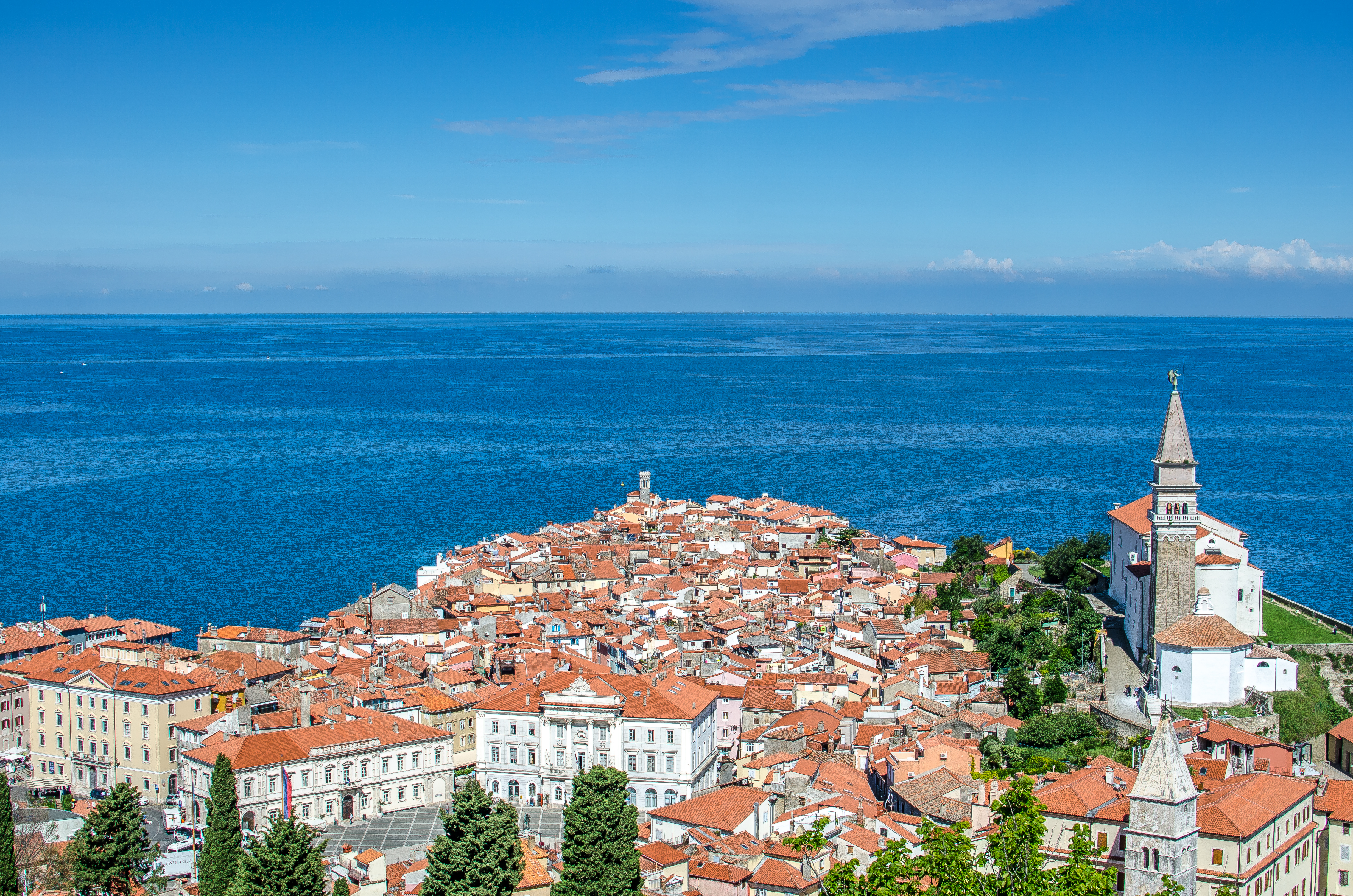
Tourism dominates Piran's economy—hotels, restaurants, and seasonal hospitality jobs are the main income sources for locals. Fishing, once the lifeblood, has shrunk to near-irrelevance. Most expats here either work remotely, run guesthouses, or teach English; there's no tech scene or corporate job market. Wages for service work are low (€800–1,200/month), but if you're location-independent, that's irrelevant. The town swells with visitors May–September, then quiets dramatically.
Rent runs €600–900/month for a one-bedroom apartment; buying property is expensive (€5,000–8,000/sqm). Healthcare is solid—Slovenia's system is EU-standard and affordable. Transport is excellent: buses to Ljubljana (2 hours), ferries to Italy, and the A2 motorway nearby. Bureaucracy for residency is straightforward if you're EU; non-EU citizens face visa complexity. Italian and Slovene are both spoken; English works in tourism zones but fails in daily life. Winter can feel isolating.
Mediterranean climate, fresh seafood, and genuine medieval charm make weekends easy—swimming, hiking, Italian day trips. The expat community is small and transient (mostly seasonal workers and remote freelancers). Nightlife is tourist-oriented and thin outside summer. Piran suits remote workers seeking a quiet Adriatic base, not people needing job prospects or a stable social scene.
Piran, Slovenia: Mediterranean coastal town where tourism drives the economy and remote work is the realistic path for expats seeking affordable seaside living.
Estimate the cost of moving to Piran, Slovenia
Get a free moving cost estimate for moving to Piran, Slovenia. Takes 10 seconds.
How much are you shipping?
When are you moving?
Powered by Sirelo. Free quotes from international movers.
🏚️ Cost of Living
A 1BR in the center runs about $750/mo. If your income is in another currency, bank FX fees add up. A multi-currency account can cut that cost.
Piran is genuinely safe for daily life. The compact medieval town of 5,400 residents feels secure day and night, with locals and expats walking freely after dark. Petty theft exists but is uncommon; violent crime is rare. The tight-knit community and visible police presence create a low-crime atmosphere that matches the high Safety Index of 78.
Main risks are opportunistic rather than predatory: pickpocketing in crowded summer tourist areas, occasional car break-ins, and rental scams during peak season. Avoid leaving valuables unattended on beaches or in vehicles. Solo female travelers report feeling safe; harassment is minimal. The old town's narrow streets are well-lit and populated, reducing vulnerability.
Slovenia is politically stable, EU-integrated, and has reliable police and institutions. Corruption is low by regional standards. No significant protest activity or geopolitical tensions affect daily life. For Americans considering relocation, Piran presents minimal safety concerns—the main challenge is seasonal tourism overcrowding, not crime. It's a genuinely secure choice for remote workers or retirees seeking a quiet Mediterranean lifestyle.
Piran enjoys a Mediterranean climate with warm, dry summers (June-September) and mild, wet winters (December-February), making it ideal for expats seeking coastal charm with moderate seasonal variation.
💻 Digital Nomad
Avg Internet Speed
95 Mbps
Coworking Availability
Limited
Coworking Spaces Nearby
0
Digital Nomad Score
74/100
Community Notes
Piran boasts stunning coastlines and a rich history but limited coworking spaces.
Located in the heart of Piran, near Tartini Square, this coworking space offers a creative environment with modern amenities. It's ideal for digital nomads seeking a central location and a collaborative atmosphere.
While technically in Koper, it's a short drive from Piran and provides a reliable, professional coworking environment with various membership options. Regus offers a consistent experience and is a good choice for those familiar with the brand.
See how Piran's digital nomad life compares with Zagorje ob Savi
🧳 Expat Life
English Proficiency
Common in Tourist Areas
Expat Community
Medium
Top Neighborhoods
Old Town, Tartini Square area
Banks Nearby
17
ATMs Nearby
27
Expat Life Notes
A stunning Venetian-style coastal town. Highly international due to tourism and the Euro-Mediterranean University.
Pros
✓ Beautiful coast
✓ Safe and clean
✓ Strong English proficiency
Cons
✗ Highly touristy in summer
✗ Very expensive for Slovenia
✗ Parking is difficult
🏘️ Neighborhoods in Piran
Areas of Piran that expats often consider.
Conditions can change from one block to the next, and these descriptions are general guides, not safety assessments. Before choosing where to stay or live, check current travel advisories, talk to people who live there, and visit in person if you can.
Piran Town Center
Historic, vibrant, tourist hotspot
The heart of Piran, centered around Tartini Square. Expect higher prices and crowds, especially during peak season. Very walkable, with easy access to restaurants, shops, and the sea, but can be noisy.
Mandrač
Picturesque harbor, charming, lively
Located around the small harbor, Mandrač offers stunning views and a lively atmosphere. It's a popular spot for restaurants and cafes. While charming, parking can be difficult and prices are generally higher due to its prime location.
Fiesa
Relaxed, beachside, family-friendly
A short walk or bus ride from Piran, Fiesa offers a more relaxed atmosphere with its beaches and freshwater lakes. It's popular with families and those seeking a quieter lifestyle. While less central, it's still easily accessible to Piran's amenities.
Pacug
Secluded, peaceful, residential area
Further from the center, Pacug is a more residential area with a quieter vibe. It's a good option for those seeking peace and tranquility. Requires a car or reliance on public transport to reach Piran's main attractions.
Lucija
Modern, marina, more affordable
Technically a separate town but very close to Piran, Lucija offers a more modern feel with its marina and newer developments. It's generally more affordable than Piran itself. Good bus connections to Piran and other coastal towns.
Sv. Peter (St. Peter)
Hillside, panoramic views, quiet
Located on the hills overlooking Piran, Sv. Peter offers stunning panoramic views. It's a quieter residential area, further from the bustle of the town center. Requires a car or willingness to walk uphill, but the views are worth it.
Page 1 of 2
Could living/working in Piran cut years off your work life?
With a 1-bedroom in the center at $750/mo, your FIRE number here might be much lower than you think.
Piran has a population of approximately 5,452 people.
A single person can expect to spend around $1,875 per month in Piran, including rent. A 1-bedroom apartment in the city center costs approximately $750/month.
The nearest airport to Piran is POW, approximately 12.6km away.
Piran is considered relatively safe, with a safety index of 78.0. As with any city abroad, expats should research specific neighborhoods before committing to a location.
Piran has an average internet speed of 95 Mbps. It is considered a well-established digital nomad destination.
Realistically, no. Jobs exist in hotels, restaurants, and tourism services, but wages are €800–1,200/month and mostly seasonal. Unless you're fluent in Slovene and Italian, employment prospects are thin. Remote work or running a tourism business are the viable paths.
Yes. Rent is 30–40% higher than inland cities like Ljubljana due to tourism and foreign investment since 2004. Property prices are €5,000–8,000/sqm. Food and utilities are standard EU prices. It's affordable by Western standards but pricey for Slovenia.
Small and transient. Most expats are seasonal tourism workers or remote freelancers. There's no established expat infrastructure or social scene like larger cities. Winter is quiet and can feel isolating. It suits solo remote workers more than people seeking community.
Piran enjoys a Mediterranean climate with warm, dry summers and mild, wet winters. Expect average summer temperatures around 75°F (24°C) and winter temperatures around 45°F (7°C). Be prepared for the occasional strong 'bora' wind, especially during the colder months.
Piran is generally considered very safe, with low crime rates. Petty theft, like pickpocketing, can occur, especially during peak tourist season, so be mindful of your belongings. Violent crime is rare, and you can generally feel safe walking around at night.
As a US citizen, you can stay in Slovenia visa-free for 90 days within a 180-day period. For longer stays, you'll need to apply for a temporary residence permit, often based on reasons like retirement, self-employment, or study. Research the specific requirements and application process well in advance.
While Piran has a local health center, for specialized care or English-speaking doctors, you might need to travel to nearby larger cities like Koper or Trieste (Italy). Private healthcare options are available, and it's advisable to have comprehensive travel or international health insurance.
Internet speeds in Piran are generally reliable, with decent broadband available in most apartments and cafes. You can expect download speeds of around 20-50 Mbps, which is sufficient for most remote work tasks. Check with your accommodation provider for specific details.
Piran is a small, pedestrian-friendly town, and the best way to get around is on foot. A free bus connects the parking garage outside the town center to Tartini Square. For exploring the surrounding areas, consider using local buses or renting a car.
Piran offers a variety of dining options, from traditional Slovenian cuisine to seafood restaurants. Fritolin pri Cantini is a popular spot for fresh seafood, while Restaurant Pavel 2 offers stunning views. For coffee and pastries, try Caffe Neptun.
As a US citizen, you're still required to file US taxes even when living abroad. You may be able to exclude a portion of your foreign earned income using the Foreign Earned Income Exclusion (FEIE) or claim the Foreign Tax Credit. Consult with a tax professional specializing in expat taxes.
Piran itself doesn't have dedicated coworking spaces. However, you can find some options in nearby Koper, which is easily accessible by bus. Many cafes in Piran also offer a comfortable environment for remote work.
A single person could retire comfortably in Piran on a budget of around €1500-€2000 per month, covering rent, utilities, groceries, and some leisure activities. This allows for a comfortable lifestyle without excessive frugality. Couples should budget accordingly.
Services like Wise (formerly TransferWise) and Revolut often offer competitive exchange rates and lower fees compared to traditional bank transfers. Compare the rates and fees of different services before making a transfer. Check if your bank has partnerships with international banks to reduce fees.
English is widely spoken in Piran, especially in tourist areas, restaurants, and shops. While you can get by with English, learning some basic Slovenian phrases will be greatly appreciated by locals and enhance your experience.
Slovenia offers some investment opportunities, but it's essential to do thorough research and consult with a financial advisor familiar with the local market. Real estate investment is an option, but be aware of local regulations and taxes. Consider diversifying your portfolio.
Cost-of-living and visa updates for Piran and the rest of Slovenia. Free with RA Postcards.
By submitting your email address, you will receive a free subscription to RA Postcards and special offers from Rewire Abroad and our affiliates. You can unsubscribe at any time, and we encourage you to read more about our Privacy Policy.